
Reviewed · VILA NOVA DE GAIA
Vila Nova de Gaia: Porto Discovery Tasting
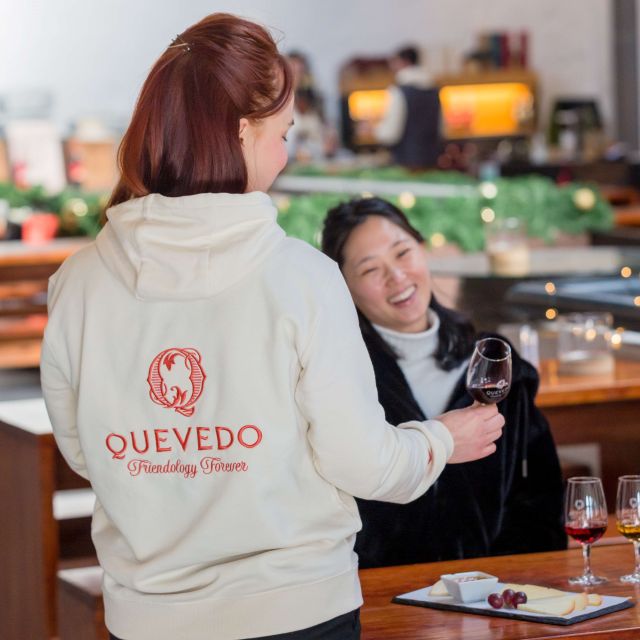
Four ports in thirty minutes, that is the move. In Vila Nova de Gaia, this tasting at Quevedo Port Wine turns Port basics into something you can actually remember, with four different styles in a cozy session. I love how guides like Ines connect the dots from grape growing to what lands in your glass. I also like the relaxed pace and lodge feel, not a rushed conveyor belt. One possible drawback: no snacks or pairing bites are included, so eat something first if you tend to get hungry.
You get a focused experience designed for learning, not just drinking. Groups are small, limited to 8 people, and the whole session runs about 30 minutes, which makes it easy to fit into a day in Gaia or Porto.
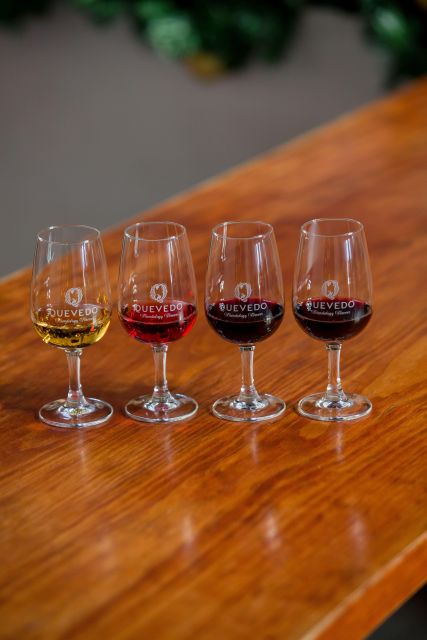
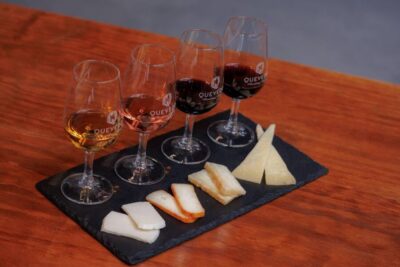
You will taste Rosé, Reserve Ruby, Special Reserve Tawny, and 10 Year Old White. Staff explain what to look for in aroma, flavor, and the differences between styles, with the option of Portuguese, English, Russian, or Spanish.
Key things you will love
- Four Port styles in one short session so you can compare fast without overcommitting
- Guides who explain the process clearly, with examples that make Port feel practical
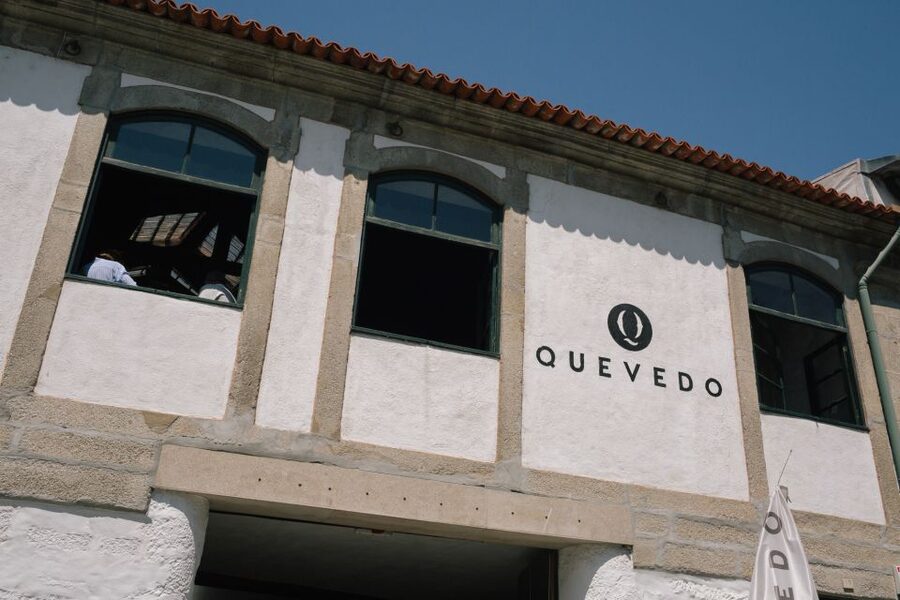
- Cozy, lodge-style tasting setting right in Vila Nova de Gaia
- Small group size (up to 8) for more back-and-forth questions
- No snacks included, which matters if you want food pairings
A 30-Minute Port Tasting That Keeps It Simple in Vila Nova de Gaia
If you have ever felt Port tastings are either too formal or too vague, this one lands in the middle. It is short, only 30 minutes, and built around four pours that show meaningful differences. You are not just sampling. You are learning what those styles are trying to do.
I like that the pace respects your time. You get explanations for each wine, but you are not trapped in a long lecture. With a small group, questions do not get swallowed by a crowd.
There is also something reassuring about the setting and approach. The experience is hosted in a cozy lodge in the heart of Vila Nova de Gaia. You feel like you are visiting a family cellar rather than attending an event staged for strangers.
One thing to plan around: there are no extra wines and no snacks. If you normally like to snack during tastings, grab something light before you go, like fruit or bread somewhere nearby, so you stay comfortable for the full run.
You can also read our reviews of more food & drink experiences in Vila Nova De Gaia

Where to Go: Quevedo Port Wine Meeting Point and What to Expect on Arrival
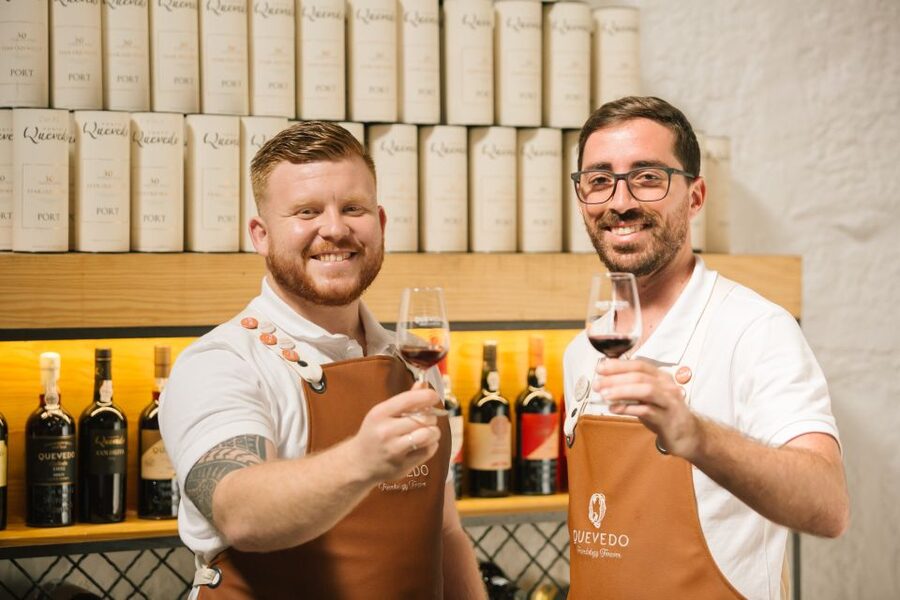
Your meeting point is straightforward: go to Quevedo Port Wine and talk to a local staff member. That matters, because in this area there are a lot of port-related signs and tasting rooms. Clear direction reduces stress, and you can arrive and start tasting quickly.
The host or greeter is available in Portuguese, English, Russian, and Spanish. That is useful if you are traveling with friends who want to understand every detail, not just the basics. It is also helpful if you want to ask follow-up questions and not worry about language gaps.
This is wheelchair accessible, so you can move through the space without needing special arrangements. And because the group is limited to 8 participants, you are less likely to feel squeezed or rushed by space or noise.
Timing is another practical win. The tasting runs about 30 minutes, and starting times depend on availability. If you are building a busy Porto and Gaia day, this length is forgiving.
The Four Ports You Taste, and How to Read the Differences Like a Pro
This tasting centers on four specific wines: Rosé, Reserve Ruby, Special Reserve Tawny, and 10 Year Old White. You will taste them in a guided flow, with staff explaining what makes each one distinct.
Rosé: The “first impression” style
Port Rosé is often the easiest entry point for newcomers. In this format, it helps you reset your palate before you move into deeper, older, and more complex profiles. Expect the guide to talk about how the style differs from the classic red Port taste you might be expecting.
When you try it, focus on what stands out first. Is it more about freshness and fruit, or do you notice any hint of Port sweetness creeping in? That first pour is a good baseline for the rest.
Reserve Ruby: Fruit-first, smoother Port identity
Next comes Reserve Ruby. Ruby styles usually lean toward fruit-driven Port character, and the guided explanation helps you understand why people like Ruby when they want Port that feels friendly and direct.
As you taste, pay attention to texture. Is it soft and rounded, or more sharp and punchy? Staff explanations typically make it easier to spot these differences, even if you have only had Port a few times.


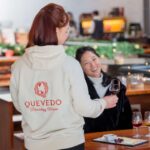
Special Reserve Tawny: The “aged by time” lesson
Then you get Special Reserve Tawny, where the conversation shifts toward aging character. Tawny Port is where a lot of people start noticing caramel notes, nutty aromas, and a longer finish.
This is one of the pours where the guided part really matters. If you taste Tawny without context, it can blur together with other dessert drinks you have tried. With the explanation, you learn what the aging contributes to smell and flavor.
10 Year Old White: A contrast you will remember
Finally, 10 Year Old White rounds out the tasting with a different Port category. White Port is not just a color shift. It changes the whole feel of the glass, and the guide should help you understand how that age label influences what you taste.
This last pour is where you can make real comparisons. By then you have a mental map: Rosé for entry, Ruby for fruit, Tawny for aging character, and White for a different Port expression. When that clicks, the whole experience sticks.
One practical tip for your own tasting notes: do not try to “judge perfectly.” Just note two things per glass, aroma and finish. You will get more out of it with less pressure.
Family-Owned Quevedo and the Vineyard-to-Glass Thinking
This is a small family-owned business with a heritage of crafting Port Wine for five generations. That does not automatically make something better, but it helps explain the way the tasting is taught: with intention, not marketing fluff.
There is also an important detail about the timeline. Portugal’s entry into the EU in 1993 allowed the family to bottle wines under their own brand. That makes them one of the newer Port Wine Houses in the Douro region, which is a neat contrast to the older, more established names you might see in Porto.
What you should take from that is not just trivia. It hints at a modern approach wrapped around long practice. You can feel that in the clarity of the explanations and the focus on grapes and origin.
The wines are raised, matured, and bottled in the Douro Valley. The staff emphasizes that the origin of the grapes matters. That is a key Port concept. Port is not only about sweetness and alcohol. It is about what the vineyard gives the wine in the first place.
If you want a one-sentence takeaway, here it is: the guide is trying to teach you to taste the vineyard, not just the style name.
What the Douro Valley Inputs Mean for Your Glass
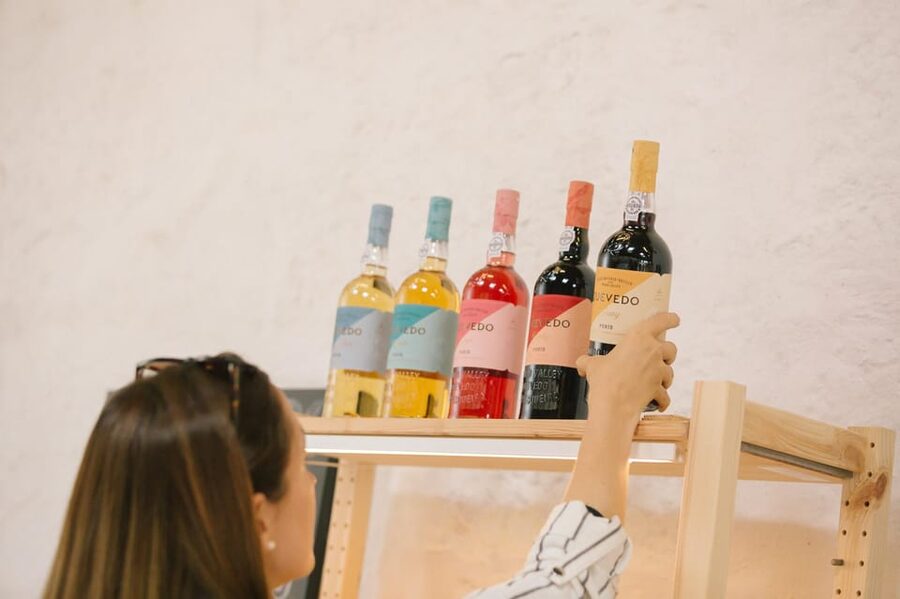
The family cultivates 100 hectares of vineyards across five properties in the Douro Valley. They also have 25 hectares of organic olive groves. That mix matters because it signals variety in the landscape and agricultural approach.
From a tasting perspective, diversity can show up as differences in aroma and flavor range. The idea is simple: you are not making just one kind of grape expression. You are drawing from a range, and that helps each wine style feel more intentional.
Also, the business view is that great wine is made in the vineyard. That line may sound like standard wine talk, but in a short tasting, it actually helps you interpret what you taste. When a guide explains why grapes grown in specific conditions produce certain aromatics, you start understanding Port as an agricultural product first, not only a cellar product.
In other words, the tasting is not only about what Port is. It is about how Port gets to be what it is.
Education That Feels Friendly, Not Stuffed
The big winner here is the way the tasting is explained. Multiple people described staff as mixing history and process with real passion. One highlight from a guide named Ines is how she explains the story from harvest through what ends up at the table, and how each wine is made.
You should expect that kind of teaching style: clear, practical, and paced so you can follow along. It helps that the group is small, because you can ask questions and get answers aimed at your level.
This is a great option if you feel intimidated by wine language. The tasting is set up to make Port feel approachable. You are guided through four styles, so you always know where you are and what you are supposed to notice.
There is also a bit of humor reported in the way staff teach. That makes it less like a classroom and more like a good conversation with someone who cares about the product.
Price and Value: Why $22 for Four Glasses Can Make Sense
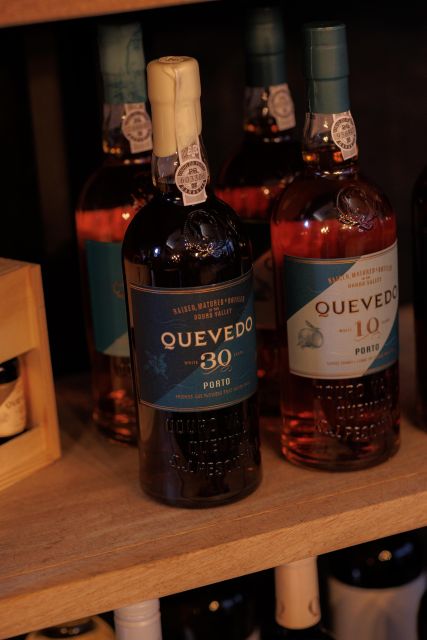
At $22 per person for a 30-minute session, the value depends on what you want out of your visit. If you only care about getting a quick drink, you might feel a short tasting is not worth much. If you want education and a comparison of multiple Port styles, this is priced in a reasonable range.
Here is what you get for the money: four glasses of Port, each explained by the staff. That is the value equation. You are paying for both liquid and context, and that context is what usually makes tastings worth repeating.
It also helps that the group is limited to 8. More attention per person usually makes the experience feel more personal, even in a short time slot.
The one cost caveat is food. Since snacks and pairing bites are not included, you might spend a bit elsewhere before or after. If you plan that, the price feels fair. If you show up hungry and expecting bites, you will likely feel the difference quickly.
Best Fit: Who Should Book This Port Discovery Tasting
You will enjoy this tasting most if you want a practical introduction to Port styles. It is also a smart pick if you are short on time but want something more meaningful than a stand-alone glass.
This works well for:
- First-time Port drinkers who want clear explanations of style differences
- People who like short, focused activities during a Porto and Gaia day
- Travelers who prefer small groups, up to 8 people
- Anyone who appreciates vineyard-to-bottle explanations, especially around the Douro Valley
If you are a hardcore Port collector looking for rare bottles or deep cellar comparisons, this is probably not your biggest Port day. But if your goal is to understand what the main Port styles taste like and why, this is a strong match.
Should You Book Vila Nova de Gaia: Porto Discovery Tasting?
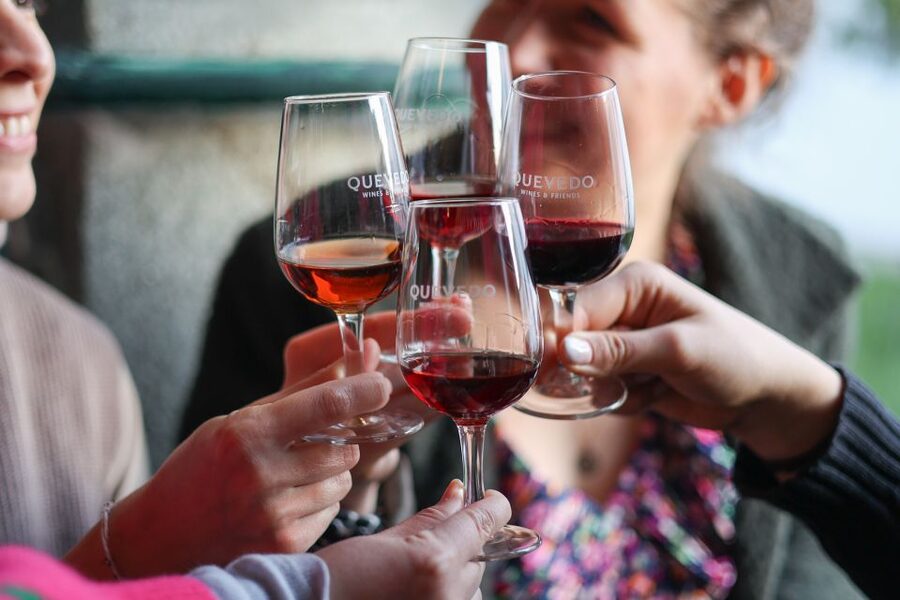
I would book it if you want a quick, guided Port comparison in Vila Nova de Gaia with four glasses and clear explanations. The short duration makes it easy to fit, the group size helps you ask questions, and the staff approach seems to focus on how Port is made and why it tastes the way it does.
Skip it or plan extra food nearby if you expect snacks or pairing bites. Also, if you already know Port well and you want something more advanced, you might feel four glasses in 30 minutes is a bit light.
For most visitors, though, this is exactly the kind of experience that makes Porto and Gaia feel like more than just sightseeing. You leave with real tasting context, not just an aftertaste.
FAQ
How long is the Port tasting?
The tasting lasts about 30 minutes.
What Port wines are included?
You get four glasses: Rosé, Reserve Ruby, Special Reserve Tawny, and 10 Year Old White.
Where do I meet the staff?
Go to Quevedo Port Wine and talk to one of the local staff members.
How big is the group?
The group is limited to 8 participants.
Is the experience wheelchair accessible?
Yes, it is wheelchair accessible.
What is the cancellation policy?
You can cancel up to 24 hours in advance for a full refund.
More Food & Drink Experiences in Vila Nova De Gaia
More Tour Reviews in Vila Nova De Gaia




Keep comparing: recently reviewed experiences around Vila Nova De Gaia






Vila Nova de Gaia, compared.
 ★ 4.8Vila Nova de Gaia: Port Wine Tasting with Cheese PairingFrom $301,074 reviews
 ★ 5.0From Porto with view to Gaia: Private Bike Tour #DuckSideOfPortoFrom $86124 reviews
 ★ 4.8Vila Nova de Gaia: Winery Tour with 2 DOC Douro & 1 PortFrom $27101 reviews
 ★ 5.0Douro and Port Wine Tasting in Vila Nova de GaiaFrom $2035 reviews
 ★ 4.6Guided e-bike tours in Porto and GaiaFrom $5125 reviews
 ★ 5.0Porto and Gaia: Walking Tour of Douro’s Two RiversidesFrom $3615 reviews
 ★ 5.0Porto Old Town and Gaia Boat TourFrom $4813 reviews
★ 5.0Old Town and Gaia Boat TourFrom $4713 reviews
★ 5.0Porto Old Town and Gaia Boat TourFrom $4813 reviews
★ 5.0Old Town and Gaia Boat TourFrom $4713 reviews
Browse the lists this tour appears in