
Reviewed · PORTO CITY WALKS
Porto and Gaia: Walking Tour of Douro’s Two Riversides
Porto and Gaia feel like one long walk. This tour strings together famous squares, standout churches, and bridge history, then ends in Gaia near port cellars. I love the small-group pace that makes it easy to talk with your guide, and I love how the route mixes big sights with human stories. One thing to keep in mind, the port tasting at the finish is extra, and if any advertised river-boat add-on is not operating that day, you may be walking instead.
The logistics are pretty friendly, with an easy meeting point at Jardim do Infante Dom Henrique and a start time of 2:30 pm. You’ll also get an admission ticket included for the Douro crossing portion, which helps keep the experience smooth and timed. Overall, it’s a strong fit if you want a culture-and-views walk without spending your whole afternoon in lines.
Key things I’d bet you’ll notice right away
- Easy start in Porto: Meet at Jardim do Infante Dom Henrique, a straightforward place to locate.
- Small group, up to 15: You’ll likely meet a few people and get more time for questions.
- Guide-led stories: You get practical cultural context, including architecture, faith, and the meaning of landmarks.
- A Douro crossing with an included ticket: Less fiddling for you, more time paying attention.
- Gaia finish near port cellars: The tour ends close to cellar options, and tasting is typically an extra purchase.
- Some parts can be paid separately: For example, your first stop notes admission not included, and port drinks are not included.
Meeting at Jardim do Infante Dom Henrique, then finding Porto’s center fast
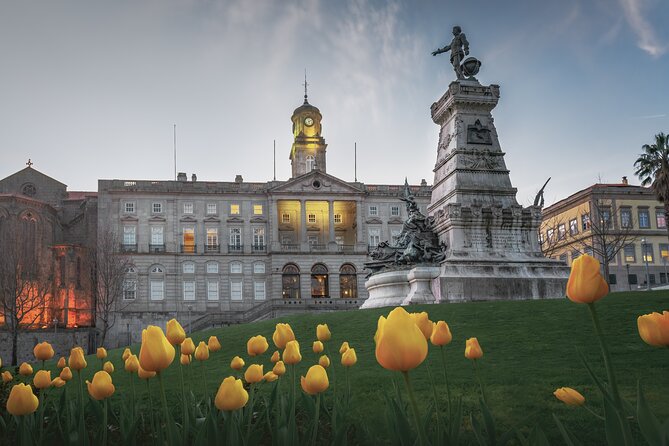
I like tours that help you get your bearings quickly, and this one starts with that goal. You meet at Jardim do Infante Dom Henrique, on R. do Infante Dom Henrique in Porto, with a 2:30 pm start. The square is dedicated to Henry the Navigator, so right away you’re in “why Portugal matters” territory, not just “where to take photos.”
From there, you move on foot through the historic core at a pace that feels like a walk with a teacher. You’re not sprinting between stops, and you still get a clear sense of the city’s layers. If you arrive a touch early, you’ll have time to look around before the group gathers.
One small planning note: the tour is about 2 hours long, so if you’re also doing a museum or a long sit-down meal that day, keep that schedule tight. This is a great add-on, not a replacement for a full day of sightseeing.
You can also read our reviews of more walking tours in Porto

Stock Exchange palace, St. Francis, and a UNESCO-listed house in Porto
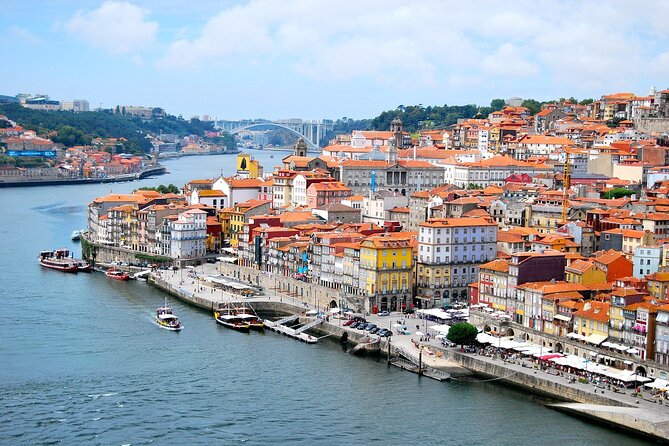
After the Henry the Navigator start, the walk shifts into Porto’s “big monuments close together” mode. You’ll see Portugal’s first Stock Exchange Palace, described as one of the city’s most stunning buildings. This is the kind of stop where a guide helps you read what you’re looking at, not just admire it.
Next comes the Church of St. Francis, tied directly to the idea that faith shaped Portugal’s history. The church is presented as a powerful reflection of that influence, so expect your guide to connect it to what you’re seeing rather than treat it as a random stop on a checklist. Even if churches aren’t usually your thing, this one is framed in a way that helps it click.
Then you pass a house in Porto’s historic center that’s declared a UNESCO World Heritage Site. It’s short, but it’s an important kind of moment, because it gives the tour a “where the story lives” feeling. Instead of only seeing structures, you’re getting pointed toward a place tied to the city’s past.
What I like about this sequence is that it covers three different lenses on Porto: trade and architecture (the Stock Exchange Palace), faith and symbolism (St. Francis), and heritage as a specific location (the UNESCO-listed house). It also keeps you moving through neighborhoods in a way that feels doable, even if it’s your first time in Porto.
Ribeira Square, then Alminhas da Ponte and the meaning of 1809
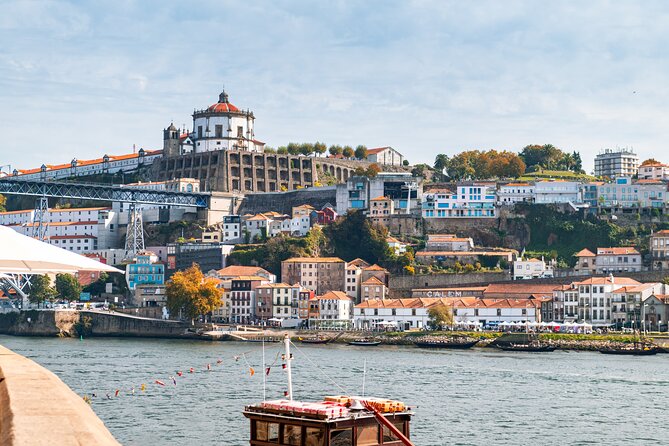
Ribeira Square is next, and it’s a very logical stop for the tour’s theme. It sits on the banks of the Douro River and is described as one of Porto’s oldest and liveliest spots. In practice, this is where the city stops being abstract and turns into real daily life, with the river shaping what happens around it.
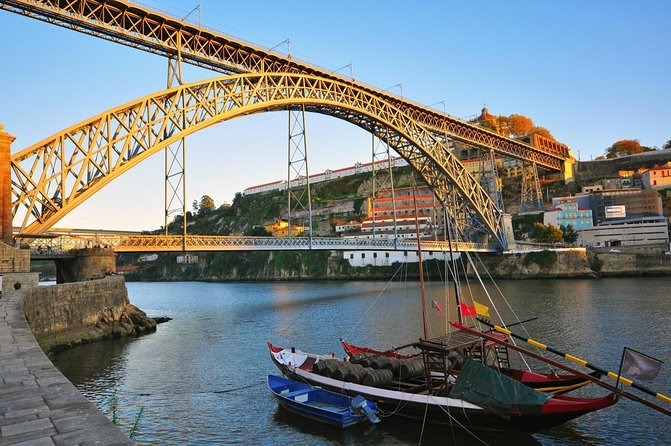
Then the walk turns to a quieter, more reflective piece of history: Alminhas da Ponte. These monuments honor the tragic collapse of the bridge in 1809, and your guide uses them to tell stories about bridges that connect more than geography. The theme here is smart. Bridges are practical, but they also become symbols for invasions, kings, legends, and heroes.
This is a great moment to slow down. A short 15-minute stop at a memorial can feel heavy in the best way, especially if your guide explains the context clearly. It’s also a nice contrast to the river views at Ribeira Square, so you don’t feel like you’re just repeating scenic highlights.
Crossing the Douro on foot, and why the included ticket helps
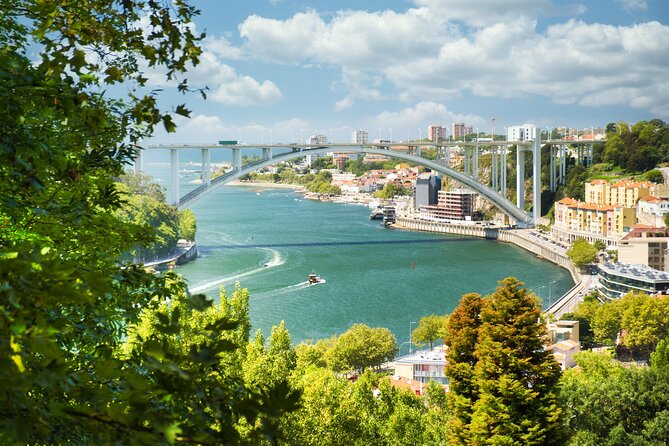
The tour’s middle pivot is the Douro River crossing. You cross on foot while continuing to enjoy the surroundings, and this portion includes an admission ticket. Even if you’ve walked across big bridges before, this one matters because it is the literal change from Porto to Gaia, the whole reason this tour works.
The crossing part is also where you’ll likely feel the tour shift from “city sights in Porto” to “port culture in Gaia.” After you cross, the tour focuses on port wine and the built spaces that support it. You’ll get pointed toward the birthplace of Port Wine and its iconic cellars, where the guide frames the stories behind bottles as traditions built over centuries.
Then you’ll see a former convent with simple yet powerful architecture and rich religious heritage. That combination is interesting because it links faith buildings with the working world of wine storage. If you like seeing how buildings get reused, or how one era’s purpose can morph into another, this stop should land well.
A quick consideration: because the tour is only about 2 hours, you’ll want to be ready to move on. This isn’t a slow architectural lecture. It’s more like a well-paced highlight walk with just enough time at each stop to understand what you’re looking at.
The Gaia finish at Largo Joaquim Magalhães 4, port tasting is extra
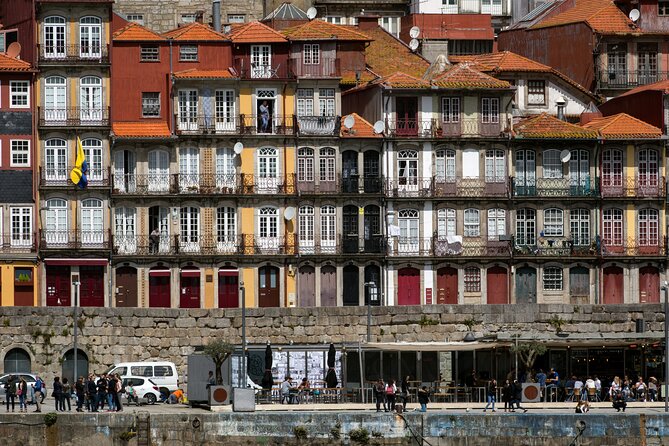
The tour ends at Largo Joaquim Magalhães 4 in Vila Nova de Gaia. It’s specifically noted that you finish close to one of the most interesting cellars in Gaia, so you can keep going with a tasting if you want.
Here’s the part to watch: the experience includes finishing in a winery to sip on local port, but it’s described as extra expense. In other words, don’t count on the tasting being included for free. Plan for an add-on if you want the classic port moment, and decide on the spot based on how your timing feels.
One review flagged that the ending cellar experience may not match expectations for everyone. The tasting stop they reached was described as tiny and dark, and the tasting itself came with an extra charge. Their workaround was finding a tasting at Graham’s, which they highly recommended.
That’s useful advice for you. If you love port tastings and don’t want to gamble on the last stop, it can be worth browsing cellar options in Gaia before or after the tour. The good news is the tour ends in the right area to make that easy.




Small group energy, English and Spanish guides, and real-world flow
This tour caps out at 15 travelers, which is a big part of why it works. With a small group, you’re less likely to get stuck waiting while the guide repeats things to everyone. You also get the chance to ask questions without feeling like you’re interrupting.
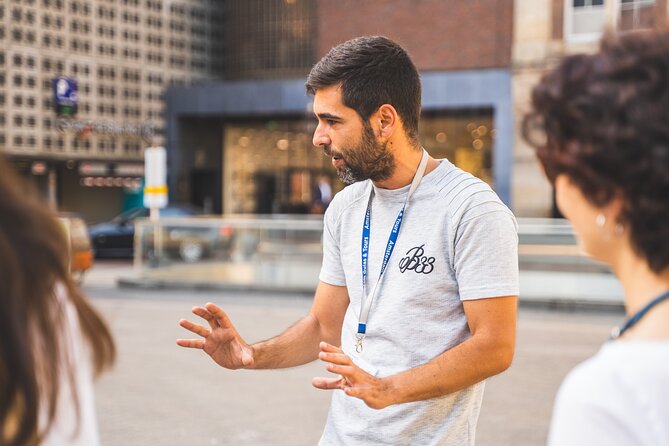
The guide line-up is another reason people rate it highly. I’ve seen examples of guides like Sofia, described as a former architect with strong storytelling on the Porto side, and Susana, described as friendly and upbeat with clear pride in her city. Other examples include Michael, praised for engaging history, and Arturo, praised for expanding explanations on how Porto functions on both sides of the Douro.
Language is also a practical win. The tour is offered in English, and the expert local guide speaks English and Spanish. That usually translates to a smoother experience if someone in your group asks something slightly off-track. The guide can keep things moving without leaving you behind.
A small note for your comfort: the tour includes personalized recommendations on how to enjoy the city like a local. That matters because Porto and Gaia can be overwhelming. A good guide helps you choose what to do next without wasting time guessing.
Price and value for a short Porto-to-Gaia walk
At $36.74 per person for about 2 hours, this isn’t a bargain in the “cheap” sense. But it does look like good value for the mix you get. You’re paying for an expert local guide, a structured route through multiple neighborhoods, and small-group pacing that makes the time feel well used.
You also get two practical inclusions that help the value feel real, not just promotional. First, the walking tour focuses on historic areas rather than random streets. Second, the Douro crossing includes an admission ticket, which reduces the “add cost later” feeling.
What you do not get is just as important. Food and drinks are not included, and hotel pick-up and drop-off are not included. That’s normal for walking tours, but it means you should plan a snack or a light meal around the experience. If you show up hungry, you’ll feel it later.
So, is it worth it? If you want a guided way to connect Porto’s landmarks and Gaia’s port culture in a short time window, the price looks fair. If you’re hoping for an all-in-one tasting that covers drinks for free, you should treat the winery finish as an extra purchase rather than part of the base cost.
Practical tips to make the most of the 2-hour route
This walk is only about 2 hours, so the best way to enjoy it is to travel ready. Wear comfortable shoes with grip, because you’ll be on historic surfaces where the ground can vary. Arrive early enough to settle in at Jardim do Infante Dom Henrique, so you’re not rushing into the group.
Bring a phone with offline maps, but also trust the guide for timing. The meeting point is described as easy to find, and that’s a real benefit. It reduces stress, especially if you’re bouncing between neighborhoods during the afternoon.
Since food and drinks aren’t included, consider eating first. You can still enjoy the port at the end if you want, but you’ll get more satisfaction from it when your stomach is already taken care of.
Finally, keep flexibility in mind about any river-boat element. One account flagged that a promised Duoro boat portion did not happen as advertised, and the group ended up reversing course and walking to Gaia instead. I’d treat any river-boat add-on as conditional, and I’d focus on enjoying the walk itself, not just a specific transport method.
Should you book this Porto and Gaia walk?
Book it if you want a compact, guided connection between Porto and Gaia. This tour is a good fit when you like history explained in plain language, appreciate architecture and religious landmarks, and you’re excited to end near port cellars for a possible tasting.
Skip or at least mentally adjust your expectations if you’re strongly counting on a specific Duoro boat ride as part of the experience. Also be aware that the tasting finish is extra expense, and the final cellar experience may not be what everyone hopes for. If port tastings are a top priority, consider planning your tasting options in Gaia so you can choose what you truly want.
If your goal is a well-guided afternoon stroll with real local context, this one is hard to beat. The combination of small-group pacing, guide storytelling, and a smart walk between the two river sides makes it a practical way to get oriented and leave with a better sense of what Porto and Gaia are all about.
FAQ
How long is the Porto and Gaia walking tour?
The tour lasts about 2 hours.
What time does it start?
It starts at 2:30 pm.
Where do I meet the guide in Porto?
The meeting point is Jardim do Infante Dom Henrique, R. do Infante Dom Henrique, 4050 Porto, Portugal.
Where does the tour end in Gaia?
The tour ends at Largo Joaquim Magalhães 4, 4400-174 Vila Nova de Gaia, Portugal.
What languages is the tour offered in?
The tour is offered in English, and the expert local guide speaks English and Spanish.
How big is the group?
The tour has a maximum of 15 travelers.
Is food or hotel pick-up included?
No. Food and drinks are not included, and hotel pick-up and drop-off are not included.
Is port tasting included at the end?
The experience includes finishing in a winery to sip local port, but it’s described as an extra expense.
Is cancellation free if I change my plans?
Yes, free cancellation is available if you cancel up to 24 hours in advance for a full refund.
More Walking Tours in Porto


More Tours in Porto


More Tour Reviews in Porto

Keep comparing: recently reviewed experiences around Porto








Porto City Walks, compared.
 ★ 5.0Porto Walking Tour, Lello Bookshop, River Cruise and Cable CarFrom $723,354 reviews
 ★ 4.8City Highlights 3-Hour Guided Electric Bike TourFrom $513,092 reviews
 ★ 5.0Experience Porto’s Charm: 3-Hour Guided Walking TourFrom $352,432 reviews
 ★ 4.83-Hour Guided City Highlights Walking TourFrom $342,050 reviews
 ★ 4.4Wine Tasting with Tapas Walking TourFrom $531,541 reviews
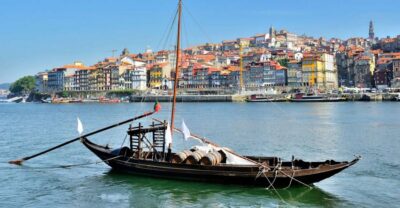 ★ 4.7Historic City Center Walking TourFrom $331,172 reviews
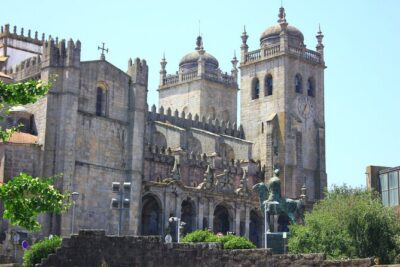 ★ 5.0Porto’s #1 Walking TourFrom $01,026 reviews
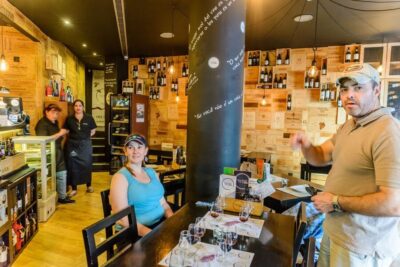 ★ 4.8Delicious Food and Wine Walking TourFrom $87977 reviews
Browse the lists this tour appears in