
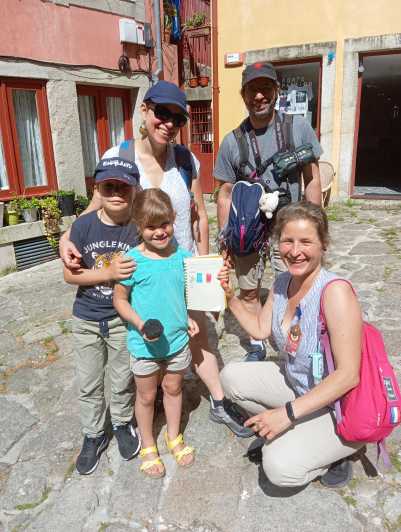
Reviewed · RIBEIRA & OLD TOWN
Porto – Old Town Tour with an official guide
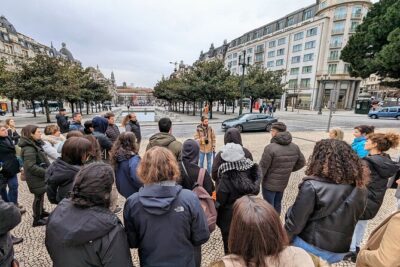
Porto clicks when you walk it. This old town tour is built for people who want the city’s best-known sights, plus the UNESCO streets where locals actually move, with the storytelling of Karen that makes the details stick. I love the mix of iconic stops like São Bento and Sé Cathedral with quieter medieval lanes, and I also like the practical guidance on what to do next in Porto, including where to listen for fado. The one drawback to plan around is that it is not suitable for wheelchair users, and you will want an umbrella because you are out walking for about four hours.
You get an official local guide-interpreter who speaks French, and the route starts right at São Bento on platform n1, where the guide shows a Portuguese flag. At $29 per person, it is solid value for a half-day orientation, especially if you want to understand Porto beyond a checklist and you like getting your bearings fast.
Key things I’d pay attention to
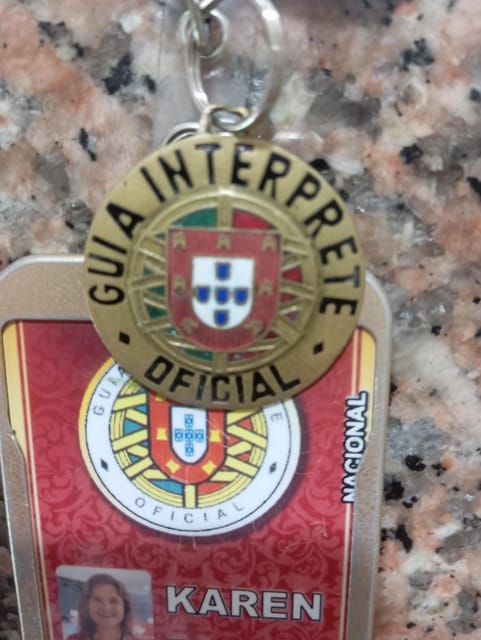
- Official French local guide who interprets and explains as you go
- São Bento Station start that sets the tone immediately
- Sé Cathedral and medieval lanes inside Porto’s UNESCO-listed area
- Vitória and the old Jewish quarter of Victoria for a different layer of the city
- Clérigos Church and Lello Bookstore for two of Porto’s most recognizable landmarks
- A walk through real neighborhoods instead of only monument-to-monument sightseeing
Why this Porto old town tour feels different on your feet
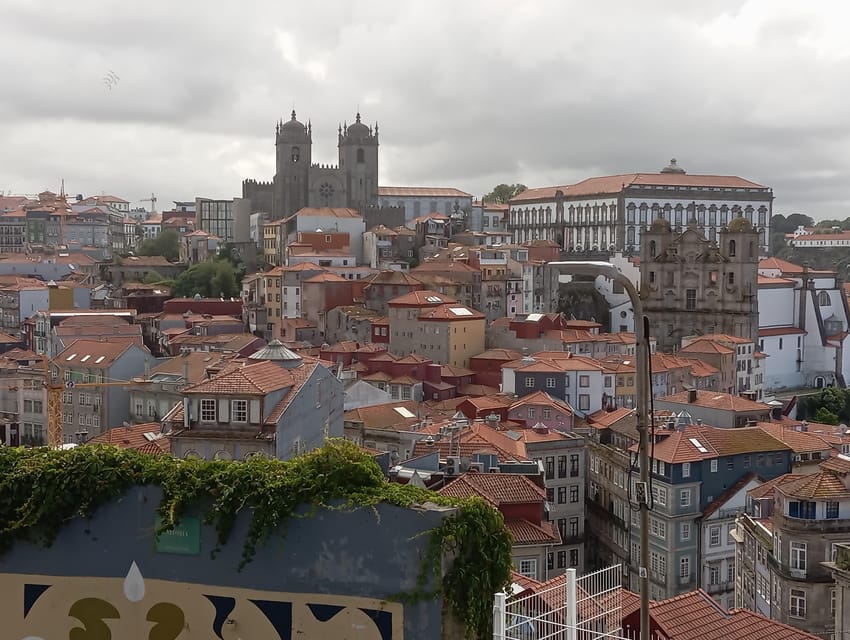
There are plenty of ways to see Porto. This one leans into walking as a tool for understanding the city. You are not just ticking off photos. You are moving through the narrow streets, the colorful facades, and the cobbled texture that gives Porto its character. It is also a route that blends tourist highlights with more everyday settings, so you get contrast: big landmarks, then inhabited lanes where the city keeps going.
What I appreciate in the design is that it is “both and.” You see the monuments people come for, but you also get the feel of the UNESCO-listed area as a living place, with wrought iron balconies, street corners that look like they have been there forever, and the everyday rhythm of locals. That combination tends to make your later self-guided wandering much easier, because you already understand how the neighborhoods connect.
The guide matters too. Karen is described as passionate, animated, and full of anecdotes, and that shows in how the stops are framed. Instead of only naming places, the tour’s explanations help you connect what you see to how the city has changed over time, and what is happening now.
You can also read our reviews of more guided tours in Porto


Starting at São Bento, a perfect way to get oriented
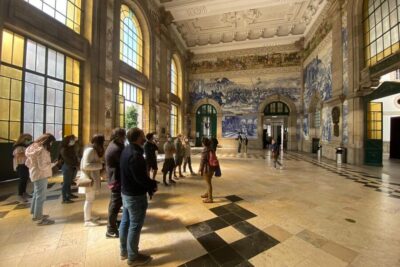
The tour begins at São Bento, meeting on platform n1. Even if you are arriving in Porto by train or bus, starting here is smart. It is central, it is unmistakable, and it quickly puts you into the city’s architecture and energy.
From there, you get a guided visit at São Bento Station itself. Then you start moving, with scenic views along the way as you head toward the historic core. That “station to streets” transition is useful because it stops you from feeling lost right at the beginning. You start with a landmark that anchors your location, then you step into the older, tighter streets where Porto really shows its medieval side.
Practical note: São Bento and the approach streets can mean uneven footing and stairs depending on how you move. Comfortable walking shoes help, and an umbrella is worth packing, since weather can change quickly and you still have to keep walking.
Sé Cathedral and the UNESCO heart, built for real street-level seeing
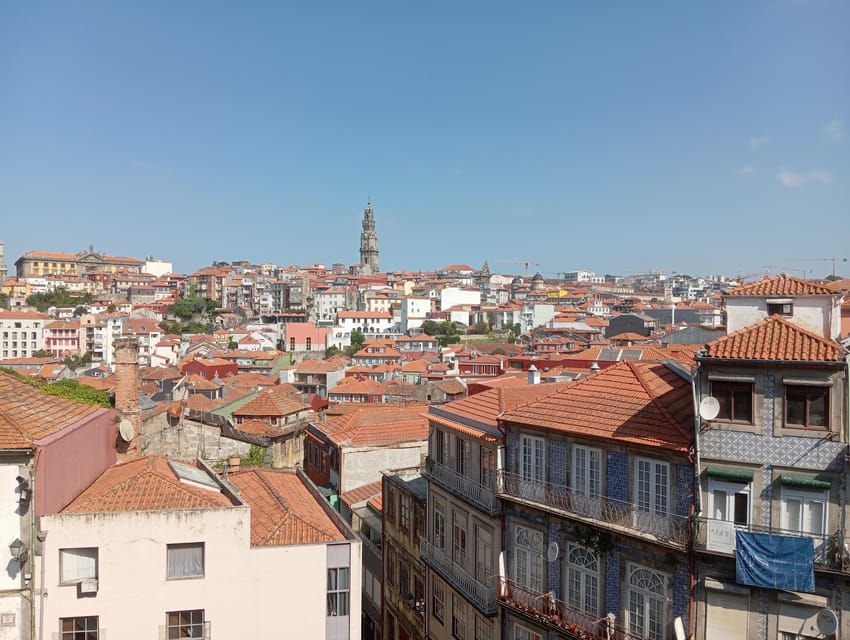
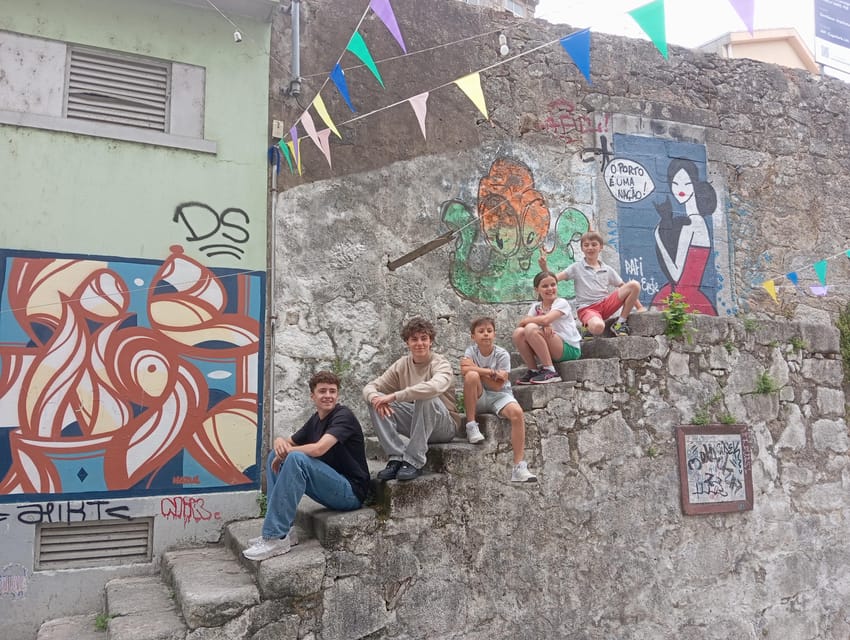
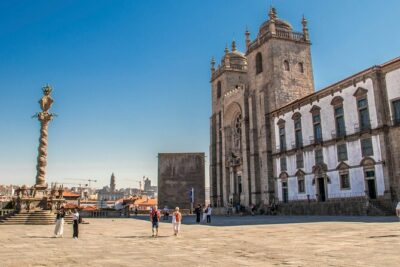
Next comes Sé, Porto’s cathedral area, where the mood shifts from transit landmark to stone-and-street medieval energy. This is the zone where you start seeing why Porto’s UNESCO designation feels earned. The streets are narrow, the lanes fold and bend, and you end up looking at the city from angles that photographs often miss.
Your guide’s job here is not just to point at buildings, but to explain why this area matters and what to notice as you pass: street layout, the feel of the neighborhood, and how the city’s story gets written into the built environment. If you like history, you will appreciate the context. If you just want a vibe, you still benefit because the explanations turn a walk into something you can remember.
One small consideration: cathedral and old-center areas attract crowds at peak times. A guided format helps you move with purpose, but you still might share sidewalks with other visitors. If that is a deal breaker for you, plan for a morning start and bring patience.
Vitória and the old Jewish quarter of Victoria
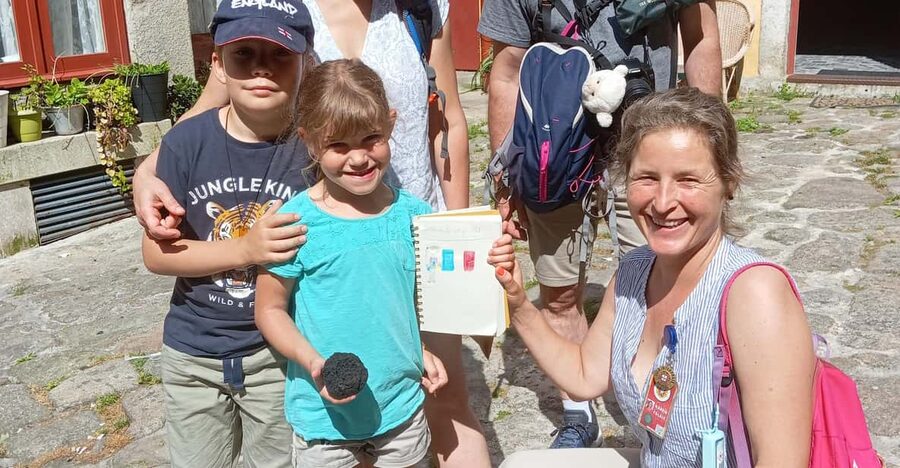
This is where the tour adds depth. Vitória is known for a layered past, and the stop includes the old Jewish quarter of Victoria. The value here is not just the name. It is the chance to see a neighborhood at walking speed and understand that Porto has multiple identities inside its UNESCO perimeter.
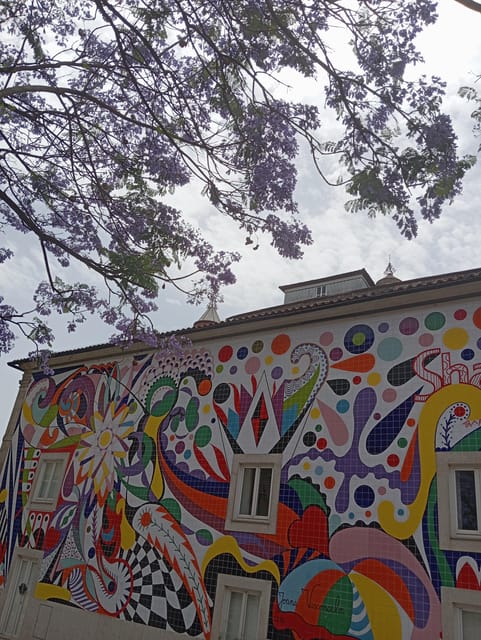
As you move through Vitória, you are surrounded by the kind of street scenes that make Porto feel unmistakably Porto: cobbled ground underfoot, compact street views, and house fronts with colorful facades. You are also in an inhabited part of the city center, so it feels lived-in rather than staged. That matters. When you see streets that are still used, it becomes easier to imagine daily life here, not just tourism life.
If you want to photograph, bring your time. The lanes create natural framing opportunities, especially around small corners and balconies. The tour pacing should give you enough time to look up and around without feeling like you’re always behind your group.
Cordoaria’s Garden and the University of Porto, a breathing space
After the denser medieval sections, you get a breather with Cordoaria’s Garden. This stop changes the texture of the day. Instead of only tight lanes and stone facades, you get more open air and space to reset your feet.
Even though it is still part of the old town experience, adding a garden works. It keeps the tour from feeling like a nonstop sprint through sightseeing. It also gives you a different viewpoint of the area, which can help you understand where the city opens up and where it tightens back into historic streets.
Then you move toward the University of Porto. This isn’t just about checking a campus box. It is a chance to see Porto as more than architecture and viewpoints, with a feeling for how education and daily life operate in the city center. If you tend to get stuck only in tourist zones, this segment helps correct that.



Clérigos Church and the Lello Bookstore stop
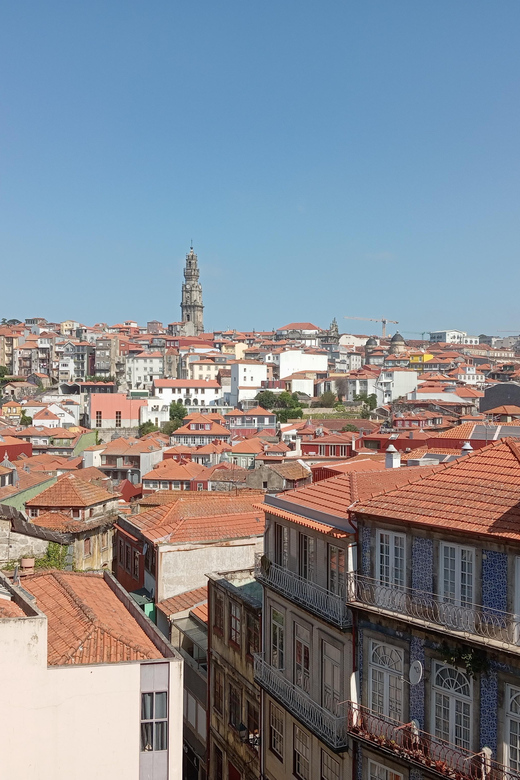
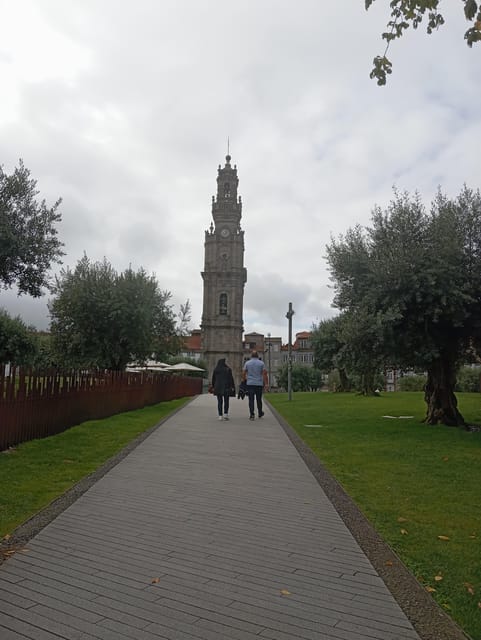
Clérigos Church is one of Porto’s big names for a reason. The tour includes both the church and the Clérigos Tower element, which is usually the kind of landmark you want to understand on the ground before you try to spot it from afar later in the day. Your guide can help you frame it properly, so when you see the tower again in other neighborhoods, you understand how it fits into the city’s layout.
From there, the tour brings you to Livraria Lello & Irmão. This is a stop that many visitors recognize immediately, and it can be tempting to treat it as a photo moment. The guided approach is what makes it feel more like part of Porto rather than a separate attraction. You are not only looking, you are getting orientation, explanations, and the kind of context that makes you appreciate why this place became famous in the first place.
The best advice I can give here is to treat this stop as both a sight and a break. If you want to browse or pick up something small, you can. Just remember that the tour is still a walking half-day, so don’t spend so long here that you feel rushed at the end.
Walking pace, comfort, and weather prep that actually help
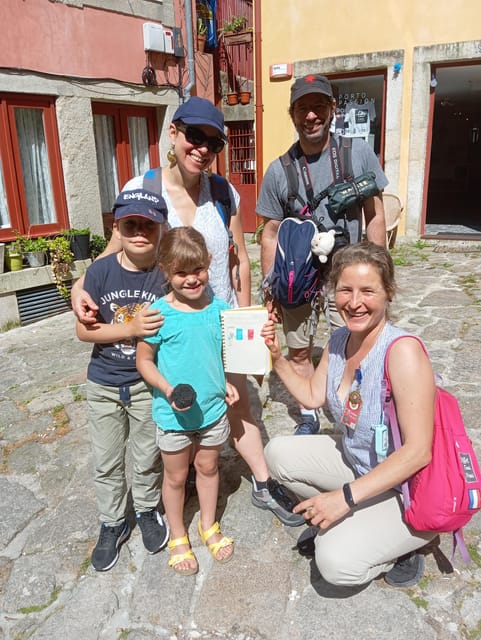
This is a 4-hour walking tour. That means you should plan for steady movement, street steps, and cobblestones. Even if the pace feels manageable, your feet do the real work.
Here is what I recommend based on what the tour is set up to be:
- Bring an umbrella. It is specifically recommended, and you will be outside the whole time.
- Wear shoes you trust on uneven surfaces.
- Expect tight streets and lots of looking up. Balconies, facades, and church angles are part of the experience.
Accessibility is limited. It is not suitable for wheelchair users. If you or anyone in your group needs step-free routes, you will want to choose a different format.
On the family side, the tone is described as tranquil and children are welcome. If you are traveling with kids who can handle a steady walk without constant stops, this can work well as an orientation. Just keep your snack plan in mind, since coffee is not included.
Price and value: why $29 can make sense for a half-day
At $29 per person for a 4-hour guided tour, the value comes from three things you actually feel during the walk.
First, you are paying for an official local guide-interpreter in French. That turns “seeing places” into “understanding places,” especially in a city where layers of neighborhoods matter and streets connect in ways that are hard to decode on your own.
Second, you get a route that blends big sights with lesser-visited streets inside the UNESCO-listed zone. That mix reduces wasted time. Instead of spending your first day bouncing between obvious landmarks and then realizing you still feel lost, you come away with context and a mental map.
Third, the guide also shares practical next-step advice. In particular, the tour is described as including tips for gastronomy and good places for listening to fado, plus recommendations for things to do later. Even if you keep your plans flexible, having a local shortlist can save you time and disappointment.
What is not included is a coffee break. That is normal for a walking tour, but you should plan your own refreshment. If you need a mid-walk stop, bring water and a snack so you do not have to hunt for a place on the fly.
Meeting point details that prevent first-day stress
Meet at São Bento, platform n1. The guide will present a Portuguese flag at the start. That little cue helps you identify the right person quickly, which matters because old-city meeting points can be easy to miss if you are rushed.
If you are prone to being early or late, aim for early. Not because the tour is complicated, but because you will want to settle your group and be ready to move as the walking portion begins.
Should you book this Porto Old Town Tour with an official French guide?
I’d book this if you want a half-day introduction to Porto that goes beyond the usual postcard circuit. The best fit is travelers who:
- Like walking and want to see the UNESCO streets as lived-in space, not just as scenery
- Prefer a guide’s explanations over trying to decode everything alone
- Want practical recommendations, including what to do next for food and where to listen for fado
- Are comfortable with uneven, historic street surfaces and can handle about four hours on foot
I would skip it or look for an alternative if accessibility is a concern, because it is not suitable for wheelchair users. Also, if you hate walking with no guaranteed café stop, you may find the lack of an included break annoying, since you will be out for four hours.
If you meet those conditions, this tour is one of the more sensible ways to orient yourself in Porto. You end with clearer neighborhoods in your head and a better sense of what you want to revisit.
FAQ
How long is the Porto Old Town Tour?
The tour lasts 4 hours.
What language is the official guide?
The live tour guide speaks French.
Where is the meeting point?
Meet at São Bento, platform n1. The guide will present a Portuguese flag.
How much does the tour cost?
The price is $29 per person.
Is coffee included during the tour?
No, a coffee break is not included.
What should I bring?
Bring an umbrella.
Is the tour suitable for wheelchair users?
No, it is not suitable for wheelchair users.
More Guided Tours in Porto



More Tours in Porto



More Tour Reviews in Porto

Keep comparing: recently reviewed experiences around Porto









Ribeira & Old Town, compared.
 ★ 5.0The Unvanquished Tour in Porto City CenterFrom $326,497 reviews
 ★ 4.7Historic City Center Walking TourFrom $331,172 reviews
 ★ 4.8The highest-rated traditional fado concert (downtown)From $191,130 reviews
 ★ 4.8Historical Center Walking TourFrom $41898 reviews
 ★ 4.5Historic Porto by Private Electric Tuk Tuk to Top LandmarksFrom $42735 reviews
 ★ 4.9Tile Painting and Cocktails in Downtown PortoFrom $41484 reviews
 ★ 5.03-Hour Old Town & Riverside Bike Tour – Guided ExperienceFrom $47481 reviews
 ★ 5.0Pastel de Nata | Workshop from scratch | Porto’s city centerFrom $48449 reviews
Browse the lists this tour appears in