
Reviewed · RIBEIRA & OLD TOWN
Porto: Tile Painting and Cocktails in Downtown Porto
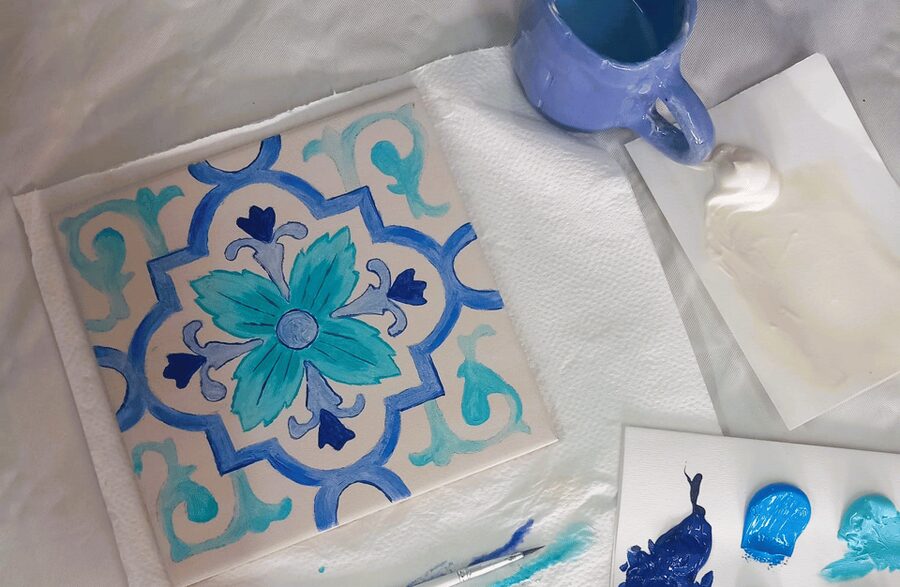
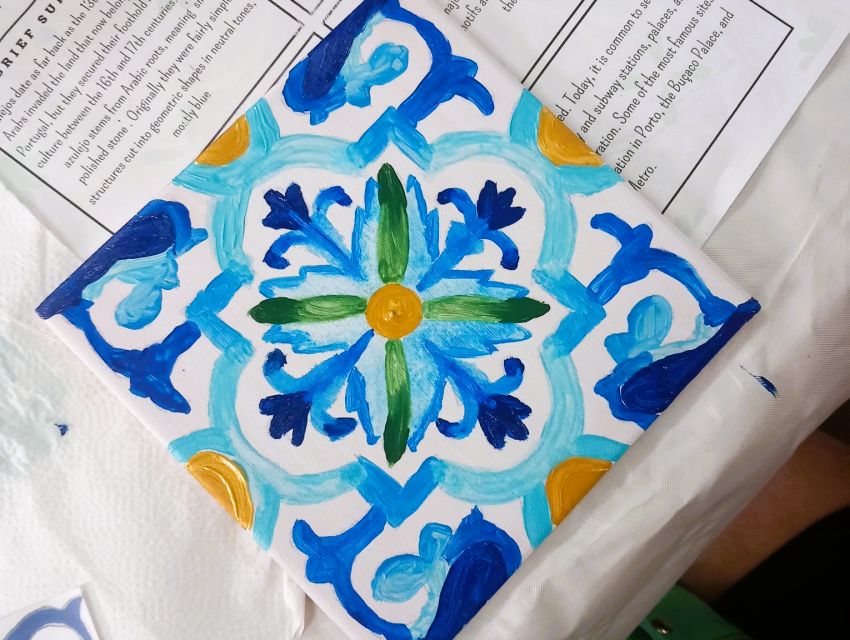
Porto’s tiles, but make it yours. This 2-hour tile painting workshop mixes a short lesson on azulejos with a relaxed, hands-on session where you paint a ceramic tile and enjoy a cocktail. I like the way the history feels practical, not nerdy, and I also like the calm studio pace, with music in the background and a group vibe that stays friendly.
The one thing to think about is time. A few people say they can take the tile home the same afternoon, while others may need to pick it up later if it needs extra drying. If you are very tight on time, plan a little buffer near your class.
Key things to know before you go
- Downtown meeting point by the Cathedral, at Boiler Studio (Rua Chã 77), easy to combine with a walk to São Bento and the river
- Azulejo history in plain language, from 13th-century roots to the 16th and 17th century Portuguese boom
- Guided painting even if you are not an artist, with stencils and patient support
- Cocktails included, with options like Porto Tonic and white port spritz popping up in feedback
- A take-home souvenir with materials included, plus paper packaging
- Studio doubles as a shop, so you can browse handmade items before or after
Why Azulejos Matter Here, and Why You’ll Hear It First
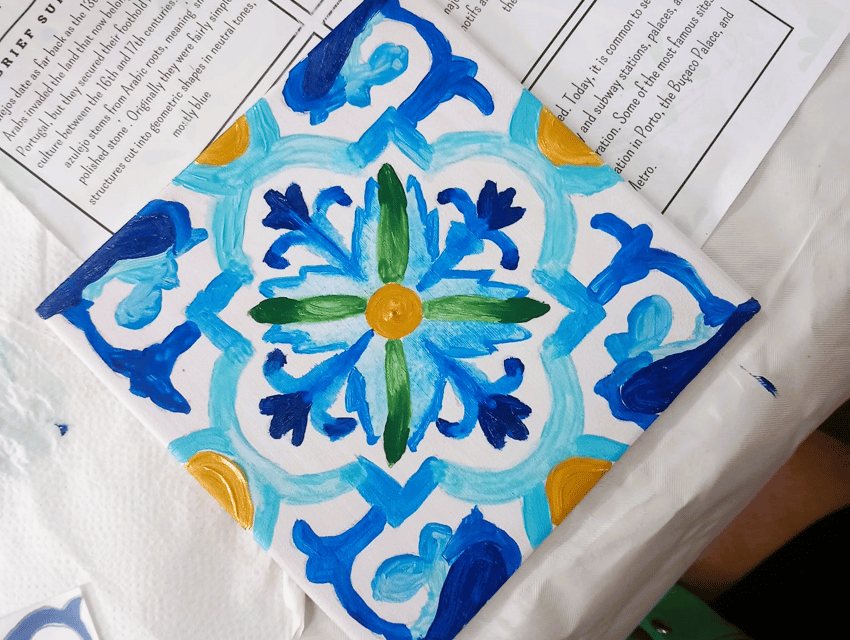
Porto is basically covered in tile stories, even when you are not hunting for them. The workshop starts by getting you oriented to what you are seeing around you. You learn that azulejos date back to the 13th century, and that Portuguese tile culture really locked in between the 16th and 17th centuries, when outside influences shaped local style.
The session also explains the origin of the word azulejo. It comes from Arabic roots, meaning small polished stone. You do not need to be a history buff to enjoy this part because it connects directly to what you see on building fronts: patterns, color choices, and the way Portuguese tiles became part of daily life.
Then the workshop moves through how tile styles evolved through seasons and across cities, so the lesson doesn’t stay stuck in one era. It’s a smart order, because when you start painting, you already understand why certain colors and motifs show up again and again in Porto.
Compare more reviewed experiences around Porto before fixing the rest of your day.



Boiler Studio on Rua Chã 77: A Very Walkable Start
The meeting point is Boiler Studio at Rua Chã 77, right in a classic Porto stretch in front of the Cathedral. That location is a big deal because it keeps your day simple. You can drop in after seeing São Bento Train Station, then keep walking toward the Luis I Bridge area, or come back after Time Out Market.
You’ll also see this place is not just a workshop space. It’s also a shop for handmade products from local artists. That matters for your experience because you can treat this like a mini cultural stop, not only a class where you show up, paint, and leave. If you like browsing craft items, you’ll probably end up spending extra minutes in the shop before you go.
The 2-Hour Flow: History, Group Time, Then Your Tile
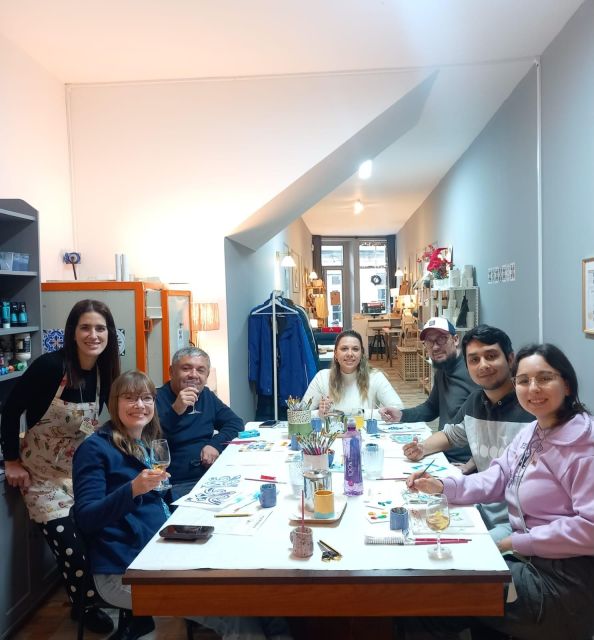
This activity runs for about 2 hours, and the rhythm is intentionally relaxed. The format is built around a short workshop summary with texts about tiles, then group instruction, then time at your station to paint.
Here’s how the experience typically feels, step by step:
First, you get context. You’ll hear about how tiles came to Iberia, how they evolved, and why blue became such a signature color early on. The workshop covers influences, colors, and how tiles are used today, including how motifs tie to places and moods.
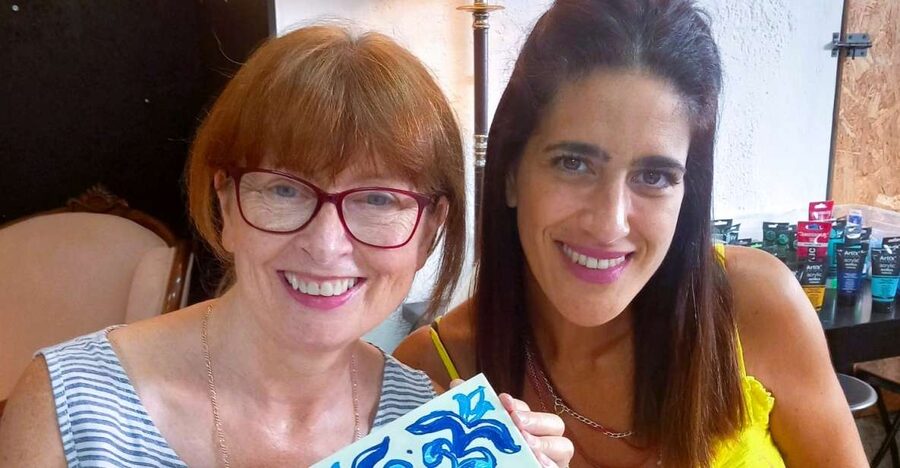
Then you paint with a clear method. You join a group of artisans in the studio environment, which helps beginners feel less intimidated. People repeatedly say they were guided every step, and you do not have to bring any art skill to the table.
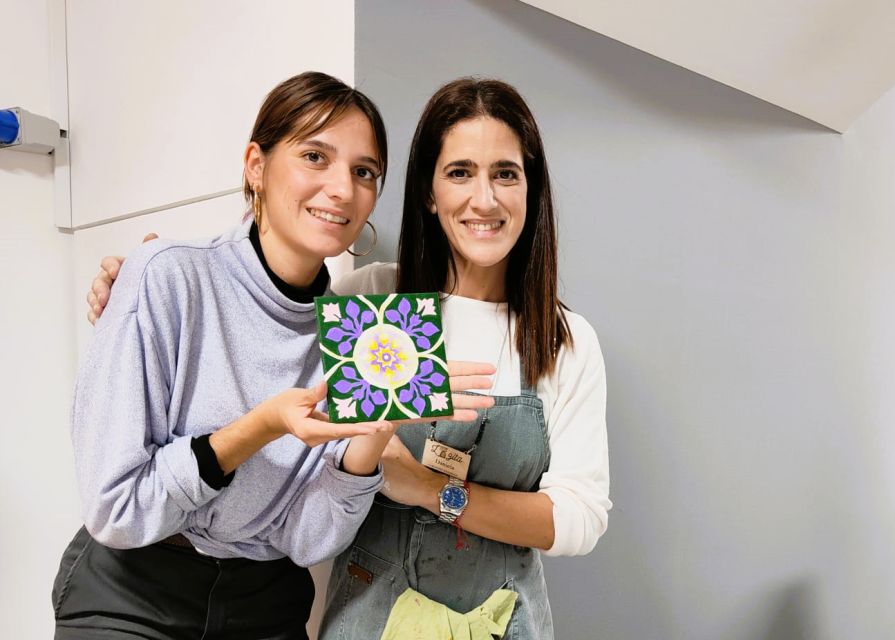
Finally, you finish your tile and take it with you. The included ceramic tile and paper packaging make it easy to treat as a real souvenir. You can walk out with a piece of Porto that you made, not just bought.
One practical note based on the feedback: depending on how much time you take, some sessions finish in a way that lets you pick up the dried tile later the same day. Others may require returning if it needs additional drying time. I’d plan for that possibility if you have plans right after.
Tile Painting the Easy Way: Stencils, Options, and Patient Help
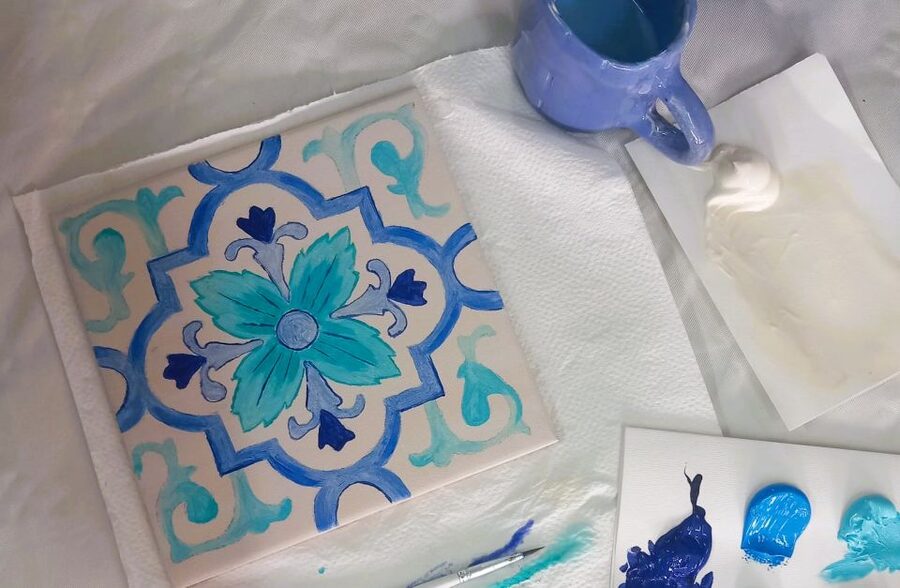
If you are worried you cannot draw, this is where the workshop wins. The painting part is structured so you can succeed even if you are starting from zero.
You are provided with:
- A ceramic tile
- Acrylic paints
- Brushes and the tools you need
- Paper packaging for taking your finished tile away
The most loved detail in the feedback is how hands-on the instruction is. Hosts like Danielle (and also Daniella), plus Emmanuel and Diogo show up in reviews as the kind of people who explain what to do, then help you do it without taking over your work.
What you can paint
You will usually choose a design, paint it, and make it yours. Reviews mention options such as:
- Picking from premade designs and tracing or using stencils
- Creating your own design choices
- In some cases, having a photo printed for you to use as inspiration
If you have a specific image in mind, ask early. In a class like this, the earlier you mention your idea, the easier it is for the instructor to help you translate it into a paintable tile plan.




How it feels when you are painting
The vibe is not pressured. It’s the opposite of those chaotic craft workshops where you feel like you are falling behind. People describe it as calming and relaxing, including on rainy afternoons. That matters because tile painting is more satisfying when you can slow down and get the details right.
Cocktails Included: Porto Tonic Energy, Calming Studio Pace
The workshop includes one cocktail. If you care about flavor, this is a fun bonus rather than an afterthought.
Reviews mention:
- Porto Tonic (a clear crowd favorite)
- A white port wine and tonic spritzer
The key is that the cocktail fits the mood. You’re not drinking in a nightclub setting. You’re drinking in a studio where the music stays calm and the pace stays unhurried. That combination is why this tends to land as a highlight for people who feel a bit fried from sightseeing.
This is also a good social setup. You end up painting near other people, sharing small moments of success, and chatting without it turning into an awkward icebreaker session.
Your Take-Home Tile: Packaging and Timing Tips That Save Stress
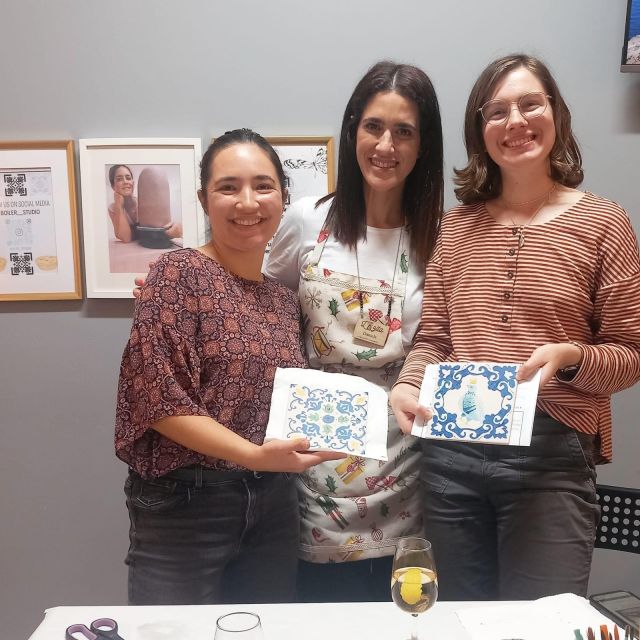
The included ceramic tile and paper packaging are there for a reason: you walk out with a real souvenir you made. Many reviews say the tile is ready right away, and others mention coming back to pick it up later if additional time is needed for drying.
Here are the practical ways to handle this:
- If you want to avoid any uncertainty, don’t schedule a tight appointment right after class. Give yourself a window to settle any pick-up timing.
- If you end up finishing earlier, ask the host what the expected pick-up timeline is for your tile.
- Keep the paper packaging with you. It’s part of the reason this is easy to transport.
Also, remember the workshop includes texts about tile history. That means your tile is not just pretty, it’s connected to an explanation you heard right before you painted. That connection is what turns the souvenir into something more personal.
Price and Value: Is $41 Worth It in Porto?
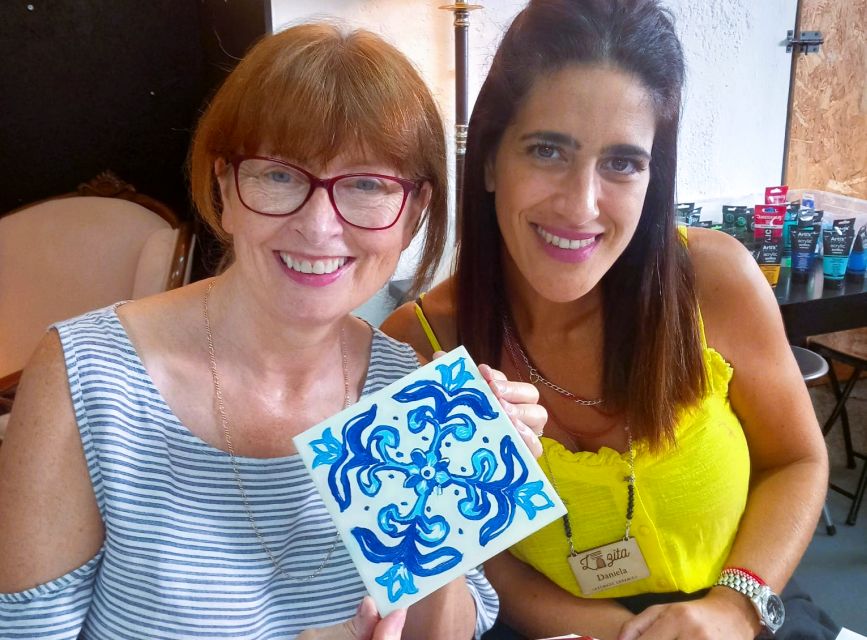
At about $41 per person for a 2-hour workshop, this is priced like a true experience, not a cheap craft deal. The value is strongest if you price it like this:
You’re paying for:
- Instruction and guided painting time
- A short educational component about azulejos
- The ceramic tile and acrylic paint supplies
- Paper packaging for your finished tile
- One cocktail
When you add all of that up, the class becomes good value because you are not buying materials yourself, and you are not paying for a generic “craft station” where you figure it out alone. The repeated feedback about patient guidance also suggests you are buying time with someone who helps you get a result you feel good about.
It’s also a smart use of vacation time. Two hours gives you a break from Porto’s walking and museum hopping, while still giving you something you can only do in Porto.
Who Should Book This Workshop, and Who Might Not Love It
This is a great fit if you want:
- A hands-on Porto experience beyond photos
- A relaxed indoor break, especially on rainy days
- A souvenir that feels personal because you painted it
- A little cultural context you can actually remember
It is also a good pick for people who think they are not artsy. Multiple reviews highlight that beginners feel guided through the process.
It is not suitable for children under 10, so if you are traveling with younger kids, you’ll need another activity option.
One more practical fit check: if you hate group activities or you need complete silence and privacy, this may feel more social than you want. But if you can handle a friendly group environment, it tends to feel easygoing rather than awkward.
Quick Info You’ll Care About Day-Of
- Languages: English and Portuguese, with instruction during the workshop
- Accessibility: Wheelchair accessible
- Location: Boiler Studio, Rua Chã 77, in front of the Cathedral area
- Instructor style: Reviews repeatedly mention patient, attentive guidance and help when needed
- Rules: Smoking is not allowed, and the workshop also prohibits fireworks and explosive substances
Should You Book This Tile Painting Workshop in Downtown Porto?
I think you should book it if you want a calm, creative break that still feels culturally grounded. The best part is the balance: you get the why behind azulejos, then you paint the what with enough guidance that you can produce something you’ll actually want to display.
I’d especially book this if:
- You’re the type who loves learning through making, not just reading
- You want a Porto souvenir that is harder to replicate than a postcard
- You like structured but relaxed experiences, with a drink included
Skip it if you’re chasing a long, deep museum-style experience, or if your schedule is too tight to risk a possible tile drying and later pick-up situation. For everyone else, it’s one of the most satisfying ways to slow down, look at Porto tiles differently, and leave with something real.
FAQ
What is the duration of the Porto tile painting and cocktails workshop?
The workshop lasts 2 hours.
How much does it cost per person?
The price is $41 per person.
What’s included in the workshop price?
The package includes a workshop summary with texts about the tile, a ceramic tile, acrylic paints, paper packaging, a cocktail, and all materials needed for the activity.
Where is the meeting point?
You’ll meet at Boiler Studio on Rua Chã 77, a typical street in front of the Cathedral in downtown Porto.
What languages are the instructors able to teach in?
The instructor offers instruction in English and Portuguese.
Is this activity suitable for children?
It is not suitable for children under 10.
Can I use a stencil or do I need to come up with my own design?
You can paint your own tile, and you will be provided with support during the process. People also describe choosing from premade designs or stencils, with help available.
Is the studio wheelchair accessible?
Yes, the activity is listed as wheelchair accessible.
More Tour Reviews in Porto

Keep comparing: recently reviewed experiences around Porto










Ribeira & Old Town, compared.
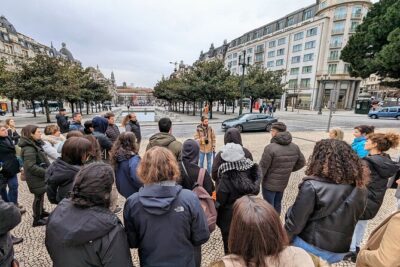 ★ 5.0The Unvanquished Tour in Porto City CenterFrom $326,497 reviews
 ★ 4.7Historic City Center Walking TourFrom $331,172 reviews
 ★ 4.8The highest-rated traditional fado concert (downtown)From $191,130 reviews
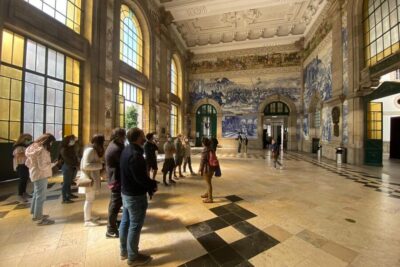 ★ 4.8Historical Center Walking TourFrom $41898 reviews
 ★ 4.5Historic Porto by Private Electric Tuk Tuk to Top LandmarksFrom $42735 reviews
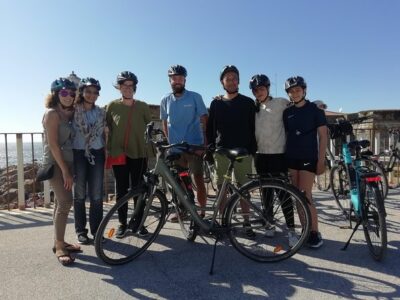 ★ 5.03-Hour Old Town & Riverside Bike Tour – Guided ExperienceFrom $47481 reviews
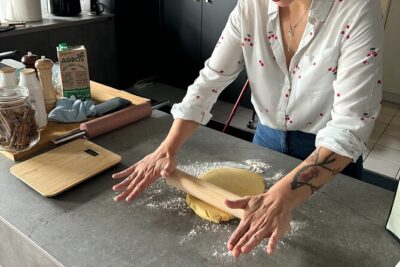 ★ 5.0Pastel de Nata | Workshop from scratch | Porto’s city centerFrom $48449 reviews
 ★ 4.5Porto Guided Tour to the Historical Center on a Tuk TukFrom $42418 reviews
Browse the lists this tour appears in