
Reviewed · PASTRY & COOKING WORKSHOPS
Porto: Cooking Class with Local Market Visit
Porto tastes better when you buy it yourself. This cooking class with local market time sends you to the shops with Nuno Miguel Ferreira Silva, then back to his place to build a full Portuguese menu from scratch. I especially like the market-guided ingredient hunt and the way you learn the food and the stories behind it. One consideration, it is not suitable for wheelchair users, and the whole experience is active, hands-on cooking.
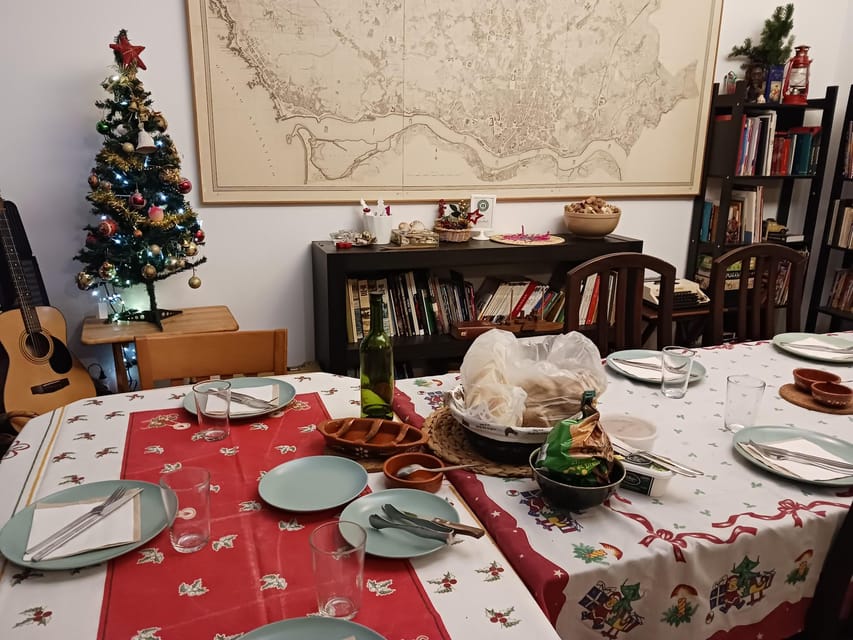
You do not come here to watch someone else plate dinner. You shop, you prep, you cook, and then you sit down with the meal you made and a wine pairing. You can also work around most dietary needs if you tell the host in advance, and the class is kept small, limited to 8 people.
If you want a quiet, sit-down restaurant evening, this might feel like a lot in 3.5 hours. But if you want real Portuguese food habits, the kind you can copy at home, this format is hard to beat.
Key things I think you will love about this Porto food class
- Local market choices: you pick ingredients with the guide, not from a pre-packed list.
- From-scratch everything: no frozen shortcuts, no pre-prepared ingredients.
- Food meets culture: you connect dishes to Portuguese history and influences.
- Hands-on cooking: you help make the full menu, then you eat it at the table.
- Portuguese desserts and seafood: Pastel de Nata and sardines show up in past menus.
- Wine pairing plus olive oil lessons: you taste and learn alongside the cooking.
Market-first Porto cooking with Nuno in a small group
The best part of this class is the order of operations. You start by shopping like a local, then cooking becomes the logical next step. In a small group limited to 8, you get time to ask questions without feeling rushed.
Nuno Miguel Ferreira Silva leads the class in Portuguese and English, so you are not stuck translating in your head. In addition to the food, he brings in practical cultural context, including talk about architecture and Portuguese tile work, which makes the evening feel bigger than just dinner.
It helps that the approach is hands-on and ingredient-focused. You are not handed a menu with vague instructions. You are taught why certain ingredients matter in Portuguese cooking, then you apply it on your cutting board.
You can also read our reviews of more shopping tours in Porto

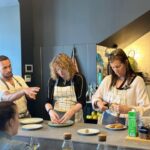
From the host’s home to markets, bakeries, and an organic garden
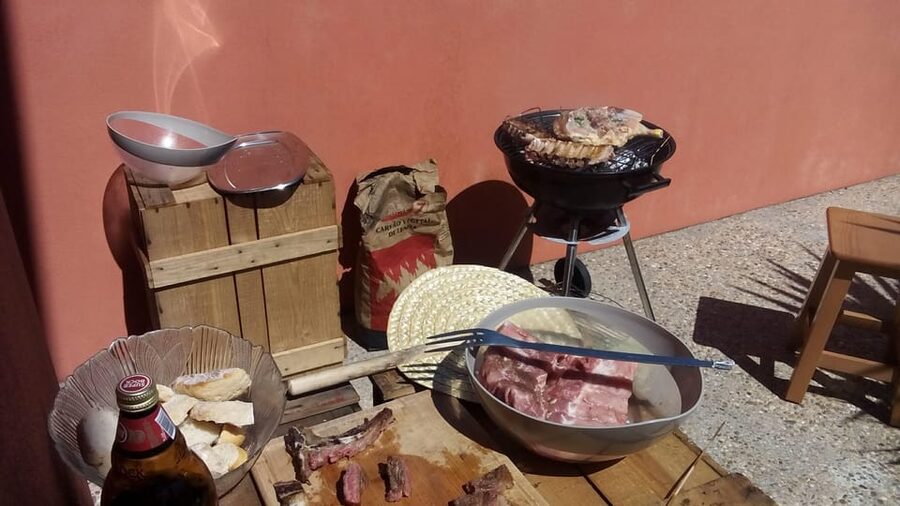
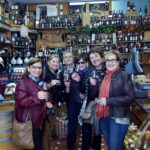
You meet at the host’s home, then head out together to the places that make Porto food feel real. Depending on the day, that can mean a local grocery shop, a bakery, a street butcher, or an organic garden visit. The point is simple: fresh ingredients change the whole texture and flavor of what ends up on your plate.
This is also where you get a taste of the neighborhood rhythm. You see how locals buy what they need, not what tourists order. You learn how a Portuguese meal is built, starting from ingredients that are easy to overlook if you only shop supermarkets.
The organic garden option matters more than it sounds. Even if you are not a garden person, you get to connect herbs, produce, and seasonal thinking to the cooking you do later. That connection is what makes the class stick in your memory, because you can trace the flavor back to its source.
Cooking a full menu from scratch, with Portuguese traditions explained
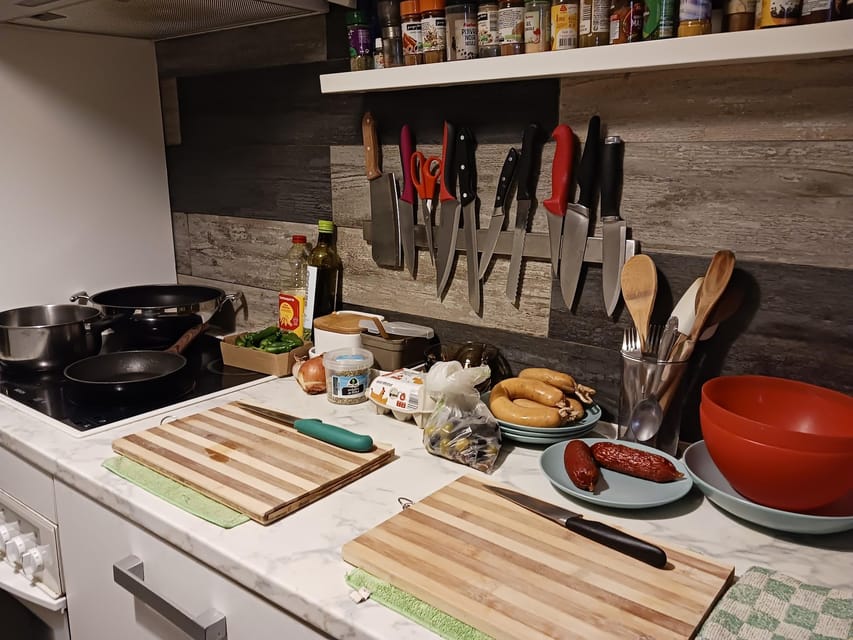
Instead of cooking one dish, you build a whole menu. The class is designed around Portuguese specialties made from scratch, meaning you should expect real prep work. That also means the food you eat is not generic comfort food. It is Portuguese cooking with the influences and traditions explained while you cook.
Portuguese cuisine is shaped by historical contact across continents. You will hear how Portuguese food absorbed different influences over time, including Asian trade routes and connections to parts of Africa and South America. You might also hear about Jewish alheira, a dish with a specific cultural background, which helps you understand why Portuguese cuisine has variety even when it looks simple.
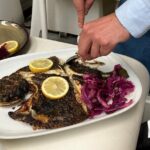
In past versions of the menu, the guide has taught things like Pastel de Nata and shown off how sardines are handled at their best. If you like seafood, that matters, because Portugal treats fish and shellfish as everyday food, not a special occasion ingredient.
You will also cook alongside the guide rather than after the fact. The instruction style is practical, with tips you can repeat later. When a class respects ingredients and time, your results tend to be better, and your confidence tends to rise.
How market shopping changes your meal (and how you can copy it)
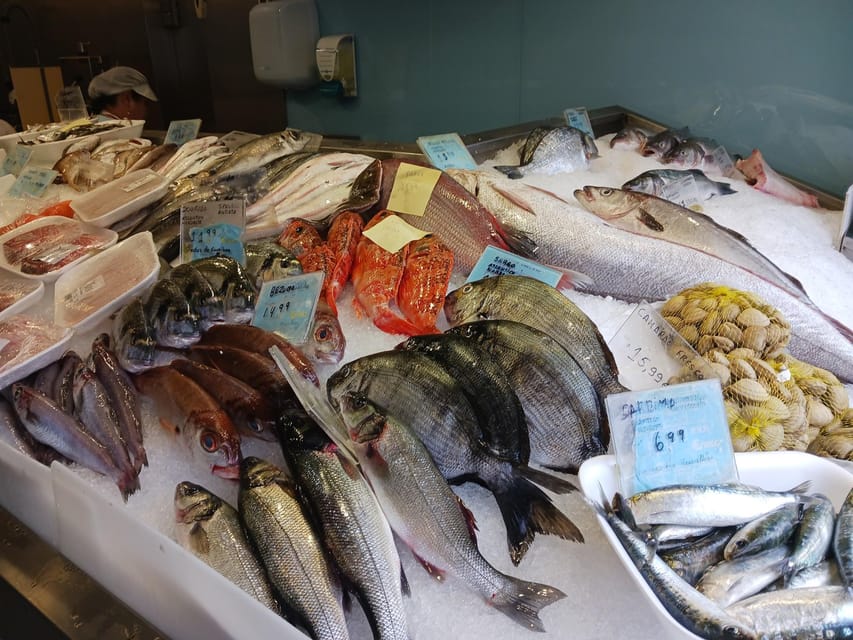
The market visit is not just a fun walk. It is part of the learning. When you buy ingredients with the guide, you stop thinking of Portuguese food as a fixed set of recipes and start thinking of it as choices.
You learn what to look for in fresh products, and you understand why those choices affect taste. That is how this class becomes useful after your trip. You get a mental checklist for shopping, not just a stack of written recipes.
You also learn to treat bread, cheese, meats, and seafood as components of a bigger meal. Portuguese cooking often plays with contrasts, like a rich element balanced by freshness or a hearty base paired with something bright. When you pick ingredients yourself, you start to see these patterns instead of memorizing steps.
One more small but important benefit: you get to ask questions while the ingredients are still in your hands. Trying to learn cooking tips in a kitchen with sealed jars and prepped ingredients feels different. Here, the decisions happen at the source.
Wine pairing and olive oil lessons that actually match the food
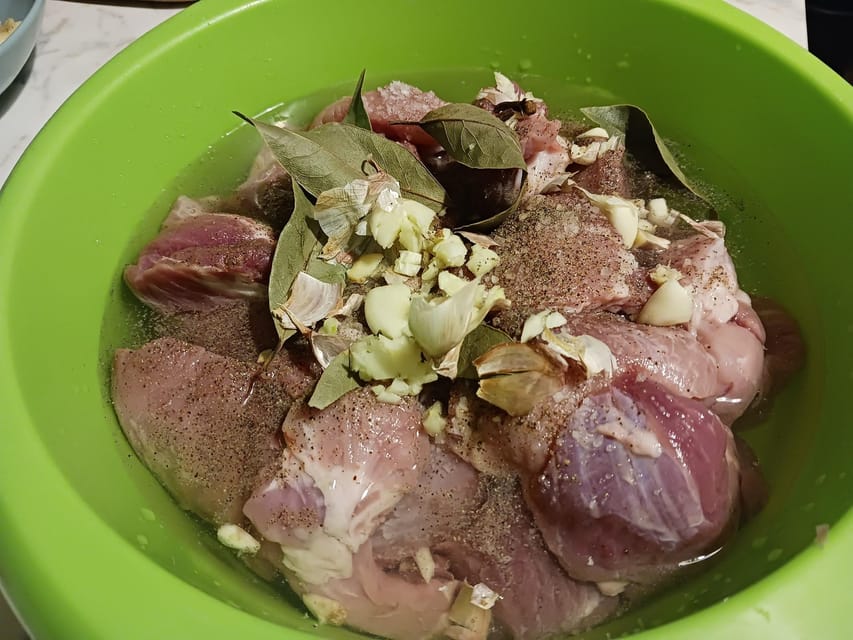
This is not a class where wine is only there for atmosphere. Wine pairing is included, and it fits what you are cooking. You also taste and learn alongside the meal, so the wine is part of understanding flavors, not just a separate activity.
Olive oil also gets real attention. The guide has shared an olive oil lesson in prior sessions, which is exactly the kind of detail that makes Portuguese food feel practical. Olive oil is everywhere in Portuguese cooking, but it is not always treated as something you can learn to choose or use thoughtfully.
If you enjoy port, you may like this class’s tasting approach. In one past experience, the guide paired the evening with wines and port and used olive oil as part of the flavor education. Even if every menu day differs, the structure is consistent: taste, then cook, then eat.
Just keep in mind the activity rules mention alcohol and drugs as not allowed. At the same time, wine pairing is included. That usually means you follow the host’s plan for what is served in the class and do not bring your own.
More Porto river cruises, city walks, and northern Portugal day trips to compare

Handling dietary needs without turning the meal into a compromise
You should be able to adapt to most diets, but the key is communication. The class asks you to inform the host of dietary restrictions in advance. That is not just polite, it is how they protect the from-scratch promise.
This matters because the class is built around preparing everything from scratch and avoiding pre-prepared items. If you have allergies or a special diet, the guide has to adjust ingredients and technique. That is a skill, and it is where a small group format helps, since you can get specific attention.
One past participant noted that the guide worked around allergy needs with a gracious, capable approach. That gives you a good signal that the class is used to handling real-world food constraints, not just basic vegetarian swaps.
If you have severe allergies, do not assume a generic note will be enough. Send clear details when you book, and be ready to describe what you cannot eat.
Pace, group size, and what 3.5 hours really feels like
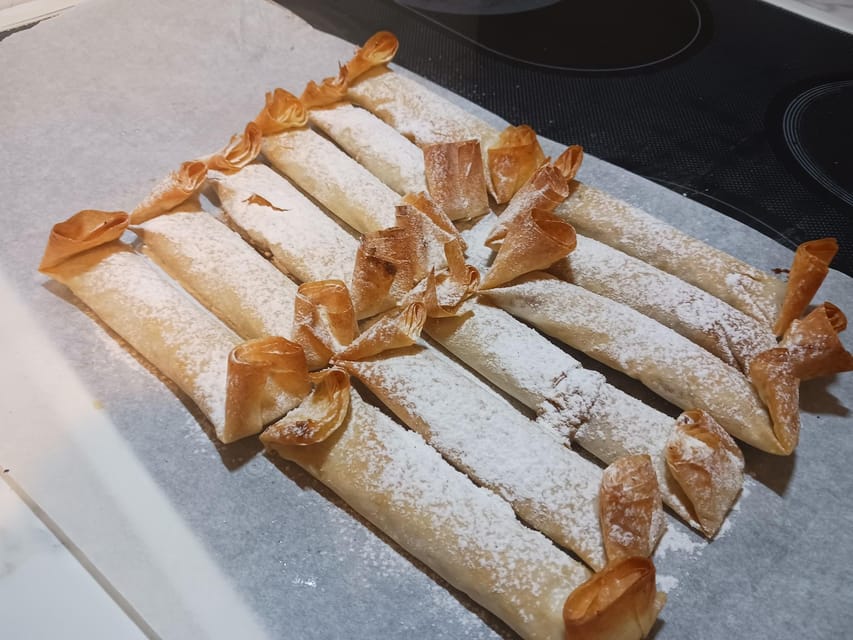
Duration is 3.5 hours, and the time is actively filled. You shop, you prep, you cook, you learn, and then you sit down to eat your meal. That is a lot of movement and decision-making for one afternoon or evening, so plan your day around it.
The group is limited to 8 participants. That is the sweet spot for this kind of class. You get enough interaction with the guide, but the kitchen stays calm enough for everyone to cook and ask questions.
Language is Portuguese and English. If you prefer English, you will likely have a smoother experience, but even basic Portuguese phrases would help you feel more at home while you shop.
Transportation to and from the meeting point is not included. So choose your base and timing to make the start and end easy for you. The meeting point is the host’s home, not a central plaza, so think about how you will get there without stress.
Price and value at about $106 per person
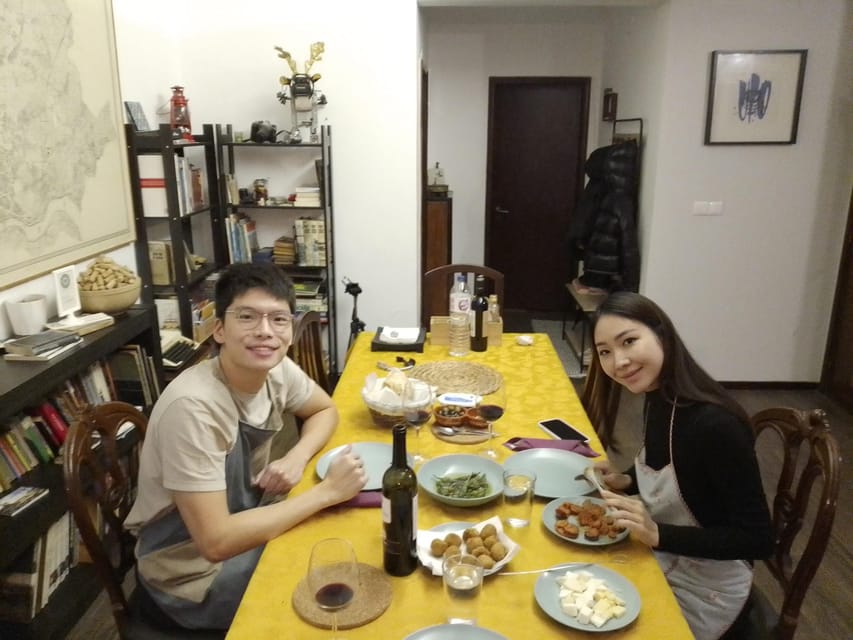
At $106 per person for 3.5 hours, you are paying for more than a meal. You are paying for ingredient sourcing, cooking instruction, a market or garden stop, and wine pairing, all in a small group.
Here is how I look at the value. If you had to buy your own ingredients, pay for a kitchen class guide, and then add on wine and tastings, the total would usually creep higher. This pricing bundles those pieces into one experience, and it also includes the real ingredient work, not just a cooking demo.
You also get the non-tangible value of learning why Portuguese food works. You are not only taught recipes. You learn traditions, influences, and how ingredients connect to culture. That makes the class feel like a skill, not a one-night performance.
The class is also built around the no shortcuts rule, meaning no frozen or pre-prepared components. For many people, that is the difference between a cooking class that feels like entertainment and one that feels like true practice.
If you are a confident cook already, you might wonder how much new technique you will gain. But even experienced cooks often appreciate market education and the structured way Portuguese dishes are built from scratch.
Who this Porto class suits best (and who should skip it)
This class is a strong fit if you want a hands-on Portuguese food night instead of another restaurant meal. You will probably enjoy it most if you like seafood, pastries, and learning how everyday Portuguese ingredients are chosen and used.
It is also ideal if you want cultural context mixed into cooking. The guide’s explanations, including history and even architecture or Portuguese tiles, turn the evening into a real slice of life in Porto.
Skip this if you cannot handle the active format. It is not suitable for wheelchair users, and it is not designed as a slow, seated experience. Also, if you dislike wine pairings, you should know wine is included as part of the activity.
Should you book this Porto cooking class with local market shopping?
I think this is an easy yes if you care about food that tastes like where it comes from. The market-first design, from-scratch approach, and full menu cooking make it more than a tasting. You leave with a meal and a repeatable way of shopping and thinking about Portuguese cooking.
Book it if you want the small-group attention that keeps the evening personal. And book it if you have dietary needs, because the host asks for restrictions in advance and has experience working around allergies.
I would hesitate only if you need a fully accessible, low-movement format, or if you prefer restaurant-style meals where someone else does all the work. For most people chasing authentic food in Porto, this is a smart use of time.
FAQ
How long is the Porto cooking class?
The experience lasts 3.5 hours.
How big is the group?
It is a small group limited to 8 participants.
What does the price include?
The price includes a local grocery shop visit, an organic garden visit, the cooking class, meal preparation, and wine pairing.
What is not included in the price?
Transportation to and from the meeting point is not included. Pre-prepared ingredients and frozen products are also not part of the experience.
Where do you meet?
You meet at the host’s home, then go together to the local shops such as a grocery store, bakery, street butcher, and sometimes the organic garden.
Can you adapt the cooking class for dietary restrictions?
Adaptations to most diets are possible, and you should inform the instructor of any dietary restrictions in advance.
Are pets allowed?
No, pets are not allowed.
Is this class suitable for wheelchair users?
No, it is not suitable for wheelchair users.
Is wine included?
Yes. Wine pairing is included as part of the meal.
Can you cancel for a refund?
Yes, you can cancel up to 24 hours in advance for a full refund.
More Markets in Porto
More Shopping Tours in Porto
More Tour Reviews in Porto





Keep comparing: recently reviewed experiences around Porto












Pastry & Cooking Workshops, compared.
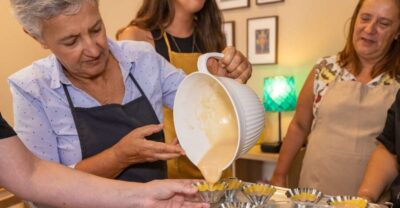 ★ 5.0Pastel de Nata Cooking Class with Grandma’s RecipeFrom $331,565 reviews
 ★ 4.9Pastel de Nata Pastry-Making WorkshopFrom $411,542 reviews
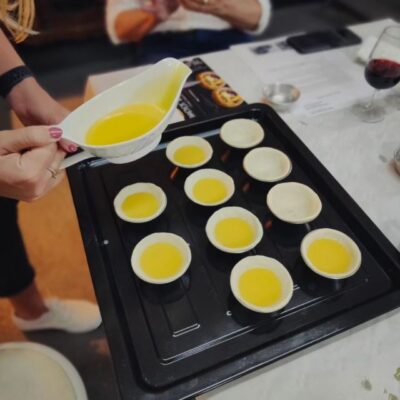 ★ 4.8Pastel de Nata Cooking Class with Port Wine – SéFrom $41888 reviews
 ★ 4.9Workshops Pasteis de Nata in Porto, PortugalFrom $40520 reviews
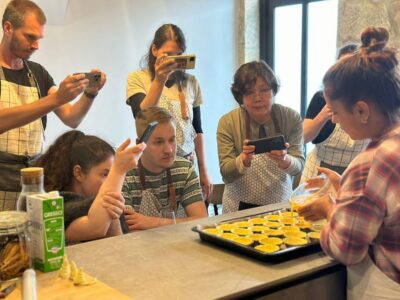 ★ 4.9Pastel de Nata Cooking Class from ScratchFrom $50468 reviews
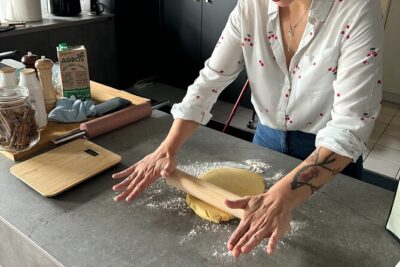 ★ 5.0Pastel de Nata | Workshop from scratch | Porto’s city centerFrom $48449 reviews
 ★ 5.0Pastel de Nata Cooking Class with Porto Wine (Sé do Porto)From $42340 reviews
 ★ 5.0Porto Local Market Visit & Cooking Class / Showcooking206 reviews
Browse the lists this tour appears in