
Reviewed · IMMERSIVE SHOWS & INDOOR ATTRACTIONS
Porto: Acrylic and Oil Painting Class with a Local Artist
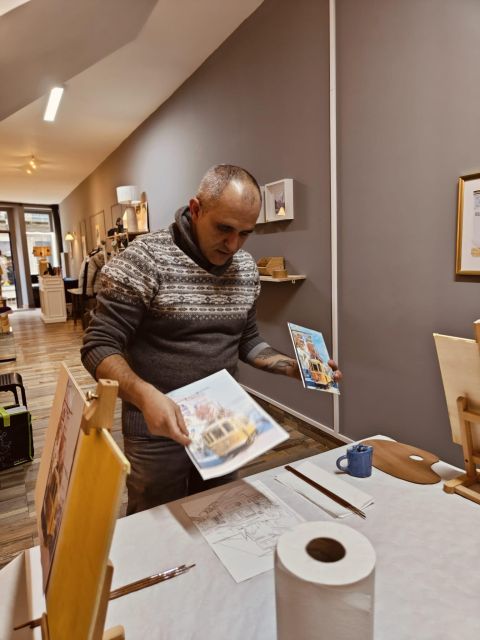
A studio class in Porto beats museum staring. You get hands-on coaching for acrylic and oil painting, led by local artist Emanuel Ribeiro, in a small group that keeps things personal. The focus is practical: brushes, color value, mixing, and setting up your easel so you can actually make progress, not just watch paint happen.
I especially like that you learn how to use brushes correctly and how to think about color, including value and mixing. I also like the mix of know-how and supplies, since all painting materials and accessories are included, plus easel usage and guidance from a graduate teacher.
One consideration: this is a short 2.5 hour session. You can learn fundamentals and leave with a solid start, but you should not expect a fully finished, highly detailed masterpiece.
Key Points You’ll Care About
- Small group of up to 5 keeps the teaching practical and easy to ask questions in real time.
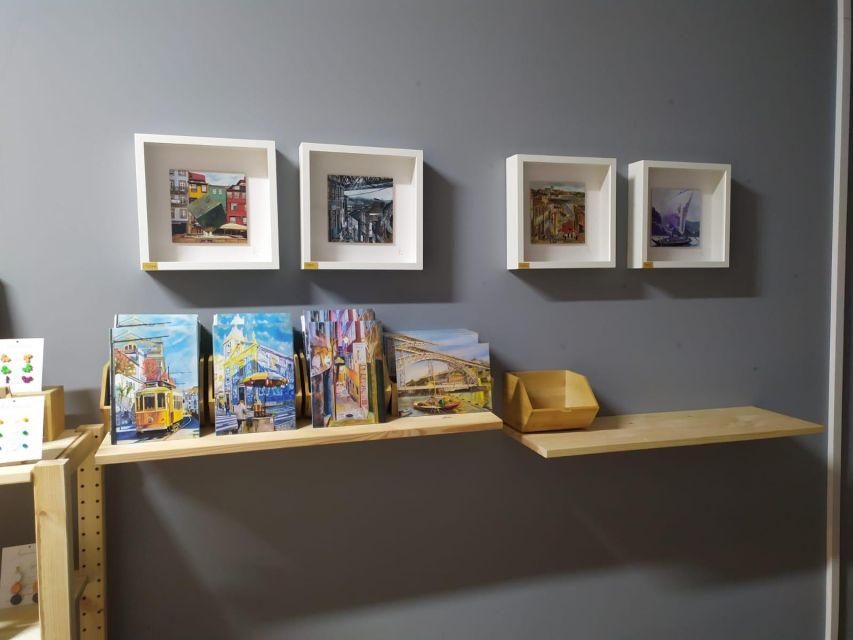
- A real local artist, Emanuel Ribeiro, with an urban Porto focus, brings a lived-in city perspective to the lesson.
- Color-mixing and quantity guidance helps you repeat results later, not just during class.
- Easel setup plus surface prep means you learn how to set yourself up for success from the first brushstroke.
- All materials and accessories are included, so you can show up and paint without hunting gear.
- Cocktails add a relaxed, social vibe that makes the time feel lighter.
Porto’s Urban-Scene Studio: How This Class Stays Local
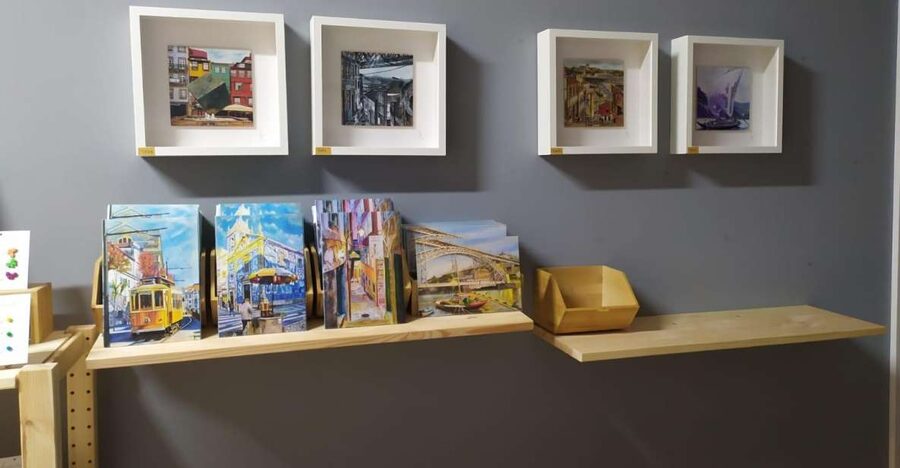
This class anchors itself in Porto, not theory. You’ll meet near S. Bento Train Station, then move into the teaching space linked to Boiler Studio, a working place where local artists produce work and teach in the same kind of daily rhythm you see on the streets.
What makes this feel local is the instructor’s angle. Emanuel Ribeiro paints the city as he sees it, shaped by Porto light and everyday life. That matters because painting is not just about pigment and technique. It is also about noticing: edges, shadows, tonal shifts, and the little visual cues that turn a plain scene into something you would recognize as Porto.
The setting also helps. This is not a giant classroom where you sit far back and hope. It’s a studio atmosphere where you can feel that artists work there every day, which keeps expectations realistic. You are there to practice.
More Porto river cruises, city walks, and northern Portugal day trips to compare



Emanuel Ribeiro’s Step-by-Step Guidance (and the Chat That Helps)
Emanuel Ribeiro teaches with a clear, step-by-step approach that works well if you’re new to painting. The class is designed for people who may have never held an oil brush before, and you’ll get guided instruction rather than vague encouragement.
A major plus is the conversational component. From the way Emanuel is described, he likes to talk about art and life while he teaches. That sounds soft, but it has a real impact: when you understand why a technique matters, it sticks. If a brush move feels confusing, you get explanation, not just a correction.
Language support is also practical. The instructor teaches in English, Portuguese, and Spanish, so you should be able to follow the technique without playing guessing games.
And because the class is limited to just 5 participants, you don’t spend the whole time waiting for attention. You get more chances to ask, and you’re more likely to get personalized feedback on what you’re doing.
Acrylic and Oil Painting Basics: Brushes, Color Value, and Real Confidence
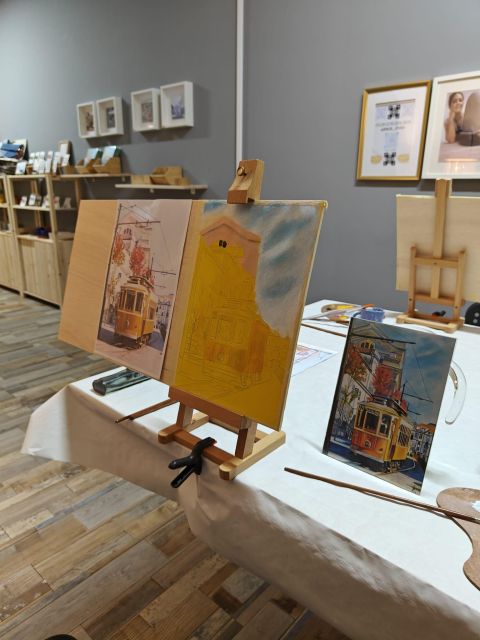
The core of the class is fundamentals for both acrylic and oil painting. You’ll learn fundamental techniques using easels, with guidance from a graduate teacher, and you’ll build skills in the order that actually helps beginners.
Using brushes the right way
You’ll focus on how to hold and use brushes, not just which paint to pick up. This is where beginners often go off track. If you press too hard, drag the bristles, or use the wrong pressure for the look you want, your surface and color behavior will feel unpredictable. Learning brush control early gives you consistency fast.
Understanding the value of color
This is one of those lessons that sounds abstract until someone makes it concrete. You’ll get help understanding the value of color, basically how lightness and darkness create shape. Even if your palette is limited, value is what helps a painting feel dimensional.
If you are used to black-and-white drawing, this part usually clicks quickly. The skill is similar: you still think in tones, not just colors.






Mixing colors and learning the quantities you need
Mixing is the difference between random paint blobs and paint you can repeat. The class covers how to mix colors and also how to think about quantities. That last part is underrated. If you only learn how to mix once, you can still struggle when you need more of the same color later.
You’ll be taught to build a workable process: mix, test, adjust, and keep enough paint so you can finish the same area without starting over from scratch.
Easel Setup and Professional Materials: The Unsexy Part That Makes Your Work Better
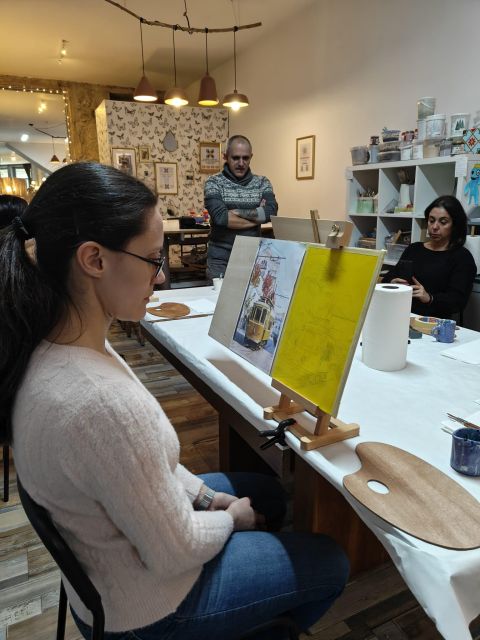
For many first-timers, easels feel like intimidation. The class handles that directly. You’ll learn how to use an easel, and you’ll be introduced to the various materials and accessories used in professional painting.
That matters because painting is half technique and half setup. If your canvas or board is too low, your angle changes. Your arm posture changes too. Then your brush marks change. In a 2.5 hour class, you want those variables handled quickly.
Surfaces and surface preparation
You’ll also cover preparing surfaces for painting and how to set yourself up for success. Surface prep is one of the reasons paintings behave differently depending on the support and the paint type. Learning this in a guided setting means you won’t waste time wondering why a paint layer looks wrong.
Accessories and practical workflow
You’ll learn how to use accessories, which helps you move through painting efficiently. Beginners often get stuck because they do not know what tools they are supposed to use for specific tasks, like planning edges, managing texture, or keeping paint workable.
In short, this class teaches you the workflow. That is what helps you actually finish, even with limited time.
Painting the Feel of Porto: Light, Daily Life, and Depth
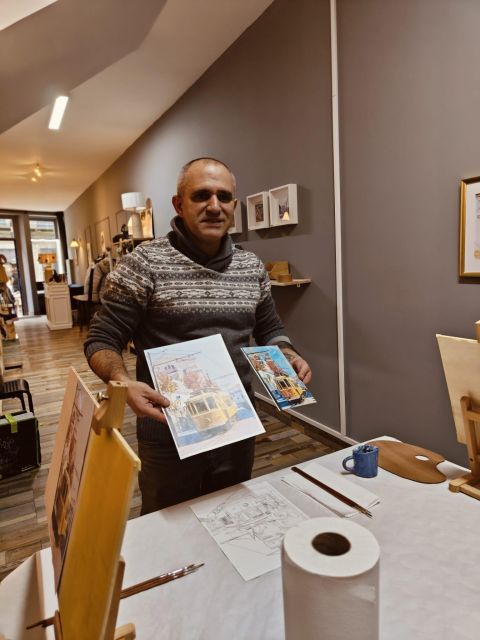
Your instruction is connected to Porto specifically. Emanuel’s work focuses on the urban feel of the city, and you’ll be influenced by the light of Porto and day-to-day life of locals as you paint.
This matters because Porto has a particular kind of light and texture, and a teacher who paints locally can guide you to notice things you might miss on your own. You’re not just copying shapes. You’re trying to translate the way the city looks when the sun hits surfaces and when people move through streets.
The class also aims for depth. In the way it’s described, you’ll learn how to build a painting with depth through the fundamentals you’re practicing: brush handling, color value, and better control of mixed tones. Depth is not magic. It is mostly value and careful layering choices, and you’ll get the building blocks for that.
Because the group is small and the teaching is hands-on, you’re not stuck waiting for a long demo. You can practice while the teacher corrects your choices.
Timing, Group Size, and What 2.5 Hours Really Allows
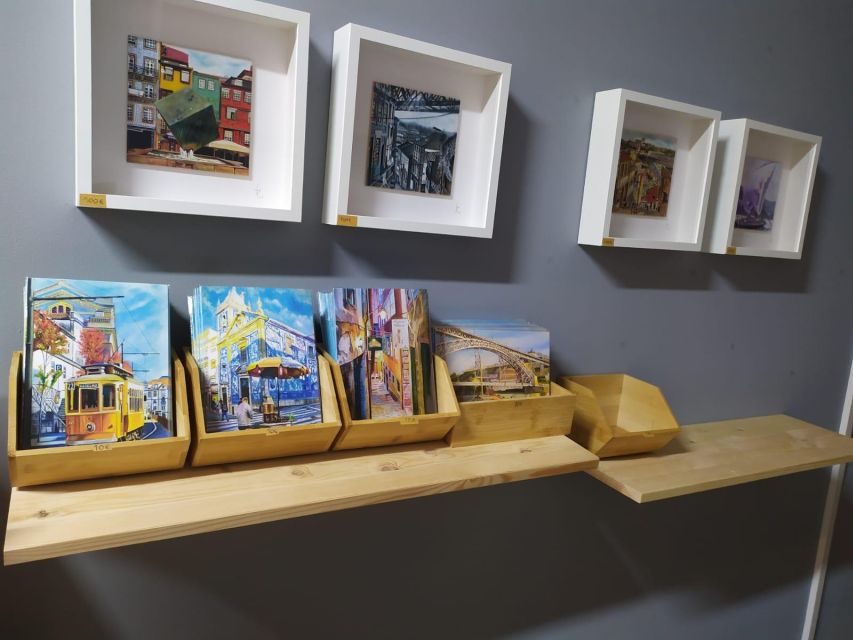
The session runs about 2.5 hours, which is enough time to:
- learn the core acrylic and oil techniques being taught,
- practice brush control and color mixing,
- understand easel use and surface prep,
- and make meaningful progress on a city-inspired painting.
What it does not guarantee is a hyper-detailed final piece. Think of this as fundamentals plus a working sample you can build on later. If you want a slow, multi-session project, you might look for a longer course afterward. If you want a strong start and a real understanding of how painting works, this is a good length.
Small group size is a big deal here. When there are only up to 5 participants, you can actually get help as you paint, instead of just receiving general tips.
The $53 Price: What Makes It Good Value
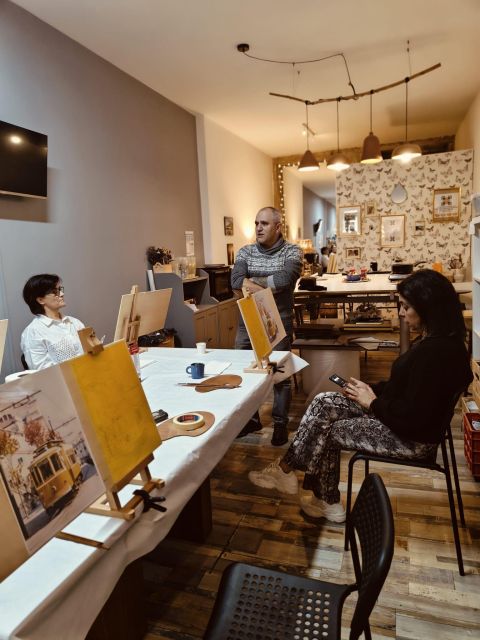
At $53 per person, this is priced like an entry-level art workshop, and what makes it feel fair is the package.
You are not just paying for the teacher’s time. You also get:
- painting materials and accessories,
- guidance from a graduate teacher,
- easel usage,
- and cocktails.
For many people, the hidden cost in a painting class is supplies. Here, supplies are part of the deal, which lowers the friction. You can show up, paint, learn, and leave with experience rather than a shopping list.
Also, the small group setup supports the teaching style. A lower group ratio usually means more direct instruction, and that helps beginners avoid repeated mistakes.
Who This Porto Painting Class Fits Best
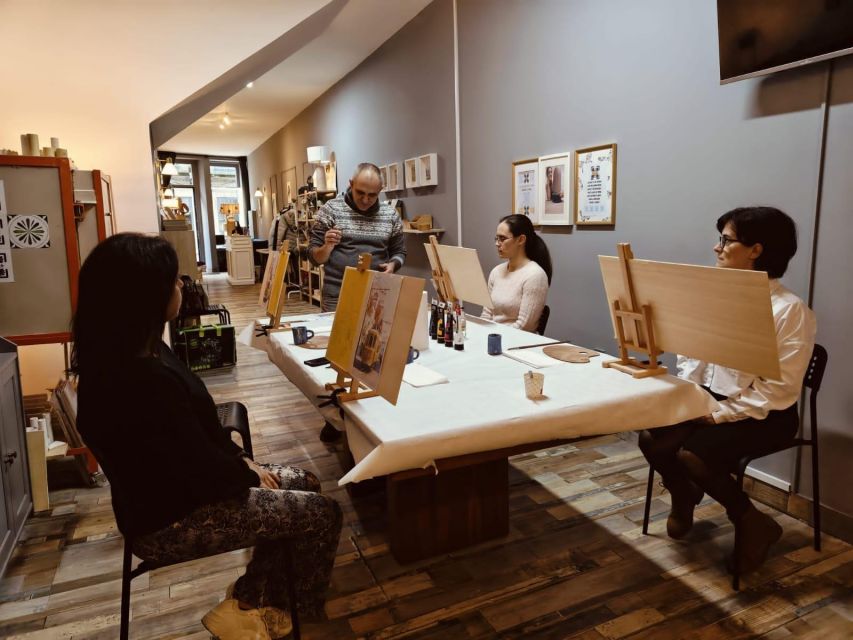
This class fits best if you want a practical art experience tied to a living city.
You’ll likely enjoy it if:
- you are a complete beginner or mostly self-taught,
- you want to understand color mixing and value, not just apply paint,
- you like learning from an artist who paints Porto daily,
- you want a social, relaxed activity with a small group.
It’s also described as wheelchair accessible, which is a useful detail for planning.
Age-wise, it is not suitable for children under 10, and babies under 1 are not suitable. A child who is at least 10 can do well with this kind of hands-on attention, but it’s still a focused class, not a drop-in craft session.
If you’re an advanced painter looking for specialized techniques, you might still learn something about basic workflow and value thinking, but this is clearly designed to teach fundamentals in a single session.
Should You Book This Acrylic and Oil Painting Class in Porto?
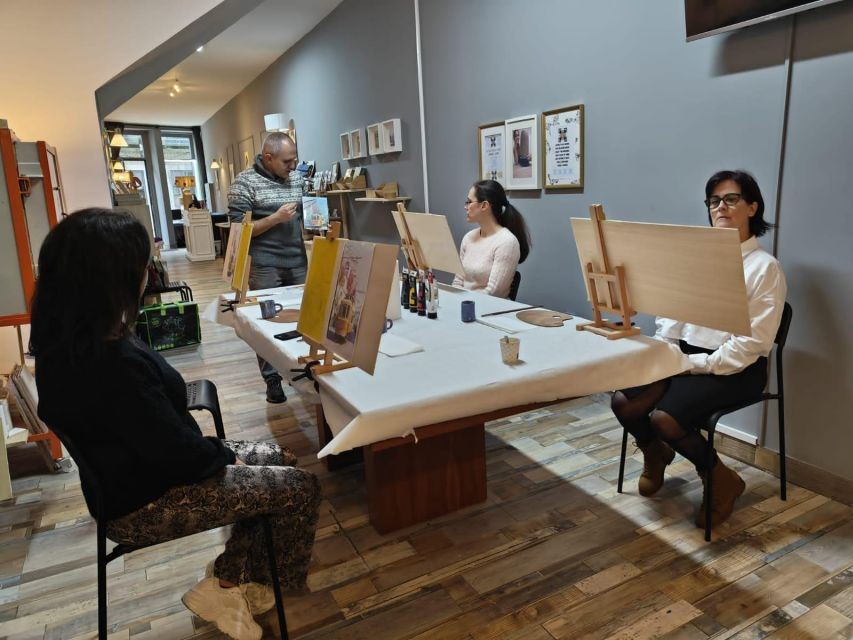
I think you should book it if you want a real skill-building class with a local artist, and you do not want to waste time on guesswork. You’re getting structured instruction for brush technique, color value, and color mixing with practical quantity guidance, plus the important support stuff like easel use and surface preparation. That combination is what makes the class more than a casual souvenir activity.
Book it sooner rather than later if you like the idea of a small group capped at 5, because that limit also shapes the quality of help you’ll receive while you paint.
If you’re mainly looking for a passive cultural activity, or if you expect a long, detailed art course, this may feel short. But if you want hands-on fundamentals you can actually use back home, this class is a strong bet in Porto.
FAQ
Where is the meeting point for the class?
You meet on a street near S. Bento Train Station.
How long is the painting class?
The duration is 2.5 hours.
What’s included in the price?
All painting materials and accessories are included, along with guidance from the teacher, easel usage, and cocktails.
Who teaches the class, and what languages are offered?
The instructor is Emanuel Ribeiro. The class is taught in English, Portuguese, and Spanish.
Is this class a small group?
Yes. The group is limited to 5 participants.
Is it wheelchair accessible?
Yes, this activity is wheelchair accessible.
What ages is it suitable for?
It is not suitable for children under 10 years old or babies under 1 year old.
More Workshops & Classes in Porto



More Tour Reviews in Porto



Keep comparing: recently reviewed experiences around Porto












Immersive Shows & Indoor Attractions, compared.
 ★ 4.9Tile-Painting Workshop with Porto Wine – BainhariaFrom $45526 reviews
 ★ 4.9Tile Painting and Cocktails in Downtown PortoFrom $41484 reviews
 ★ 4.5Spiritus Porto: Videomapping Immersive Show at Clerigos ChurchFrom $12223 reviews
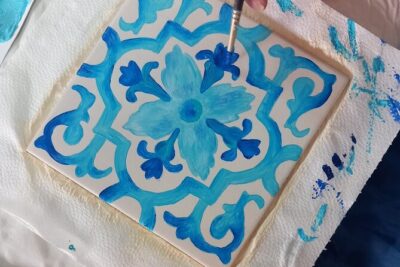 ★ 5.0Tile Painting and Cocktails in Downtown PortoFrom $42187 reviews
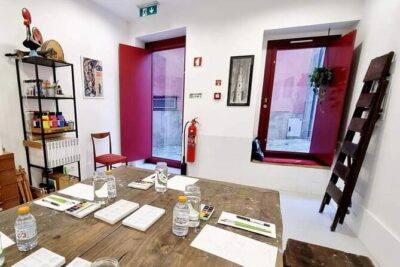 ★ 5.0Create Watercolour With Hugo do Lago in PortoFrom $42164 reviews
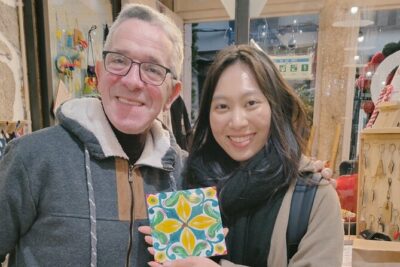 ★ 5.0Tile Painting Workshop with Porto Wine (Sé do Porto)From $42102 reviews
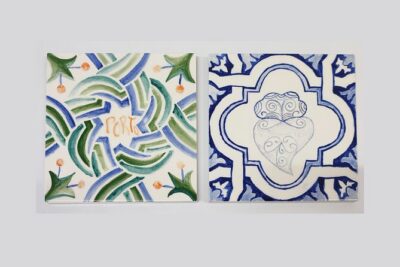 ★ 5.0Porto Tile Painting Workshop in artist studioFrom $4083 reviews
 ★ 4.9Tile Painting Workshop with Tea and Port WineFrom $5366 reviews
Browse the lists this tour appears in