
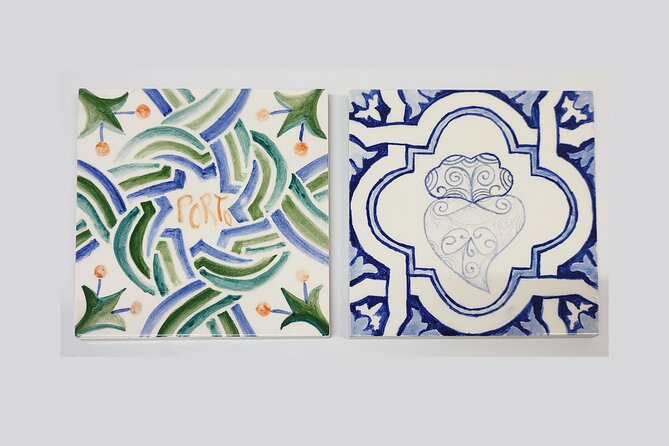
Reviewed · IMMERSIVE SHOWS & INDOOR ATTRACTIONS
Porto Tile Painting Workshop in artist studio
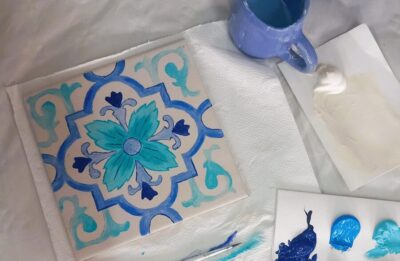
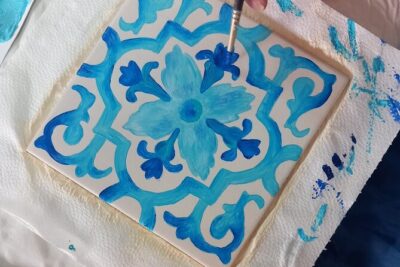
Porto tiles, now you paint them. In a small artist-led studio, you choose between kiln-fired Azulejo glazing (more traditional, fired in a ceramic kiln) or quick acrylic painting (finished and ready to take home fast). What I like most is the way the workshop mixes creativity with real craft steps, plus the chance to learn the tile look of Portugal while you make a souvenir that does not look like a mass-produced shop tile. The only real heads-up is timing: the traditional option means you will come back after firing, or you will need to plan on shipping.
You also get a beginner-friendly path into the craft, thanks to stencils you can trace and paint over, and the session runs about two hours in English. With a maximum group size of 15, you are not stuck in a loud class. One consideration before you go: if you care a lot about receiving shipped tiles quickly, keep an eye on pickup or tracking options, since shipping can be affected by postal rules.
Key points before you go
- Two ways to finish your tile: kiln-fired glaze or fast acrylic with a protective varnish.
- Stencil help for beginners: choose from 10 traditional designs and trace the outlines.
- Learn the Porto tile styles while you work: history and techniques are explained during the session.
- Small group format: up to 15 people means more hands-on guidance.
- Pickup timing for traditional tiles: about five business days after the workshop.
- Shipping is possible, not always instant: Europe is priced lower than USA, and tracking is included.
Where you start in Porto: the Cedofeita studio meeting point
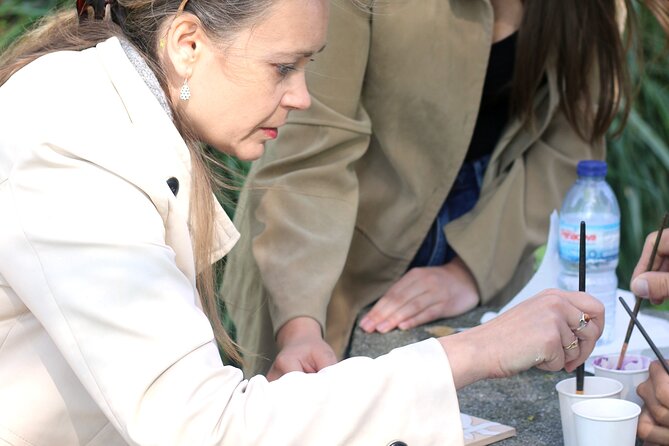
The workshop meets at OKNAR. da Igreja de Cedofeita 27, 4050-181 Porto. This location matters because tile studios tend to be a bit away from the busiest streets, so give yourself a little buffer to get there without rushing. The good news is that it is near public transportation, so you can rely on transit instead of a private taxi.
You get a mobile ticket, and confirmation is sent within 48 hours of booking, based on availability. That matters if you are trying to lock in a creative afternoon around other Porto plans. Also, since the group maximum is 15, it does not feel like a conveyor belt workshop.
When you arrive, expect the studio vibe. Several people highlighted that they got to see the artist’s own work first, which helps you understand what a finished Azulejo tile should look like. It also gets your brain in the right gear, because Portuguese tiles have rules for color, shape, and patterning, even when you are making something personal.
More Porto river cruises, city walks, and northern Portugal day trips to compare



Your main choice: kiln-fired Azulejo vs instant acrylic
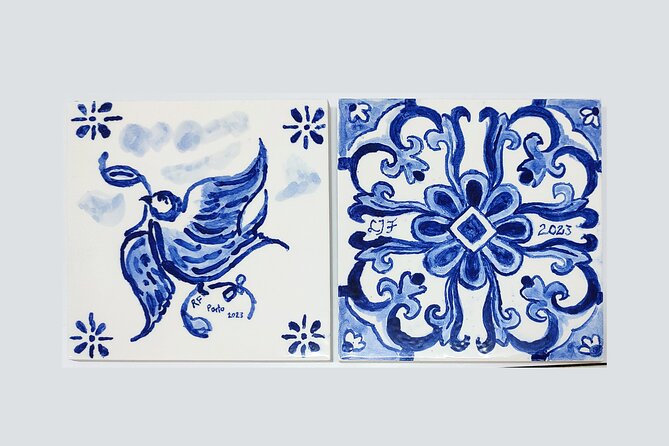
This workshop gives you two different outcomes, and the best choice depends on your schedule.
Option 1: Traditional Azulejo glazing, fired in a kiln
If you want the more classic route, you paint using the traditional Azulejo glazing method. Your tile is fired in a ceramic kiln after the workshop. You can pick up your finished tile after five business days at the studio, or you can mail it to your address.
This is the option you pick if:
- you like waiting for a better craft finish
- you want a tile that is physically part of the traditional process
- you are staying in Porto long enough to return
Option 2: Acrylic painting with protective varnish
If you are traveling with a tight timeline, choose the ready-to-go technique. You paint with fast-drying acrylics, then your finished tile is sealed with a protective varnish. With this option, you can pick up your tile right after the workshop.
This is the option you pick if:
- you want a take-home souvenir immediately
- you do not want to manage pickup or shipping
- you prefer something simple and fast while still getting guidance
Both options include one tile per person and materials provided, so you are not scrambling to buy supplies on the day.
What the two-hour session actually feels like
Even though it is only about two hours, the pace is designed to reduce pressure. You start with a quick introduction to Portuguese tiles, then you move into styles and techniques. After that comes the creative part.
Here is the flow you can expect:
- Intro to tile history and style: you learn what makes Portuguese tiles distinct, and what design elements you will be using.
- Choose a path: traditional glazing or acrylic painting.
- Pick a design: you can follow a traditional look or create your own.
- Begin with stencils if you want help: you can choose from 10 traditional stencils you trace quickly.
- Paint with guidance: the instructor talks you through technique and makes it easier to avoid common mistakes.
- Finish your tile: for acrylic, you finish and seal at the studio. For traditional, your tile goes toward kiln firing.
The most praised part is that the instruction feels patient and practical, even for non artists. People emphasized that tracing stencils makes the workshop relaxing. You are not judged on drawing ability. You are guided to make decisions: line placement, color choices, and brush strokes that match a tile style.






Instructor support, from studio calm to step-by-step help
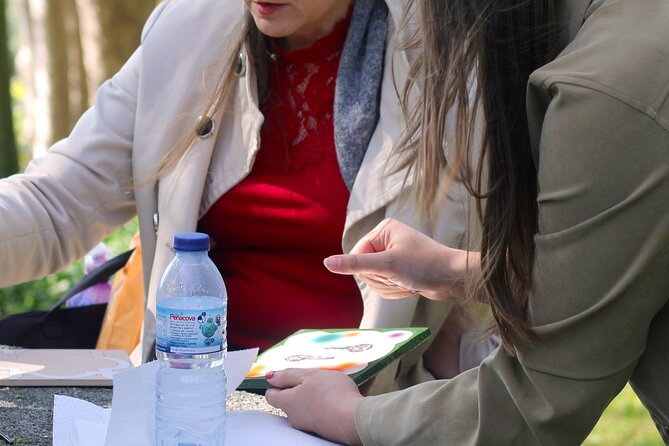
The workshop is led by a professional artist, and the tone seems to be calm and encouraging. Names that come up in past sessions include Eglė and Katrina. Either way, the common thread is that the instructor helps you figure out what to do next.
I like this setup because tile painting can be intimidating if you imagine you need to be good at art first. Here, you are given structure:
- traditional stencil options for quick confidence
- technique tips while you paint
- assistance that keeps your tile from looking messy or unfinished
It also helps that the group is small. With room to ask questions and get personal attention, you feel more like you are working with a craft teacher than paying for a scripted activity.
One more bonus from people who did the traditional option: they often appreciated learning the context behind the designs. Portuguese tiles are not just decoration. They are tied to local history, architecture, and everyday aesthetic choices. That is part of what makes the finished tile feel like a real Porto souvenir rather than a random craft project.
Planning around the kiln firing and pickup window
If you choose the traditional glazing method, you should plan your time around the firing schedule. Your finished tile is ready for pickup after five business days at the studio.
This can be a great experience because you get a built-in reason to return for one more Porto errand. It also gives the studio enough time to fire and finish the tile properly.
But it is also the main logistical consideration. Several people noted they were surprised by the need to return later, so read your confirmation details carefully and think ahead about where you will be after your workshop date. If you know you will leave Porto quickly, you may prefer the acrylic option.
Mailing the traditional tile
Mailing is possible after your tile is ready. Shipping costs are listed as:
- Europe: 15 €
- USA: 25 € with tracking
If you are mailing, treat this like any international shipment: keep your contact information correct and expect some waiting time.
One important practical detail for USA travelers: shipping may be affected by changes in postal rules. In at least one case, the instructor explained that temporary tariff related issues suspended regular mail from Portugal to the United States, and private courier shipping could be an option at a higher cost. That is not something you can control, so the best strategy is to choose carefully if you have a hard deadline for delivery.
Making it your own, without needing to be an artist
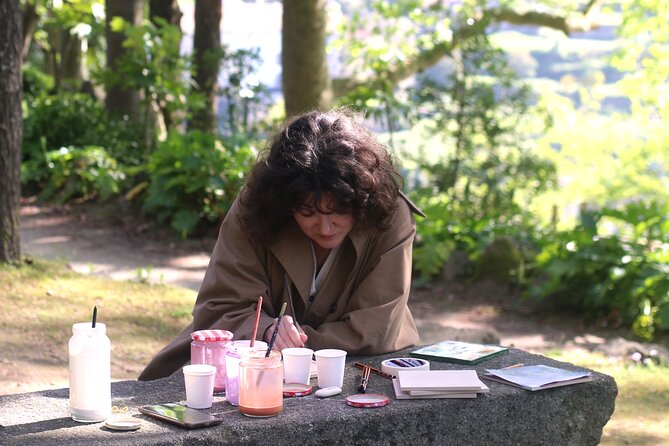
This workshop is built for beginners and for people who think they are not creative enough.
You can go traditional by selecting a design stencil and painting it in the style of Portuguese tiles. Or you can create your own. The stencils make it easy to get started. Instead of fighting blank space, you trace outlines and focus on color and brush technique.
What changes the finished tile from a generic souvenir is the personal layer:
- your brush marks
- your color choices
- small variations in how you fill patterns
People who finished their tiles often felt the result looked more like them than like a printed ceramic item sold in shops. That is exactly what you want if you are buying something you will actually keep.
If you want a tip to get better results fast: pick a design that matches your comfort level. If you like bold shapes, go with a stencil that has clear big areas. If you prefer detail, choose a design with more pattern lines. Either way, the instructor’s guidance helps you keep the work clean.
Price and value: is $40.01 worth it?
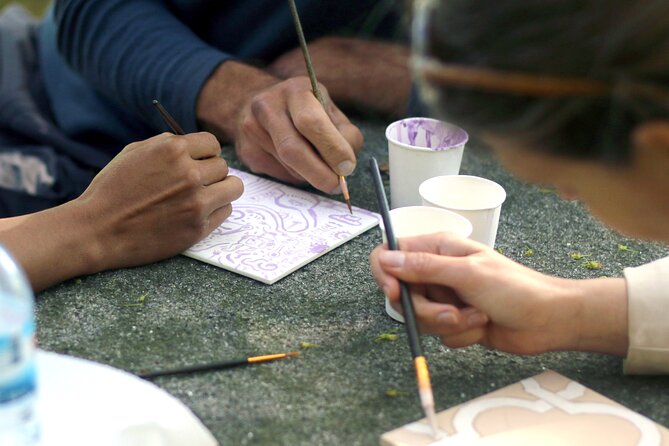
At $40.01 per person for about two hours, the value is strongest when you look at what you actually get.
You receive:
- instruction from a professional artist
- materials provided
- one tile per person
- the structure of stencil designs and technique coaching
If you choose acrylic, you also get a finished take-home tile immediately. That means your payment includes time, creativity, and a souvenir you carry home without hassle.
If you choose traditional glazing, your $40.01 still covers the kiln-fired process, but you need to plan for pickup or shipping. The extra cost, if you want shipping, is listed separately. Even with that, the value is good if you want a more traditional finished look and you can handle the timing.
Small groups also matter for value. With a maximum of 15, you are more likely to get real help when you get stuck, which makes the experience feel more like a workshop than a production line.
Who this is best for in Porto
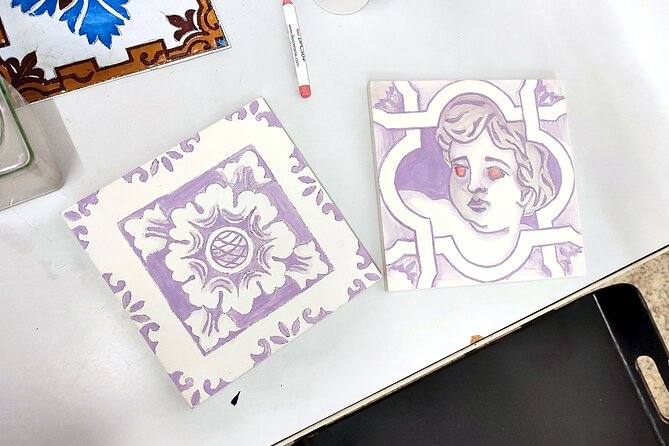
This workshop suits a surprising range of people.
You will likely enjoy it if:
- you like hands-on activities more than museum tours
- you want a Porto souvenir that feels personal
- you want guidance even if you are not artistic
- you want something that works as a shared activity for a couple or small group
- you have a flexible schedule for the traditional firing pickup
It is also a strong option for families in general, since the studio includes stencil-based start points and patient instruction. One past participant even brought a child, and the experience worked well for that family setup.
If you are the type who hates returning to places later, the acrylic option is the simplest pick. If you have time to wait five business days and you like the classic process, the traditional glazing route can feel extra satisfying.
Practical tips that make a difference
A few practical points can save you stress.
- Choose your technique based on your leaving date. Acrylic wins if you are short on time. Traditional wins if you can plan pickup.
- Arrive on time, not early bravado. The meeting point is specific, and the studio is not right in the middle of every major tourist stop.
- Take your time on early steps. Tracing and planning line placement leads to a better tile outcome later.
- Ask about the best design match for your stencil. If you cannot decide, the instructor can help you pick something that will come out looking like Portuguese tile style.
- If shipping matters, track it. Shipping includes tracking, but international mail can still take longer than you hope.
Should you book this tile painting workshop?
I think you should book it if you want a real craft experience with clear guidance, and you are okay with one extra layer of timing if you choose traditional glazing. The best version of this activity feels calm, hands-on, and confidence-building, even when you start out thinking you are not an artist.
Skip or reconsider if:
- you will not be in Porto long enough to handle traditional pickup
- you need delivery by a specific date and shipping logistics worry you
- you want something purely passive, with no creative work involved
For most people, this is a great use of two hours. You leave with a tile that looks like Porto, and you get to understand why Portuguese tiles look the way they do, not just copy a picture from a shop.
FAQ
How long is the Porto Tile Painting Workshop?
The session runs about 2 hours.
What techniques can I choose for my tile?
You can choose between two options: traditional Azulejo glazing that is kiln-fired, or a ready-to-go acrylic painting technique that you can finish and take home immediately.
When can I pick up a kiln-fired tile?
If you choose the traditional technique, your finished glazed tile can be picked up after five business days at the studio.
Can the studio ship finished tiles, and what does it cost?
Yes. Tiles can be mailed after they are finished. Shipping is listed as 15 € for Europe, and 25 € for the USA with tracking.
Is the workshop offered in English and is it beginner-friendly?
Yes, the workshop is offered in English. It is also set up for most skill levels, with traditional stencils you can trace if you are a beginner.
What is the cancellation policy?
You can cancel for a full refund up to 24 hours before the experience start time. If you cancel less than 24 hours before, the amount paid is not refunded.
More Workshops & Classes in Porto



More Tour Reviews in Porto



Keep comparing: recently reviewed experiences around Porto












Immersive Shows & Indoor Attractions, compared.
 ★ 4.9Tile-Painting Workshop with Porto Wine – BainhariaFrom $45526 reviews
 ★ 4.9Tile Painting and Cocktails in Downtown PortoFrom $41484 reviews
 ★ 4.5Spiritus Porto: Videomapping Immersive Show at Clerigos ChurchFrom $12223 reviews
 ★ 5.0Tile Painting and Cocktails in Downtown PortoFrom $42187 reviews
 ★ 5.0Create Watercolour With Hugo do Lago in PortoFrom $42164 reviews
 ★ 5.0Tile Painting Workshop with Porto Wine (Sé do Porto)From $42102 reviews
 ★ 4.9Tile Painting Workshop with Tea and Port WineFrom $5366 reviews
 ★ 4.5Pink Palace – Immersive Rosé Wine Museum with 5 TastingsFrom $3049 reviews
Browse the lists this tour appears in