Reviewed · PORTO
Exclusive visit to the Geophysical Institute of Porto
A seismic station with Cold War secrets. In Gaia, you get the real science of how this site records shaking, plus a six-bridge view that feels like cheating. The catch is that it is not designed for very young kids, since it is not suitable for children under 12.
I also like that the tour is run by geology students from the Faculty of Sciences, so the explanations land with energy and clarity. You’ll spend about an hour, in English, then step back outside for the payoff view. If you expect a casual sightseeing stroll with no tech talk, this one leans more history plus seismology than pure Porto wandering.
Seismic science in a nearly invisible Gaia building
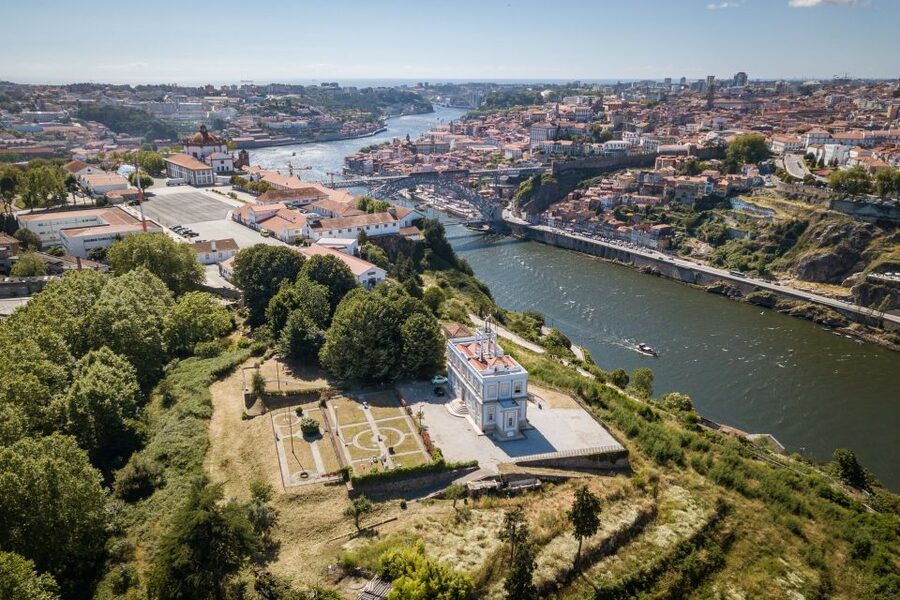
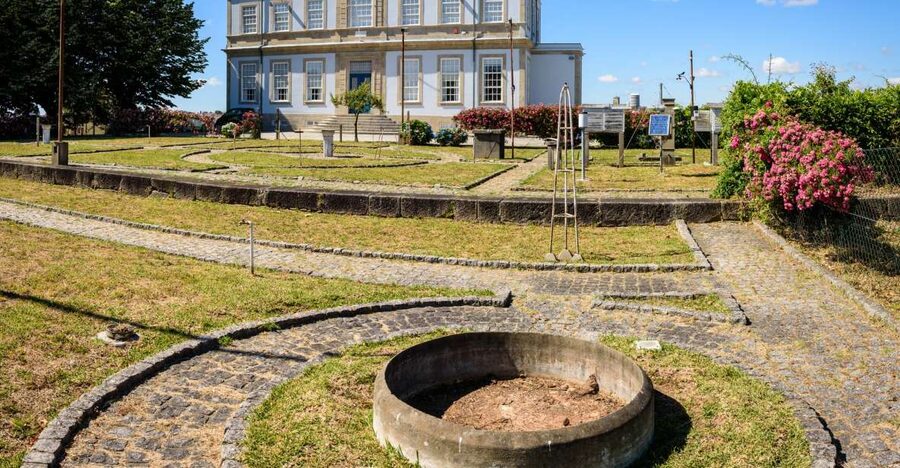
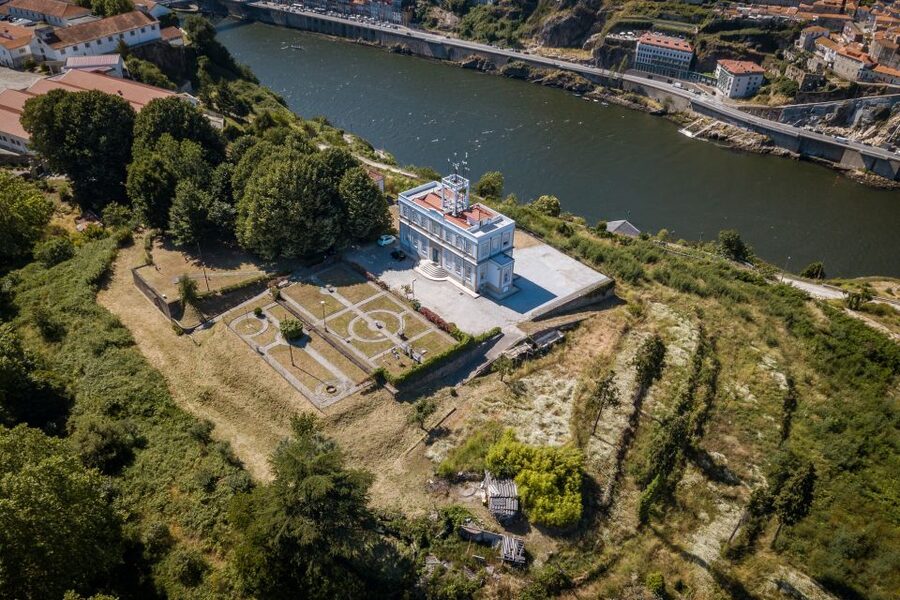
The Geophysical Institute of the University of Porto sits in Gaia, in the middle of Serra do Pilar, in a centenary building you can easily miss if you are not looking for it. That is part of the charm, and part of the point. You walk into a place that looks like it belongs in the background, but it played a serious role in measuring the Earth’s signals for decades.
What makes the visit more interesting is that this is not just geology for geology’s sake. The station you see is tied to a worldwide monitoring effort that grew during the 1960s, and this particular site connects to the Cold War contest between the USA and USSR. The story is explained in a way that helps you connect small details, like waves on a sensor, to big events like nuclear tests.
In other words, you’re not only learning about earthquakes. You’re learning how this station can register both natural events and human ones.
The 60-minute flow, from your meeting point to the bridge view
The tour starts with a short walk from the meeting point at R. 2 23. From there, you move to the Geophysical Institute in Porto, and the visit itself is guided, about 35 minutes, so you get time to ask questions and keep the story straight.
After the indoor session, you walk back out and get a short scenic break on the way. This matters because the best part is not locked behind a locked door. The station’s location gives you a top-of-the-world perspective over the city, with Porto’s bridges in sight.
The itinerary is simple: get there, learn the science and history, then step outside for the view. For many people, that structure is perfect. You do not have to guess how long you will spend indoors or if you are missing the best photo moment. You just follow the route, and the payoff arrives when it should.
Practical note: the tour is about an hour total, and it’s in English. If you’re traveling at a tight pace, that timing is easy to fit into a day in Porto or a half-day plan that also includes the riverfront.
Compare more reviewed experiences around Vila Nova De Gaia before fixing the rest of your day.


Inside the 1962 station: why the Cold War was also about listening to the ground
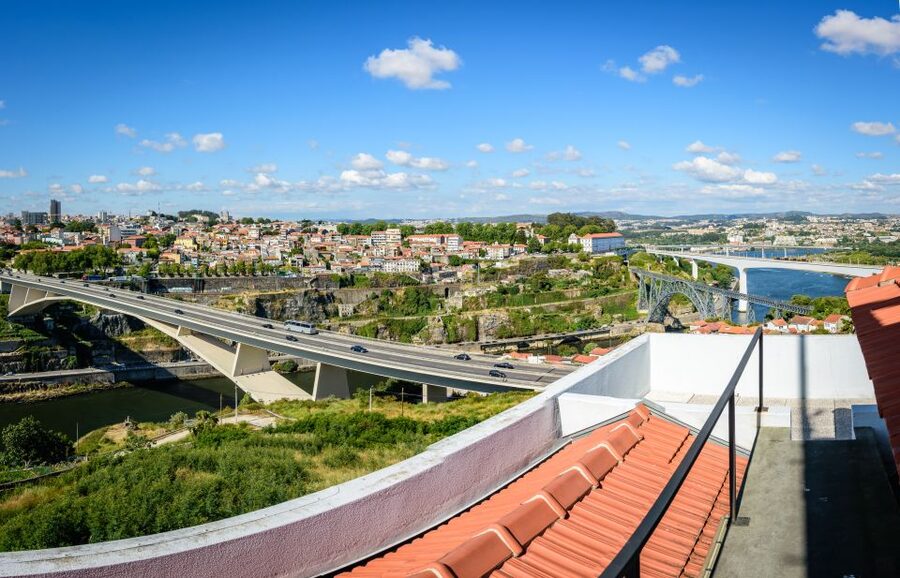
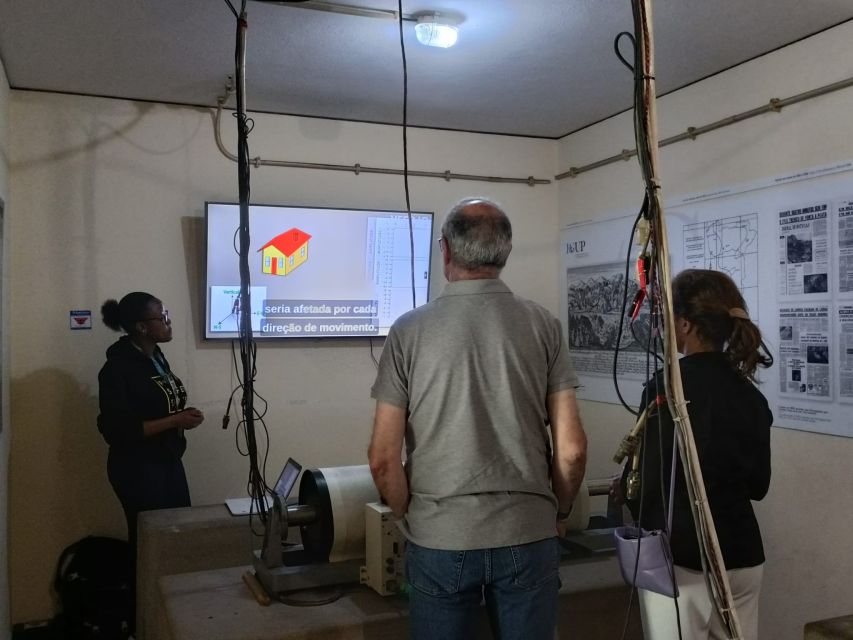
The centerpiece of the visit is a seismic station connected to a worldwide network. The guide explains that the station was built in 1962 by the United States, officially framed as scientific research. But the explanations you get make clear that the data mattered because the Cold War was a competition in information, not just weapons.
This is where the institute becomes more than a classroom stop. The tour links the station to what was happening between the USA and USSR during the arms race era. The guides also talk about how the promise of scientific research led to the construction of a large number of seismic stations around the world, and you’ll hear the tour’s focus number: 127 stations.
That sounds like a trivia fact, but it actually changes how you think about the building. It turns a piece of infrastructure into a strategy. You start imagining the network as an early warning system, a way to compare signals across countries, and a way to judge what was going on when tests were happening far away.
If you like history that connects to real tech, this part is strong. It is not just dates. It’s why the data collection mattered.
How the station records earthquakes and nuclear tests
One of the best reasons to book this tour is that it makes seismology feel concrete. Instead of staying abstract, the guides explain how the station can record the shaking produced by earthquakes and the waves produced by nuclear tests.
You’ll learn there are differences in the waves from each type of event, and you’ll hear the basics of how specialists use those differences to interpret what they are seeing. The tour also covers how you calculate an earthquake’s epicenter, which gives you a practical idea of how monitoring becomes meaning, not just raw recordings.
Even if you’re not a science person, you can usually follow this because the guides tie each concept to the station in front of you. You’re looking at a real setup, then getting the explanation of what it would pick up during different kinds of events.
This is the part that gets most praise. People are impressed by how much you can understand in a short time, especially when the guide explains it clearly and with enthusiasm.
Meet the geology students and get the explanations in English
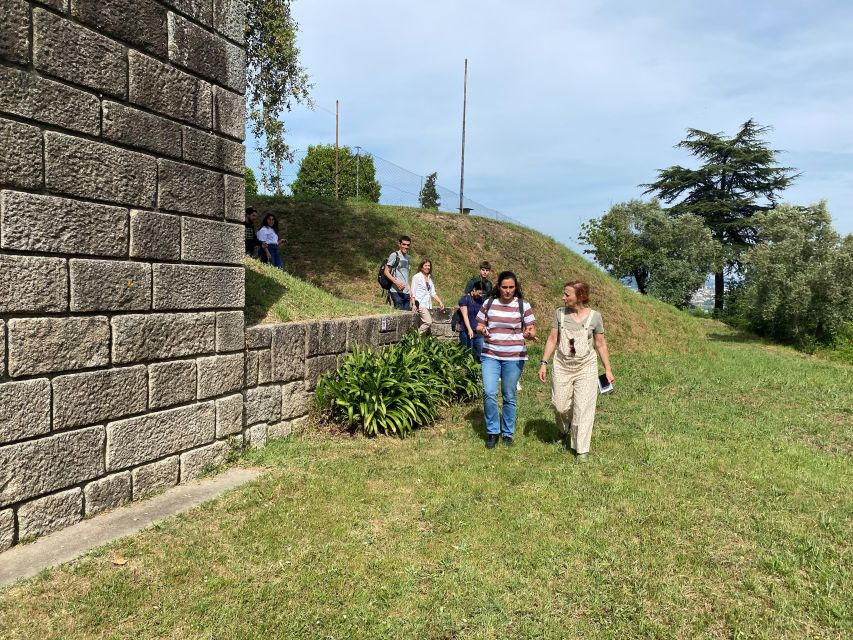
The tour is guided by geology students from the Faculty of Sciences of the University of Porto. That youth matters. You tend to get a more energetic pace, and the explanations often come with little clarifying points that help you keep up.
It’s also in English, so you can focus on learning rather than decoding translation. For many visitors, that is a big deal. Seismology and Cold War terms can get technical fast, but the English guidance keeps it approachable.
You should know this is not a lecture where you sit and just listen. The flow is meant to help you connect the station, the network, and the wave differences into one storyline.
And if you do ask a question, the format makes it easier to get a direct answer rather than feeling like you’re interrupting.
The Serra do Pilar walkway and the “six bridges at once” moment
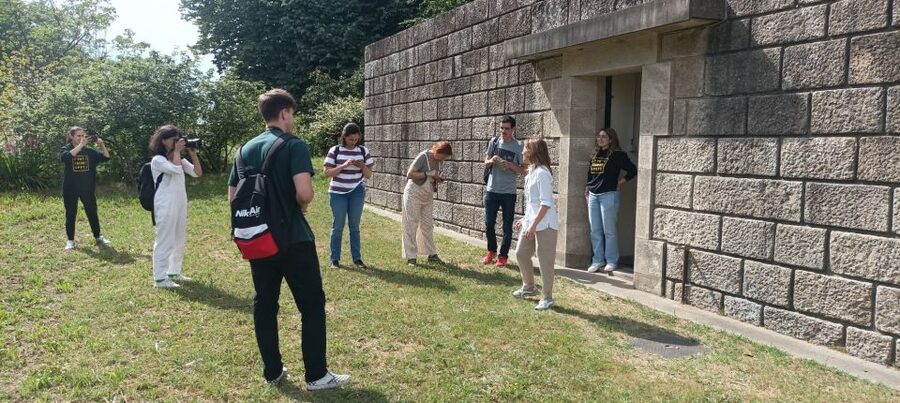
After you finish the indoor portion, you head back outside for the views. The guide builds up to it, because this is where the location earns its keep.
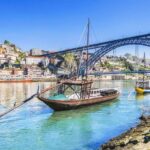
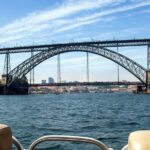
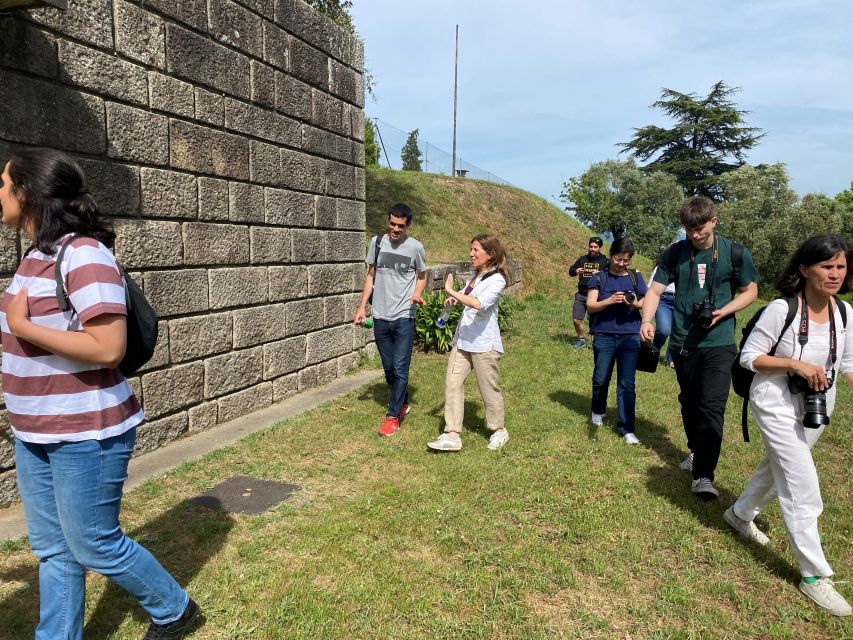
You’re in the Serra do Pilar area, with a perspective over Porto and Gaia. The tour description emphasizes a rare viewpoint where you can see Porto’s six bridges. The guides do not treat it like a vague scenic bonus. They point out the sightlines and help you look in the right direction so you actually spot all the bridges in one go.
This is the part I love when tours combine science and payoff. You get a serious, slightly unusual visit, then you get a clean visual reward right after.
If your camera is ready, this is when you’ll want it. But remember the rules: no flash photography, and no video recording. Still photos without flash are fine.



Price and value: is $17 for one hour a good deal?
At $17 per person for about one hour, this is priced more like a specialty entry ticket than a long tour. The value comes from three things you do not usually get together:
- A rare site connected to an international monitoring network from the 1960s era.
- A Cold War angle that’s tied to real infrastructure, not just vague background.
- A payoff view over Porto, with bridges in sight.
If you enjoy history that is anchored in technology, or you like geology but want it explained in a way that feels relevant, the price makes sense. You are paying for access to a working science story in a specific location.
If you only want sweeping city views and none of the science talk, you might feel the cost is a bit high for the time. But if you are curious, the whole point is that this visit is short, focused, and structured.
Who this tour suits best (and who should skip it)
This fits best if you fall into one of these groups:
- You like history, especially Cold War history, and you want it explained through real places and real systems.
- You’re interested in seismology, even at a beginner level, and you want a human explanation for what sensors detect.
- You want Porto sightseeing that feels slightly unusual, not just another church or viewpoint stop.
It’s not suitable for children under 12, and the content is likely to feel more technical than playful. Also, the rules around no video recording and no flash mean you should plan your photos accordingly.
If you’re someone who gets impatient with technical explanations, it could feel heavy. In that case, you might prefer a more general city walking tour. But if you like the mix of science and story, you’ll probably find it satisfying.
Practical tips so you get the most out of it
A few small things can make a noticeable difference:
- Wear shoes you’re comfortable walking in, since the visit includes short walking segments plus the scenic stop.
- Bring a camera for still photos, but avoid flash and leave video recording off your plan.
- If you’re hoping for a super laid-back experience, set expectations now. This is science and history with a view as the final reward.
- Arrive with a little curiosity about how waves differ between earthquakes and nuclear tests. Even a basic interest will help.
Also, since it is in English, if you are traveling with anyone who struggles with English technical terms, this might not be the easiest match. The guides are energetic, but the topic is inherently specific.
Should you book the Geophysical Institute of Porto visit?
I think you should book it if you want something rare in Porto. It’s not every day you see a seismic station tied to global monitoring and Cold War strategy, and then end with a strong viewpoint over Porto’s bridges.
I would skip it if you want an all-purpose family activity for kids under 12 or if you hate anything technical. It’s also worth booking only if you have about an hour that you can give to a focused experience, because the timing is part of the value.
If you’re in the right mood, this is one of those tours that makes you look at the city differently afterward. Porto’s bridges are gorgeous, yes. But now you’ll also remember that underground signals and global politics once shaped how and where people built stations like this one.
FAQ
How long is the Geophysical Institute of Porto visit?
The tour lasts about 1 hour.
What is the price?
It costs $17 per person.
Where does the tour start?
The starting location is R. 2 23, followed by a short walk to the Geophysical Institute.
Is the tour guided and in English?
Yes. The tour includes a live guide and the language is English.
What will we see and learn during the tour?
You’ll visit a seismic station connected to a worldwide network, learn about its role in the Cold War between the USA and USSR, understand how the station records earthquakes and nuclear tests, and learn how epicenters are calculated.
Are there restrictions on taking photos or recording video?
Yes. Flash photography is not allowed, and video recording is not allowed.
Is the tour suitable for children?
No. It is not suitable for children under 12.
What is the experience cancellation policy?
Free cancellation is available up to 24 hours in advance for a full refund.
Can I reserve without paying right away?
Yes. The option is reserve now and pay later.