
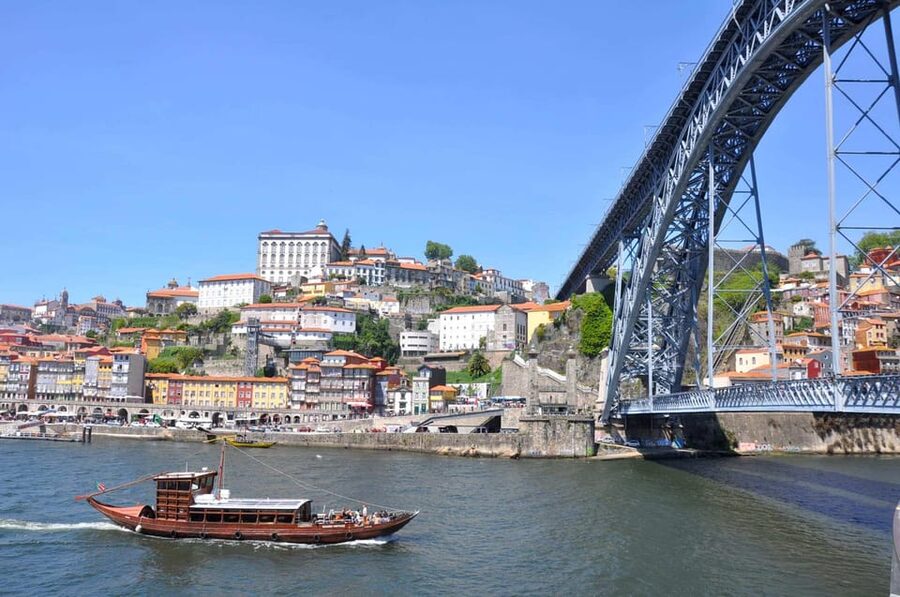
Reviewed · PORTO CITY WALKS
Private Walking Tour, highlights and secrets of Porto
Porto teaches you its story by foot. This private highlights-and-secrets walk threads the narrow UNESCO streets, starting high and dropping you toward Ribeira. I love the private guide attention and how you learn the Tripeiros personality behind the city’s architecture. One catch: it is mainly an outside-view stroll, and ticketed time inside places like Livraria Lello or Porto Cathedral is not included.
You get pickup in the historic center (options include Praça de Gomes Teixeira, the Porto Cathedral area, Church Santo Ildefonso, or the meeting point near the Horse Vilmara Perez). Because Porto is hilly, the itinerary is planned as a downhill route, which helps, but you should still wear comfortable shoes and bring an umbrella if rain is possible.
Key highlights and secrets worth your time
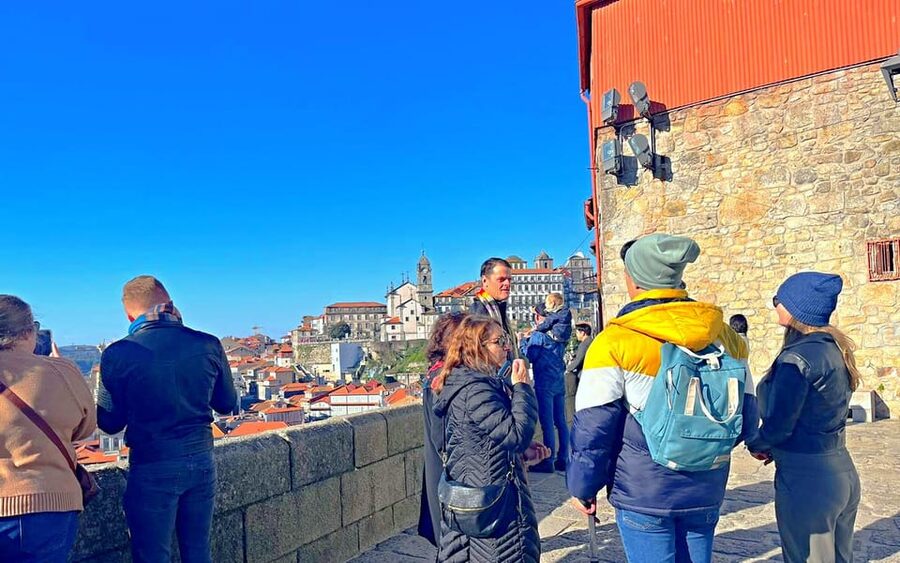
Private, downhill walking route through Porto’s toughest terrain, so you spend more time seeing than climbing.
Sé do Porto to Ribeira arc that ties the city’s religious, civic, and riverfront identity together.
Fernandine walls and hidden streets in the oldest quarters, where the story feels more real than the postcards.
Clérigos Tower and Igreja do Carmo viewpoints for skyline angles you can actually use later when you explore on your own.
Cris-style guiding energy focused on history questions, not just stop-and-go photos.
End-of-tour local list of nearby restaurants and places to visit sent to your email or WhatsApp.
Where the tour shines: a true private walk in Porto’s tight streets
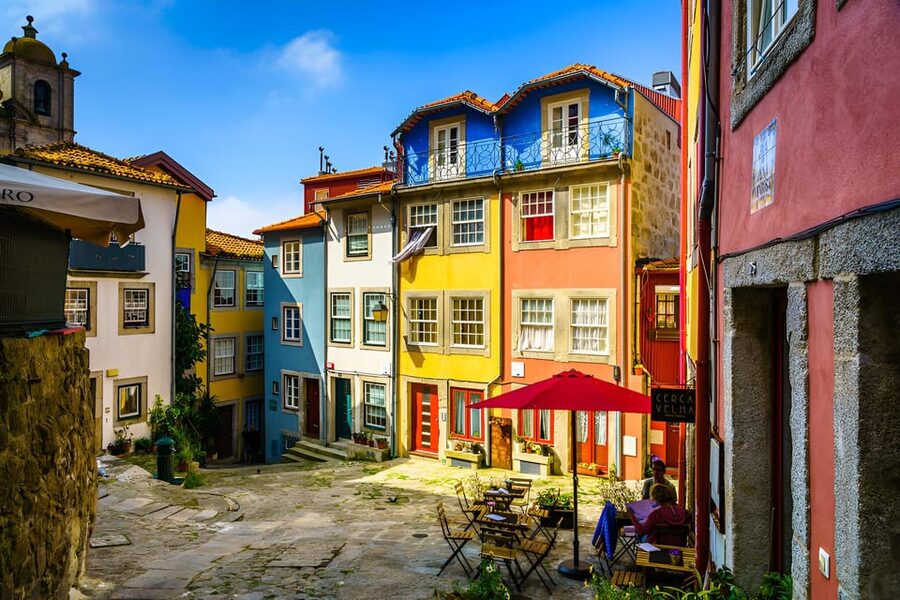
This is the kind of Porto tour I think works best when you have limited time but still want meaning. You are not herded into a group shuffle. It is private for just you, your couple, or your group, which makes it easier to ask questions as you go.
The route is built around Porto’s hills. The walk starts from a higher point and heads downhill, so the “I feel my calves” part is more manageable. You will also spend time on the narrow historic lanes, the kind where you slow down naturally because streets are too tight to rush through.
And yes, you will see the major sights. But the “secrets” part is the difference maker here, especially if you like the human side of history. The goal is to understand how Porto evolved and to explain the city’s personality, often described through the Tripeiros spirit.
You can also read our reviews of more walking tours in Porto



Getting oriented at Praça de Gomes Teixeira and the Sé area
The tour begins where you can reasonably find it: pickup options centered around the Porto Cathedral area. The stated options include Praça de Gomes Teixeira, the Porto Cathedral area, Church Santo Ildefonso, and a meeting point in front of the Horse Vilmara Perez.
Why this matters: if you start in the right zone, you can hit multiple neighborhoods without wasting time crossing the city. Porto’s hills make “wrong turns” expensive in effort. With a planned start, you avoid the common new-in-town problem, which is spending the first hour trying to orient.
Also, starting near the cathedral area puts you into the historic core immediately. You are not commuting in and out of the center. You’re already inside the UNESCO-protected fabric of the city, where the streets feel built for walking.
Porto Cathedral (Sé do Porto): history you can see, not just read
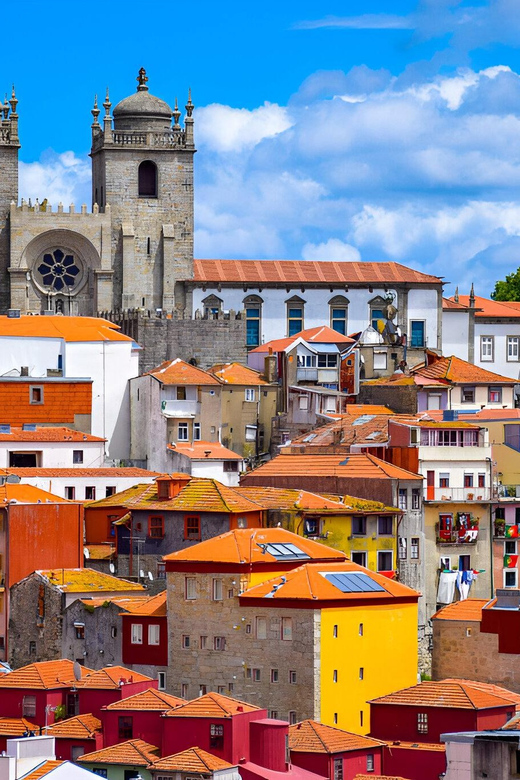
At Porto Cathedral, you get a short sightseeing stop that sets the tone for everything that follows. The Sé is more than a pretty landmark. It anchors the old city’s identity, and it also helps explain why Porto’s story is tied to defense, religion, and civic pride.
Because the tour is designed as a walking highlights route, you likely get outside views and key vantage points rather than a long interior visit. That is totally normal for a 2.5-hour private format, but it also means you should not plan on spending time inside unless you have a separate ticket.
If you want to make the most of this stop, look up as you pass. In Porto, the details you notice from the street often tell you more than a quick glance at a facade.
São Bento Station and Porto City Hall: two ways to tell a city story
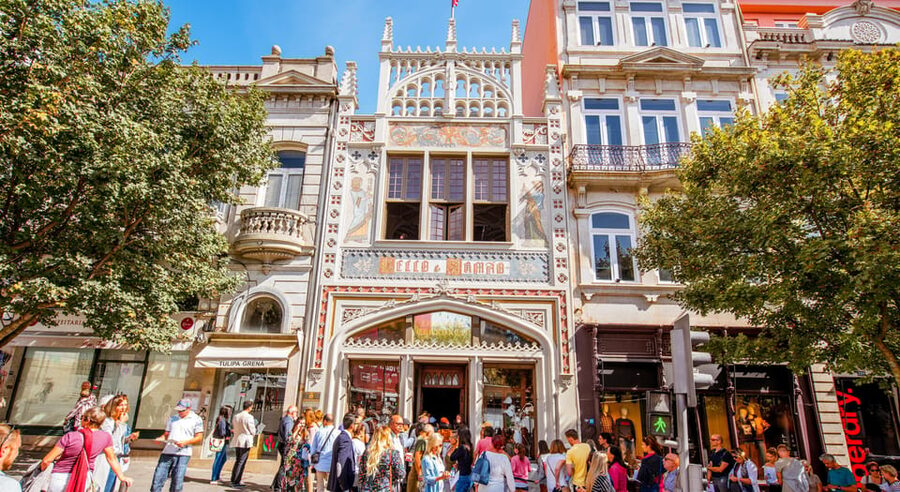
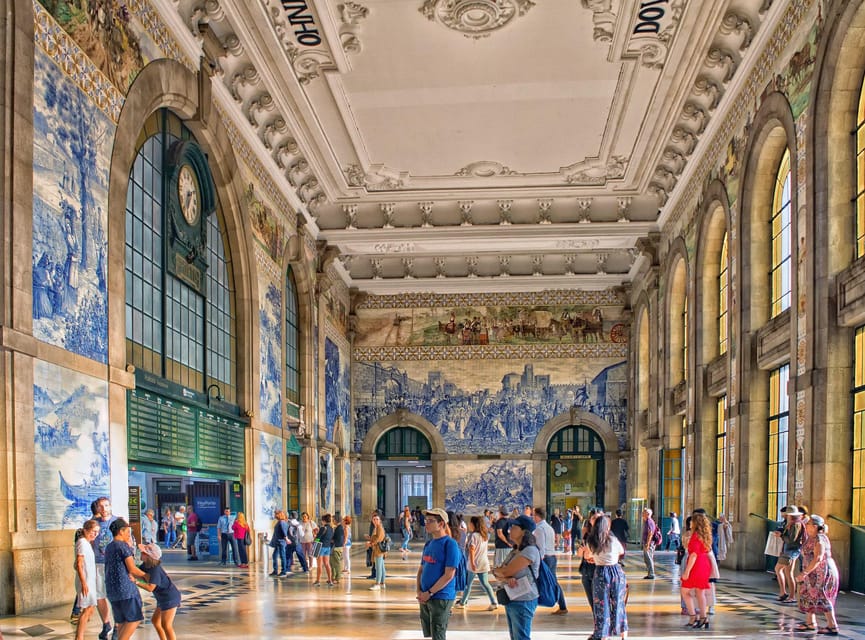
Next comes São Bento Station. You get a visit and sightseeing time there, short but meaningful. The station is famous for its interior tilework, but even if you only have limited time, the building’s role is clear. Porto treats art, transport, and identity as one package.
Then you continue toward Porto City Hall for another short viewpoint stop. This is where the walk starts to feel like a timeline, civic authority layered over older streets. You begin to see how power in Porto shows up in stone, arches, and public architecture.
The practical benefit for you: these stops help you understand where you are standing, so later when you wander on your own, you are not guessing. You are connecting dots.
Clérigos Tower, Igreja do Carmo, and Fernandine walls
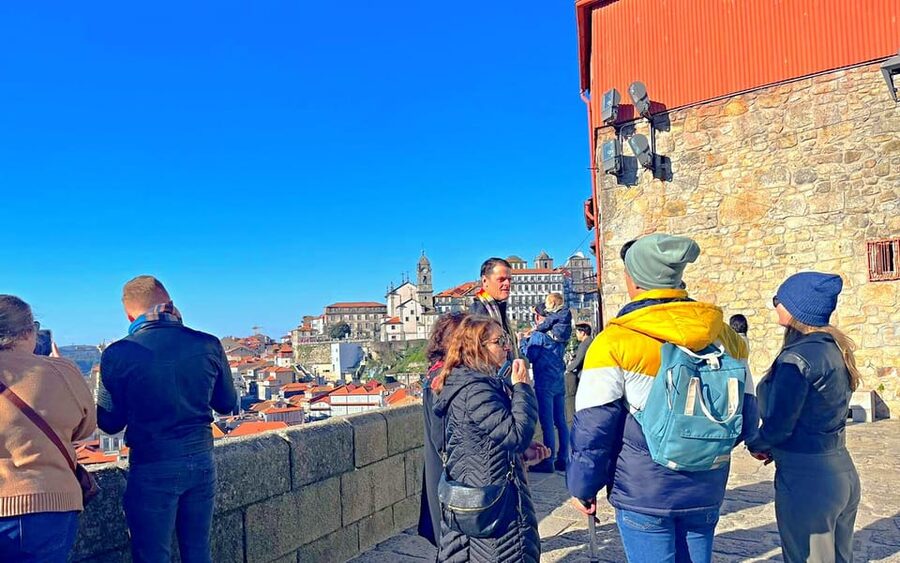
This is the part of the tour where Porto’s dramatic verticality starts to make sense. You visit Clérigos Tower and also stop at Igreja do Carmen in Porto. These areas give you skyline views and strong “landmark orientation,” which is great if you want to explore further after the tour ends.
The tour also includes Fernandine walls and the older neighborhood feel, with hidden streets where you slow down without trying. The walls and the maze-like lanes are important because they explain why Porto developed the way it did. Defense and movement shaped neighborhoods, and that influence still shows in how streets connect.
What to watch for: these stops can involve more stairs or uneven terrain than you expect, especially around viewpoints. Porto looks compact until you try to walk it. Stick to comfortable footwear, and keep an eye on steps.
Compare more private Porto tours with a guide in Porto




Aliados Avenue, Galerias de Paris, and the “student and scholar” side of Porto
As you move through the center, you pass areas that feel more like the city’s modern pulse. Aliados Avenue and Galerias de Paris are part of that transition, giving you contrast after the tighter historic streets.
The tour also mentions University of Porto and even the first jail in Porto. That matters for anyone who thinks Porto history is only about churches and trade. Porto has always been a city of institutions, education, and systems of control. Seeing these places on foot helps you understand the city beyond its postcards.
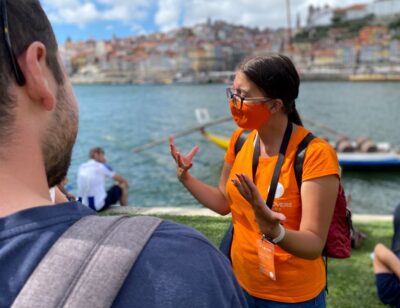
If you like local context, this is the section where the guide’s explanations can really pay off. A strong guide connects what you see to why it exists. In particular, Cris is described as super competent and able to answer questions about history and architecture, which is exactly what you want from a private tour.
Livraria Lello & Irmao: a stop for the feel, not a ticketed visit
You will have a sightseeing stop at Livraria Lello & Irmao. This is one of Porto’s most photographed places, and it is understandably on almost every visitor list.
But the important detail for your planning: the tour does not include tickets to go inside paid highlights like Lello Bookstore or Porto Cathedral. So you should treat this as a look-and-learn stop. You may enjoy the atmosphere outside and the context the guide provides, but you will not get the full inside experience unless you book separately.
How to make it work: if you know you want to go inside, plan that for another day or add it as a separate priority timed to your schedule. Otherwise, you might feel like you paid for something you thought was included.
Palacio da Bolsa and Rua das Flores: where the power meets the people
Then you move into the area around Palacio da Bolsa. This stop is about more than architecture. It helps you understand how trade, wealth, and public image shaped the city.
Palácio da Bolsa is tied to Porto’s commercial identity, so it fits perfectly after you’ve been thinking about civic life and institutions. It is a strong “Porto was serious about business” moment.
Rua das Flores is a great counterpoint right after. It is a short walk that helps you shift from grand buildings back to street-level life. Porto’s charm is often in these lanes where the city feels lived in, not staged.
Time note: these stops are short, because a 2.5-hour walk can only cover so much. Still, when the guide points out what to notice, even brief stops feel useful.
Ribeira along the Douro: views and the Tripeiros mindset
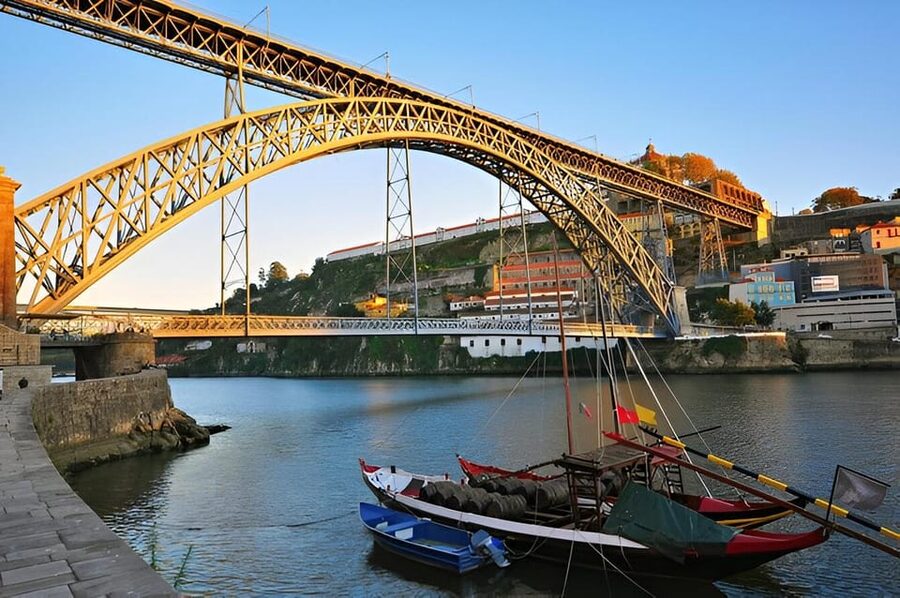
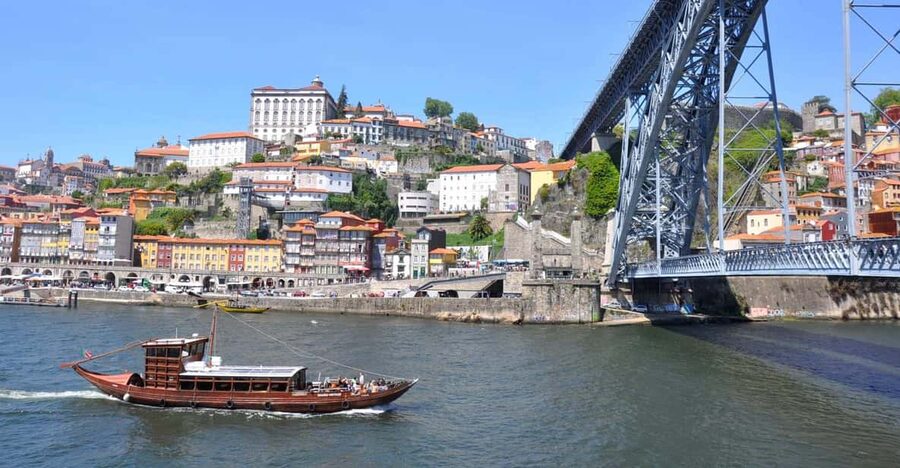
The tour ends with the river-side Ribeira area, and this is where the walk earns its finale. Ribeira is the part of Porto that many people already recognize. Still, it hits differently when you have just learned the city’s evolution behind you.
The tour’s objective includes understanding the evolution of Porto and knowing secrets about the personality of the Tripeiros. Ribeira helps explain that personality. This is where trade, river access, and city pride all converge.
You get a short sightseeing stop time here, which is enough to orient yourself to the riverfront for later exploration. If you have evening plans, this is the part of the day where you can switch modes from “learn mode” to “wander mode.”
Price and value: is $41 per person worth it?
For $41 per person and a 2.5-hour private format, the value depends on what you want most.
Here is what you are paying for:
You get a private walking guide, which matters in a place like Porto where hills and narrow streets can make self-guided sightseeing slow and confusing. You also get a guided storyline that connects religious, civic, and riverfront identity, rather than just ticking off names. You get viewpoints and walking visits of key emblematic buildings. And at the end, you receive a list of local and recommended restaurants and places to visit sent by email or WhatsApp.
What you are not getting:
You are not getting ticketed entry to places like Livraria Lello or Porto Cathedral. So if your top goal is to spend a long time inside specific paid attractions, you should plan separate tickets.
My practical take: this is strong value if you want a smart first orientation and a history-informed walk. It is less perfect if you expected a ticket-included tour that feels like a fast-paced hits-and-entries sprint.
Pacing and expectations: the slow-stroll risk
The one drawback to consider is pacing. Porto tours that focus on history often slow down to allow questions and explanations. For some people, that is exactly right. For others, it can feel too leisurely.
If you prefer a quicker pace, do two things. First, go in with the understanding that this is a narrative walk. Second, during the first minutes, tell your guide you want a slightly faster tempo and more time at photo points. Because it is private, you have more room to steer it.
Also, because much of the tour is designed to avoid paid entrances during the walk, make peace with outside views unless you plan ticketed add-ons.
Who this tour is best for
This tour is a good fit if:
- You want a private way to see Porto’s central highlights in a short time.
- You enjoy history that explains how neighborhoods formed and why the city acts the way it does.
- You want help after the tour, through the local restaurant and sights list sent to you by email or WhatsApp.
- You like architecture and viewpoints, especially around Clérigos Tower and the riverfront.
It might not be ideal if:
- You expect included tickets for Livraria Lello or Porto Cathedral.
- You want a high-energy sprint with constant movement.
- You dislike uneven streets and hills, even though the route is planned downhill.
Should you book this highlights and secrets walk?
Yes, I would book it if you want your first Porto day to feel guided, coherent, and useful. The private nature helps, and the focus on how Porto evolved plus Tripeiros personality is exactly the kind of context that makes your later wandering better.
I would hesitate only if your main goal is paid interior visits and you cannot imagine skipping the inside of Lello or the cathedral. In that case, you can still enjoy this as an orientation, just plan your tickets separately.
If you are the kind of traveler who likes to learn while you walk, this tour is one of the smartest ways to get oriented fast, then spend the rest of your time making your own Porto story.
FAQ
How long is the Private Walking Tour, highlights and secrets of Porto?
It lasts 2.5 hours.
Is this tour private?
Yes. It is a private group experience for you, a couple, or your group only.
Where does the tour pick up?
Pickup is included, with options around the historic center such as Praça de Gomes Teixeira, in the Porto Cathedral area, Church Santo Ildefonso, or the meeting point in front of the Horse Vilmara Perez.
Which languages are offered?
The live guide offers English, Portuguese, and Spanish.
Are tickets included for Livraria Lello or Porto Cathedral?
No. This tour does not include tickets to go inside pre paid highlights like Livraria Lello or Porto Cathedral.
Do I need comfortable shoes or an umbrella?
Yes. Porto is hilly, so wear comfortable shoes. If it rains, bring your own umbrella.
More Walking Tours in Porto



More Tours in Porto






More Tour Reviews in Porto


Keep comparing: recently reviewed experiences around Porto











Porto City Walks, compared.
 ★ 5.0Porto Walking Tour, Lello Bookshop, River Cruise and Cable CarFrom $723,354 reviews
 ★ 4.8City Highlights 3-Hour Guided Electric Bike TourFrom $513,092 reviews
 ★ 5.0Experience Porto’s Charm: 3-Hour Guided Walking TourFrom $352,432 reviews
 ★ 4.83-Hour Guided City Highlights Walking TourFrom $342,050 reviews
 ★ 4.4Wine Tasting with Tapas Walking TourFrom $531,541 reviews
 ★ 4.7Historic City Center Walking TourFrom $331,172 reviews
 ★ 5.0Porto’s #1 Walking TourFrom $01,026 reviews
 ★ 4.8Delicious Food and Wine Walking TourFrom $87977 reviews
Browse the lists this tour appears in