
Reviewed · PORTO CITY WALKS
Porto, unveiling the city | walking tour | city gems
Porto rewards your first steps. This 3-hour, English-language walking tour mixes famous landmarks with lesser-known corners, all tied together by stories of how the city grew by the river. You’ll move at an easy pace through spots that many people skip, including places linked to art, faith, and even a very human love story.
I love how the guide approach is personal and practical. With Rui Silva, you get clear context for what you’re seeing, plus ideas for what to eat and what to pair with your next night, like francesinha and Fado. I also like that the tour starts with coffee or tea and a pastry, so your morning legs get a boost before you start climbing.
One drawback to plan for: a couple of major stops have admission not included, so you may want to budget extra for those interiors. If you hate paying separate ticket prices, this isn’t the kind of tour where every door is already open.
Key Things That Make This Porto Walk Worth Your Time
- Rui Silva’s story-led guiding, with tips that help you plan the rest of your trip
- A tight 3-hour route that still hits the big emotional themes of Porto, church to river
- Free-entry stops mixed with a few optional paid ones, so you can control your spending
- Azulejo time at São Bento Station and art stops that feel more local than postcard
- Ribeira and the Dom Luis I Bridge as the river “why” behind Porto’s growth
- A market finish at Mercado do Bolhão, where you can snack, browse, and watch real life
Getting Oriented at São Bento, Then Living Porto on Foot
This tour works because it starts where Porto already feels like Porto. You meet at São Bento station (Praça de Almeida Garrett, 4000-069 Porto), then you begin walking from the city’s classic hub of arrivals and departures. From the first steps, you’re not just moving between sights, you’re learning the city’s logic.
You’ll also appreciate the pacing. The route is about three hours, and you should be able to handle a moderate amount of walking. For me, the value here is that the time is long enough to make connections between neighborhoods, but short enough that you don’t end the day worn out.
Since it’s a private tour, it’s only your group. That means the guide can slow down, adjust what you want to see, and offer more detail where your curiosity lands.
You can also read our reviews of more walking tours in Porto


How the Tour Size and Timing Shape Your Experience
At around three hours, this is an ideal “first day or second day” kind of outing. I like using tours like this to get my bearings fast, so the next days feel like I’m choosing what I want, not just wandering randomly.
The tour is offered in English and uses a mobile ticket. It’s also designed around good weather, so if the forecast looks rough, you might be offered another date or a full refund.
Practical point: since it’s a walking tour, the shoes you choose matter. If you’re visiting in hot weather, you’ll want a hat and water, because you’ll be out long enough for the sun to start doing its thing.
Cathedral do Porto, Then a Real Sense of Time
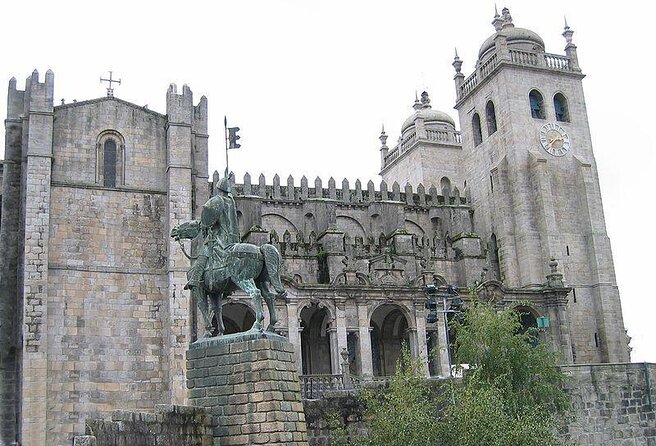
Your first major stop is Catedral do Porto, and the hook here is the feeling of time layered on time. You’ll spend a short moment inside the area (it’s free admission), but the guide’s job is to help you notice what you might otherwise miss.
This is one of those places where architecture does more than look pretty. You can understand why Porto is famous for its stubborn identity, the way older styles hang around and get built into newer stories.
If you want the most out of this stop, don’t race. Even at a quick pace, it helps to pause and look up, then look out. The city’s “why” often shows up in small details, not just big facades.
São Bento Station and the Azulejo Moment
Next you hit São Bento Railway Station, one of Porto’s most famous interior stops. It’s short, and the admission is free, but the point is that you’re standing in a room where art meets daily life.
The big draw is the azulejos, those painted blue-and-white tiles that turn into a visual history lesson. Instead of reading plaques, you get the story through the rhythm of scenes, almost like a moving timeline you can stand in front of.
Here’s a small tip: if you’ve got limited time in Porto, don’t wait to see São Bento later. This is one of the easiest ways to get your eyes trained for the rest of the tour, because you start noticing details immediately.
Antiga Cadeia da Relação: A Love Story in Stone
The tour then stops at Antiga Cadeia da Relacao, the old city jail tied to Portugal’s most famous love story. It’s only a brief stop, and admission is not included, but it’s a fascinating change of mood from churches and stations.
This is the kind of stop that works best when you let the guide connect the dots. You’ll likely hear how a place used for punishment ends up remembered through romance and tragedy, because that’s how culture often survives.
If you’re a details person, you may enjoy lingering at the edges rather than sprinting toward the center. Small settings like this can feel surprisingly personal once someone gives you the story.
You can also read our reviews of more city tours in Porto




Torre dos Clérigos and Livraria Lello Without the Rush
Two iconic Porto names come next: Torre dos Clérigos and Livraria Lello. Both have admission not included, so you’ll need to decide how much you want to pay to step inside.
Torre dos Clérigos is described as the city’s ex-libris, associated with Nasoni. Even if you only get a look from the outside, this is a great “anchor point” in Porto’s skyline story, because the tower helps you understand how high the city once reached with confidence.
Livraria Lello is the bookstore many people dream about before they even arrive. It’s often crowded when you go on your own, so a guided moment can help you connect it to its setting instead of just hunting for photo angles.
Practical advice: if you’re sensitive to lines or ticket costs, decide early whether you want interiors. You still get value from the walking, context, and the rest of the route, even if you skip one of these.
Art Block to Soares dos Reis Museum: Creative Porto, Not Just Old Stones
After the big names, you shift into something more lived-in. You’ll pass through Miguel Bombarda Art Block, described as a street-to-gallery area for art. Admission here is free, and the short stop gives you a snapshot of how Porto creates instead of only preserves.
Then you have Museu Nacional Soares dos Reis, the home for Portuguese art. Admission is not included, so again, you may want to weigh cost versus interest. If you like art museums, this is a strong stop because it keeps the tour moving from iconic visuals to curated collections.
This pairing is smart because it gives you two different ways to experience culture. One is informal and street-level, the other is institution-level and structured.
Horto das Virtudes: A Garden With Memory in Every Corner
You’ll also visit Jardim Municipal do Horto das Virtudes, and it’s not just a pretty pause. The garden is described as having a creek, ties to a Jewish neighborhood, a battlefield past, and a reputation as one of Porto’s most peculiar gardens.
A short stop can still be worthwhile here, because the point isn’t to become a garden expert. It’s to notice how Porto holds onto layers of community and conflict in places that look peaceful on the surface.
If you’re going in mild weather, this stop can feel like a reset button. You step away from the streets for a few minutes, then you come back with a clearer sense of how neighborhoods evolved.
Praca da Ribeira and the River Story That Explains Everything
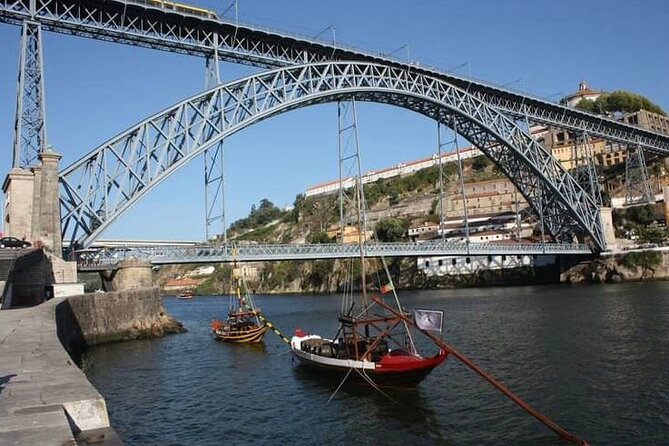
As you head toward Praca da Ribeira, the tour leans into Porto’s signature mood. This is described as the postcard picture spot, and it’s also a former market, so you get both scenic views and a hint of trade history.
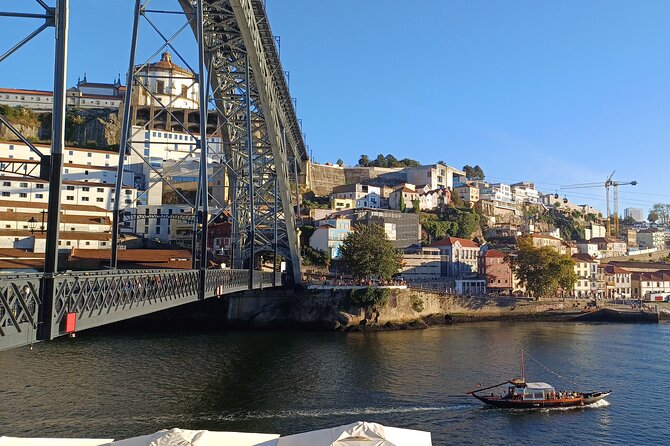
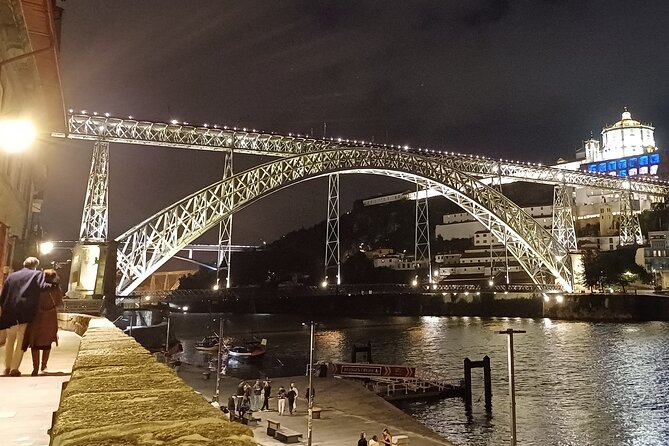
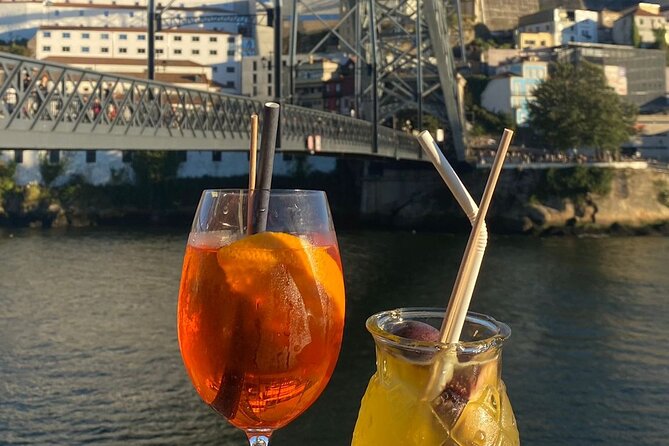
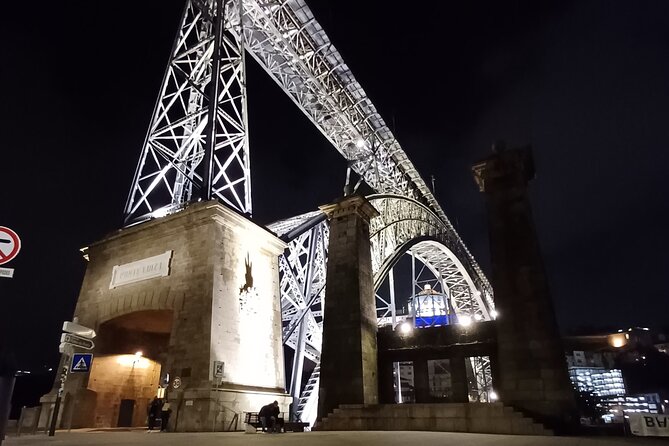
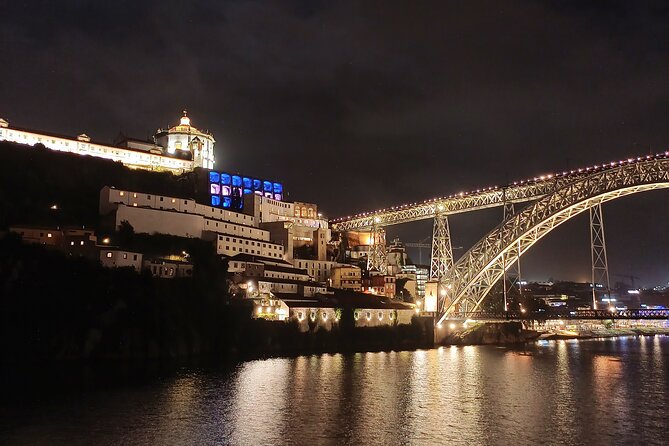
Then you cross Dom Luis I Bridge, one of the city’s most iconic bridges. The guide will talk about its stories, and even if you’re not a bridge person, it helps because Porto’s river connection is the reason so many things make sense.
The bridge moment is where your tour theme tightens. Porto isn’t just pretty on the hills, it’s built around movement, shipping, and a stubborn relationship with the water.
Praca da Batalha to Teatro Nacional São João: Old Walls and Old Stages
Next comes Praca da Batalha, marking the limit of Porto’s old walls. It’s a short stop with free admission, and it’s useful because it gives your walk a “boundary” feeling. You understand where protection ended and daily life took over.
Then you get Teatro Nacional São João, described as the oldest theater in town. It’s a quick look, free admission, but it adds a cultural layer that many walking tours skip. Porto isn’t only churches and bookshops, it has long supported public performance.
If you’re the type who likes to connect culture to city planning, these stops help. You start seeing how space shapes people, from theaters to markets to waterfront trading.
Cafe Majestic and Mercado do Bolhão: Where Stories Meet Snacks
One standout stop is Cafe Majestic, described as a luxurious café with queues. The interesting detail is that it’s linked to JK Rowling, who has said she confirmed to have been there. Admission is free, and the tour includes going through it, so it’s more about atmosphere and context than paying for a full sit-down.
A quick practical note: if there’s a line, don’t fight it. The tour gives you the chance to experience the place without turning it into a stress test.
Then comes Mercado do Bolhão, the recently renewed city market. You’ll spend about 20 minutes here, and admission is free, with a chance to eat, drink, and shop. This is a great place to pick up small gifts or snacks that you can’t easily replace back home.
I like finishing a walking tour at a market because you can convert what you learned into something you taste. You’re already in the mindset to notice vendors, local routines, and everyday specialty items.
City Squares and Writers: Alameda Garrett and Republica
The route continues with Monumento Almeida Garrett, tied to the iconic writer whose name is on the City Hall building square. It’s another short free stop, but it helps you connect literary Porto with civic Porto.
Then you reach Praca da Republica, described as a historical square where you can understand differences in cultural aspects of locals. It’s brief and free, and the value is more about perception than sightseeing.
When you’re done, you’ll have an easier time spotting the city’s identity markers. Porto starts to feel less like separate attractions and more like one connected story.
Price and Value: What You Pay For, What Might Cost Extra
The price is $60.01 per person for an approximately 3-hour private walking tour in English. For me, the value isn’t only the sights, it’s the way the guide helps you attach meaning to each stop. When someone like Rui Silva gives you context, you get more from the time you spend in each place.
The tour includes coffee and/or tea, espresso, and a pastry. That small start matters, especially if you’re beginning on an empty stomach and want energy before walking.
What’s not included: admission for some stops. The big names where admission is not included include Torre dos Clérigos and Livraria Lello, plus the museum and a couple of other interior or ticket-based spots. You’ll still get a lot from the guided walk and exterior moments, but you should plan for possible add-on ticket costs if you want to go inside.
If you’re traveling as a couple or small group, private guiding can feel like excellent value. If you’re solo and trying to keep every euro tight, you may want to check which optional interiors you truly care about.
Who Should Book This Porto Tour, and Who Might Skip It
This is a strong fit if you want a structured walk without feeling trapped in a rigid checklist. You’ll like it if you enjoy stories, cultural context, and a guide who can point you toward food and what to do at night.
It’s also ideal if you care about details that go beyond the headline attractions. The route touches Jewish neighborhood history, art spaces like Miguel Bombarda, and the river-based explanation for Porto’s development.
It may not be your best choice if you hate walking or you want a strictly ticketed experience with no optional costs. Also, since good weather is required, it’s not the kind of plan I’d chase if your schedule is inflexible during rainy days.
Should You Book This Porto Walking Tour?
Yes, if you want an efficient first look at Porto that feels more like local understanding than a photo sprint. The 3-hour format, private guiding, and the extra planning help for food and Fado make it a practical use of time.
Book it if your priorities include azulejos at São Bento, a guided sense of time at the cathedral area, and river moments from Ribeira to Dom Luis I Bridge. Skip or adjust expectations if you only want fully included paid entrances, because some of the most famous interior stops are not included and you may need to pay separately.
If you’d like a Porto itinerary that starts with context and ends with you ready to eat and explore on your own, this one is a smart call.
More Walking Tours in Porto


More Tours in Porto





More Tour Reviews in Porto


Keep comparing: recently reviewed experiences around Porto
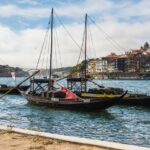








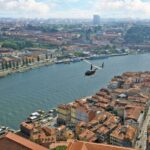
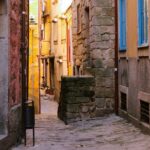

Porto City Walks, compared.
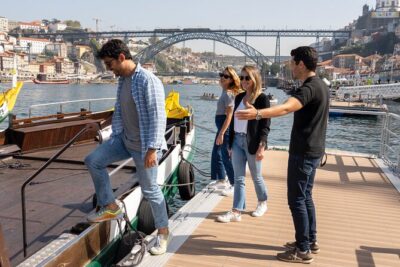 ★ 5.0Porto Walking Tour, Lello Bookshop, River Cruise and Cable CarFrom $723,354 reviews
 ★ 4.8City Highlights 3-Hour Guided Electric Bike TourFrom $513,092 reviews
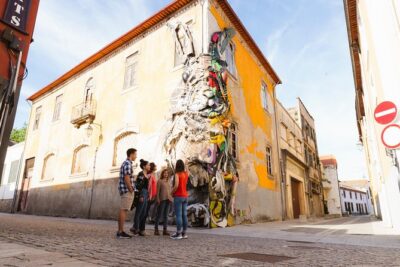 ★ 5.0Experience Porto’s Charm: 3-Hour Guided Walking TourFrom $352,432 reviews
 ★ 4.83-Hour Guided City Highlights Walking TourFrom $342,050 reviews
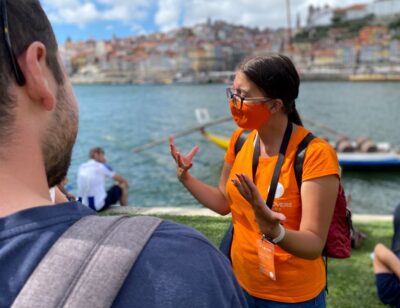 ★ 4.4Wine Tasting with Tapas Walking TourFrom $531,541 reviews
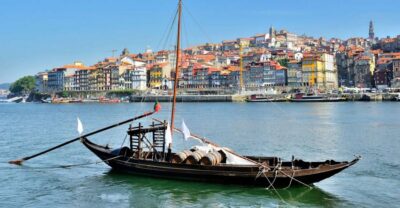 ★ 4.7Historic City Center Walking TourFrom $331,172 reviews
 ★ 5.0Porto’s #1 Walking TourFrom $01,026 reviews
 ★ 4.8Delicious Food and Wine Walking TourFrom $87977 reviews
Browse the lists this tour appears in