
Reviewed · PORTO CITY WALKS
Porto: Port and Douro Wine Walking Tour with 9 Tastings
Nine sips, three cellars, and real context. This Porto to Vila Nova de Gaia wine walk puts Port and Douro side by side while you sample 9 tastings, so you actually learn how to taste the differences instead of just grabbing whatever is poured. Guides like Maria and Joao are known for blending straight talk with a fun, chatty vibe that keeps the lesson moving.
I also like that the tour stays 3-hour focused, with three wine houses close enough that you spend more time tasting than hauling yourself around. The one thing to watch is the pace of drinking for a short afternoon, so plan to eat first and sip water between tastings to avoid getting a little too “enthusiastic.”
Key things to know before you go
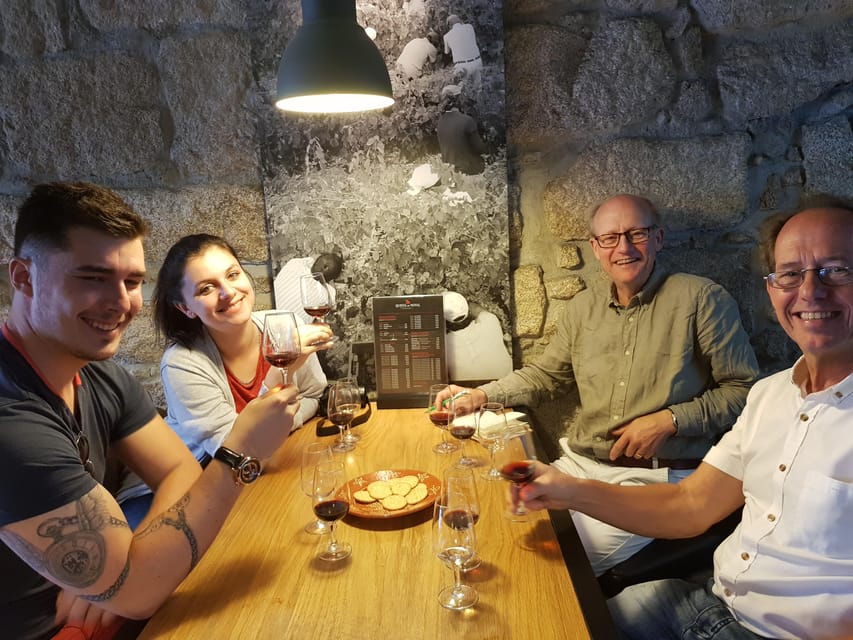
- Three Gaia wine houses, one smooth route: Vasques de Carvalho, Fonseca, and Solar dos Dragos.
- 9 tastings of Port and Douro styles with explanations on what you are tasting and why it tastes that way.
- Port styles versus Douro wines, explained in plain language so labels start making sense.
- Small-group attention that gives you room to ask questions and compare notes.
- A relaxed walking pace that still includes a bit of uneven terrain in and around the cellar district.
- A pairing moment at the last stop is possible, with bread, olive oil, and cheese mentioned in guidance from the cellars.
Why Vila Nova de Gaia is the smart base for Port tastings
Porto is famous, but the Port business runs across the river. Vila Nova de Gaia is where the cellars live, and that matters because you are tasting in context. You are not just in a bar. You are in the place where wines are stored, measured, and discussed by people who deal with them every day.
This tour leans into that advantage. The meeting point is right by the riverfront tourism office, so you can get your bearings fast before you start. Then you walk through the Gaia cellar district at a pace that feels like an afternoon plan, not a timed sprint.
If you want a Porto experience that goes beyond photo spots, this is it. You get the geography too: you are seeing why Porto and Gaia belong together, even though they feel like different worlds once the tasting starts.
You can also read our reviews of more walking tours in Porto
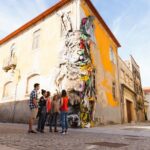

Three hours, nine tastings: how the pacing keeps it fun
The structure is built for focus. You spend time at three wine houses, and each stop has a full tasting slot that gives the guide and the cellar staff enough time to explain without rushing your questions.
That pacing does two things for you:
- It prevents the classic tasting-tour problem where you get poured into a blur.
- It makes comparison easier, because you can remember what you liked (or didn’t) from the previous glass.
One practical note: tastings stack up. Even with careful pacing, you are drinking multiple Port and Douro varieties in a short period. So I treat this like a wine-adjacent food event. Eat a hearty meal before you go, and keep sipping water as you go. Your last few tastings will taste way better when you are not fighting a hollow stomach.
Stop 1: Vasques de Carvalho and your Port baseline
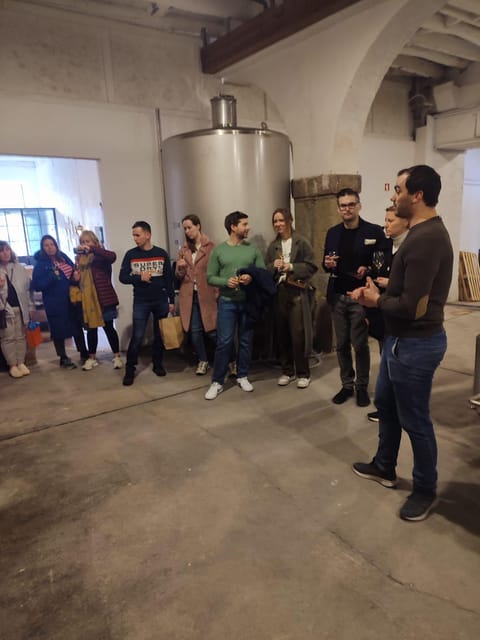
You start at Vasques de Carvalho, Port Wine. This first stop is your calibration point. You get a chance to understand what kind of Port you are encountering and how the flavors shift from one style to another as you move through the afternoon.
Why this matters: if the tour begins with a “baseline” tasting, you are better prepared to notice changes later. By the time you hit the more famous cellars, you can actually track what you are tasting instead of starting over in your head.
You also learn tasting technique here in a way that sticks. The guide talks through production and tasting approaches, then you apply it immediately. That’s the real win of the first stop: you leave it with a method, not just memories.
Stop 2: Fonseca Port Wine Cellars and the cellar atmosphere effect
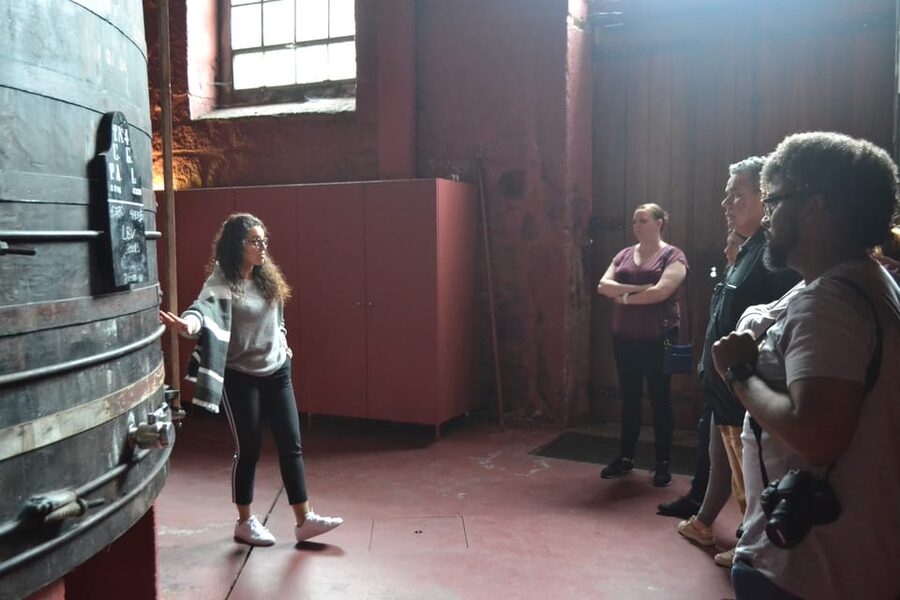
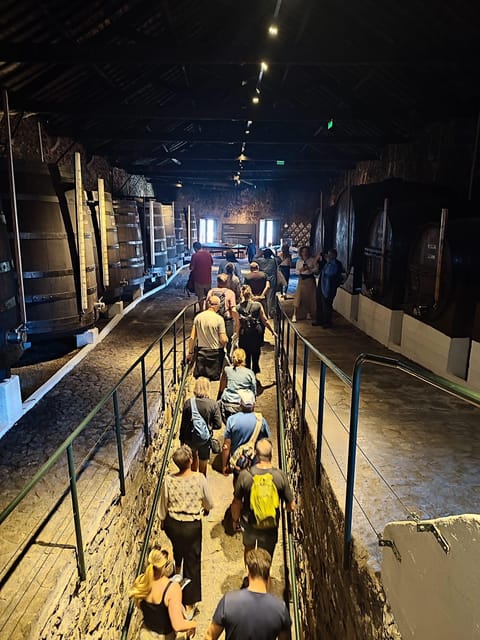
Fonseca Port Wine Cellars is the next step, and it brings a big change in energy. The cellar atmosphere is part of the experience, because you understand that Port is not just a flavor choice. It is storage, time, and tradition.
This stop is also where you benefit most from having a guide doing the translating. Port can feel confusing if you only look at bottle labels. Here, the guide keeps the comparison moving, so you understand what differentiates Port styles from one another and how those differences show up in the glass.
I like that the tour keeps the tone relaxed. Even if you are a wine novice, you can ask questions without feeling like you need to study beforehand. And if you are a wine lover, you still get enough structure to make your tasting notes meaningful.
Stop 3: Solar dos Dragos Porto and Douro Wines, where Port meets Douro
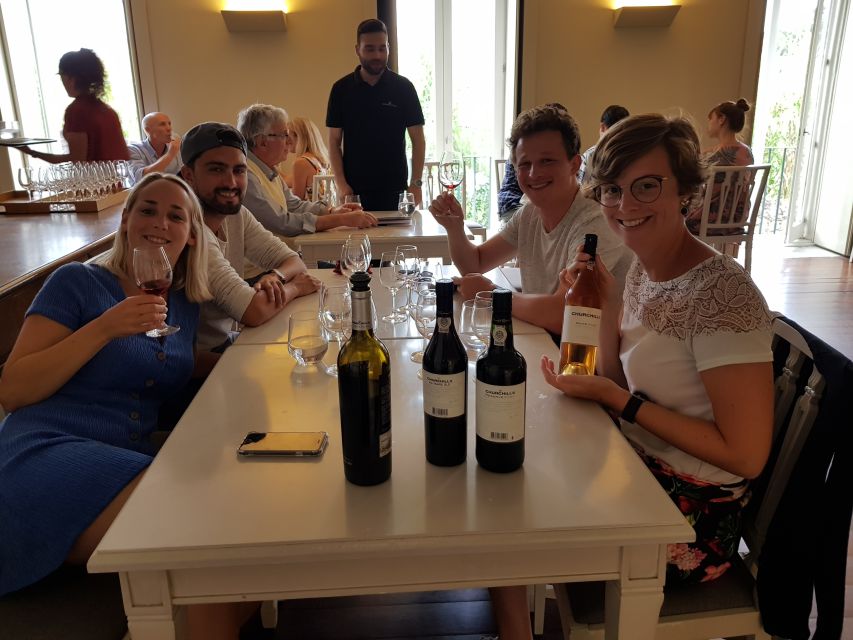
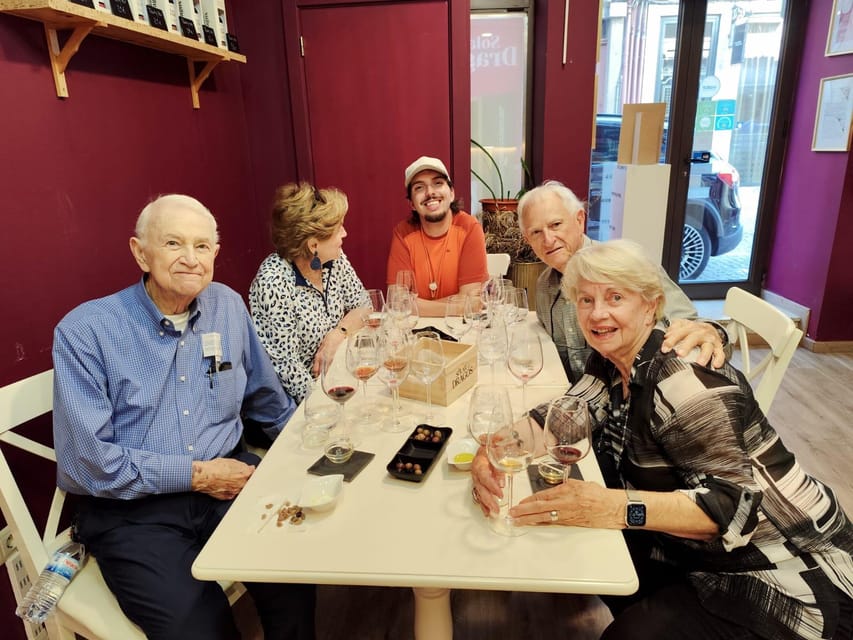
The final stop is Solar dos Dragos Porto and Douro Wines. This is where the tour’s Port-versus-Douro lesson really clicks, because you are not just tasting Port again. You shift toward Douro wines and learn how they differ.
The guide is also working in the history thread here. The Douro Valley is highlighted as Portugal’s first demarcated wine region, and that framing helps you understand why these wines have such a distinct identity tied to place.
One extra perk you should consider planning for: at the last location, some groups have been able to enjoy small pairing bites such as bread, olive oil, and cheese alongside the final pours. Even if you do not get the exact same pairing, the idea is consistent: food helps you reset your palate between tastings.
You can also read our reviews of more wine tours in Porto


The Douro Valley story you actually remember
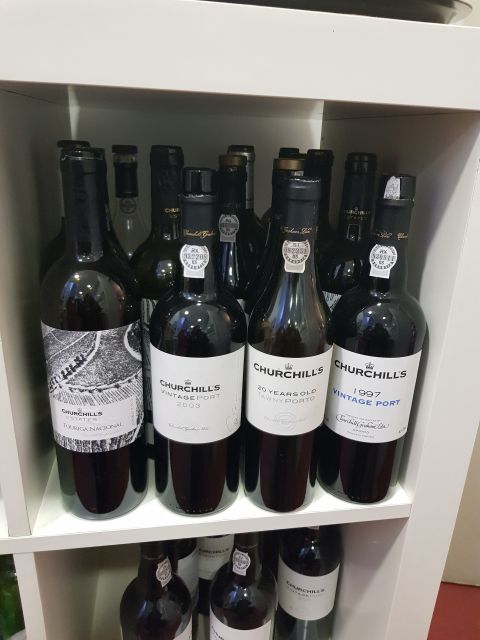
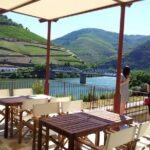
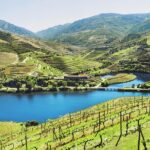
Most wine tours sprinkle history like seasoning. This one uses history as a reason for what you are tasting. The standout point is the emphasis on the Douro Valley as the first demarcated wine region. That simple fact gives weight to everything else you taste, because it explains why regional identity matters so much in Portugal.
Then the guide ties that story back to the glass. You learn about both Port and Douro wines, along with how to appreciate the nuances you are tasting. Instead of leaving with a list of wines you tried, you leave with a sense of how geography and style shape flavor.
If you care about authenticity, this is a good kind of learning. It is not just facts. It is facts linked to sensory experience.
Port and Douro wine tastings: what you will notice by the end
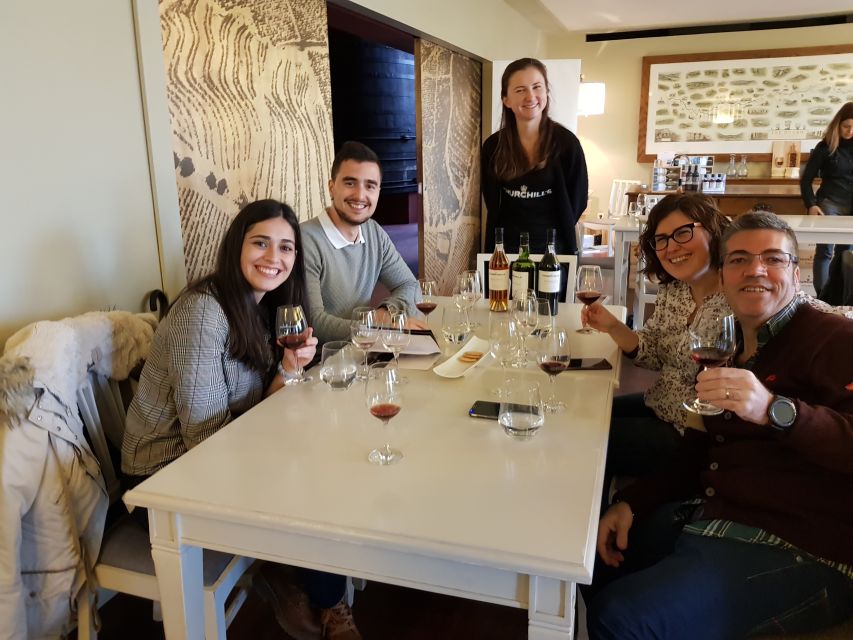
By the time you finish the third cellar, you will likely be doing something you rarely do at tastings. You will start sorting flavors by style and structure, not just by sweetness or strength.
That’s the payoff of the tour format:
- You taste multiple varieties in a guided sequence.
- You get explanation at the exact moment you need it.
- You learn to pay attention to the differences, so the last glass does not feel like a repeat.
If you like hands-on learning, this is the kind of experience that improves your next bottle purchase. You will have a better shot at recognizing what you actually enjoy, not just what you expected to enjoy.
Value check: what $57 buys you in Gaia
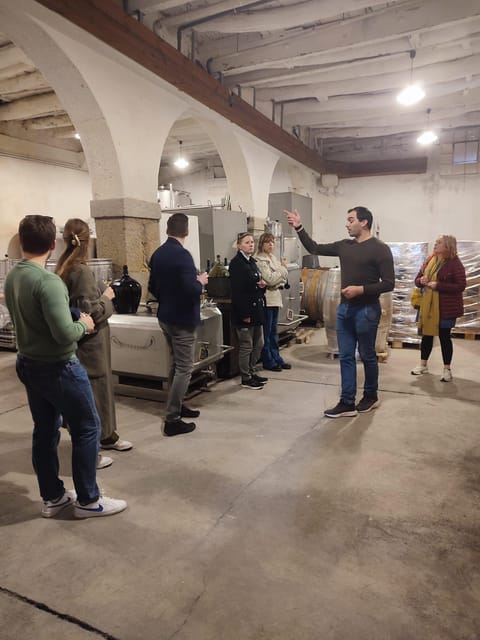
At about $57 per person for a 3-hour guided walking tour, you are paying for more than a sip. You are paying for:
- a professional local guide,
- visits to three wine houses,
- and nine wine tastings of Port and Douro varieties.
That is real value in this part of Portugal, because tastings and guided interpretation add up quickly when you try to build it yourself. The money also buys convenience. Three stops within a walk in the Gaia cellar district is exactly the setup you want when you have limited time.
And because the tour is designed for small groups, you are not stuck in a large crowd waiting your turn. That personal attention is often what makes the learning feel worth it.
What to do before you go so the tour feels effortless
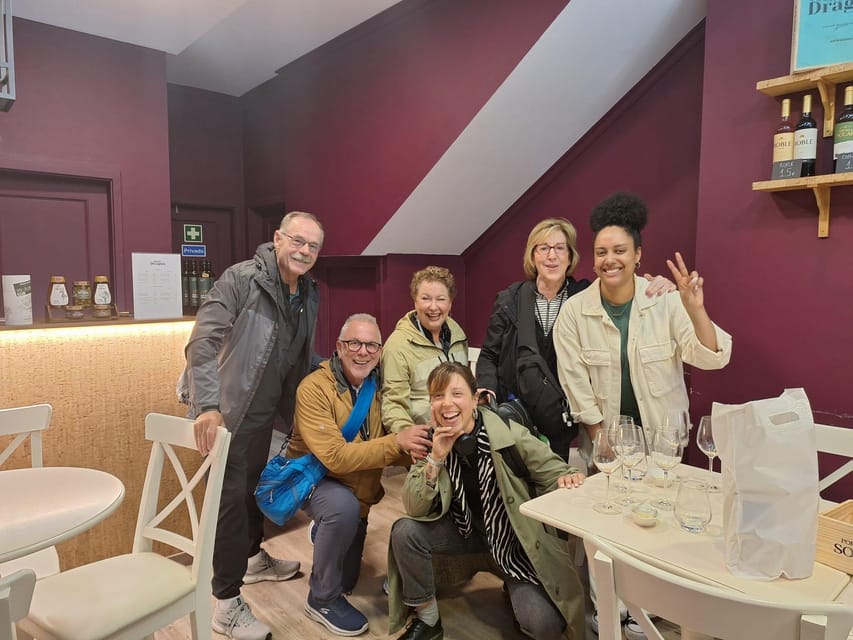
Here’s how to make this run smoothly, especially if it is warm or sunny.
First, wear comfortable shoes. The tour involves a small amount of walking, but the ground around cellar areas is not always perfectly flat.
Second, eat beforehand. Multiple people have described the same practical takeaway, that you should come with food onboard. Tastings in a short window can sneak up on you.
Third, consider bringing water. Guides may provide water during the experience, but having your own bottle is smart if the weather is hot, or if you are the kind of person who likes to sip steadily.
If you are packing, skip the luggage. Large bags are not allowed, so travel light.
Who this tour is best for, and who should skip it
This is a great fit for you if you:
- want Port and Douro education without doing research on your own,
- like structured tasting with a guide translating the differences,
- want to meet people in a small-group setting, and
- have only a half-day in Porto and want the best nearby payoff across the river.
It is not the best choice if you are traveling with children under 18 or if you have mobility impairments, since the tour is not suitable for those needs. Also, if you hate any walking at all, be aware there is some walking between stops.
Language is another plus. Live guiding is offered in English and Portuguese, so you can understand what you are tasting and why it matters.
Should you book this Porto Port and Douro walking tour?
If you want a Porto experience that feels both authentic and practical, I would book it. You get three real cellar stops in Vila Nova de Gaia, guided instruction, and a tasting lineup designed to teach you Port styles and Douro wines in a way you can remember later.
Skip it only if you know you do not want to drink multiple glasses in three hours, or if the walking and standing time will be uncomfortable for you.
FAQ
How long is the Porto and Douro wine walking tour?
The tour lasts 3 hours.
Where does the tour start?
Meet your guide outside Posto de Turismo / Loja Interativa de Turismo along the main riverfront sidewalk.
How many wine houses and tastings are included?
You visit three wine houses in Vila Nova de Gaia, with 9 wine tastings of Port and Douro wines included.
What languages is the tour guide available in?
The live tour guide offers English and Portuguese.
Is luggage or a large bag allowed?
No, luggage or large bags are not allowed.
Is the tour suitable for children or people with mobility impairments?
No, it is not suitable for children under 18 years old or for people with mobility impairments.
More Walking Tours in Porto

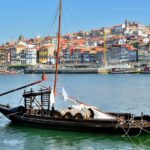

More Tours in Porto


More Tour Reviews in Porto

Keep comparing: recently reviewed experiences around Porto








Porto City Walks, compared.
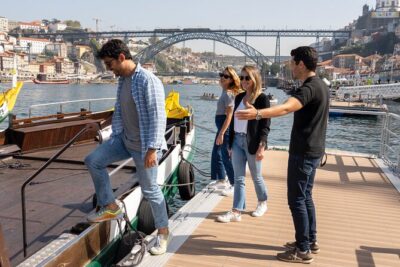 ★ 5.0Porto Walking Tour, Lello Bookshop, River Cruise and Cable CarFrom $723,354 reviews
 ★ 4.8City Highlights 3-Hour Guided Electric Bike TourFrom $513,092 reviews
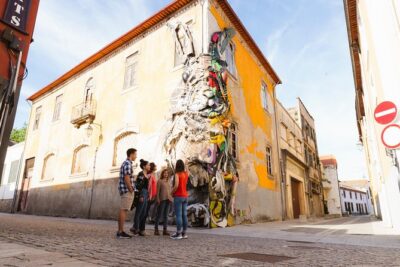 ★ 5.0Experience Porto’s Charm: 3-Hour Guided Walking TourFrom $352,432 reviews
 ★ 4.83-Hour Guided City Highlights Walking TourFrom $342,050 reviews
 ★ 4.4Wine Tasting with Tapas Walking TourFrom $531,541 reviews
 ★ 4.7Historic City Center Walking TourFrom $331,172 reviews
 ★ 5.0Porto’s #1 Walking TourFrom $01,026 reviews
 ★ 4.8Delicious Food and Wine Walking TourFrom $87977 reviews
Browse the lists this tour appears in