
Reviewed · PORTO CITY WALKS
Porto Old Jewish Quarters Half-Day Walking Tour
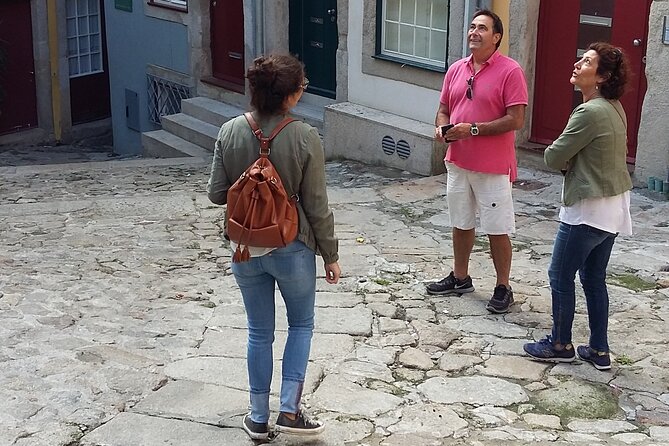
Porto hides Jewish clues in plain sight. This half-day, 3-hour walk connects a few real locations to centuries of Sephardic life and the people who kept the story alive, including Captain Barros Basto, often described as the 1920s Portuguese Dreyfus. You also get a private-group feel with an English-speaking guide who steers your attention to what you might otherwise miss.
I especially like how the tour uses two high-impact stops, the Catedral do Porto area and the Miradouro da Vitória viewpoint, to frame the city’s Jewish footprint. I also like the pace and clarity: medium walking, plenty of time to ask questions, and a route centered in the historical city core, not a long bus ride to random sites.
The main drawback is expectation-setting. The synagogue in Porto is currently closed to visitors, and this tour does not go into the synagogue area, so you should be ready for a story-driven walk more than a stop-and-see sightseeing checklist.
Key highlights you will actually feel
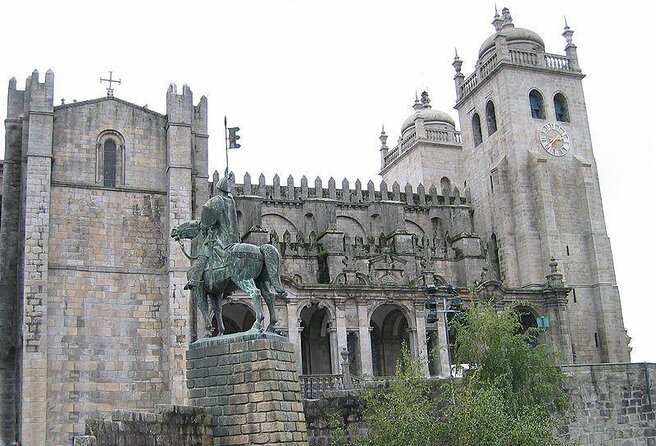
- Cathedral do Porto tied to a 12th-century synagogue site: the walk points to where the first synagogue in the city area existed.
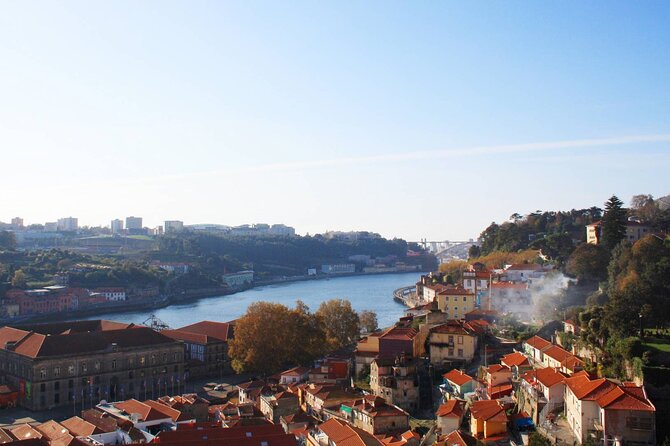
- Miradouro da Vitória as the last major Jewish quarter viewpoint: you get context from above, where the quarters make more sense.
- Captain Barros Basto story: a 1920s Portugal chapter that adds drama and human stakes to the centuries before.
- Private-group tour with a professional guide: you are not competing with other groups for time and answers.
- Tight historical city-center route: you stay focused, and you end near Cordoaria for an easy finish.
The real point of this Porto Old Jewish Quarters walk
This tour works best when you treat it like a guided urban puzzle. Porto did not preserve Jewish buildings the way some other European cities did. Over centuries, structures changed, and physical evidence got covered over. So instead of expecting a trail of intact synagogues and memorials, you get a guided explanation of how the community’s presence shaped streets, neighborhood patterns, and later Portuguese narratives.
That approach can feel either perfect or underwhelming, depending on what you want. If you like learning from small clues, asking questions, and connecting old names to modern corners, you are going to enjoy this. If you want lots of tangible, stand-alone Jewish sites to visit, you might feel shortchanged, especially with the synagogue currently closed.
I also like the human scale here. It is not just dates. The tour aims to bring the people forward, including the Captain Barros Basto story, which gives you a jump from medieval traces to a 20th-century Portugal moment when identity and public life collided.
You can also read our reviews of more walking tours in Porto

Where you start, where you end, and how to plan your morning
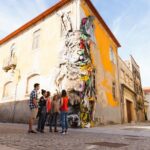
The tour begins at Porto Cathedral, in Terreiro da Sé (a central square that is easy to recognize). There is no hotel pickup or drop-off, so you need to get yourself to the meeting spot. The good news is that it is near public transportation, which matters in Porto, where moving around on foot can mean hills and curves.
You finish at Cordoaria, open for you to head onward by foot or transit. That matters because you might want to extend your day. Even with the synagogue area not included, many people choose to keep exploring afterward, and Cordoaria is a practical place to hand off from a walking tour.
Timing-wise, it runs about 3 hours. That is enough time for a guided explanation and a relaxed pace on uneven streets, but not so long that you are wiped out for the rest of the day.
Stop 1, Catedral do Porto: the 12th-century synagogue clue
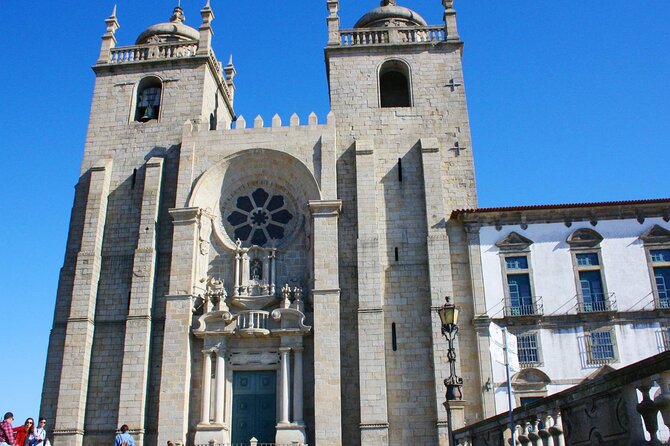
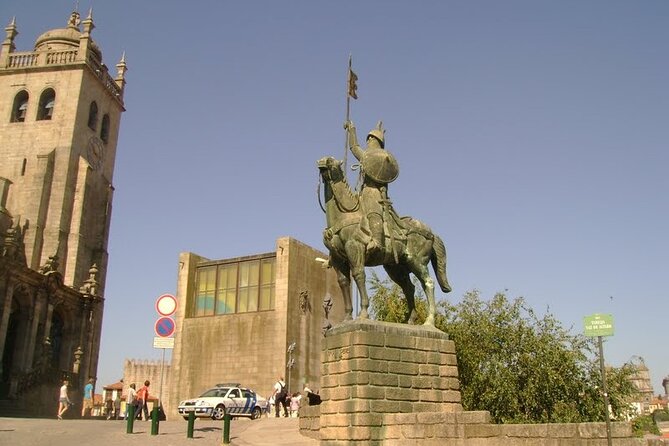
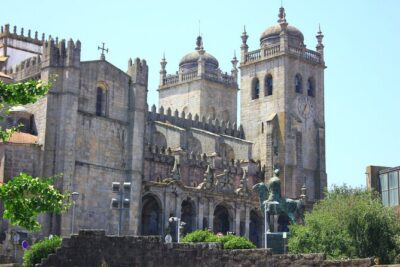
Your first stop is at the Catedral do Porto area, where the story connects to the 12th-century presence of a synagogue in the city. Admission here is free, and the stop lasts about 30 minutes.
What makes this stop worth your time is not a building you will walk inside. It is the context. You are learning where the community first anchored itself in Porto, and how the city’s later religious dominance changed what you can still see on the ground.
A practical tip: take a moment to look around at how the cathedral precinct sits within the older city fabric. Your guide will likely help you translate what you see now into what once existed. If you only glance and move on, you might miss the whole point. Slow down. Ask one or two questions while you are there, especially about why physical traces can be scarce.
Also note the tour does operate in all weather. Cathedral squares can get windy and cold in winter and bright-hot in summer, so dress accordingly.
Stop 2, Miradouro da Vitória: the Jewish quarter from above
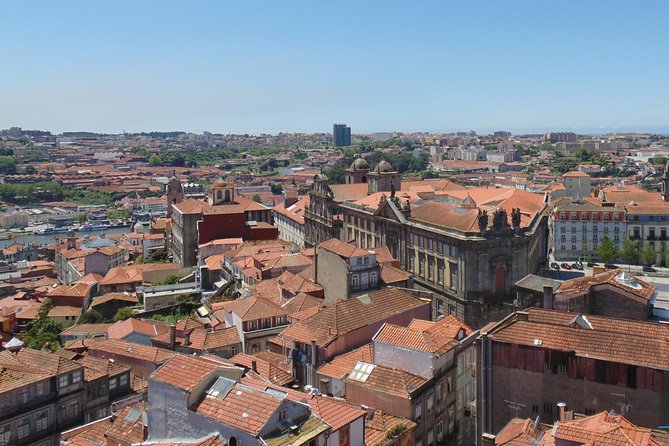
The second stop is Miradouro da Vitória, which the tour frames as the last and most important Jewish Quarter Porto had. The stop is about 20 minutes, and admission is free.
This is the kind of viewpoint stop that helps you re-map the city in your head. From up here, hills and street angles start to make more sense, and you can better understand how neighborhoods relate to one another. Even if you are not a fan of lookout points, this one is doing real interpretive work.
You should also anticipate the physical reality of Porto. The walk includes a medium amount of walking with some uphill sections. If you are traveling in hot weather, this second stop can feel like the city’s little reminder to slow your pace and hydrate.
One more expectation point: because the synagogue area itself is not part of this tour, Miradouro da Vitória is your main “big context” anchor. You are not going to leave with a long list of intact Jewish structures. You leave with a clearer mental map of where the community likely lived and why the setting mattered.
Captain Barros Basto, the Portuguese Dreyfus, and why it matters
One of the most compelling parts of the tour is the story of Captain Barros Basto, described as the 1920s Portuguese Dreyfus. That framing signals that this is not only a medieval tale.
Instead, you get a later chapter that connects identity, public life, and conflict. Even if you know nothing about Portuguese Jewish history going in, this kind of narrative turn helps the tour feel current. It is easier to remember people when the story includes tension and stakes, not just names and dates.
I like that the tour uses Captain Barros Basto as a bridge. It helps you understand that community history is not a straight line from past to present. It is shaped by laws, politics, religious power, and the choices people make under pressure.
More Porto river cruises, city walks, and northern Portugal day trips to compare




The walking reality: hills, shoes, and bathroom math
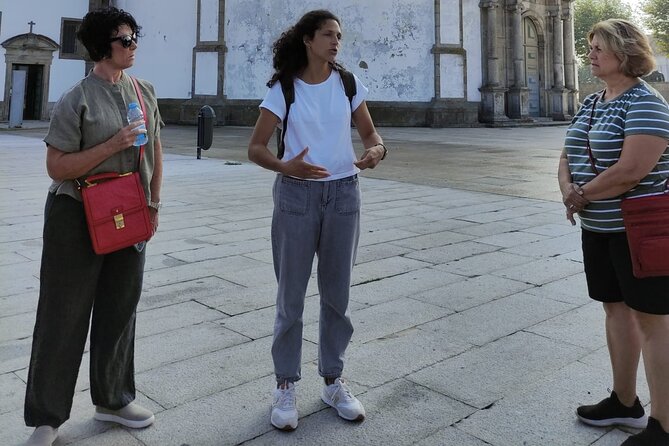
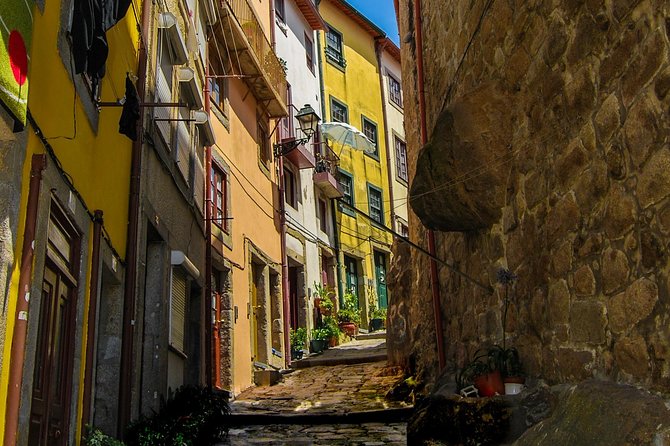
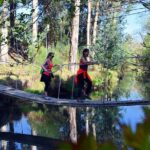
This tour involves a medium amount of walking. In Porto, that usually means cobbles, tight lanes, and at least some uphill. Comfortable shoes are a must, and you will feel it more if you are used to flatter cities.
Plan for the “effort budget.” If you are arriving tired or you have luggage to manage, this might not be your easiest start. The tour is best when you can give the walking a little attention.
Also, do not assume you will have bathroom options on the route. One piece of feedback pointed out limited toilet stops. I would treat that as a gentle warning, not panic. If you need facilities, use them before the tour begins.
The upside is that the guide can steer you through streets efficiently, and the route stays within the historical city center area. That keeps the day focused.
Who this tour is for (and who should skip it)
This experience fits best if you:
- like walking tours that explain what you are seeing and why it matters
- enjoy Jewish and Sephardic stories, even when the physical remains are hard to spot
- want a private-group guide who can answer questions without the crowd pressure
It may not fit if you:
- expect to enter the synagogue in Porto or see a lot of intact Jewish structures
- prefer museum-style stops over interpretation and imagination
- need a completely flat walking route
If you travel with children, they must be accompanied by an adult. And if you rely on service animals, service animals are allowed.
Price and value: what $60.01 buys you in Porto terms
At $60.01 per person for about 3 hours, the value comes from what is included, not what is optional. You are paying for a professional guide and the structured walk through central areas that connect the story to place.
Two details push the price into the “reasonable” zone for many travelers:
- Private-group format: you are not mixing with strangers in a big crowd.
- The guide’s job is interpretation, since you cannot count on open-access synagogue buildings on this route.
Still, it is fair to say this is not a sightseeing bargain if your definition of value means lots of visible, stone-on-stone Jewish heritage structures. The tour leans hard into context because centuries of domination and expulsion erased many physical traces. That is also why your guide matters. Strong storytelling turns a few stops into a coherent understanding.
If you like spending time thinking, asking questions, and connecting the present to the past in real streets, you will feel like you got your money’s worth.
Making the most of it: small prep that pays off
A few simple things will improve your day:
- Wear comfortable shoes and plan for some uphill.
- Bring water in warm months, and move at a slower pace near the viewpoints.
- Go in ready to use your imagination. With limited physical remains, your guide will supply the bridge between what you see and what once stood there.
If you want to extend your learning after the walk, this tour’s end location at Cordoaria makes it easier to keep exploring on your own.
Should you book Porto Old Jewish Quarters?
Book it if you want a thoughtful, place-based walk through Porto’s Sephardic Jewish footprint, even when the evidence is subtle. This is ideal for history-minded travelers who enjoy guides who can make urban clues click.
Skip it, or at least adjust your expectations, if you are specifically hunting for an open synagogue visit. The synagogue is currently closed to visitors, and this tour will not visit the synagogue area, so the “see it for yourself” factor is limited.
If your goal is to understand how Porto’s Jewish community lived, got pushed, and left traces through time, then this half-day route is a smart way to get oriented fast.
FAQ
How long is the Porto Old Jewish Quarters Half-Day Walking Tour?
The tour lasts about 3 hours.
What is included in the price?
The tour includes a professional guide. Entrance fees, if any apply during the walk, are at your own expense.
Is the Porto synagogue visited on this tour?
No. The synagogue is currently closed to visitors, and this tour does not visit Porto’s synagogue area.
Where does the tour start and end?
It starts at Porto Cathedral, Terreiro da Sé, 4050-573 Porto, Portugal, and ends at Cordoaria, 4050-598 Porto, Portugal.
Do I need hotel pickup or drop-off?
No. There is no hotel pickup or drop-off, so you will meet at the cathedral area and finish at Cordoaria.
What is the cancellation policy?
You can cancel for free. You can cancel up to 24 hours in advance for a full refund, and changes within 24 hours of the start time are not accepted.
More Walking Tours in Porto
More Tours in Porto





More Tour Reviews in Porto

Keep comparing: recently reviewed experiences around Porto







Porto City Walks, compared.
 ★ 5.0Porto Walking Tour, Lello Bookshop, River Cruise and Cable CarFrom $723,354 reviews
 ★ 4.8City Highlights 3-Hour Guided Electric Bike TourFrom $513,092 reviews
 ★ 5.0Experience Porto’s Charm: 3-Hour Guided Walking TourFrom $352,432 reviews
 ★ 4.83-Hour Guided City Highlights Walking TourFrom $342,050 reviews
 ★ 4.4Wine Tasting with Tapas Walking TourFrom $531,541 reviews
 ★ 4.7Historic City Center Walking TourFrom $331,172 reviews
 ★ 5.0Porto’s #1 Walking TourFrom $01,026 reviews
 ★ 4.8Delicious Food and Wine Walking TourFrom $87977 reviews
Browse the lists this tour appears in