
Reviewed · PORTO CITY WALKS
Porto Jewish Heritage Walking Tour Small group
Porto’s Jewish clues are hidden in plain sight. This 3-hour small-group walk follows Porto’s Jewish story from 12th-century coexistence to the Inquisition and the persecution of the New Christians, and it ends with the Escadas da Esnoga steps. I love how the route turns names and documents into real street corners, especially the story of Captain Arthur Carlos de Barros Basto, also known as Abraham Israel Ben-Rosh. I also like the physical payoff, the viewpoints and stair climbing that make the city’s geography feel part of the history. The one real drawback is that it involves moderate walking and steps, so comfortable shoes are not optional.
I also like the way the guide works. In English, Spanish, or Portuguese, they keep things factual, answer questions, and encourage you to form your own conclusions as the story turns darker during the Inquisition era.
Key things to know before you go
- 12th-century Jewish presence in Porto with Christian coexistence explained in plain language
- Hidden synagogue sites you would not spot on your own, tucked into narrow streets and old quarters
- Escadas da Esnoga plus the Vitória viewpoint to connect story to the city’s layout
- Arthur Carlos de Barros Basto (Abraham Israel Ben-Rosh) and how one person shaped a community
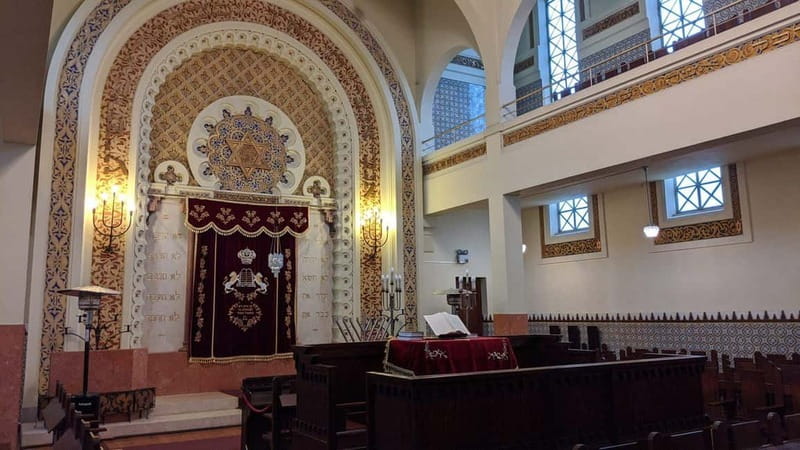
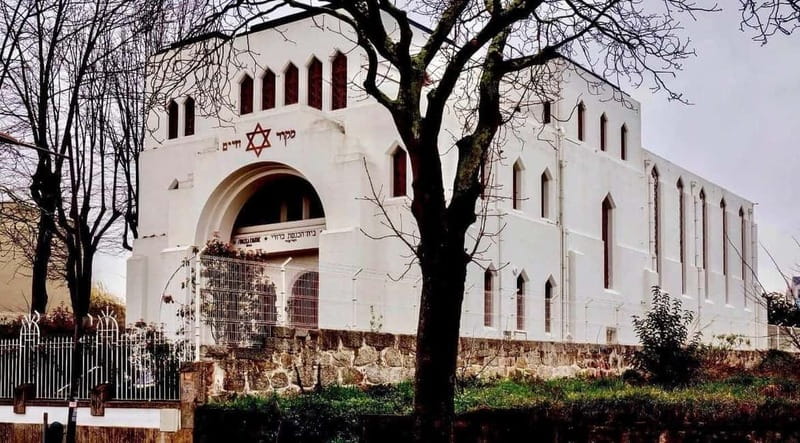
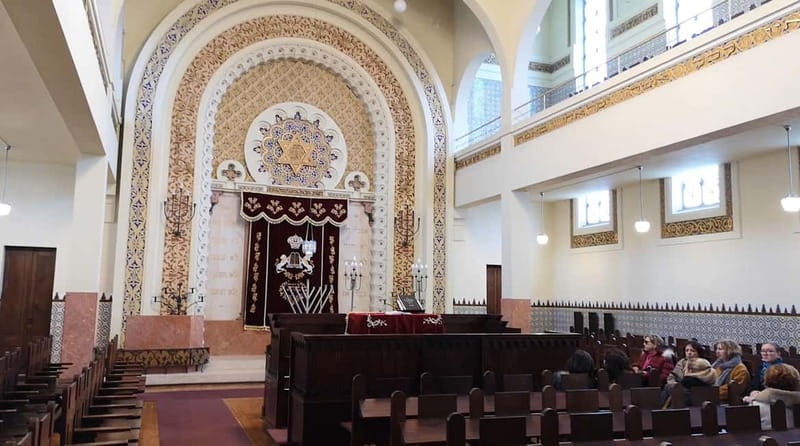
- Kadoorie Mekor Haim Synagogue connection, tied directly to Porto’s Jewish commercial and civic role
- Virtudes Garden and Montanha dos Judeus give you a higher, longer perspective to close the walk
Porto’s Jewish heritage is written into the streets
Porto can feel like it was built all at once, but you can actually read it in layers. This walk focuses on one of the big, complicated chapters: the Jewish community that was present in Porto as far back as the 12th century, lived alongside Christians for a time, and later faced suspicion and pressure as the Inquisition era tightened.
The best part is that the tour doesn’t treat this as a museum story. You move through the same kinds of tight lanes and stairways locals use. When you understand why people settled where they did, the city starts making sense in a different way, not just as scenery.
You can also read our reviews of more walking tours in Porto


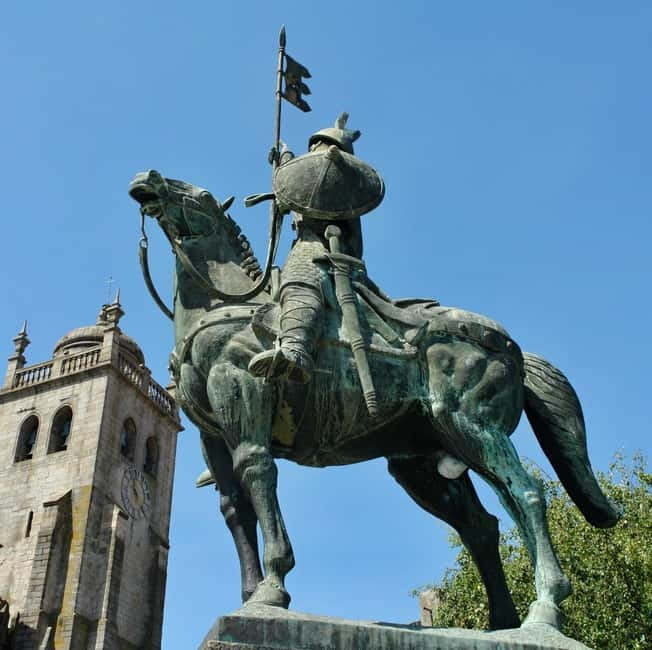
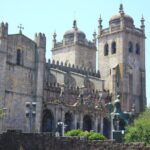
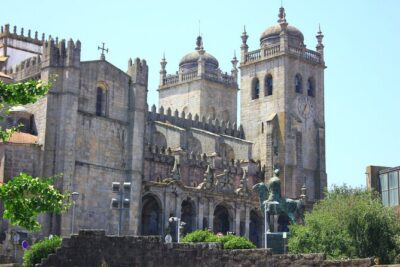
Starting near the Cathedral, with Vímara Peres as your anchor
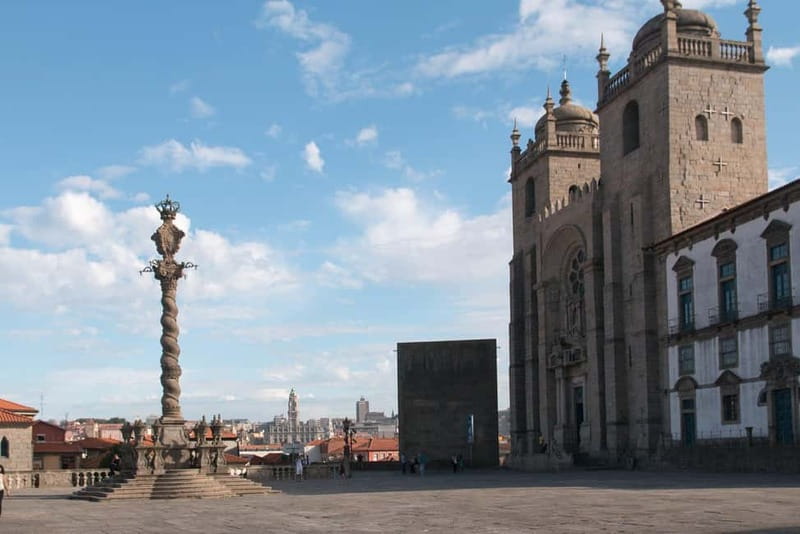
You begin at the Estátua de Vímara Peres by the Cathedral of Porto area. That matters more than it sounds. Starting here puts you in the historical gravity of the city center, then you gradually push outward into the older quarters where the Jewish story becomes more specific.
It’s a good warm-up spot because you can orient yourself fast. Porto’s hills and staircases can be confusing if you arrive hungry and jet-lagged. By the time you’re partway into the walk, your brain starts mapping the route around slopes, views, and neighborhood pockets instead of just following a line on a phone screen.
The streets of Rua Sant’ana and Rua do Comércio do Porto: where daily life meets big decisions
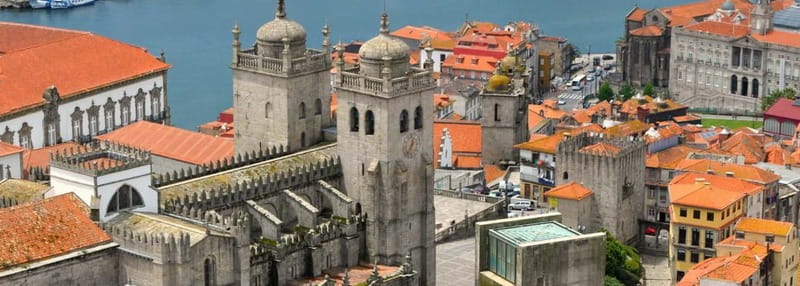
As you head along Rua Sant’ana and Rua do Comércio do Porto, the tour’s focus shifts from broad timeline to daily life and economics. Porto was not only a place where faith lived. It was also a place where trade and skills mattered, and the Jewish community is presented as part of that working city.
You’ll hear how fruitful Christian-Jewish commercial relationships helped certain families gain influence. Then the story tightens, because the same society that could cooperate also became capable of turning on people when religious and political pressure rose. The Inquisition theme is important here, because it explains why religious identity did not always stay stable.
This is one of the most useful parts for visitors: you see how a city can hold cooperation and persecution close together. It makes the later parts of Portuguese and Iberian history feel less abstract.
Hidden synagogue locations, and why the tour route feels like a clue hunt
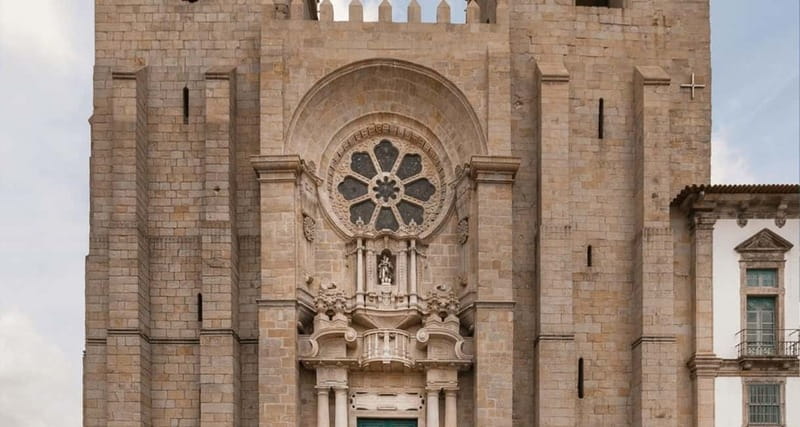
A big promise here is seeing hidden synagogues and learning the area’s history. Even without standing at every door long enough for an architectural lecture, the walk helps you understand how places can shift meaning.
The alleyways and staircases aren’t just for atmosphere. They’re part of how communities survived. When you’re shown where synagogue-related spaces were, you start noticing details you would normally walk past: building edges, street turns, and the way old neighborhoods connect up and down.
The tone stays practical. The guide does not just list facts. They explain why these sites mattered and what it meant for the people who lived near them.
The names you remember: Arthur Carlos de Barros Basto, Abraham Israel Ben-Rosh
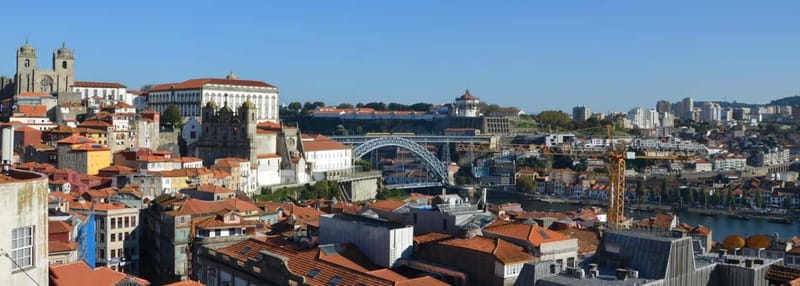
One of the standout story threads is Captain Arthur Carlos de Barros Basto, also known as Abraham Israel Ben-Rosh. The tour connects him to the founding of Porto’s Jewish community and to his role as a key contributor to the construction of the Kadoorie Mekor Haim Synagogue.
Why should you care? Because it turns a city-wide story into something human-scale. Instead of thinking only in centuries and dates, you learn how individual leadership, community organization, and institution building can affect whether a culture survives or disappears.
If you like history that feels traceable, this is the part that clicks. You leave with a name you can research later, and with a sense of why community projects mattered even when the environment became harder.
You can also read our reviews of more historical tours in Porto


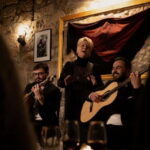



Igreja de S. Bento da Vitória and the Vitória viewpoint: history on slopes
You pass Igreja de S. Bento da Vitória as part of the route. This is one of those moments where Porto’s visual identity and its historical layers overlap. The tour uses these sightlines to help you understand what you’re seeing, not just where to stand for photos.
Then you hit the Vitória viewpoint. That stop is a smart break, because it gives you a panoramic reset. From above, Porto’s hills and neighborhoods look like a map you can finally interpret. It also helps you understand why certain communities clustered in particular zones, and how movement up and down shaped everyday life.
If you’re even moderately comfortable with walking, the viewpoint makes the later stair segment feel more reasonable.
Climbing the Escadas da Esnoga: the physical payoff of the story
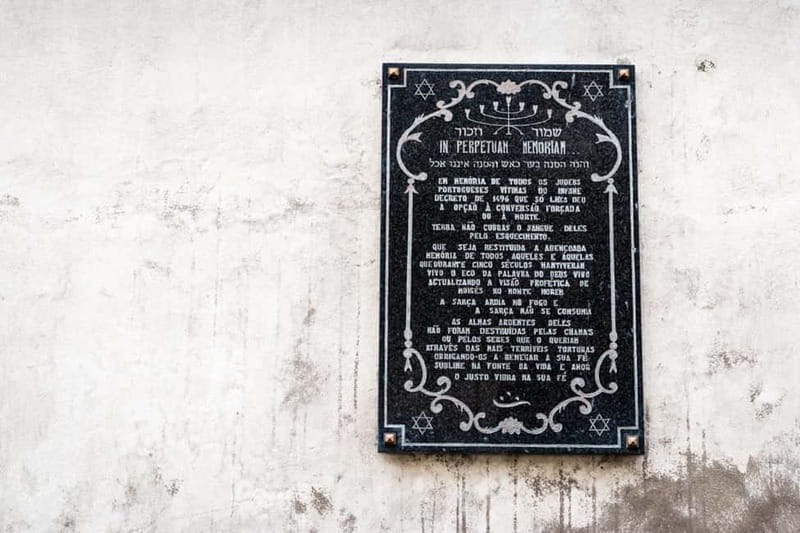
The headline feature is the Escadas da Esnoga, the Synagogue Steps. It’s the kind of place that grabs your attention quickly because it has a name tied directly to Jewish presence.
This segment is also where the tour becomes memorable in a very practical way. When you’re moving uphill on worn steps as a guide connects the physical space to historical events, you stop treating the story as background. You feel the city’s geography as part of what happened to people.
Just be honest with yourself here: this is not a flat stroll. The tour includes moderate walking and stairs, and it’s not suitable for people with mobility impairments. If you have knee issues or balance problems, you might want to rethink the tour or ask your provider what alternatives are possible.
Virtudes Garden and Montanha dos Judeus: finishing with a wide, emotional angle
The walk concludes around Parque das Virtudes, with the route also calling out the Virtudes Garden and the Montanha dos Judeus, Mountain of the Jews. Finishing at higher ground gives you a different emotional tone than starting at street level.
At this stage, you’re no longer just learning where things were. You’re processing what it meant that Jewish life could exist, cooperate, build institutions, and then face persecution. Ending with a view helps your brain absorb the scale.
One small note for planning: the tour details include both a finish near Parque das Virtudes and an indication that the activity ends back at the meeting point. So when you book, confirm the exact final drop-off spot with the operator so you can connect easily to whatever you want to do next.
Guide style and language: why small groups matter here
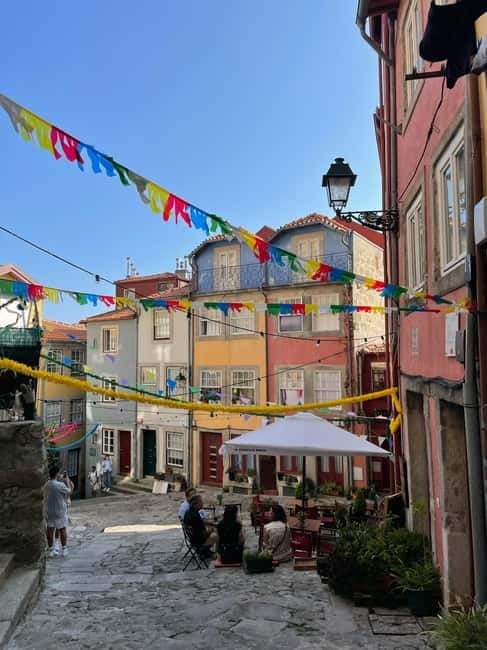
This is a small group capped at 10 people. That size is perfect for a walking tour focused on specific sites. You get time for questions, and you’re less likely to feel like you’re being rushed past a doorway while the group keeps flowing.
The guide is live and local, and the tour runs in English, Spanish, and Portuguese. That matters because Jewish heritage topics require clarity. A good guide can explain difficult themes like the Inquisition and the persecution of the New Christians without turning it into melodrama.
From the way the tour is described and how guides are praised, the style is energetic and question-friendly. You get facts, but you also get room to think.
Price and value: why $51 can be fair for 3 hours
At $51 per person for about 3 hours, this sits in a midrange price slot for Porto walking tours. The value comes from three things you actually feel while walking:
- A small group (10 max), which keeps the experience personal enough to ask questions about specific sites
- A professional local guide, with historical interpretation tied to concrete places
- Core costs covered, since taxes and insurance are included
Entries are not included, and gratuities are also not included. That’s normal for this kind of street-based heritage walk, but it affects your total spend. If you’re planning to step inside any sites during the tour window, you may need to budget separately.
Overall, the price feels reasonable if your priority is understanding what you’re seeing, not just collecting stamps.
Who should book this Jewish Heritage walk, and who might skip it
This tour is a strong fit if you want:
- A guided explanation of Porto’s Jewish community from the 12th century onward
- City walking with clear connections between place names and historical events
- A route that includes viewpoints and one signature climb (Escadas da Esnoga)
I would be cautious if:
- You need step-free routes, because the tour involves stairs and moderate walking
- You want mostly flat, low-effort sightseeing
It’s also ideal for independent travelers who like to leave a tour with names and threads they can follow afterward, like Abraham Israel Ben-Rosh and the Kadoorie Mekor Haim Synagogue connection.
Should you book Porto Jewish Heritage with a small group?
If you like history that’s tied to sidewalks, rooftops, and viewpoints, I think you should book. This is the kind of tour where the city’s geography does half the teaching, and the guide handles the rest with clear storytelling, names you can remember, and space for questions.
Just go in with the right expectations: you’re walking, you’re climbing, and you’re learning about a hard chapter of European history, especially around the Inquisition and the New Christians. If that sounds like your kind of travel, this Porto heritage walk is a smart use of a half day.
FAQ
How long is the Porto Jewish Heritage Walking Tour?
The tour lasts about 3 hours.
How big is the group?
The group is limited to 10 participants.
Where do we meet for the tour?
You meet at the Estátua de Vímara Peres at the Cathedral of Porto.
Where does the tour end?
The route finishes at Parque das Virtudes, and it also lists the end as back at the meeting point. Check your booking confirmation for the exact final stop.
What languages are available?
The live guide is available in English, Spanish, and Portuguese.
Are entry fees included?
No. Entries are not included in the tour price.
Is the tour suitable for people with mobility impairments?
No, it is not suitable for people with mobility impairments.
Is the tour pet friendly?
Yes, the tour is pet friendly.
Can I cancel for a full refund?
Free cancellation is available up to 24 hours in advance for a full refund.
More Walking Tours in Porto

More Tours in Porto





More Tour Reviews in Porto


Keep comparing: recently reviewed experiences around Porto







Porto City Walks, compared.
 ★ 5.0Porto Walking Tour, Lello Bookshop, River Cruise and Cable CarFrom $723,354 reviews
 ★ 4.8City Highlights 3-Hour Guided Electric Bike TourFrom $513,092 reviews
 ★ 5.0Experience Porto’s Charm: 3-Hour Guided Walking TourFrom $352,432 reviews
 ★ 4.83-Hour Guided City Highlights Walking TourFrom $342,050 reviews
 ★ 4.4Wine Tasting with Tapas Walking TourFrom $531,541 reviews
 ★ 4.7Historic City Center Walking TourFrom $331,172 reviews
 ★ 5.0Porto’s #1 Walking TourFrom $01,026 reviews
 ★ 4.8Delicious Food and Wine Walking TourFrom $87977 reviews
Browse the lists this tour appears in