
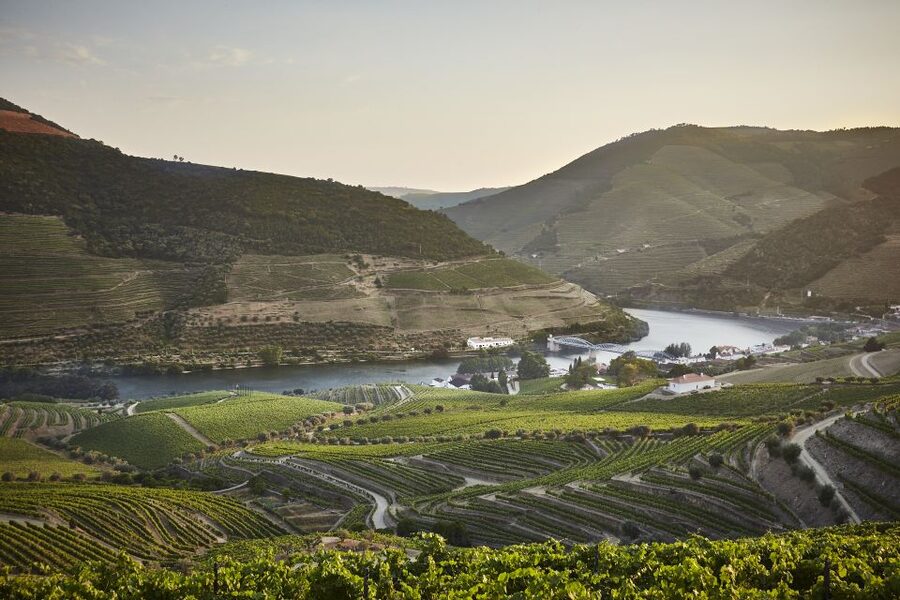
Reviewed · AMARANTE & DOURO VILLAGES
Pinhão: Quinta do Bomfim Visit and Tasting
Some places teach you how wine happens, not just how it tastes. At Quinta do Bomfim in Pinhão, you start with a guided look at the estate and then move through vineyards toward a terrace tasting with big Douro River views. On past tours I have seen guides like Mariana and Andre bring the process to life, from old cellar details to the port tradition that Symington families have kept for generations.
What I like most is the way the visit mixes real estate history with hands-on steps you can visualize, like the old wine lodge and the harvest-era port process. I also love that you get to choose a tasting path, then slow down on the terrace long enough to enjoy it, instead of rushing through sips.
One thing to watch: the tour includes walking and a fairly structured flow, so if you prefer a short, low-effort stop, you might find the pacing a bit long. Comfortable shoes help, and the tasting is set up for small-group movement, not a quiet sit-down lecture.
Quinta do Bomfim in Pinhão: a family estate tour that actually explains itself
Museum tour that sets context fast. You begin in an on-site museum with early 20th century photos and documents that frame the estate and the Douro region.
Vineyard walks with real terrain. You pick from three walks, including sections with hand-built dry stone terraces from the 18th and 19th centuries.
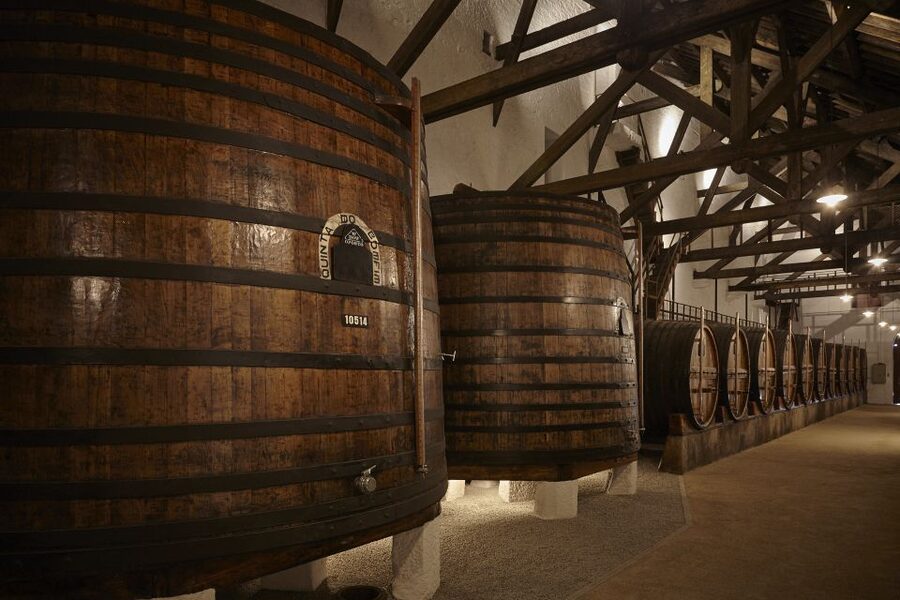
The old lodge matters. A lodge built in 1896 anchors the story of how ports were held by harvest, using a complex vat and barrel cellar.
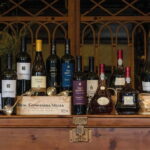
Choose your tasting flight. Your tasting can be tailored from Douro DOC, port styles, premium vintage options, or Dow’s Old Tawnies.
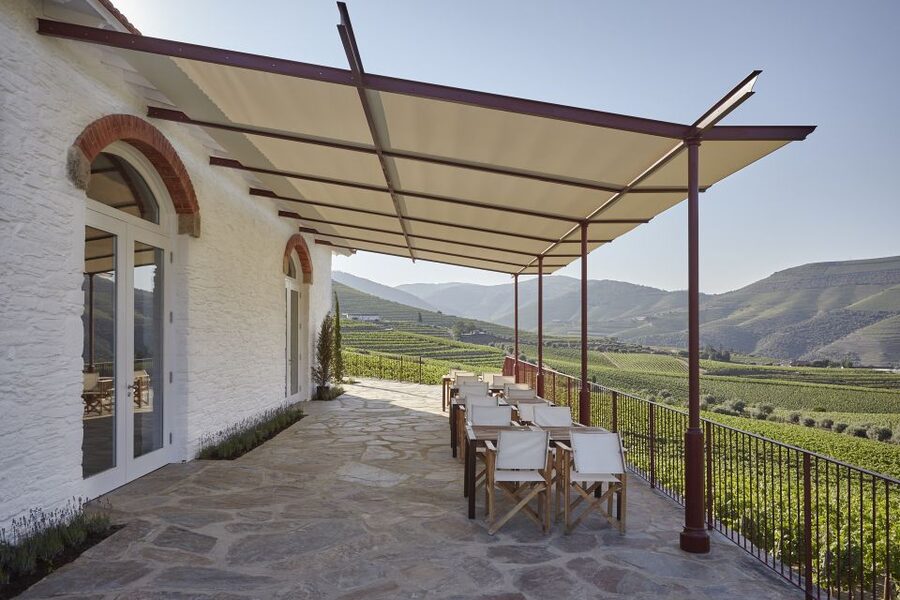
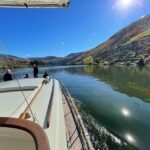
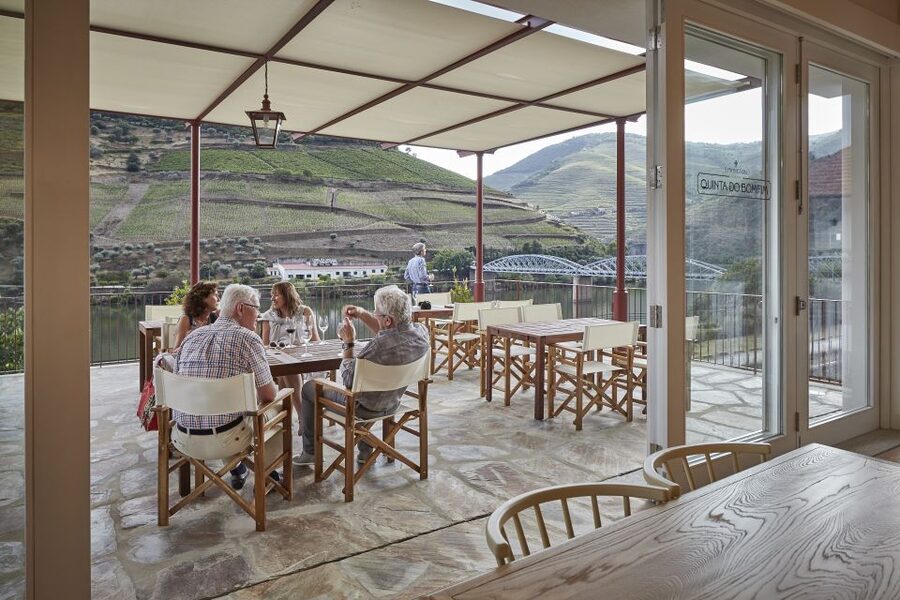
Terrace time with views. The tastings happen outdoors with scenic views of the Douro River and surrounding vineyards, so you end on a calmer note.
Museum first: what you learn in the visitor center
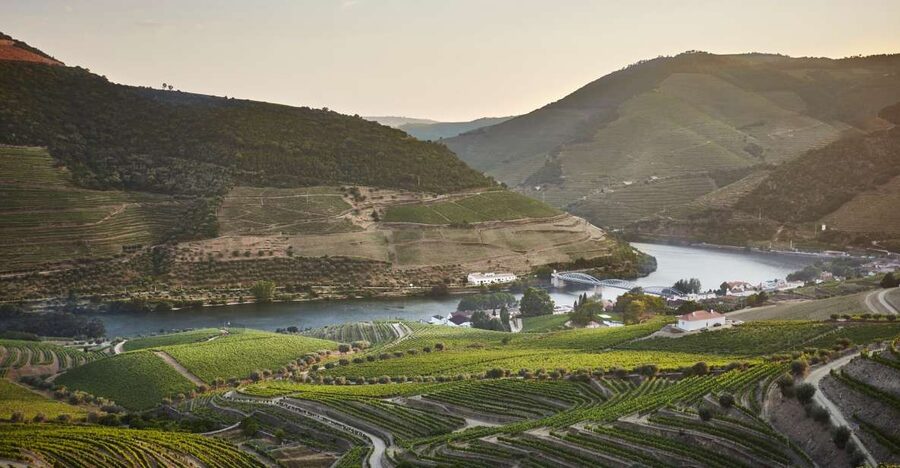
You do not start with a wine pour. You start with the estate, which is exactly why this tour works so well.
The experience begins at the Quinta do Bomfim Visitor Center, where you move into a small museum dedicated to the property, the Symington family, and the wines they produce. You will see early 20th century photographs of the Douro, plus documents that connect the Quinta to the wider story of the region. For a first visit to the Douro, this ordering helps you get your bearings fast. Instead of guessing why the landscape matters (and yes, the slopes and river bend do matter), you understand how the family and the estate shaped the wines over time.
The Symington family connection is not a marketing slogan here. The estate is owned by the Symington family for five generations, and that long timeline shows up in what the museum highlights: the estate’s continuity and the techniques that repeat, season after season.
Tip for your comfort: plan to arrive around 15 minutes early so you can check in and settle before the group starts moving. That buffer makes the whole day feel easier.
You can also read our reviews of more food & drink experiences in Pinhao

Vineyard walks you can actually pick (and why that’s smart)
After the museum, you step outside for vineyard walks. The key detail is that you do not just get one route. You choose between three walks, each offering strong views over the surrounding mountain vineyards.
That choice is more than convenience. The Douro can feel big and abstract until you connect it to walking paths and stone work you can see. Some walks include dry stone terraces built by hand in the 18th and 19th centuries. You can stand there and look at the terraces like a map of labor, not just a pretty background for photos. And those terraces explain how the region shaped grape growing in steep terrain.
You also get a good mix of viewpoints. On one route, you might focus more on the structure of the estate and the valley perspective. On another, you might get closer to terrace lines and older field edges. If you are someone who likes to match your effort to your reward, this lets you do it.
What I appreciate is the pacing: the walking segment is part of the story, not an obstacle you suffer through to earn a tasting. Wear comfortable shoes, because you are on vineyard paths, not a museum hallway.
The 1896 lodge and why the cellar feels like machinery
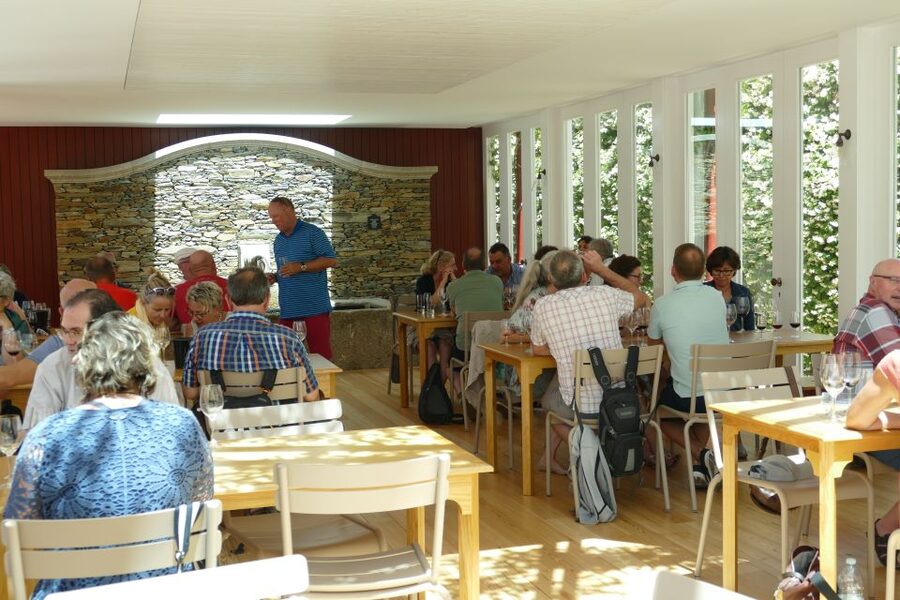
The big visual stop in this experience is the old lodge built in 1896. In the middle of the estate tour, it becomes one of those structures that makes you stop and look longer than you expected.
This lodge ties directly to how ports were handled at Quinta do Bomfim over a long period of time. You can see the vast vat and barrel cellar with a roof structure that looks engineered and intricate. The space has been used for over 100 years to hold the ports from each harvest before they are taken downriver to Vila Nova de Gaia for further maturing.
So when your guide explains it, try to listen for the sequence, not just the facts. The cellar is a bridge between field work and the later aging stages. It is where the estate’s harvest energy turns into aging time.
If you visit during harvest, you might be shown details such as grapes being received at the winery and port being made in the lagares, the troughs. If you visit outside harvest season, you should not be disappointed. The experience can include a short film showing the winery in operation, and it may include traditional treading footage from other Symington family vineyards.
Either way, you get the cause-and-effect story: what happens on the ground, where it goes next, and why the estate needs storage and handling expertise.
The terrace tasting: how the flight choices change the whole experience
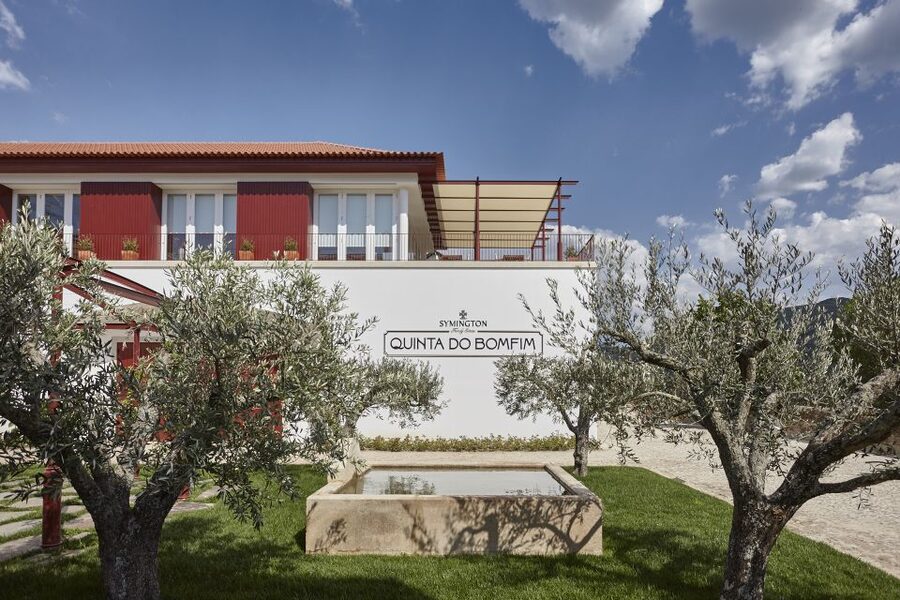
When the tour reaches the tasting portion, you shift from learning mode to enjoying mode. And the good news is you do not have to accept a one-size-fits-all flight.
You can choose from four tasting options, each with different wines:
- Douro DOC tasting
- port tasting
- premium vintage tasting
- Dow’s Old Tawnies tasting
Your included tasting is three glasses of wine, so each option gives you a focused sample set instead of a long list of tiny sips. The terrace itself is the payoff for all the walking and cellar talk. You sit in a spot with scenic views of the Douro River and the vineyards around you, which makes the tasting feel slower and more connected to place.
One detail that adds spice: Quinta do Bomfim is the birthplace of two prominent Dow’s ports in the 21st century. Dow’s 2007 Vintage Port earned a perfect 100 points from Wine Spectator. Dow’s 2011 Vintage Port was nominated N°1 Wine in the World by Wine Spectator in 2014. Even if you are not chasing scores, it helps to know the estate’s role in wines that made major headlines.
How I’d choose your tasting option
- If you want a broader sense of the Douro style, go with the Douro DOC tasting.
- If you want the estate story in the most direct way, choose the port tasting.
- If you like the idea of cellar-worthy selections, the premium vintage route can be a good fit.
- If you are curious about older-style Port character, Dow’s Old Tawnies tasting is the best match.
Small-group tasting note
The tour is limited to 10 participants, and that matters because it shapes how the guide moves and explains. Some guides are excellent at giving you a clear narrative while still keeping the group fluid. In past experiences tied to this style of tour, I’ve noticed that when a guide has to rotate table to table for explanations, it can feel a little hectic near the end. It is not a deal breaker, but if you prefer a single uninterrupted talk, plan to ask your questions as soon as your guide is at your side.
Guides can make or break the flow, and the best ones run clean
The tour is guided in English and French, and the small group size means you should actually get answers to questions, not just listen to a recording.
Several guide names come up strongly in the experience history: Rodrigues, Mariana, Andre, Leonor (also shown as Leonore), and Gabriel. The common thread in the positive notes is clarity. Guides explain the port-making process in a way that makes it understandable, not just impressive.
You also see guides described as passionate, attentive, and able to keep the tour interesting while moving from museum to vineyard to cellar to terrace. That matters because the tour is compact. You have about 1 to 1.5 hours total, so the pacing is the product.
Still, a compact structure can cut both ways. One review-style concern is that the tour can feel long-winded at points, especially if you are ready to skip ahead to the views and tasting. If you are the type who wants the highlights only, go in with a flexible mindset. The museum and lodge stops are there to make the tasting feel earned, and they do take time.
If you care about atmosphere, the outdoor terrace is the best part to slow down. If you are sensitive to sound or group movement, keep that in mind during the tasting explanation segment.


Price and time: is 1 to 1.5 hours worth about $47?
At $47 per person for about 1 to 1.5 hours, you are paying for a guided flow plus a tasting. The value comes from three things you get together:
- A museum-based estate introduction
- A guided walking and cellar visit
- A tasting with three included glasses
For the Douro, a lot of wine experiences either cost more for less structure, or they give you structure but only a minimal tasting. Here, you get a clear sequence: context first, then place-based walking, then a tasting that connects to what you just learned.
That said, your money is tied to your preference for guided storytelling. If you want to come, taste, and leave with zero time spent learning, this might feel like a lot of talking for a short window. On the flip side, if you enjoy understanding how port and wine are made, this is a good setup. You will leave with a mental map of how the estate operates and why the storage and harvest process is so central.
The included tasting is also a hidden advantage. You do not need to add anything to reach your first real Douro taste. And because you can choose among different tasting options, the experience can feel more like your decision and less like a preset flight.
What to bring, and who this tour suits best
This tour is made for comfortable movement. Wear comfortable shoes and comfortable clothes, and expect some walking on vineyard paths. The experience is not suitable for people with mobility impairments or wheelchair users, because of the walking and estate areas involved.
If you like small groups, you will appreciate the cap at 10 participants. It typically keeps the tour feeling manageable and helps the guide keep track of questions.
Who I think should book
- First-time Douro visitors who want a guided foundation
- Wine and port lovers who care about process, not just flavor
- People who want a short visit without skipping key sights
- Travelers who value an outdoor tasting with views
Who might not love it
- Anyone who wants a very light, stop-by-stop self-guided tasting
- People who dislike walking in vineyards, even short distances
Add-on time: making the most of Pinhão after the tasting
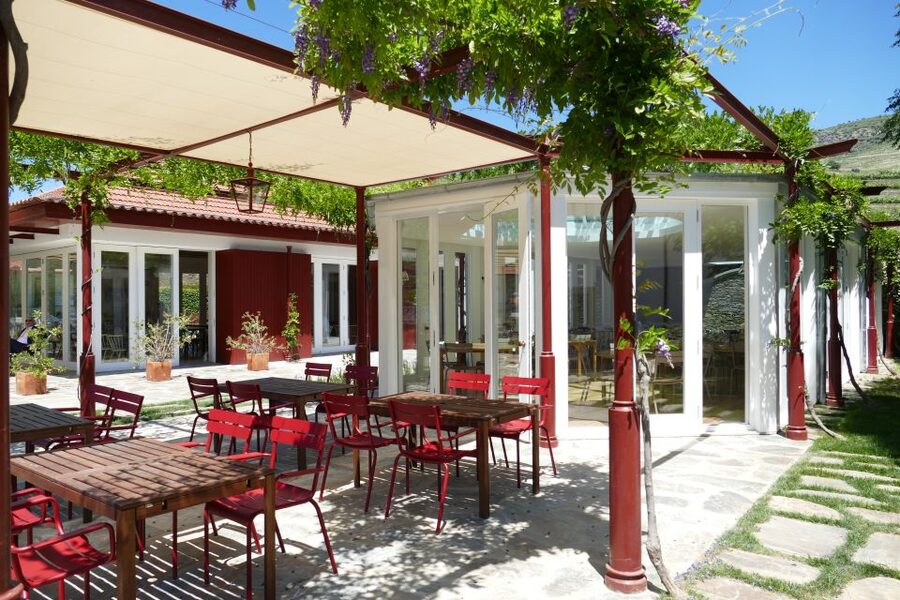
The tour is short, which means you often still have time in Pinhão afterward. One popular way to extend the day is by pairing the visit with dining at Bomfim 1896 restaurant, which comes up in experience feedback as a great complement.
If food is part of your travel plan, consider reserving for after your tasting so you stay relaxed instead of rushing to find a table.
Even without that specific restaurant, the point is simple: use the morning or early afternoon to get your wine and history dose, then let the rest of the day be about lingering in Pinhão and enjoying the river views on your own terms.
Should you book Quinta do Bomfim: Visit and Tasting?
Yes, you should book this if you want a focused, place-first introduction to the Upper Douro Valley that ends with a real taste of Port culture. The museum stop, the vineyard walk choice, and the 1896 lodge visit give the tasting a backbone, and the terrace setting makes it a pleasant way to finish.
I would book it especially if you like guides who explain the process clearly and if you enjoy learning just enough to make your glass mean something. The group size is small, the tasting is included with three glasses, and you can select a tasting direction that fits what you want to explore.
Skip it only if walking or guided pacing is not your style, or if accessibility needs make the estate areas a problem. Otherwise, for a $47 experience that fits into a short visit window, it offers strong value and a genuinely memorable Douro introduction.
FAQ
How long is the Quinta do Bomfim visit and tasting?
The activity runs about 1 day to 1.5 hours total.
How much does the tour cost?
The price listed is $47 per person.
What’s included in the tasting?
The tour includes a guided tour and a wine tasting with 3 glasses of wine.
What tasting options can I choose from?
You can choose from a Douro DOC tasting, a port tasting, a premium vintage tasting, or Dow’s Old Tawnies tasting.
Where do I meet for the tour?
Meet at the Quinta do Bomfim Visitor Center. Arrive 15 minutes before the activity starts.
Is the tour wheelchair accessible?
No. It is not suitable for wheelchair users or people with mobility impairments.
More Food & Drink Experiences in Pinhao


More Tour Reviews in Pinhao
Keep comparing: recently reviewed experiences around Pinhao







Amarante & Douro Villages, compared.
 ★ 4.7Douro Valley & Amarante Wine, Food & River TourFrom $921,411 reviews
 ★ 4.3Pinhão: 2-Hour Rabelo Boat Tour with Audio GuideFrom $351,224 reviews
 ★ 4.2From Porto: Douro River Cruise to Régua with LunchFrom $86659 reviews
 ★ 4.5Douro Valley and Régua Panoramic Cruise with Lunch from PortoFrom $92541 reviews
 ★ 4.9Pinhão: Douro River Solar Boat Tour with Wine TastingFrom $19469 reviews
 ★ 4.4From Pinhão: Douro Valley Rabelo Boat Tour with Port WineFrom $35460 reviews
 ★ 4.5Douro Valley Cruise Porto to Pinhão: Breakfast, Lunch and TastingFrom $135451 reviews
 ★ 4.2From Porto: Régua to Porto River Cruise with Lunch on BoardFrom $84445 reviews
Browse the lists this tour appears in