
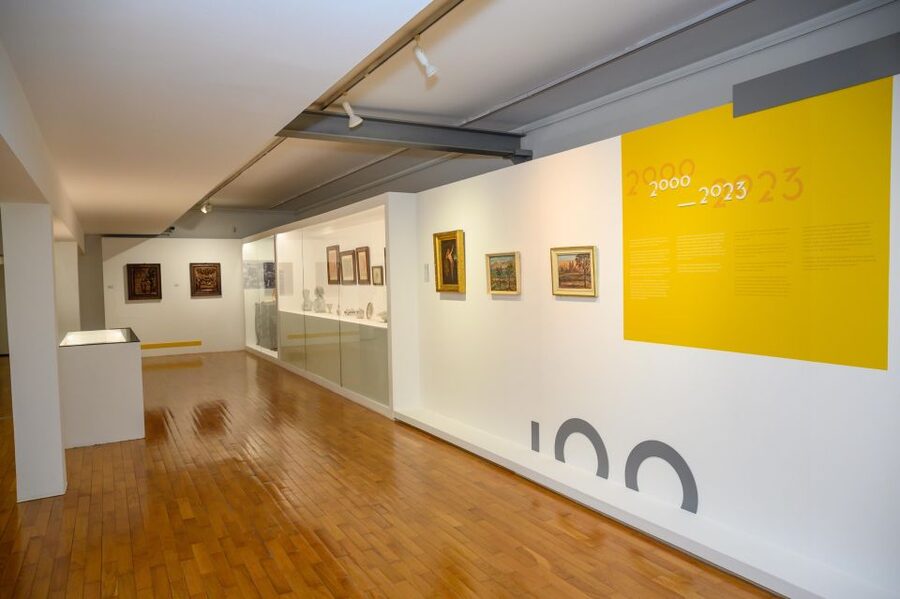
Reviewed · MUSEUMS
Museum of Decorative Arts – Viana do Castelo
Viana’s tiles can feel like theater. At the Museu de Artes Decorativas, you get an outstanding national faience collection plus baroque tile rooms that actually make you stop and stare. I particularly like how the museum ties art to place, and I like the way the chapel becomes its own tile-covered world. One possible drawback: this is a museum day, so if you want wide-open parks and big views, you may need a plan outside after.
If you also enjoy everyday history, the ticket is even smarter because it includes the Costume Museum. You’ll find descriptive audios, a nursery, and wheelchair access. The tradeoff is practical: the museum does not allow food and drinks, and you can’t use flash photography, so come ready to look, not snack.
Key Highlights You Should Plan For

- A top National Faience collection that helps you understand why Portuguese ceramics mattered in the 1700s.
- Baroque tile storytelling across three rooms, plus a chapel that turns biblical scenes into a full interior experience.
- Lisbon-made azulejos tied to artist Valentim de Almeida, with four continents, hunting, and garden themes.
- Policarpo de Oliveira Bernardes tiles in the chapel, signed and linked to biblical imagery from 1695 to 1778.
- Rooms focused on Viana’s history and maritime vocation, so the museum reads like a local biography.
- Costume Museum access, including an old-weddings and dowry angle, plus how courtship worked when physical contact was limited.
Why the Museu de Artes Decorativas in Viana Feels Like a Full Story
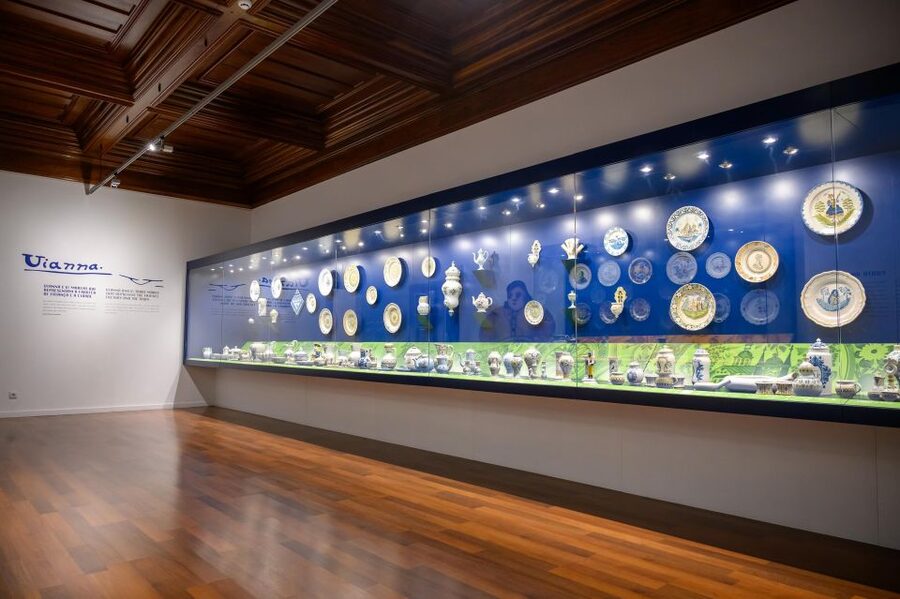
This museum is not just “tiles on walls.” The Museu de Artes Decorativas is built to move you through themes: ceramics, faith, local identity, and the sea life that shaped Viana.
You’re looking at national pride, but also at a wider European visual language. The big reason it works so well is that the rooms are arranged so you understand context as you go, instead of treating each object like a random find.
You’ll also notice a subtle rhythm. You start with main-floor spaces facing Largo de S. Domingos, then you go into more focused environments, like the chapel. That flow matters because tile art can be overwhelming if everything hits you at once.
You can also read our reviews of more museum experiences in Viana Do Castelo

National Faience and Why the 18th Century Comes Through So Clearly
The heart of the museum is its faience collection, described as one of the most significant in Portugal. That matters because faience is not just decorative. In the late 1700s, reformist impulses pushed industry forward, and ceramics production expanded.
You can feel that historical shift while you look. The museum’s rooms connect the dots between policy, manufacturing, and the finished work you see today. It also explains why multiple locations started producing earthenware, not just one center.
So what should you do with this information? Slow down just enough to see the “why.” If you only admire the patterns, you’ll miss the bigger point. If you connect the patterns to the 18th century production boom, the art starts making sense fast.
Lisbon Tiles on the Main Floor, With Valentim de Almeida Leading the Way
On the main floor, the rooms facing Largo de S. Domingos are packed with 18th century tiles. Many are made in Lisbon and attributed to Valentim de Almeida.
These tiles use a baroque theme and present recognizable “sets” of ideas, like the four continents, hunting scenes, and garden scenes. Even if you do not know the symbolism, the visuals are clear. You are basically stepping into a carefully staged worldview that an 18th century audience would have understood.
The practical benefit for you: you get variety without leaving the first big zone. That makes it easier to plan your time. If you want the strongest highlights without getting lost, this section is where you should start your focus.
Three Baroque Tile Rooms, Plus the Chapel That Changes the Mood
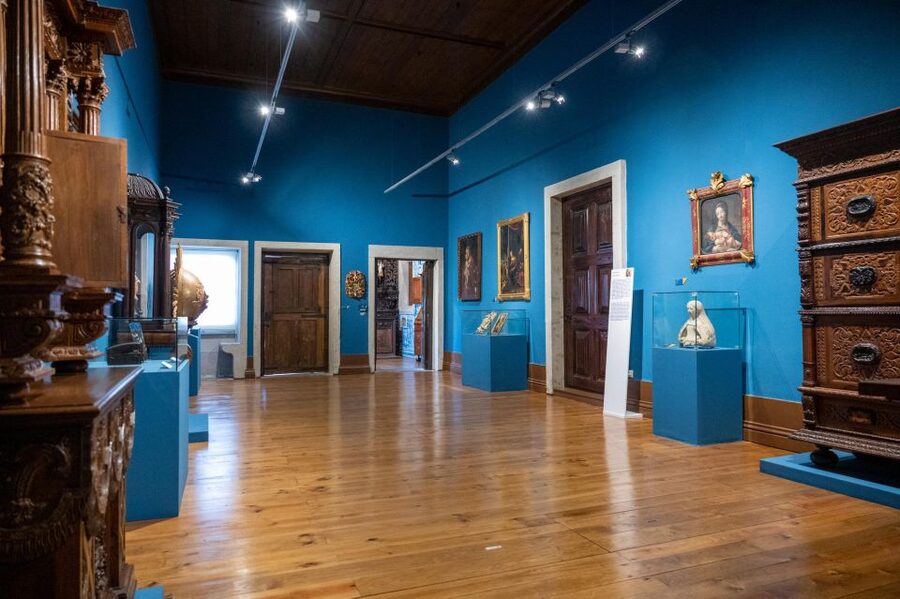
The museum leans hard into baroque tilework. There are three rooms with baroque-themed tiles, and then a chapel where the tile coverage becomes almost immersive in its density.
What makes the chapel special is that it is not just pretty. It is thematic and devotional. The chapel is covered with historic tiles with biblical themes, signed by painter Policarpo de Oliveira Bernardes (1695 to 1778).
If you like religious art, this is the part that will stick with you. The biblical scenes are placed to feel like part of the architecture, not like an afterthought. And because you can see a named artist attached to the work, it gives you a real anchor when you try to remember what you saw later.
One consideration: chapel-focused spaces tend to encourage slower looking. If you’re in a rush, give yourself a shorter plan for the rest of the museum and keep the chapel time protected. You’ll enjoy it more, and you won’t feel like you “covered” it. You’ll feel like you understood at least part of it.
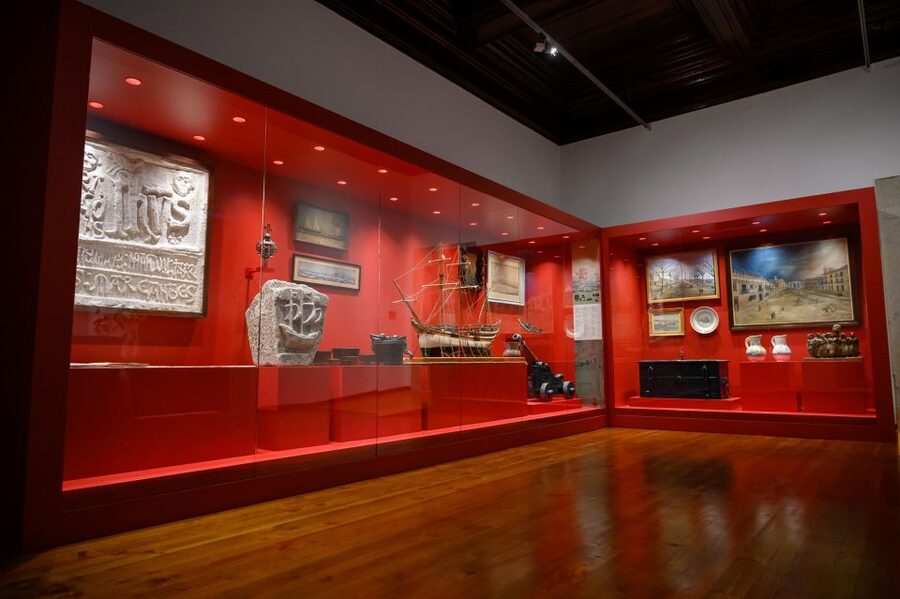
Viana’s Maritime Vocation, and How the Museum Explains Local Identity
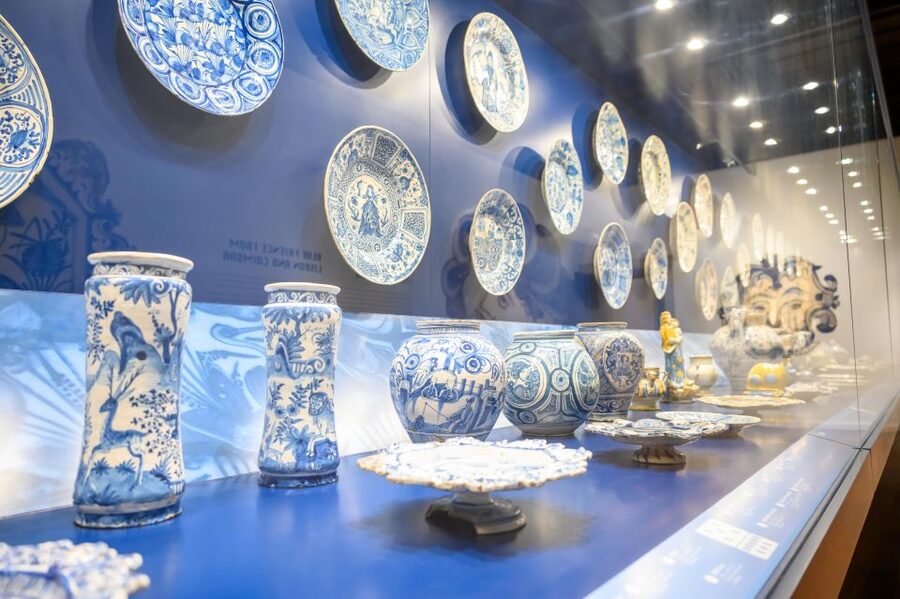
Beyond ceramics, the museum tells the history of Viana and its maritime vocation. You do not have to be a maritime nerd to benefit. The rooms are designed so Viana’s local story becomes another thread in the same museum tapestry.
This matters because many decorative arts museums teach you style, not place. Here, the tiles and objects help explain why this region cared about craftsmanship, trade, and visual culture tied to sea connections.
You’ll likely find yourself making quick connections. Tile production and trade routes go together in your mind. Even without formal lectures, the museum layout nudges you toward that thinking.

Costume Museum Bonus: Old Weddings, Dowries, and Courtship Rules
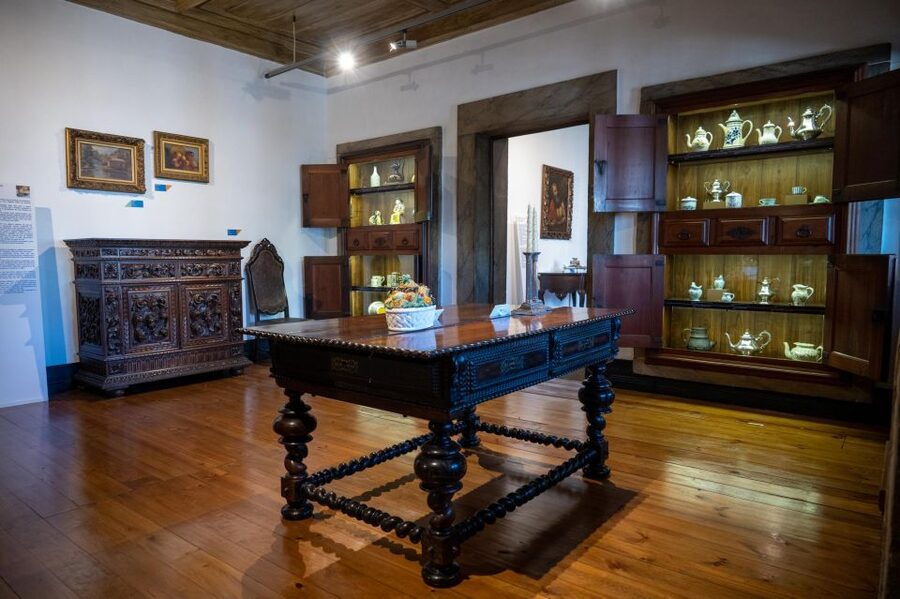
Your ticket includes access to the Costume Museum, which adds a very human layer to the day. One of the most memorable themes from the included costume side is an exhibition about old weddings and dowries.
The detail that makes it interesting is that it touches on courtship practices from an earlier era, including how people dated without physical contact. That’s the kind of “small social rule” that makes historical culture feel real instead of like a textbook paragraph.
This is a great add-on if you travel with someone who wants more than ceramics. It also gives you a break from intense tile ceilings and wall coverage. You get to reset your eyes and then come back to the decorative arts with fresh attention.
Timing, Ticket Value, and What You Can Do With One Day
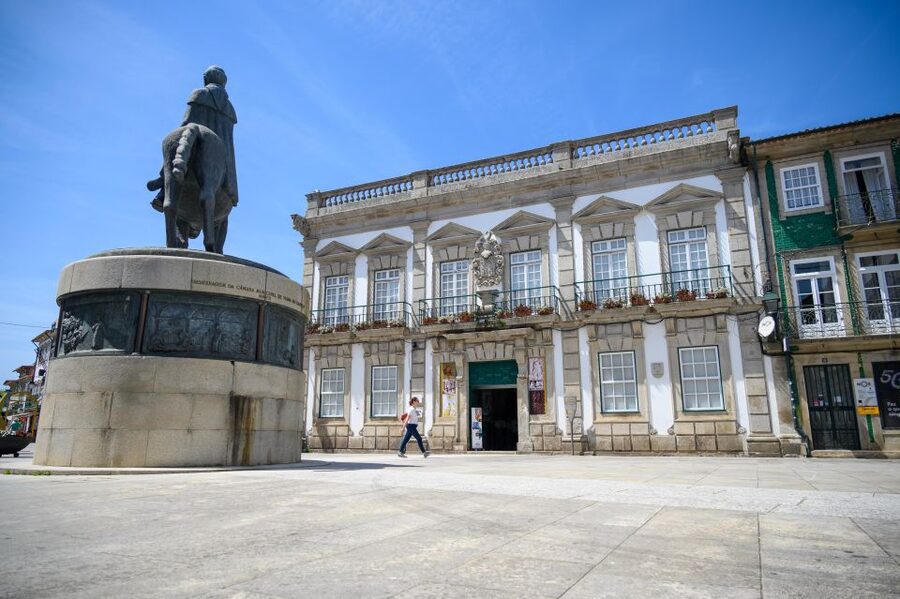
This experience is listed for 1 day, and the price is about $2.83 per person. For that cost, you’re paying for more than entry. You’re paying for big exhibition rooms, themed rooms of historic work, and learning that connects local production to broader Portuguese ceramic history.
That low price changes how I think about the day. You don’t need to treat it like a once-a-year splurge. You can treat it like a smart anchor stop in Viana do Castelo, something you can do even if your schedule is tight.
You’ll still want a realistic time block. Tile museums reward slower looking, especially in the chapel. If you plan a long meal right afterward, you’ll likely rush the museum. If you plan a lighter schedule, you can actually enjoy it.
Getting There, Contact, and On-Site Rules That Affect Your Visit
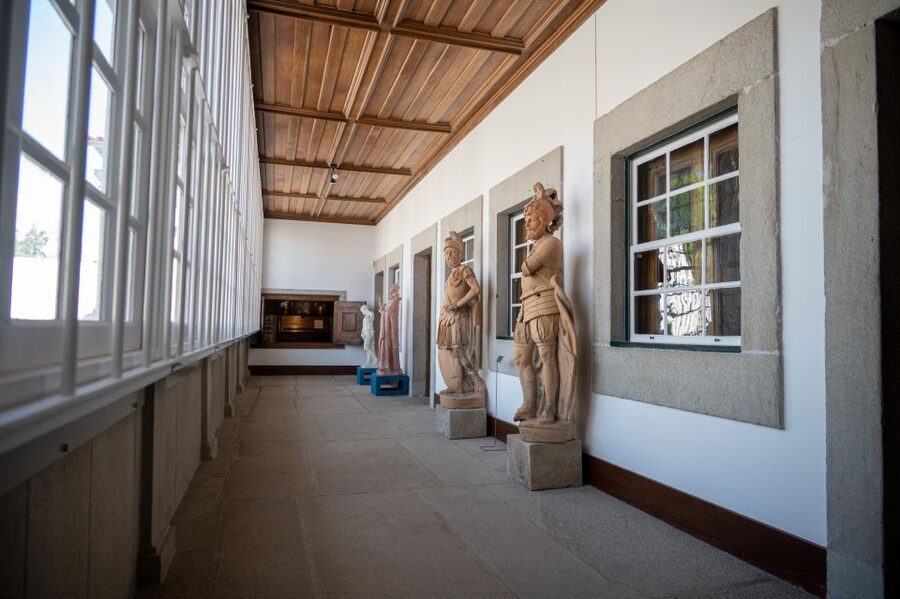
The museum is at Largo de S. Domingos, 4900-330 Viana do Castelo, Portugal.
For contact, you can use:
- Telephone: 258 809 305
- Email: [email protected]
On-site rules are straightforward:
- No food and drinks allowed.
- No flash photography.
Those rules sound small, but they change how you prepare. If you tend to walk with snacks “just in case,” skip that here. Bring water if allowed by common sense, but do not plan to eat inside. And if you like photos, remember you’ll need natural light and regular settings without flash.
Languages are Portuguese. There are also descriptive audios, which is a big deal if you want more than labels.
Who This Museum Day Suits Best
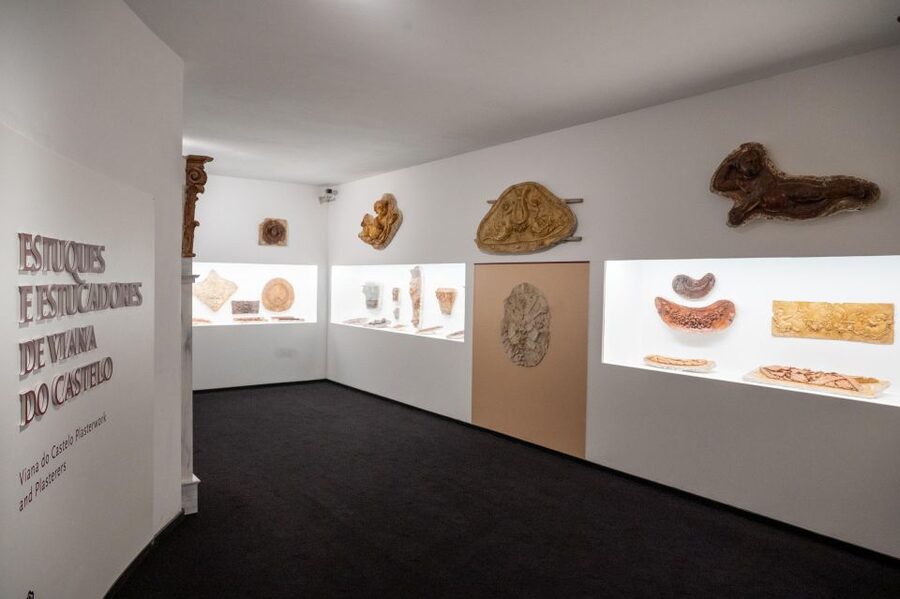
This is ideal if you like:
- Azulejos and Portuguese ceramics, especially when you can link them to artists and specific themes.
- Museum visits with a clear theme structure, from main rooms to a chapel space.
- Pairing art with local identity, especially Viana’s maritime story.
It’s also good for families in a practical way because the museum includes a nursery and access for reduced mobility. The ticket includes the Costume Museum, so there’s a good chance at least one part of the day will match everyone’s taste.
My Quick Booking Advice: Should You Go?
I’d book this museum day if you want a smart, low-cost way to understand Portuguese decorative arts in a place that feels genuinely connected to local life. The faience collection plus the baroque tile rooms and chapel are the core payoff, and the Costume Museum makes the ticket feel like more than just looking at walls.
Skip it only if you strongly prefer outdoor scenery or you need a museum to be more hands-on than visual. This one is visual, detailed, and best when you slow down a bit.
FAQ
How much does the Museum of Decorative Arts in Viana do Castelo cost?
The price is listed as about $2.83 per person.
How long should I plan to spend there?
The experience is listed for 1 day.
What is included with the ticket?
Your ticket includes access to the Costume Museum, large exhibition rooms with works of art, and knowledge about the collection with local and global history. The museum also offers descriptive audios.
Are there audio options, and what languages are available?
There are descriptive audios, and the listed language is Portuguese.
Can I take photos with flash?
No. Flash photography is not allowed.
Are food and drinks allowed inside?
No. Food and drinks are not allowed.
Is there free cancellation?
Yes. You can cancel up to 24 hours in advance for a full refund.
Is the ticket valid for more than one day?
No. It is valid for 1 day.
Is the museum accessible for reduced mobility?
Yes. The museum has access for people with reduced mobility.
Is there a nursery available?
Yes, the museum includes a nursery.
More Museum Experiences in Viana Do Castelo

More Tour Reviews in Viana Do Castelo


Keep comparing: recently reviewed experiences around Viana Do Castelo
Museums, compared.
 ★ 4.5Cálem Cellar Tour, Interactive Museum & Wine TastingFrom $234,113 reviews
 ★ 4.6FC Porto: Museum & TourFrom $232,826 reviews
 ★ 4.7Entry Ticket at WOW – The Wine Experience MuseumFrom $20356 reviews
 ★ 4.63D Fun Art Museum Porto Entry TicketFrom $15302 reviews
 ★ 4.0Skip the Line: FC Porto Museum & TourFrom $20209 reviews
 ★ 5.03D Fun Art Museum Porto TicketFrom $15128 reviews
 ★ 4.5Wine Experience Museum with 3 Wine TastingsFrom $30105 reviews
 ★ 4.5Pink Palace – Immersive Rosé Wine Museum with 5 TastingsFrom $3049 reviews