
Reviewed · TOURS
Matosinhos: Conservas Pinhais Factory Tour
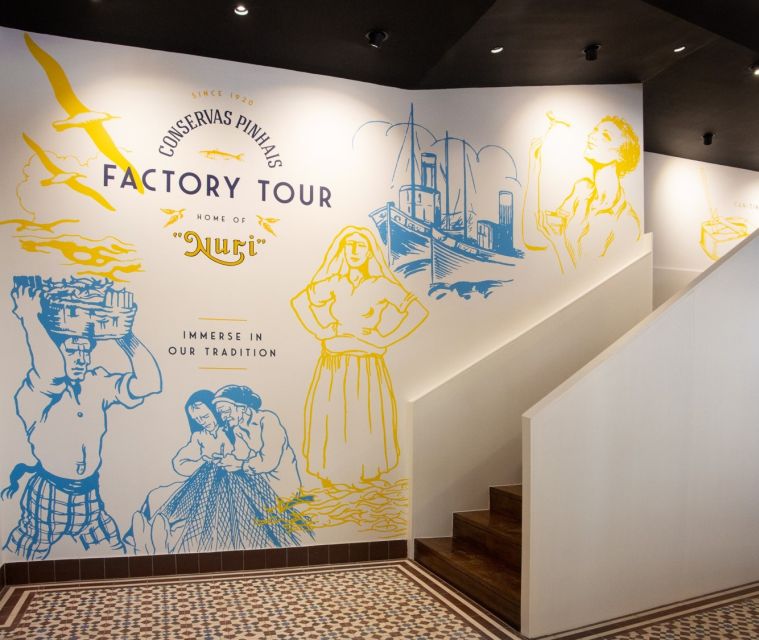
Canned sardines deserve a field trip. At Conservas Pinhais in Matosinhos, you step into a working cannery and learn how Portugal’s famous fish preserves get made, from factory history to hands-on tin wrapping. It’s a straightforward 1.5-hour visit that mixes audio guidance, production-floor sights, and an end-of-tour tasting you can actually use to decide what to buy.
I especially love the wrap-your-own-tin moment, because it turns a food story into a real skill. I also really like the tasting setup, where you finish with traditional fish preserves plus a glass of wine or a soft drink, not just a quick bite.
One possible drawback: based on how the day’s production runs and seasonal catch limits, Pinhais cannot guarantee you’ll see fish being handled up close. That said, you still get the full guided walk through the production stages planned for your visit day.
Key Things I’d Put on Your Radar
- Wrap experience included so you do more than watch
- Can-Tin Café tasting with wine or soft drink to match the preserves
- English guided tour plus headsets for clear narration in a busy factory
- Centenary building areas and audiovisual content give context, not just machines
- Production is scheduled around workers’ weekly break on weekends and holidays
- Fish handling is not guaranteed due to the sardine catch limit
First, You’ll Exchange Your Voucher and Get Factory-Ready
The tour starts at Av. Menéres 700, and you’ll need to exchange your voucher at the ticket counter before you begin. This is one of those small steps that keeps everything moving smoothly once you’re in the building.
Next comes the practical stuff that makes the visit easier: you’ll get protective clothing and headsets so you can hear the English guide clearly. The headsets are a big deal here, because factory noise and indoor acoustics can make normal speaking hard to follow.
Before you go too far inside, plan on using the lockers. Food, drinks, medicines, jewelry, backpacks, bags, and suitcases must be kept in the lockers, so travel light if you can. If you bring a phone or small camera, you’re usually fine, but bulky items are the problem.
Compare more reviewed experiences around Matosinhos before fixing the rest of your day.



Inside Pinhais: Centenary Building History and Audiovisual Context
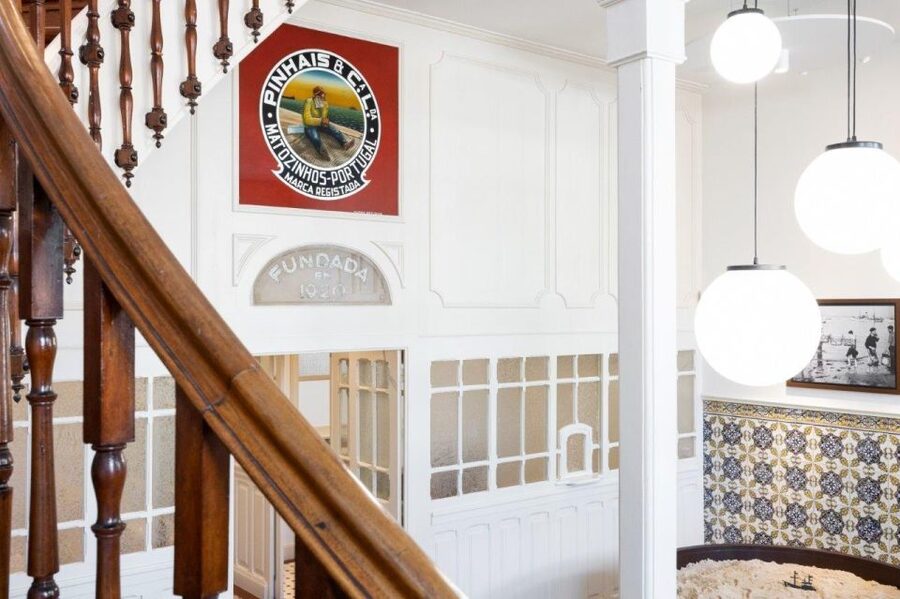
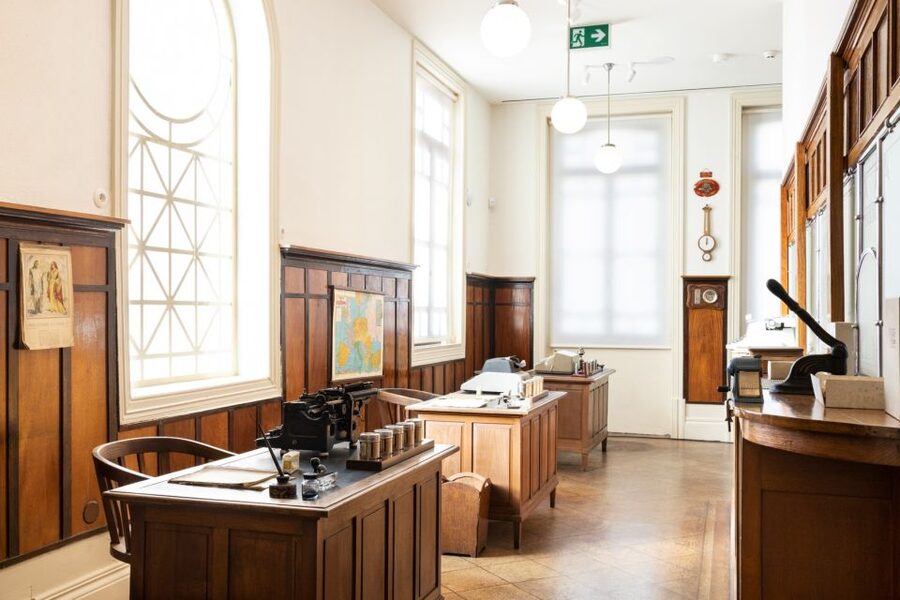
Your walk begins with a guided tour through the centenary building’s historical areas. This part matters more than it sounds, because it explains why this isn’t just a food product, it’s a long-running craft built around fish preservation.
You’ll also see audiovisual content, which helps connect the dots between the factory’s past and what you’re seeing now. Think of it as orientation for your senses: what you’ll smell, what you’ll notice on the production floor, and why specific steps exist.
On weekdays (Monday to Friday), the experience includes these historical sections plus the production-floor portion on an active day. On Saturdays, Sundays, national holidays, and after-hours visits, the tour still includes historical areas and audiovisual content, but the production-floor access changes slightly because of the workers’ weekly break.
The Production Floor, With a Realistic Promise
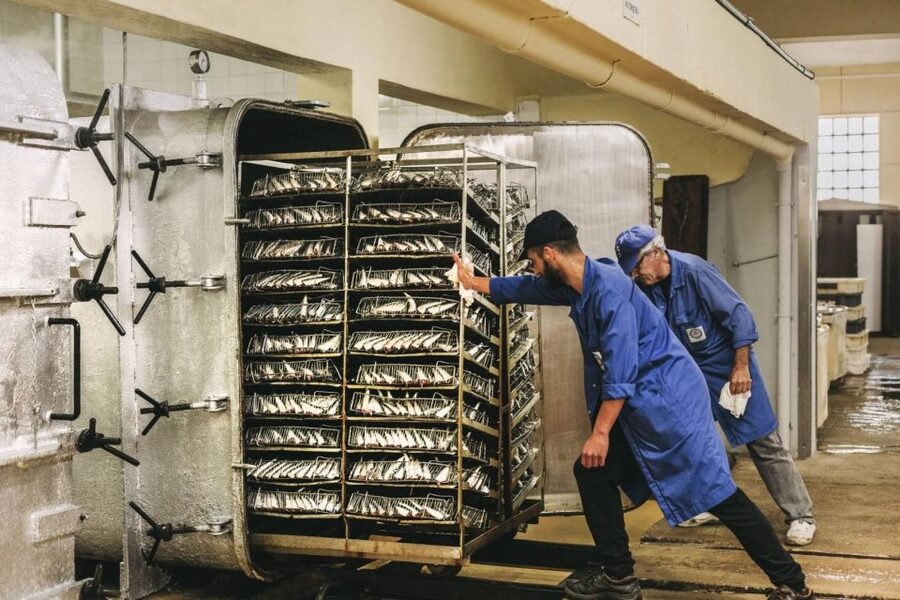
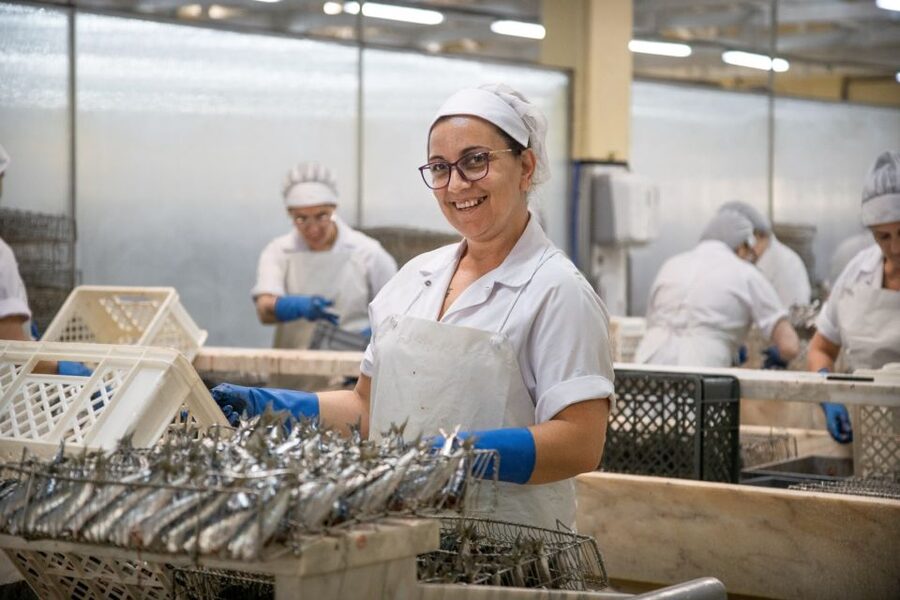
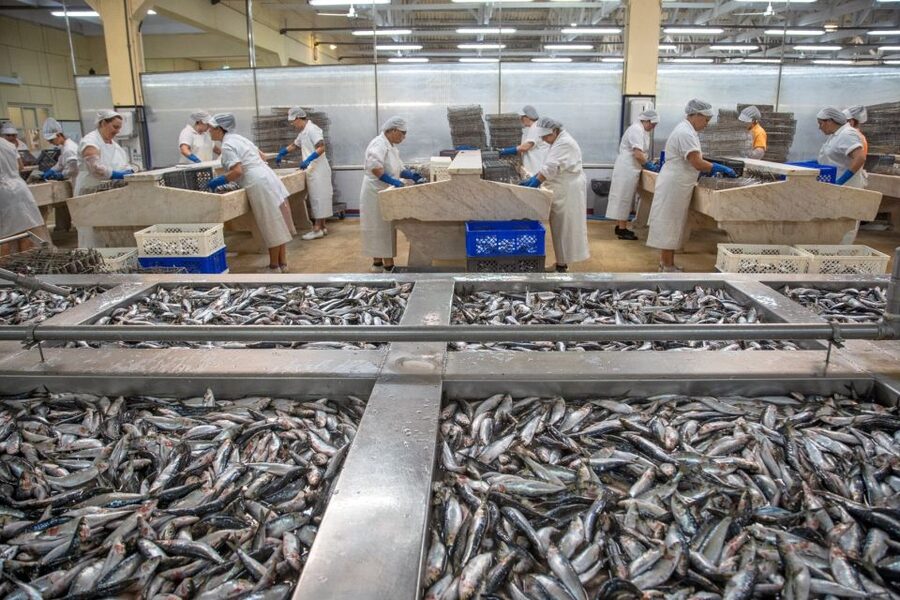
When you reach the production floor, the tour becomes more hands-on in feeling, even though you’re still mostly watching and listening. You’ll walk through the planned stages of the artisanal process led by experienced workers, and the guide should help you understand what’s happening and why.
Here’s the important reality check: Pinhais cannot guarantee that visitors will see the fish being handled. It depends on the day’s production plan and the sardine catch limit, so don’t book this hoping for a guaranteed up-close moment with raw fish.
Still, you’ll learn the steps that turn fresh fish and ingredients into shelf-stable tins. Even if you miss fish handling on your day, you can usually get a lot out of seeing the workflow, the way the stations connect, and how the process is presented in an organized sequence.
Also note the day-to-day difference. On weekends and holidays, production-floor access happens during the workers’ weekly break, which may mean you see certain areas that are more “open for showing” rather than continuous handling.
The Old Factory Workshop: Where Craft Feels Tangible
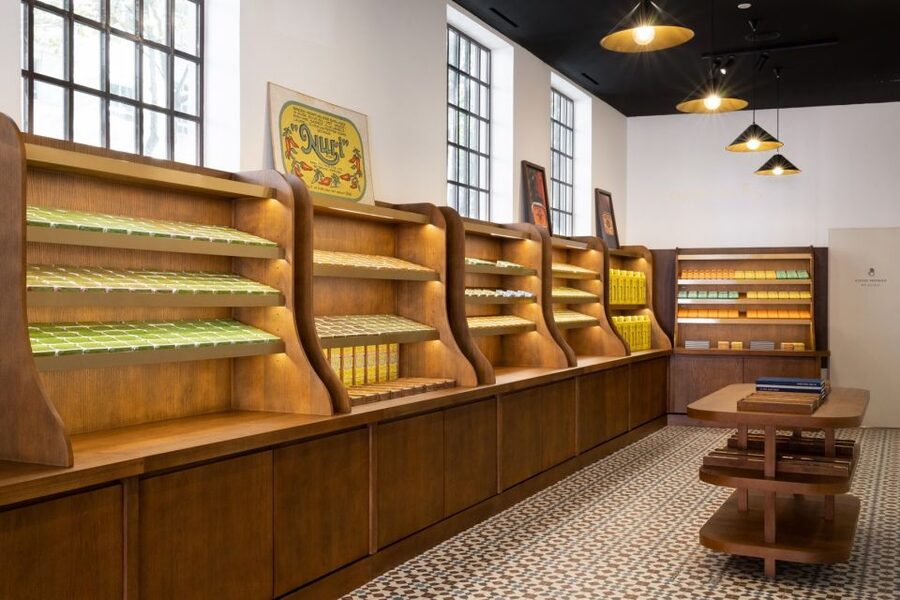
After the main production-floor portion, you’ll visit the old factory workshop. This is one of those stops that gives you a different perspective on the same story.
Instead of focusing only on modern workflow, the workshop helps you understand how preserved fish production became a long-term industry practice. If you like seeing tools and process design, this is the section where the craft nature of the job becomes easier to picture.
The guide usually links what you see here to the steps you just walked through. That connection is what makes this tour useful rather than just a collection of rooms.
Wrapping Your Own Tin: The Most Memorable Part
The tour’s most interactive moment is the wrapping experience for all guests. This is where the visit shifts from “watching production” to “doing a tiny piece of the tradition.”
You’ll learn how to wrap your own tin, and you’ll likely slow down and pay attention, because it’s not hard, but it’s detailed. Even if you’ve never wrapped anything like this before, you’ll leave with that satisfying feeling that you didn’t just consume the experience, you participated.
This hands-on activity also helps you understand what the factory is trying to achieve: consistency, protection for the product, and presentation that matches the brand. It’s also a good reminder that food preservation is both science and care.
The Can-Tin Café Tasting: Wine or Soft Drink With Traditional Flavors
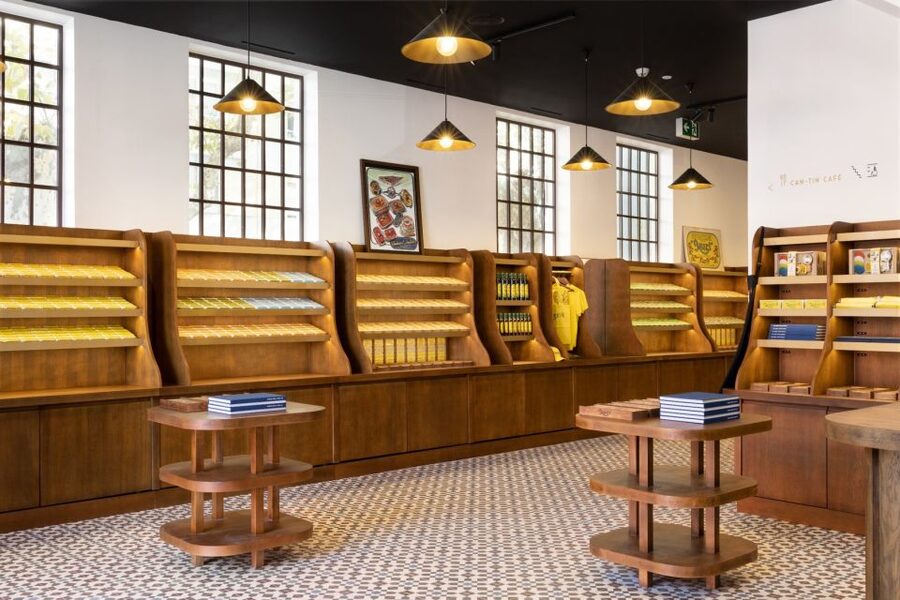
The tour finishes with a tasting of famous fish preserves at the Can-Tin Café. You’ll also get a glass of wine or a soft drink, which is a nice way to keep the experience from feeling like a lecture that ends with nothing.
This tasting is more than a snack. It’s meant to show you the flavors behind the factory story, so you can make sense of what you learned and decide what you actually want to take home.
Practical tip: don’t go in with a heavy meal. The tasting includes sardines at the end, and if you’re already full, you’ll miss some of the enjoyment. If you’re a sardine lover, you’ll probably be in your element here.
Also, this is a good time to compare tastes. Even within a small sampling, you’ll notice differences in seasoning and style, which makes the shop stop afterward way more satisfying.
The Iconic Shop Stop: Turn Knowledge Into Tins
After the tasting, you’ll have a chance to visit the iconic shop. This is where you can translate what you learned into purchases that actually fit your preferences.
If you’re new to tinned fish, this shop stop is especially helpful. The tour guides the experience, and the tasting gives you a baseline for flavor, so you’re buying with less guesswork.
If you’re already familiar with sardines and other preserved fish, you’ll likely appreciate seeing how the brand presents its range. You can also use your tasting notes as a simple shopping filter, so you don’t leave with random tins just because the packaging looks good.
Price and Value for a 1.5-Hour Factory Visit
At about $30 per person, this tour is priced like an experience that includes more than a basic walk-through. You’re paying for a guided English tour, protective clothing, headsets, the wrapping activity, and the included tasting with a glass of wine or soft drink.
Is it expensive compared with a free museum in Porto? Sure. But this is a working cannery, not a static exhibit, and the tour is designed around steps you can feel and understand. The wrapping alone is a “cost multiplier” because it’s interactive, not just observational.
For best value, show up ready for the tasting and let the experience do its job. If you’re the kind of person who likes to learn how food is made, you’ll get a lot of satisfaction per dollar.
And because the visit is about one and a half hours, it fits easily into a day in Matosinhos or a Porto itinerary without swallowing your whole afternoon.
Who This Tour Suits Best (and Who Might Skip It)
This is a great match if you like food culture, want something different from the usual Porto sightseeing, or enjoy tours where you learn by watching the process and then trying the product.
It’s also a solid choice if you’re curious about how Portugal’s fishing industry feeds into daily life through preservation. Even when you don’t see fish being handled, you still get a sense of the careful, step-by-step workflow behind the final tin.
I’d also point out the quality signals you’ll likely notice during the visit. The tour is professionally run, the guide is clearly there to explain, and the experience is structured so you don’t feel rushed through key parts.
If you hate factory settings, or you strongly prefer purely outdoor attractions, you might find the environment less your style. And if you’re coming specifically for a guaranteed up-close fish-handling moment, remember Pinhais cannot guarantee that element.
Should You Book Conservas Pinhais in Matosinhos?
Yes, you should book if you want a genuinely practical food experience. This tour gives you context, a guided walk through production stages, a hands-on wrapping activity, and a tasting that helps you understand the brand flavor.
I’d book it especially if you’re in Matosinhos and you’re ready to trade a standard stop for something functional and local. It’s also a nice option when you want an activity that feels different from walking streets all day.
And if you’re unsure, decide based on your appetite for the format: watch, listen, wrap, taste. If that sounds like your kind of afternoon, Conservas Pinhais is an easy yes.
FAQ
How long is the Conservas Pinhais Factory Tour?
The tour runs for about 1.5 hours in total, with a guided tour portion of about 1 hour.
Is the tour offered in English?
Yes, the factory tour is available in English, and the audio guide is also in English.
What does the tour include besides the factory visit?
You get protective clothing, headsets, a wrapping experience where you wrap your own tin, and a tasting of fish preserves with a glass of wine or a soft drink. You’ll also visit the shop.
Do I need to exchange my voucher before the tour begins?
Yes. You must exchange your voucher at the ticket counter before the tour starts.
Is it guaranteed that you will see fish being handled during production?
No. Pinhais cannot guarantee that visitors will see fish being handled because of the production plan and the sardine catch limit.
Are there lockers for bags and personal items?
Yes. Food, drinks, medicines, jewelry, backpacks, bags, and suitcases must be kept in lockers.
Can I cancel for a refund?
The experience offers free cancellation up to 24 hours in advance for a full refund.
More Tours in Matosinhos
More Tour Reviews in Matosinhos
Keep comparing: recently reviewed experiences around Matosinhos
Tours, compared.
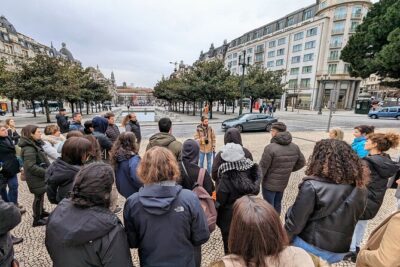 ★ 5.0The Unvanquished Tour in Porto City CenterFrom $326,497 reviews
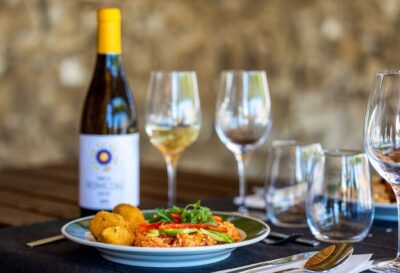 ★ 4.7From Porto: Douro Valley w/ Boat Tour, Wine Tasting & LunchFrom $8219,061 reviews
 ★ 5.0Complete Douro Valley Wine Tour with Lunch, Wine Tastings and River CruiseFrom $10112,920 reviews
 ★ 4.6Douro Valley: Wine Tour with Lunch, Tastings & River CruiseFrom $1136,081 reviews
 ★ 4.5Guided Tour by Tuk-Tuk & Optional Douro River CruiseFrom $205,980 reviews
 ★ 5.0Authentic Small Group Douro Wine Tour with Lunch & River CruiseFrom $1334,775 reviews
 ★ 4.5Cálem Cellar Tour, Interactive Museum & Wine TastingFrom $234,113 reviews
 ★ 5.0Douro Valley Small-Group Tour with Wine Tasting, Lunch and BoatFrom $1693,642 reviews