
Reviewed · PORTO CITY WALKS
Best of Porto Private Walking Tour
Porto makes sense fast. This private 3-hour walk gives you a big-picture overview of the city, plus real context for Portugal’s Age of Discoveries, all tailored to your group. I also like how the route strings together top sights in a way that helps you understand what you’re looking at. One drawback to plan for: it’s a walking tour and it depends on good weather.
You start near the Fonte dos Leões and finish at Jardim do Morro, with a view over the Douro River. Along the way, you’ll move through Porto’s most recognizable landmarks, including a UNESCO World Heritage area tied to the historic core of the city. If you want an efficient first-day orientation, this is a strong way to get your bearings quickly.
Key highlights to expect on the Best of Porto Private Walk
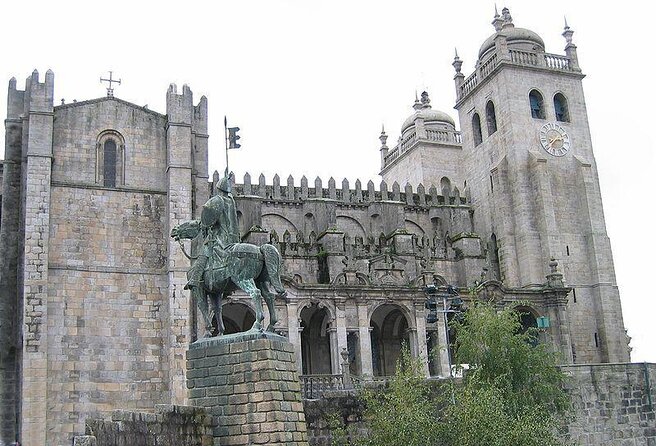
- UNESCO World Heritage core (since 1996): You’ll walk where the city’s historic identity is still visible.
- Age of Discoveries storytelling: You’ll connect monuments to Portugal’s overseas expansion, with Henry the Navigator at the center.
- Porto’s postcard cluster: Clérigos Tower, Livraria Lello, and São Bento Station land in the same flow.
- Tile, stone, and architecture on demand: Igreja do Carmo’s façade tiles and São Bento’s station murals are built for stopping and staring.
- End with the Douro view: Jardim do Morro closes the loop with a big river panorama.
A 3-hour Porto intro that starts at Fonte dos Leões and ends by the Douro
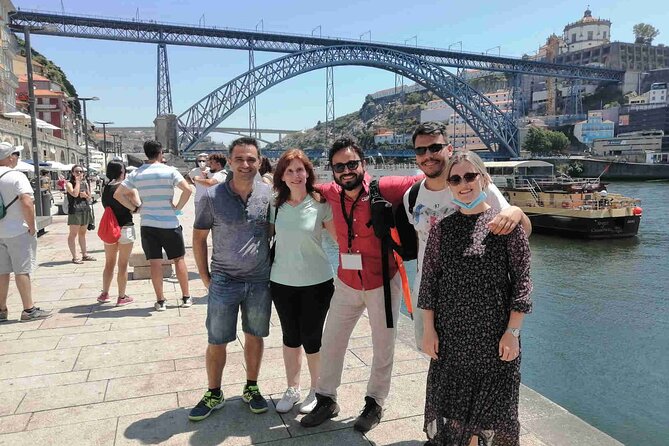
This tour is set up like a smart first visit. You’re not wandering aimlessly, and you’re not stuck in a rigid museum rhythm either. In about three hours, you cover a compact sweep of central Porto and end in Vila Nova de Gaia, where the Douro River sets the mood.
The start point is Fonte dos Leões (Praça de Gomes Teixeira 10). It’s a familiar landmark and an easy place to meet. The finish is Jardim do Morro (4430-210), which is perfect if you want photos with the river without having to plan extra transit.
You’ll hear English during the tour, and it’s designed for most people. That said, wear shoes you trust. Porto’s best sights sit on uneven sidewalks and stone streets, and you’ll be on your feet for the full loop.
You can also read our reviews of more walking tours in Porto

From City Hall to Clérigos Tower, you’ll learn why these buildings matter
The early stretch sets the tone: civic pride, iconic towers, and places that shaped city life. You begin at Porto City Hall, a charming building that works as an entry point to the city’s public history. It’s the kind of stop where the guide can show you details most people miss when they’re just trying to take pictures.
Next comes Clérigos Tower, which is often treated like Porto’s signature skyline piece. Standing near it, you can see how the tower became a visual anchor for the city. The best part is not just the exterior, it’s understanding how towers like this fit into religious and urban planning.
This is also where a good guide earns their keep. The route is famous enough that you’ll recognize the names, but you’ll learn the why behind them. That makes the rest of your Porto days more rewarding because you start noticing patterns in architecture and street layout.
Livraria Lello, a famous bookshop, and a quick hit of Porto’s fountain life
Then you hit a stop that book lovers can’t stop talking about: one of the world’s most famous and beautiful bookshops. It’s Livraria Lello, and even if you’re not a serious reader, it’s worth seeing for the atmosphere and the craft of the building. If you like architecture as much as history, this stop is a highlight.
Right after that, you’ll get the most famous fountain in Porto. This is one of those places where a short pause is exactly right. A fountain can look like a nice photo spot, but with the right context it becomes part of the city’s public identity, not just decoration.
The walk continues past key landmarks that help you understand Porto’s institutions. You’ll also see the most famous university in the north of Portugal, which gives you a chance to talk about how education shaped the city’s modern character alongside its older roots.
Igreja do Carmo: the tile façade stop that makes Porto feel real
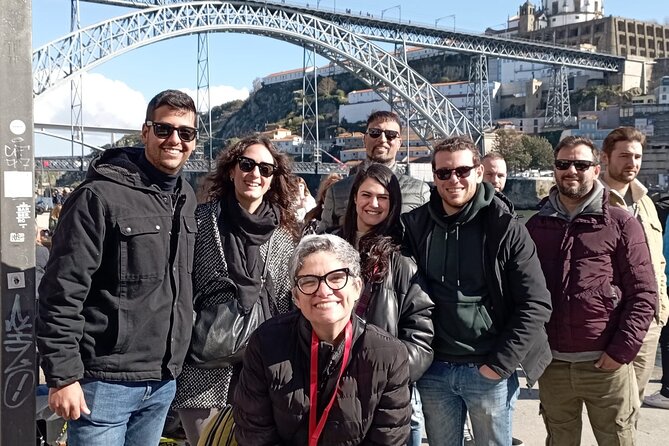
Igreja do Carmo is one of those churches that earns its reputation fast. The façade is the star here, with incredible azulejo tile work that turns the building into a visual storybook. This is the kind of stop where you should slow down. Don’t rush the details, because the beauty is in the layers.
The time at this stop is short, but it’s the right kind of short. You’re not stuck inside for hours, and you don’t need a deep religious background to appreciate the artistry. It’s also a nice reset point after the more “open-air” landmarks earlier in the walk.
If you’re traveling with kids, this is a good church stop. Tiles tend to hold attention, and a lively guide can point out patterns and figures in a way that keeps the group moving without feeling like you’re sprinting.
São Bento Railway Station: mosaics that turn waiting time into art time
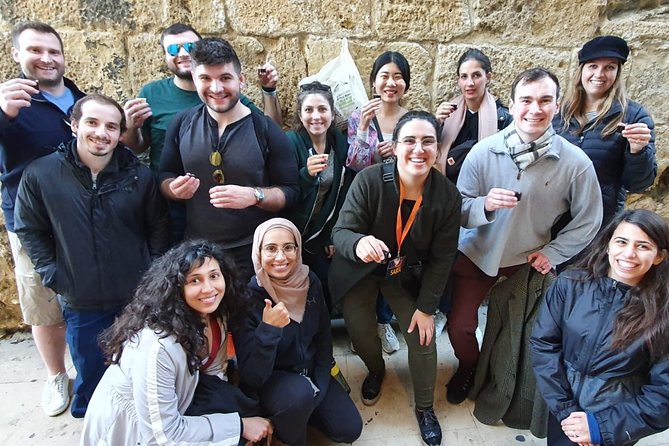
Next is São Bento Railway Station, widely considered one of the world’s most beautiful stations. The main reason is the wall of mosaics that covers the station interior. Even if you’ve seen photos, seeing it in person hits different because you can read the scenes and textures better at close range.
The station stop is brief, but it’s another “quality over quantity” moment. You’re there to see the artwork and understand why it became such a symbol. A guide can also point out how the station connects modern Porto with its storytelling traditions.
One practical tip: stations get busy. Show up ready to stand, look, and move at the pace of your group. If you’re the type who likes to linger, ask your guide for one more minute on the best panel. Most guides will help you get your photos without turning it into a time trap.
Compare more private Porto tours with a guide in Porto




The old trade story: bridge, former stock exchange, and Henry the Navigator
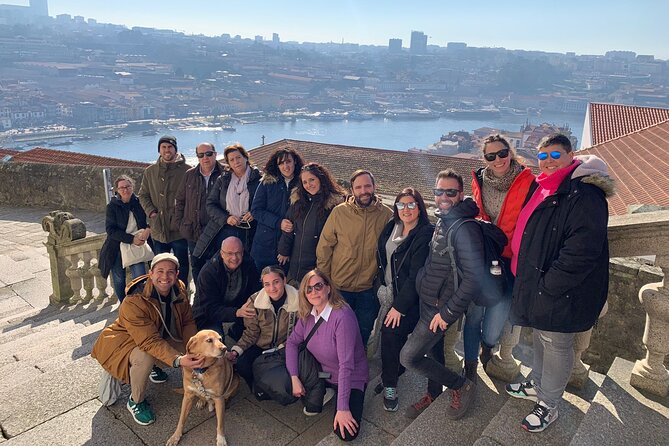
After São Bento, the route shifts into Porto’s “big story” mode. You’ll pass by one of Porto’s most important churches, described as one of the oldest ones, then move toward major landmarks tied to commerce and the Age of Discoveries.
A key moment is the bridge built by one of Eiffel’s disciples. The point isn’t just that it looks impressive. It’s that the bridge represents how Porto grew and modernized while still holding onto its historic identity. Standing near it, you’ll also start to understand why the river is central to the city’s power.
Then you’ll see the former Stock Exchange, a reminder that trade was the backbone of this place. It’s hard to appreciate how much wealth and movement flowed here until you connect commerce to the architecture.
And then comes Henry the Navigator, tied directly to Porto. You’ll visit the birthplace of Henry the Navigator, the figure often linked to Portugal’s early overseas expansion. This is where the tour’s context pays off. Instead of hearing names in a textbook way, you connect the person to the city that shaped him.
UNESCO status on the ground: walking the historic core and reaching Jardim do Morro
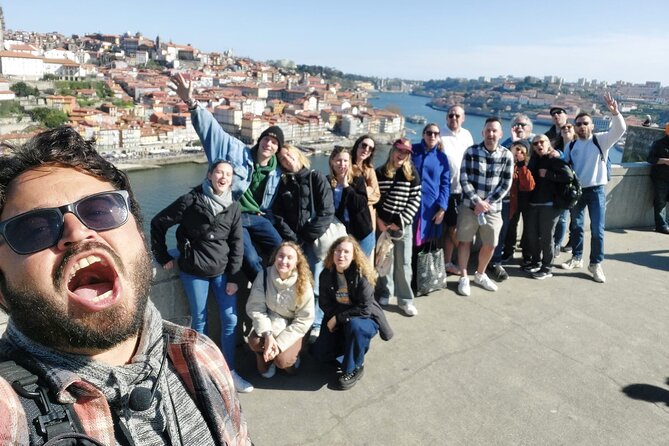
One of the tour’s core ideas is that you experience Porto’s UNESCO World Heritage area, recognized in 1996. On this walk, that UNESCO connection doesn’t feel like a label. It feels like you’re stepping into a city that still wears its history in the streets, stonework, and viewpoints.
As you move toward the end of the route, you’ll also get the best kind of finale: a river view. The tour ends at Jardim do Morro, which gives you that classic panoramic look over the Douro. It’s a smart finishing spot because you can take in the city and Gaia’s riverside role in one frame.
If you still have energy after the tour, this is a good place to continue at your own pace. The view makes you want to walk. Just be sure you save time for dinner, because Porto does not do “early” the same way some cities do.
Why this feels like a private tour, not just a walking route
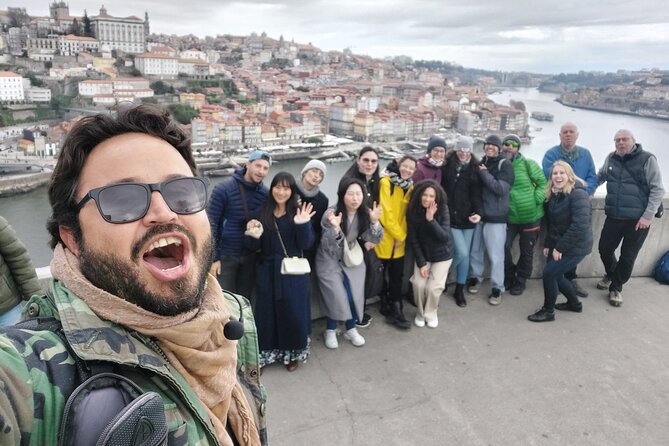
Private means you’re not sharing your guide with a crowd that has already decided where to stop. It also means your guide can pace the walk to your group’s comfort level. That matters in Porto because the city is visually intense. If you rush it, it turns into “pretty buildings.” If you slow down, it turns into understanding.
The guide quality is a big part of why this tour earns so much praise. Jorge is highlighted for deep knowledge and making the history enjoyable. Monica is singled out for being great with families, keeping the tour light for kids while still hitting the major points. Gianfranco is praised for a fun, informative introduction that helps you hit the remaining days with confidence.
You might also get guides like Artur, noted for excitement and a mix of Portuguese and Brazilian slang as he explains connections between countries, or Caoi, described as personable and strong on Porto and Portuguese history. Another name that comes up is Felipe/Filipe, with serious academic level expertise mentioned in connection with the guide’s approach.
What I like about that pattern is simple: the most praised guides don’t just recite facts. They turn landmarks into stories you can actually remember. And in practical terms, they give you next steps, whether that’s where to eat or what to look for on your own afterward.
Value and price: what you’re paying for in a 3-hour private format
The price is $84.48 per person for about three hours. That sounds like a premium until you look at what’s included: a private guide, major landmarks in one efficient route, and multiple stops where admission tickets are free (including Porto City Hall, Igreja do Carmo, and São Bento Railway Station).
You’re also paying for time saved. Porto is easy to get around, but it’s not always easy to know what to prioritize. This tour basically does the sorting for you. Instead of spending your limited sightseeing hours trying to guess what’s worth your attention, you get a guided route built around the city’s most meaningful highlights.
There’s also a group discount feature, which can make a private tour more reasonable if you’re traveling as a small group. If you’re a couple or family, the math gets better because you share the guide time without splitting into a larger crowd.
The final value piece is the ending. A lot of city walks end in a random spot. This one ends at Jardim do Morro, with a view over the Douro. That gives you a natural place to transition into dinner plans or a self-guided stroll.
Weather, walking pace, and who should book this
This experience requires good weather. If it’s canceled due to poor weather, you’re offered a different date or a full refund. That’s important in Porto because the rain can make slippery stones a pain, and you want to enjoy the viewpoints instead of hustling through them.
As for walking pace, plan for a steady flow of stops rather than long sightseeing breaks. If you like “see it, then understand it,” you’ll do well here. If you prefer long sits in cafés between monuments, you might want to pair this with a slow afternoon after.
This tour is a great fit for:
- First-time visitors who want Porto’s key landmarks in a logical order
- Families who need a guide who can keep kids engaged
- History-minded travelers who want connections to Portugal’s Discoveries without turning it into a lecture
And if you’re on a tight schedule, booking a tour like this early can save you headaches. You’ll learn the city’s structure fast, so the rest of your days feel less like guesswork.
Should you book the Best of Porto Private Walking Tour?
Yes, if you want a high-impact Porto overview in a short time and you care about getting meaning, not just photos. The private format, the UNESCO connection, and the Henry the Navigator Age of Discoveries context make the route feel purposeful.
Book it especially if it’s your first full day and you’re craving a clear plan. Just remember it depends on good weather, so choose a day when you can be flexible, and bring comfortable shoes.
More Walking Tours in Porto



More Tours in Porto






More Tour Reviews in Porto


Keep comparing: recently reviewed experiences around Porto









Porto City Walks, compared.
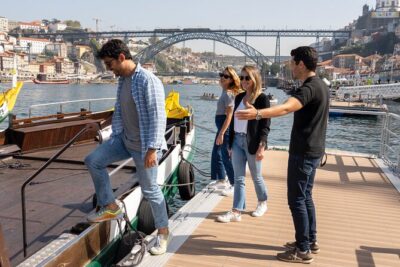 ★ 5.0Porto Walking Tour, Lello Bookshop, River Cruise and Cable CarFrom $723,354 reviews
 ★ 4.8City Highlights 3-Hour Guided Electric Bike TourFrom $513,092 reviews
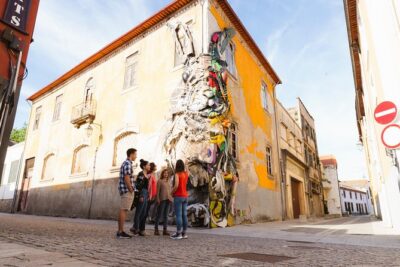 ★ 5.0Experience Porto’s Charm: 3-Hour Guided Walking TourFrom $352,432 reviews
 ★ 4.83-Hour Guided City Highlights Walking TourFrom $342,050 reviews
 ★ 4.4Wine Tasting with Tapas Walking TourFrom $531,541 reviews
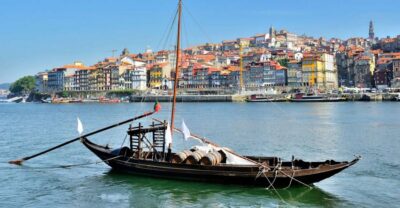 ★ 4.7Historic City Center Walking TourFrom $331,172 reviews
 ★ 5.0Porto’s #1 Walking TourFrom $01,026 reviews
 ★ 4.8Delicious Food and Wine Walking TourFrom $87977 reviews
Browse the lists this tour appears in