Reviewed · PORTO
Water Canyoning
Cold water, big moves, great guides. This water canyoning trip in Rio Laboreiro mixes rope work with a waterfall inside a seven-meter cave, all in a natural setting that feels made for adventure.
I especially liked the included gear setup, because the wetsuit, boots, helmet, and life vest mean you can focus on the route instead of shopping or guessing what you need.
What really makes it work is the coaching. Guides Hélder and Duarte (and the rest of the team) help you handle the descents with clear instruction and close supervision, so the whole thing feels controlled, not chaotic. The one thing to consider is that it’s an intermediate route, so you will want a moderate fitness level and you should be ready for good-weather conditions.
Key things to know before you go
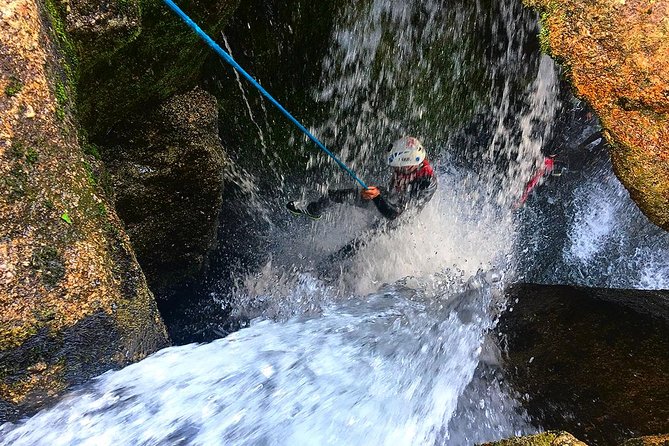
- Seven-meter cave waterfall: a highlight that is part nature, part wow-factor, and very memorable after you get the ropes down
- Full kit included: wetsuit, boots, helmet, and life vest, so you can travel lighter
- Intermediate canyon, guided safely: you get monitored throughout, so you are not figuring it out alone
- Rio Laboreiro route near Braga: short local transfer time is common, letting more of your 3 hours be active
- Small group size: maximum of 15 travelers, which helps you get attention when you need it
Gear That Makes the Day Feel Under Control
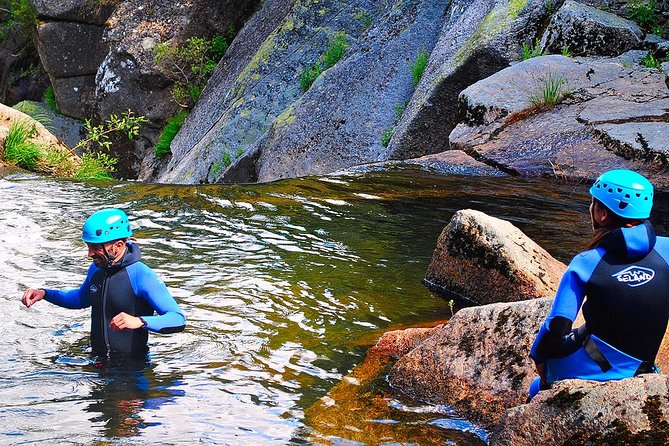
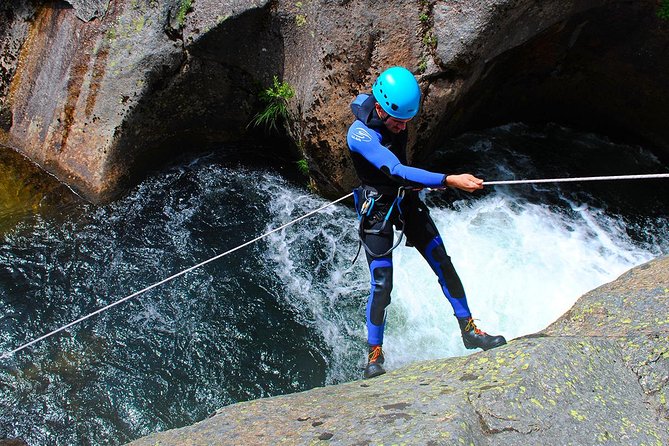
You start by suiting up, and this matters more than it sounds. Water canyoning turns fast into a comfort problem if you are under-equipped, so I love that this trip includes the full set: wetsuit, boots, helmet, and life vest.
The wetsuit choice is practical. Cold water is part of the experience, but you do not want it to become the only experience. Thick wetsuits and proper shoes also help you feel steadier on slick rock, so you can concentrate on where your hands and feet go during the descent.
The helmet and life vest add a layer of calm. You still have to pay attention, but you can relax knowing you are not scrambling without basic protection. And if you have never done rope work before, that peace of mind changes everything.
One more detail: the equipment setup is done on-site, and the canyon route is close to the center. In at least one group experience, the drive time was under five minutes, which meant almost all the 3 hours were spent actually canyoning, not commuting.
Compare more reviewed experiences around Braga before fixing the rest of your day.

Rio Laboreiro Canyoning, and What Intermediate Really Means
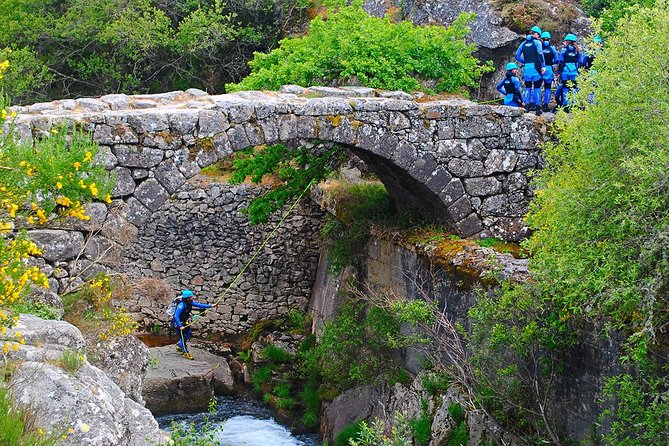
This is listed as an intermediate route in an intermediate level cave area. That phrase can sound vague until you think about what intermediate usually means in the real world: you will not be doing the absolute easiest entries and exits, and you will need to follow technique rather than wing it.
The good news is that you are not sent out with a map and a shrug. You are guided by monitors who stay with you through the key parts, including the more technical sections. That matters because canyoning is equal parts movement and decision-making. If the water is pulling, the rock is slick, or the timing is off, guidance is what keeps it safe.
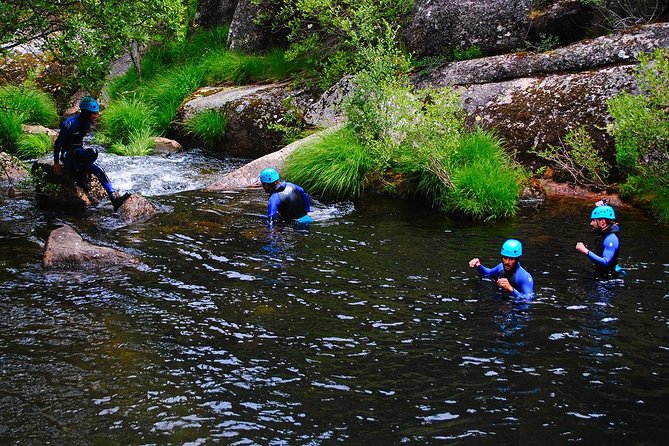
You also need a moderate physical fitness level. You should be comfortable with active movement for a few hours, including climbing, stepping on uneven surfaces, and being in damp gear for the day. You do not need to be a mountain athlete, but you should not plan this as a walk in the park.
Finally, it’s dependent on good weather. If conditions are not right, the activity can be rescheduled or refunded. In canyon sports, weather is not just comfort, it changes flow and safety conditions. So you should keep your schedule flexible.
Start Line Energy at Ponte Velha de Castro Laboreiro
Your day starts back at the Peneda-Gerês Canyoning Center in Lugar da Varziela, near Braga. From there, the first stop on the route is Ponte Velha de Castro Laboreiro.
Even though your main action is in the canyon itself, I like how these early stops set the tone. You get oriented in the area, you settle into the gear, and you can get a feel for the terrain before you commit to the descent sections.
That early grounding matters, especially if you are new to the physical rhythm of canyoning. Rope work and careful foot placement require focus. Starting at a proper landmark helps you stop thinking about where you are and start thinking about how to move safely.
Learning the Descent While Staying in the Safe Zone
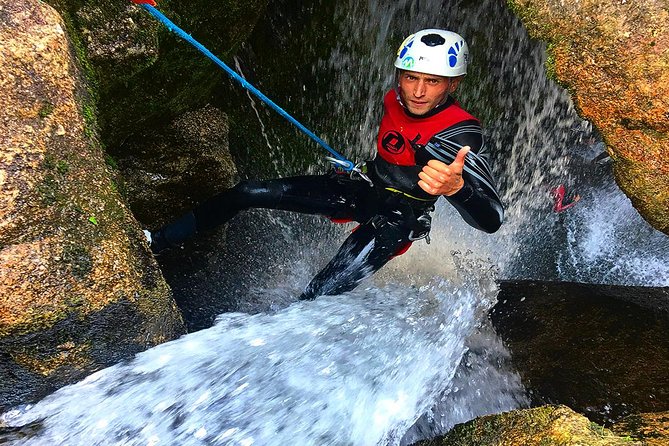
The best part of this tour is not just the waterfall. It is the way you earn access to it.
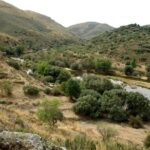
The route is in Rio Laboreiro, and the descent has challenges that canyoning enthusiasts come for. But the activity is set up so you do not just observe. You participate, and you learn as you go.
The guides, including Hélder and Duarte, are the reason many people rate this so highly. In practical terms, good guides do three things well:
- They explain what you need to do before you do it
- They watch your positioning during the risky moments
- They adjust instruction based on what you are actually doing, not what you thought you would do
If you have never climbed with ropes, you might worry you will slow the group down. The key is that the instruction is hands-on, and the team is keeping you safe while you learn.
That’s why I think the “intermediate but guided” label is fair. You get enough challenge to feel real progress, but you are not left to figure it out on your own.
The Seven-Meter Cave Waterfall You Came For
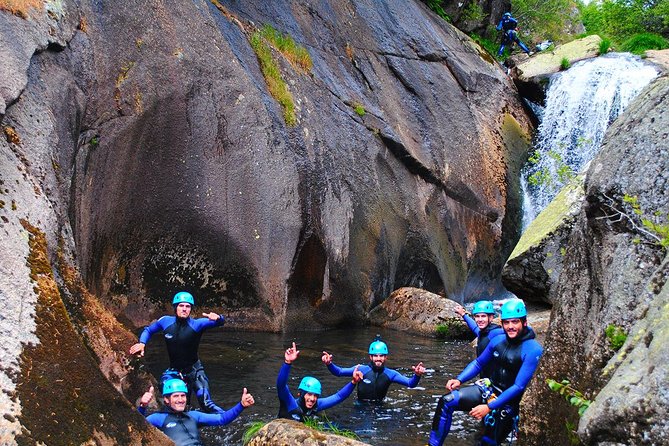
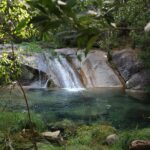
Now for the headline: a waterfall inside a seven-meter cave.
This is the kind of feature that sounds dramatic in a brochure, but it lands differently in person. A cave waterfall changes the acoustics, the temperature, and the light. You are not just walking by something pretty. You are moving into it, dealing with wet rock, and navigating the descent while the waterfall does its thing above and around you.
This is also the moment where the day’s theme clicks. You are not just wearing gear and following steps. You are experiencing a specific place in a way that dry viewpoints never replicate.
If you care about nature, you will probably love the contrast: enclosed cave space with raw water energy. If you care about adventure, you will love that this is not a passive stop. It is part of the technical flow of the canyon.
Stop Two at Castro Laboreiro, Where the Day Lands
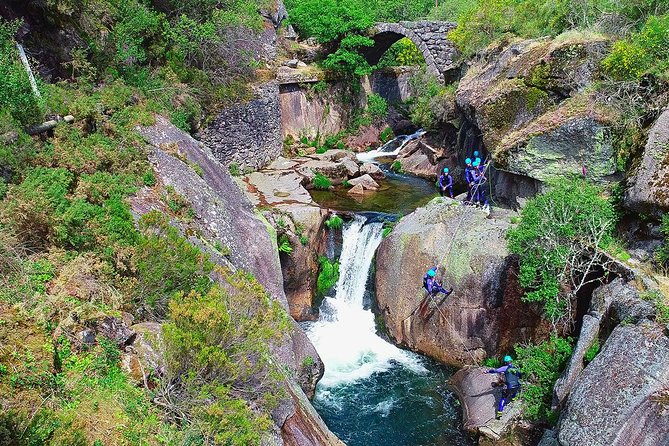
The second named stop is Castro Laboreiro. Even without extra detail on the exact timing, you can expect this area to serve as a transition in the overall route, and possibly part of the wider experience around the canyon.
Why I think this matters: canyoning days can feel one-track. You gear up, you go, you get wet, you leave. When the tour route includes a village area stop, it helps you wrap the experience in context and allows a smoother end to the day.
In one case, after the adventure the group ate in the village and then continued on for a relaxing soak at Roman hot springs in Bande, crossing into Spain. If you want that kind of day plan, it’s easy to build around the canyoning finish with food and downtime.
How Long It Takes, and How to Plan Your Day
The tour runs about 3 hours.
That time window is a sweet spot for most people. It’s long enough to feel like you did something meaningful and active. It’s short enough that you do not have to book an entire day of logistics.
Plan around the fact that you will be wet and bundled up. Even if the center is close to the canyon route, you still want time to change out of gear afterward. If you are stacking plans, keep them forgiving.
Also note the day has a small group cap of 15 travelers. Smaller groups can mean better attention during tricky moments, and it often keeps the pace from turning into a line. You spend more time doing, less time waiting.
Price and Value: What $60.07 Buys You
The price is $60.07 per person.
At first glance, canyoning can sound expensive, but here’s where value shows up clearly: the cost covers the guided route and the safety-focused gear. You get the wetsuit, boots, helmet, and life vest, plus fees and taxes.
If you had to buy or rent everything on your own, costs add up fast, especially for proper footwear and safety equipment. In this case, you are paying for a ready-to-go setup that’s designed for the activity, not general outdoor use.
You are also paying for the real ingredient: the monitors who keep you safe while you handle an intermediate canyon. That supervision is not a small thing. It is what turns a risky hobby-like activity into a structured experience.
So for me, the value equation is simple: you are paying for guidance, gear, and a real natural highlight, all within a tight 3-hour window.
Who This Canyoning Tour Is Best For
This trip is aimed at adventure lovers and canyoning enthusiasts, and it is described as an intermediate cave route for nature lovers.
That means it is a strong fit if:
- You want real action, not just a scenic walk
- You are comfortable with moderate physical effort
- You like learning new skills in a controlled way
- You want a guided experience where safety is taken seriously
It may be less ideal if:
- You hate being in water and damp gear
- You are expecting an easy beginner flow with no rope work or technical moments
- You have very low tolerance for active movement for around 3 hours
If you do not have rope experience, that is not automatically a dealbreaker. The guidance helps you learn, and you are not doing it blindly. The key is your willingness to listen, follow instructions, and move carefully.
Weather Matters, Because Safety Comes First
This activity requires good weather. That affects both comfort and safety. If weather is poor, you are offered a different date or a full refund.
If you are deciding between tours while planning a trip, treat this one like a “watch the forecast” activity. Build in flexibility so you can go when conditions are favorable.
The good part is that your planning is supported by the free cancellation window, so you are not locked in forever.
Booking Tip: Ask Yourself One Simple Question
Before you book, ask: am I ready to be active and wet for a few hours, and can I follow instructions closely?
If the answer is yes, this is a solid choice. If you want a relaxed scenic day with minimal physical movement, you might end up frustrated.
Also consider timing. Since confirmation depends on availability and arrives within 48 hours, you should book with enough buffer to adjust if dates shift.
Should You Book Water Canyoning in Braga?
I would book this if you want a guided intermediate water canyoning route with a standout natural feature, the seven-meter cave waterfall, and you care about doing it with proper gear and experienced monitors.
It’s also a smart booking if you like the idea of learning rope skills with close oversight. Guides like Hélder and Duarte are the kind of detail that makes a tour feel safe and fun at the same time.
Skip it only if you know you cannot handle moderate fitness demands, cold water, or uncertain weather conditions. Otherwise, this is the kind of half-day adventure that gives you a real story and a real sense of accomplishment.
FAQ
How long is the water canyoning tour?
It lasts about 3 hours.
Where does the tour start?
You meet at the Peneda-Gerês Canyoning Center, Lugar da Varziela, 4960-094, Portugal.
What gear is included?
The tour includes a suit (wetsuit), boots, a helmet, and a life vest.
What language is the tour offered in?
The experience is offered in English.
What fitness level do you need?
You should have a moderate physical fitness level.
What group size can you expect?
The tour has a maximum of 15 travelers.
When will I get confirmation after booking?
Confirmation is received within 48 hours of booking, subject to availability.
Is the tour refundable if weather is poor?
If it is canceled due to poor weather, you will be offered a different date or a full refund.