

Reviewed · CITY TOURS
Porto: National Museum Soares dos Reis E-Ticket & City Tour
A palace museum in Porto, minus the rush. With a time-slotted e-ticket, you get in with less hassle, and you can explore the galleries of the former Palácio dos Carrancas at your own pace. I like that the museum is centered on the work of António Soares dos Reis, so you are not just wandering room to room with no thread.
One practical catch: the experience depends on your phone. Bring a charged smartphone with enough storage, and note the app is not compatible with Windows phones, plus queues can still form at entry.
Key highlights to zero in on
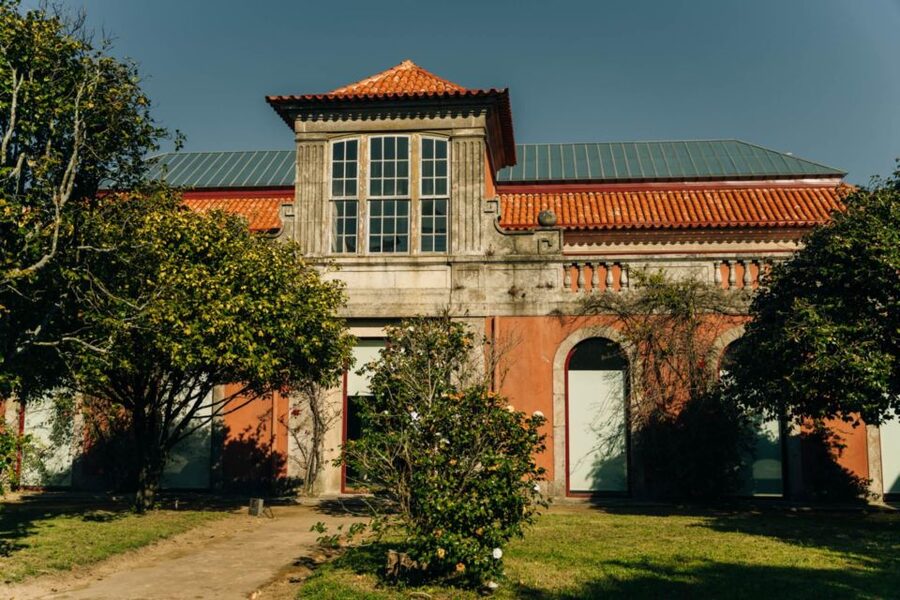
- Palácio dos Carrancas setting: you are visiting a former palace, not a generic museum box.
- Decorative Arts collections: a strong reason to go if you care about design and craft.
- António Soares dos Reis focus: the museum gives you a direct line to his work.
- Self-paced visit: no group herding, you set the tempo.
- English audio guide availability: useful if you want guided context without a live speaker.
- City-center access: straightforward to reach from both Campanhã and São Bento by bus or a 20-minute walk.
What you are really buying with a Porto museum e-ticket
This is an entry ticket to the Porto National Museum Soares dos Reis, plus phone-based access. For about $17 per adult and a 1-day window, you are paying for the museum visit itself and the e-ticket system that controls entry timing.
What makes the value feel right is that you are not stuck on a fixed itinerary. You can move through the museum on your schedule, linger where something grabs you, and skip what does not. If you like art museums where you can actually look, not just check boxes, the “do it your way” format fits well.
Also, this is a museum with a built-in storyline. The highlights point to two big anchors: the Decorative Arts collections and insight into António Soares dos Reis. That matters because a self-guided visit goes better when the place itself gives you a clear theme to follow.
More Porto river cruises, city walks, and northern Portugal day trips to compare



How the time-slotted e-ticket works on your phone
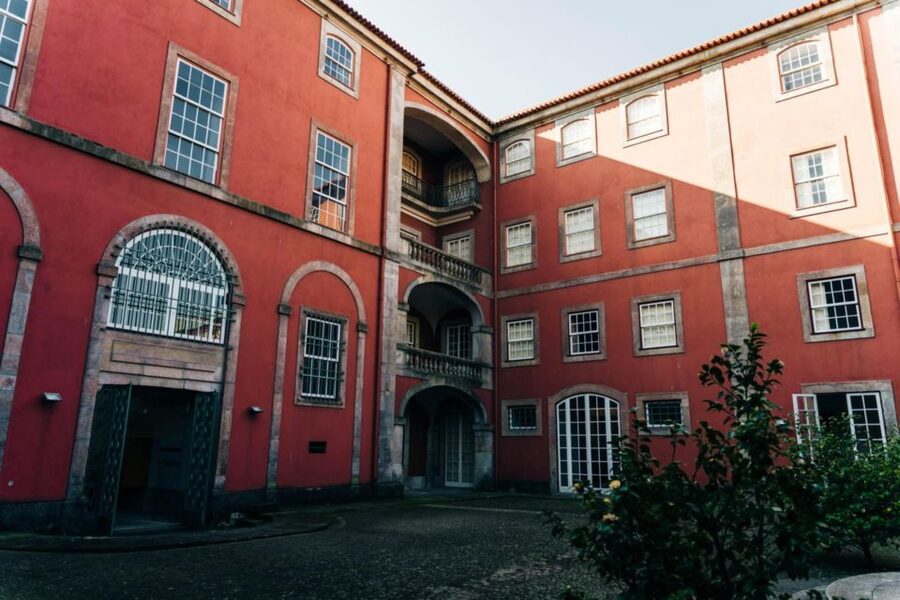
There is no meeting point, and that is part of the simplicity. You arrive at the museum and handle entry using your e-ticket.
After you book, you receive an email with instructions for accessing and downloading your ticket. Do not ignore your spam folder. Then you download the museum app on your phone before you go. The app is listed as working on Android and iPhone, and it is not compatible with Windows phones.
Here is how to avoid the most common headaches:
- Bring a charged smartphone (not at 2 percent, not “mostly charged”).
- Make sure you have storage for the app, listed around 100-150 MB.
- Use one booking per device, not per person. If you have multiple people in your group, each person’s device matters.
Even with a timed ticket, plan for possible queues at the entrance. Timed entries help, but they do not magically erase human nature.
Inside the Palácio dos Carrancas: why the building matters
You are not touring a neutral space. You are exploring the former Palácio dos Carrancas, and that changes the feel immediately. In a palace, rooms are often shaped for display, ceremony, and status. Even if you only have a short amount of time, the architecture and layout tend to make the art and decorative items feel more connected.
In practical terms, the palace setting helps you “read” the museum. Decorative pieces make more sense when you remember they once lived in rooms designed to show them off. And when you connect that setting to António Soares dos Reis, you get a stronger sense of how artists and objects were part of Porto’s cultural identity.
So when you enter, resist the urge to speed-walk to the first thing. Instead, take a moment to orient yourself. In a museum that is both palace and collection, orientation helps you enjoy the story, not just collect impressions.
Decorative Arts collections: the best reason to slow down
The highlights are clear: you will see collections tied to Decorative Arts. That is a big deal for self-guided visitors, because it gives you a topic to look for as you move through the museum.
When people think “museum,” they sometimes expect only paintings and sculptures. Decorative Arts often means craftsmanship, design details, and objects that reflect daily life and taste. In a former palace, these items can feel like they belong to a world, not just to a display case.
How to make the most of it on your visit:
- Pick one or two rooms to treat like your main focus, rather than trying to absorb everything.
- Look at the “small” details first. Decorative displays are usually the kind where the meaning shows up when you pay attention to materials, shape, and finish.
- Use the audio guide if you want extra context, especially for understanding why certain objects were valued.
If you enjoy design and craftsmanship, this is where the visit often rewards you the most. If you only want one quick look at an artist’s masterpieces, you might feel pressure to rush. In that case, choose a simple strategy: focus on the Decorative Arts sections that connect directly to the themes around António Soares dos Reis.
António Soares dos Reis: seeing a local artist with a fresh angle
The museum’s other major hook is insight into the work of António Soares dos Reis. Even without a live guide, a good museum design helps you connect the dots between objects and the person behind them.
What I like about this focus is that it gives you a learning path that is not dependent on other people’s pace. You can spend more time with whatever aspect interests you, then step back and see how the different pieces relate.
A practical tip for self-guided learning: when you find a work that catches your attention, take a minute to read any available labels and then move on nearby. Often, museums group works so you can compare ideas. You may not notice that structure if you bounce randomly.
Also, because this is in Porto and not in a one-size-fits-all museum setting, the artist becomes a way to understand the city, not just a name on a wall.
You can also read our reviews of more city tours in Porto






Using the English audio guide without losing your freedom

The provided details say an English audio guide is included. At the same time, it also notes that a live guide is not included. That combination is actually ideal for many travelers.
A live guide can be great, but it can also force you into a timetable. An audio guide lets you choose when to stop, when to listen, and when to keep walking. It works especially well in a palace museum, where your attention naturally shifts between rooms and details.
Just be sure you are ready for it technically:
- Your phone needs enough storage.
- Your battery needs to last.
- Your headphones need to work.
If you get tired of listening, switch to reading labels and just enjoy the visual flow. The museum format supports both approaches.
Where and how to arrive: Campanhã, São Bento, and the city center
The museum is in the central area of Porto, close to General Hospital of Santo António and Palácio de Cristal, at Rua de D. Manuel II 44, 4050-522, Porto, Portugal.
There is no meeting point, so navigation matters more than group timing. Here are the route options provided:
From Campanhã station
- Take bus STCP 207 from the terminal next to the station.
- Get off at Jardim do Carregal.
From São Bento station
- From Campanhã, you can choose to switch trains and come to São Bento.
- From São Bento, it takes about 20 minutes on foot to reach the museum.
Both options are doable. My advice: if you want lower effort, go with the bus. If you want an easy walk and you like unfolding the city on foot, the São Bento direction can be pleasant, even if it adds time.
Timing a one-day visit so it does not feel rushed
This experience is valid for 1 day. That does not mean you have to cram it into one hour, though. A palace museum and a museum built around one artist and Decorative Arts tend to reward slower pacing.
A smart approach:
- Start when you have energy, not when you are already tired.
- Give yourself extra time for entry queues.
- Plan to spend more time in the sections that match your interests, Decorative Arts and António Soares dos Reis.
Because the entry is ticketed by time slot, you can structure your day around the museum rather than squeezing it in. Add nearby sights, or keep it simple and let the museum be the main event.
Price and value: what $17 gets you (and what it does not)
At $17 per person, you are mostly paying for museum admission plus the convenience of the e-ticket and the smartphone app experience. This can feel like good value if you would have paid admission anyway and you like exploring independently.
What is not included:
- Live or guided service (no live guide pick-up drop-off).
- Food and drinks.
- Transportation to and from the museum.
Also note: while the audio guide is listed as included in English in the activity info, the “not included” list mentions live and audio guide. That sounds contradictory, so I would treat it like this: do expect an audio option in English, but do not assume a live guide is part of it.
Bottom line on value: the ticket is worth it if you want a self-paced museum centered on António Soares dos Reis and Decorative Arts, and you are comfortable using your phone for entry.
Who this museum visit is best for
This fits best if you:
- Enjoy art and design, especially Decorative Arts.
- Want to learn about António Soares dos Reis with a focused museum theme.
- Like self-guided travel where you control the pace.
- Are comfortable using a smartphone app for ticket access.
It may be less comfortable for you if:
- You do not want to rely on tech at all, since the app and a charged phone are central to the experience.
- You have low phone storage or poor battery habits.
- You are traveling with a Windows phone, since the app is not compatible.
If you are a light packer with a dependable phone setup, this is an easy win.
Should you book the Porto National Museum Soares dos Reis e-ticket and city tour?
Book it if you want a museum that feels more like a place than a checklist. The Palácio dos Carrancas setting plus the twin focus on Decorative Arts and António Soares dos Reis creates a clear, satisfying theme for a self-paced visit.
Skip or reconsider if you hate phone-based entry. This is not a ticket you just print and forget. It asks you to plan for battery, storage, and app compatibility.
If you are okay with that, you will likely enjoy it. It is a calm, city-center museum experience that lets you slow down and actually look.
FAQ
Where is the Porto National Museum Soares dos Reis located?
It is at Rua de D. Manuel II 44, 4050-522, Porto, Portugal, close to General Hospital of Santo António and Palácio de Cristal.
Is there a meeting point?
No, there is no meeting point. You go directly to the museum.
How do I get my e-ticket?
After booking, you receive an email with instructions to access and download your ticket. Check your email spam folder too.
Do I need the smartphone app to enter?
Yes. You are told to download the app on your smartphone before your visit and use it to access your ticket.
What languages are available?
The activity info lists English.
Is there an audio guide?
The activity info says an English audio guide is included. A live or guided service is not listed as included, and the details also say live and audio guide are not included in one section, so treat it as self-guided with an English audio option.
Is the app compatible with Windows phones?
No. The app is not compatible with Windows phones. It is listed for Android and iPhone.
More Tickets in Porto



More Tours in Porto





More Tour Reviews in Porto


Keep comparing: recently reviewed experiences around Porto












City Tours, compared.
 ★ 5.0The Unvanquished Tour in Porto City CenterFrom $326,497 reviews
 ★ 4.8City Highlights 3-Hour Guided Electric Bike TourFrom $513,092 reviews
 ★ 3.9City Train Tour, River Cruise & Wine CellarFrom $432,601 reviews
 ★ 4.0City Sightseeing Hop-On Hop-Off Bus TourFrom $312,588 reviews
 ★ 4.83-Hour Guided City Highlights Walking TourFrom $342,050 reviews
 ★ 4.7Historic City Center Walking TourFrom $331,172 reviews
 ★ 5.0Porto Walking Tour – The Perfect Introduction to the CityFrom $1733 reviews
 ★ 4.8Private Tour of the Historic City in a Classic Ford TFrom $40716 reviews
Browse the lists this tour appears in