
Reviewed · HALF-DAY
Porto: Half-Day Jewish Tour
Porto rewrites itself in Jewish footsteps. This half-day Jewish tour uses real street-level traces to connect Porto’s Sephardic legacy with the darker chapters of the Inquisition, the pressure on new Christians, and the long secrecy around Jewish traditions. I like that it teaches you to read the city through toponymic and archaeological clues, not just through dates.
My other favorite part is the walk itself, you move between the city center anchors and viewpoints while also hearing stories that explain why places matter. The one thing to consider is the pace: it is a 3-hour walking tour with moderate walking, and it is not a good fit if you have mobility limitations or low stamina.
Key highlights you will actually feel on the ground
- Street-by-street clues that point to the Jewish community’s former footprint through enduring place-name traces
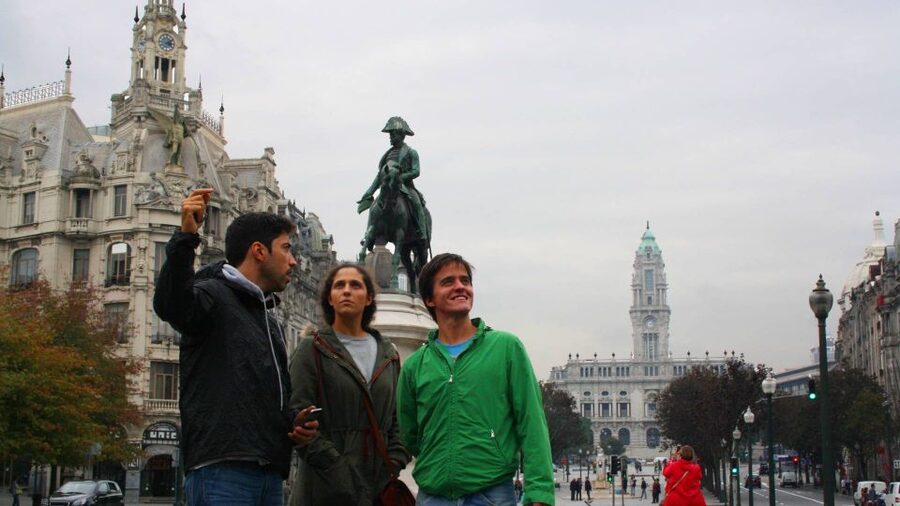
- A route packed with big landmarks such as Clérigos Tower, plus stops that feel like Porto’s quieter corners
- Kadoori Mekor Haim Synagogue and the broader thread of the Israeli community in the story
- A focus on the 1496 King’s Expelling Order and what followed for Jewish life
- Barros Basto as a cultural recovery story, including the Portuguese Dreyfus comparison
- A guide-led, practical experience that helps you connect the dots and get oriented fast
Why Porto’s Jewish Quarter story hits harder on foot
Porto is one of those cities where history is not locked behind glass. Here, you take the story out onto the sidewalks, so you can see how an ordinary street layout can carry meaning across centuries. That is what makes this tour different from a sit-down museum lesson.
I also like the way the tour frames the Jewish story as something you can still notice today. You are not only hearing about Sephardic legacy in general terms. You are shown the toponymic and archaeological trace elements that have endured, and that changes how you look at the city after the walk.
One more practical bonus: the guide is there to give you context while you are moving. With a private group and live English narration, you can ask questions as you go, which keeps the whole experience from turning into a one-way lecture.
More Porto river cruises, city walks, and northern Portugal day trips to compare


Getting oriented: the 3-hour route from Vimara Peres to Porto São Bento
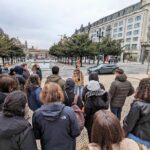
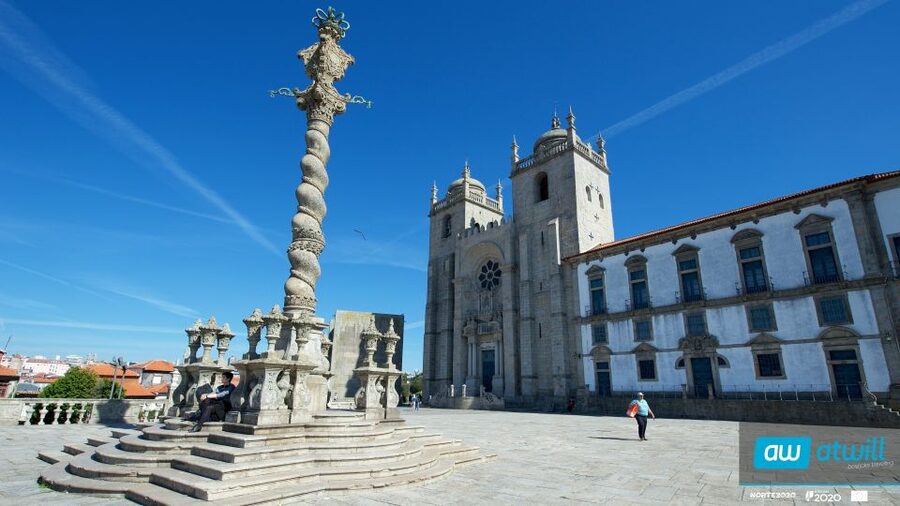
This is a half-day walking tour built around a logical loop through key central areas. It starts at Sé Cathedral (Terreiro da Sé), next to the Vimara Peres statue, so you’re stepping into the old core from the first minute. You’ll be on your feet for about 3 hours total, including several guided segments and short walks.
Here is how the route unfolds, and what to watch for at each stop:
Starting point: Sé Cathedral and the Vimara Peres statue
You begin next to Vimara Peres by Sé Cathedral. Starting here matters because it places you at a natural orientation point in the historic center, before the tour starts connecting smaller streets to bigger themes like Sephardic legacy and persecution.
This first segment is a mental warm-up. You’ll get the baseline story so later place clues start clicking.
Largo do Terreiro
Next comes Largo do Terreiro, with about 30 minutes of guided tour, sightseeing, and walking. This stop is the kind of place where a good guide helps you notice the way the city’s layout channels movement, which becomes important later when you connect neighborhoods to historic communities.
If you like structured routes, this is where the tour sets your rhythm. If you prefer a slower, stop-and-stare pace, pace is still manageable, but you’ll feel the walking style.
Ribeira, Porto
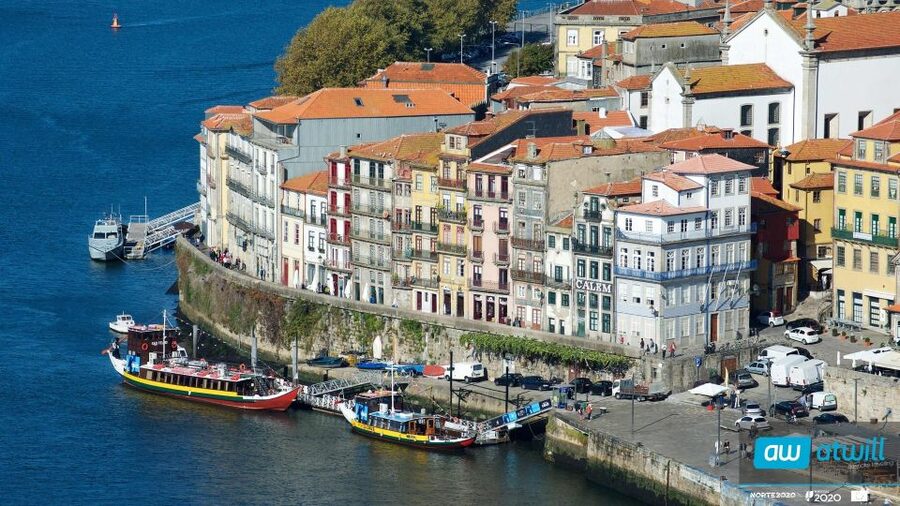
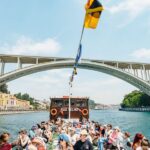
Then you head toward Ribeira, Porto, again with about 30 minutes of guided sightseeing and walking. Ribeira is part of the city core, and the tour uses that setting to keep the story grounded in lived geography, not just names and dates.
This is also a helpful stop for photos and for getting the city’s visual bearings. You’ll likely appreciate that it is not only history talk, it is also seeing where things sit.


Miragaia
From there, you move to Miragaia for about 30 minutes of guided tour and sightseeing. This is one of those segments where the guide’s job becomes obvious: you learn what to look for in the streets and how to connect place clues to the larger Jewish narrative.
If you enjoy walking with purpose, this part delivers. If you are expecting lots of seated time, it is not that kind of tour.
Parque das Virtudes for scenic viewing
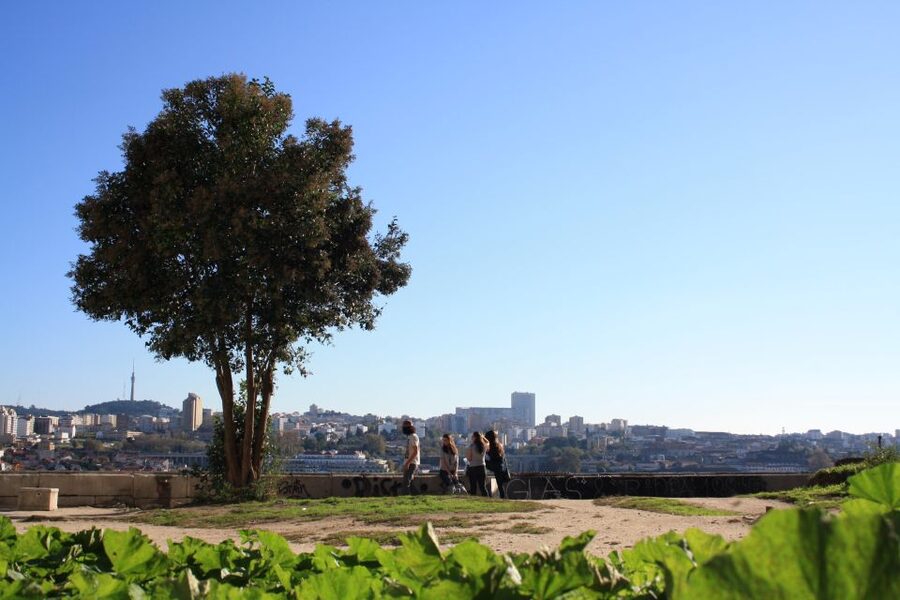
Next is Parque das Virtudes with around 30 minutes, including scenic views on the way. This is a real breath point in the itinerary because you get views while still staying on theme. The tour keeps moving, but the setting gives your legs and brain a small reset.
Practical tip: on clear days this helps morale. On rainy days, you’ll want traction footwear because the walking portion is still part of the experience.
Mosteiro de São Bento da Vitória
You then reach Mosteiro de São Bento da Vitória for about 30 minutes, including guided sightseeing and passing by, plus more scenic views on the way. Even if you are not focused on religious architecture, this stop works because it anchors the walk near major historic sites.
This is the kind of moment where the guide can connect religious and cultural shifts to what came before and after the persecution periods.
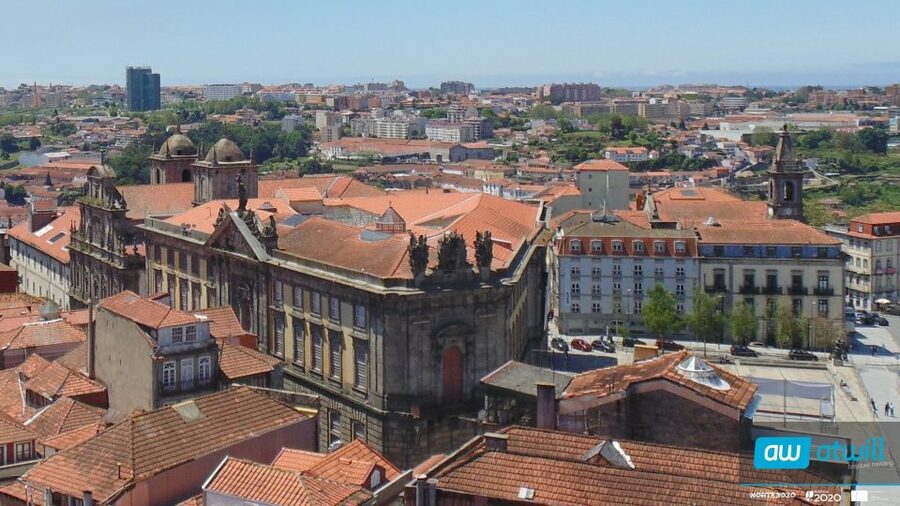
Clérigos Tower
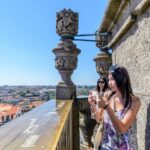
After that comes Clérigos Tower with a guided pass-by and sightseeing segment. This landmark helps you zoom out. You get a big, recognizable Porto anchor while the tour keeps the Jewish historical narrative threaded through the route.
It’s a quick hit rather than a long lingering stop. If you want to spend lots of time at landmarks, you may want to plan extra time later on your own.
Finish at Porto São Bento
The walk ends at Porto São Bento. Finishing here is a practical move because it puts you near another central reference point, making it easier to continue your day without backtracking across the city.
By the end, you should feel more confident navigating the historic center and spotting the type of trace clues the guide pointed out along the way.
What the tour teaches: from Sephardic legacy to forced secrecy
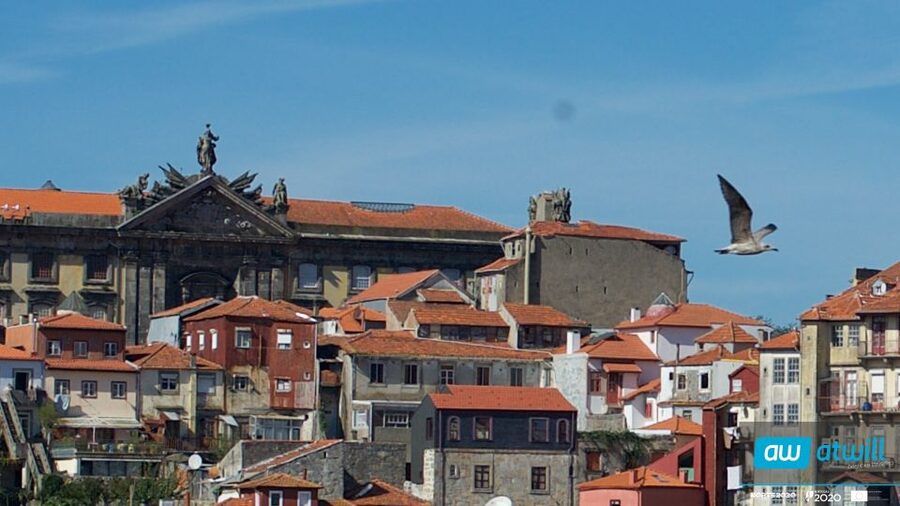
The backbone of the tour is the story of places where the Jewish community once lived, and how those traces have endured. You learn about Sephardic legacy, and you also get the political and religious pressure that shaped life in Porto and across the Iberian Peninsula.
The tour covers several core themes that matter for understanding why clues survived in the first place:
- How the Inquisition and pressure on new Christians changed Jewish lives
- How Jewish traditions were covered up for centuries
- Why place names and physical traces can be all that is left when direct documentation is missing
This is not just academic context. It gives you a lens. Once you hear the explanation for why traditions were hidden, you start noticing the carefulness in the city clues themselves, the way history leaves indirect signals when it cannot leave direct ones.
I especially appreciate that the tour does not treat Jewish history as one straight line. It frames change under pressure, then connects that to later cultural recovery.
Kadoori Mekor Haim Synagogue and the Israeli community thread
The tour includes learning about the Israeli Community and a specific religious site: Kadoori Mekor Haim Synagogue. Even if your prior knowledge is small, this is one of the most concrete parts of the experience because it ties the stories to a named place.
I like that it is included as part of a broader narrative rather than as a single standalone stop. You get to understand where the synagogue fits in the larger story of continuity and change, from older Sephardic roots to later community identity.
The 1496 expelling order and why it still matters
The tour also covers the 1496 King’s Expelling Order. That is one of those turning points that explains a lot of what comes next in Portugal and neighboring regions.
What makes it useful on this walk is that it helps you interpret the traces you are seeing. If you understand the pressure to leave or convert, then a city’s surviving signs make more sense. You stop thinking of the clues as random leftovers and start reading them as evidence of survival.
Barros Basto as the Portuguese Dreyfus story
One of the more distinctive elements is the tour’s focus on Captain Barros Basto, including the description of him as the Portuguese Dreyfus. That comparison matters because it signals the idea of a long fight for recognition and justice.
In practical terms, this part of the tour gives the narrative a later emotional arc. You move from persecution and cover-up toward something like cultural and religious rescue, rather than ending the story in darkness.
If you like history that includes a human-scale payoff, this section is likely to land well.
Guide quality in this walk is the difference maker
This tour lives or dies by the guide. The strongest feedback pattern centers on a guide who can connect Portuguese history to Jewish history in plain language, while also handling questions without getting irritated.
You might be guided by João, and some experiences also mention guides such as Luigi or Carlota. Regardless of the name, the consistent theme is a guide who keeps the tour lively, answers questions patiently, and adapts when weather or comfort becomes an issue.
One practical advantage: guides have been described as flexible during tough conditions, like heat or sudden rain. That matters in Porto because weather changes fast, and a good guide helps the walk stay doable.
Also, because it is a private group with English narration, it is easier to control the flow. If you want more context, you can ask. If you want the route facts, you can keep pushing forward.
Price and value: is $75 per person worth it?
At $75 per person for 3 hours, the value depends on what you want from Porto.
If you want a quick overview that also teaches you how to read the city, this price makes sense. You’re getting a professional guide plus a walking tour experience that includes a set route through central landmarks and neighborhood areas. You’re also getting a narrative structure that covers the Inquisition-era pressure, the expelling order, and the Barros Basto rescue arc.
The one cost consideration is that entrance fees are not included. So if you plan to add extra stops on your own later, budget for that. During the tour itself, some sites are passed by rather than treated like full museum visits, so the lack of included entrances usually does not break the flow.
For comparison, you are paying for story, guidance, and orientation. If you would otherwise spend the same time independently trying to piece together Jewish Porto from scattered sources, a guide is the timesaver.
Who this tour suits best, and who should skip it
This tour is a good fit if you want:
- A guided walk that connects street clues to Jewish and Sephardic themes
- A route that includes major landmarks like Clérigos Tower plus viewpoints in places like Parque das Virtudes
- An English-speaking guide and a private group format
It is not a good fit if you:
- Use a wheelchair or need mobility assistance
- Have low fitness and prefer minimal walking
- Need a fully accessible route, because the tour involves moderate walking and runs in all weather conditions
If you are comfortable walking for 3 hours, you should find it energetic but doable.
Quick planning notes that will save you hassle
This is an all-weather tour, so you should dress for changing conditions. Because the walking is moderate, bring comfortable shoes and plan for time spent on your feet.
The meeting point is clearly set at Sé Cathedral (Terreiro da Sé), next to the Vimara Peres statue. Show up a few minutes early so you do not start stressed.
Also, the itinerary has flexibility to match your preferences. That can help if you care more about one thread of the story, such as the synagogue connection or the Barros Basto narrative.
Should you book this Porto Jewish tour?
Yes, I think you should book it if you want Jewish Porto explained through the city itself. The combination of Sephardic legacy, the pressure periods tied to the Inquisition and new Christians, and the later Barros Basto rescue story gives you a full emotional and historical arc in a short time.
I would skip it only if walking is hard for you, or if you prefer a mostly indoor experience. If you can handle a steady paced walk and you like your history connected to place names and streets, this is a smart use of a half day.
FAQ
Where does the tour start?
The meeting point is Sé Cathedral (Terreiro da Sé), next to the Vimara Peres statue.
How long is the Porto Half-Day Jewish Tour?
The duration is 3 hours.
Is the tour private, and what language is it in?
It is a private group tour, and the live guide is English.
What is included in the price?
You get a professional guide and a walking tour.
Are entrance fees included?
No, entrance fees are not included.
Is the tour suitable for people with mobility impairments?
No. It is not suitable for people with mobility impairments or wheelchair users, and it is also not ideal for people with low level of fitness.
Can I cancel for a full refund?
Yes. It offers free cancellation up to 24 hours in advance for a full refund.
More Half-Day in Porto
More Tours in Porto



More Tour Reviews in Porto
Keep comparing: recently reviewed experiences around Porto







Half-Day, compared.
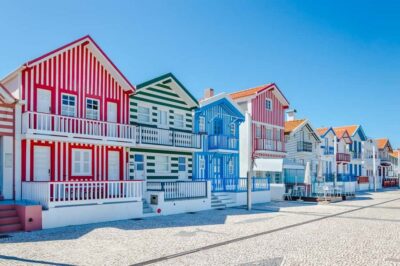 ★ 4.4Aveiro: Half-Day Tour from Porto with CruiseFrom $52963 reviews
 ★ 4.8Half-Day Street Art TourFrom $25232 reviews
 ★ 5.0Porto Half-Day Guided Historical Tour with Port Cellar Visit and TastingFrom $41217 reviews
 ★ 4.2From Porto: Aveiro Half-Day Tour with 1-Hour CruiseFrom $54214 reviews
 ★ 5.0Half-day Hike & Picnic with Dog Love in Porto’s MountainsFrom $59136 reviews
 ★ 5.0Porto Food Half-Day TourFrom $79124 reviews
 ★ 5.0Half-Day Walking Tour Tasting Local Food in PortoFrom $10278 reviews
 ★ 4.4Porto Half-Day Tour and Wine TastingFrom $4067 reviews