
Reviewed · DESSERT TOURS
Porto: Entry Ticket at WOW The Chocolate Experience by 20|20
Chocolate can teach you a lot. This ticket at WOW The Chocolate Experience turns chocolate into a 5,000-year story, with tastings and a working factory finish.
I especially like the clear bean-to-bar approach. You see how cacao turns into chocolate through the real production steps, then you get to taste what stage you are looking at. I also love that the experience includes an audioguide in several languages, so you can keep moving at your own pace.
One thing to consider is how text-heavy it can feel at the start. If you want lots of action immediately, plan on a slower beginning. Also, if you are going on a Sunday, the live factory moment may not be exactly what you expect.
Key things to notice before you go
- 5,000-year chocolate timeline that connects sacred cacao to modern bars
- Working factory environment where you can see chocolate made in action
- Real production steps you can actually name, from harvesting to conching
- Taste raw cacao and multiple chocolate samples as you learn
- Cultural side of cacao including advertising and consumerism
- Tasting stations and a small chocolate treat on entry
WOW The Chocolate Experience: 5,000 Years of Cacao, Bean to Bar
WOW The Chocolate Experience by 20|20 is built like a guided path through chocolate’s past and its manufacturing present. You start with cacao as a sacred drink tied to early civilizations, then follow the story as cacao spreads across oceans and changes from a ritual beverage into what most people recognize today: chocolate you can hold.
What makes this experience feel practical is that it links history to chemistry and process. You are not just reading that chocolate is made from cacao. You are walking through the stages and then tasting at different points, so the story stays connected to flavor.
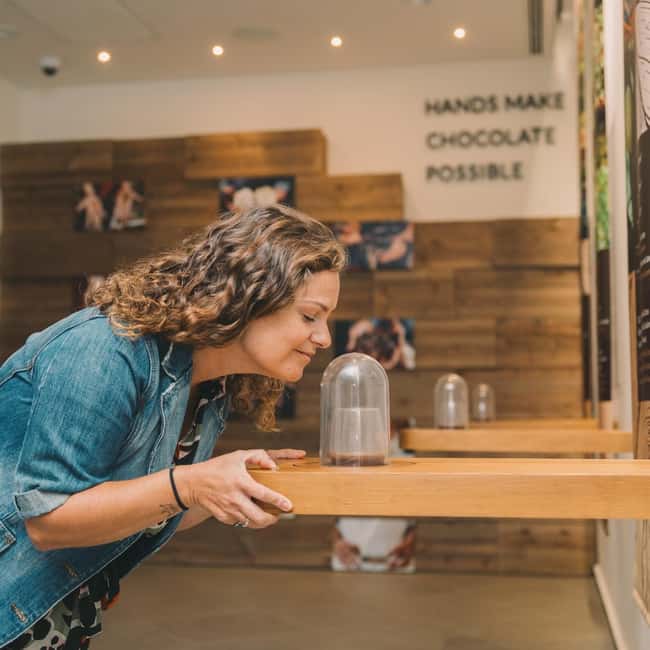
The visit also has a sensory focus. You get a chance to see, smell, and taste. That sounds like marketing until you realize the order matters. If you go in expecting only a museum, you may miss how much the tastings anchor the learning. If you enjoy food and science, you will feel right at home.
Value-wise, the ticket price is about the time plus a lot of included extras: museum entry, tastings, and an audioguide. Transportation is not included, but once you are inside, you are not paying repeatedly for samples.
More Porto river cruises, city walks, and northern Portugal day trips to compare

Your ticket at The Chocolate Story: timing and entry flow
Your entry is tied to the location called The Chocolate Story. The key practical point is simple: show your ticket directly at The Chocolate Story when you arrive. The activity ends back at the meeting point, so you are not walking across town at the end to find your way.
The visit runs for about 1.5 hours. That is a good length for Porto because it fits between meals or before a casual evening plan. It also helps you avoid the two extremes that can happen with museums: either you rush through too quickly, or you get stuck lingering on every sign.
Opening hours are daily from 10:00 AM to 07:00 PM, with last entrance at 07:00 PM. Since your ticket can be used any time during museum opening hours on your selected date, you have some flexibility. If you are picky about lighting, crowds, or having time to browse a shop, aim for an earlier entry rather than the final hour.
Quick heads-up on language: the audioguide is included, and it works in Portuguese, English, Spanish, and French. If you want to move faster, use the audio as your main guide. If you like to read, slow down at the tasting stops where the story connects directly to what you are sampling.
The chocolate history route: sacred cacao to a global habit
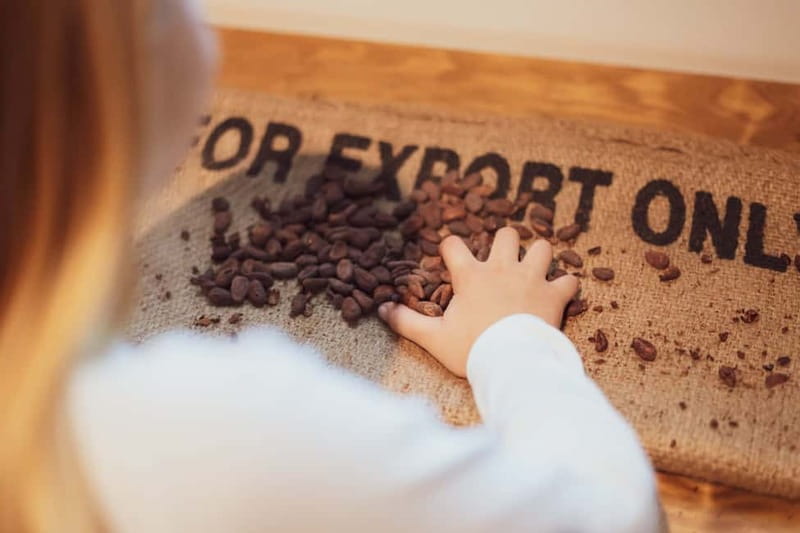
A big part of why this visit works is that it gives chocolate a human timeline. You start about 5,000 years back, when cacao was described as treasured by early civilizations and reserved for gods and royalty. Then you follow the route into Europe, where chocolate’s role shifts from a ritual drink into something people start seeking as a daily pleasure.
That matters because it helps you explain chocolate’s cultural role beyond taste. Chocolate is not only an ingredient. It is connected to celebration, love, advertising, and consumerism, and you will see that evolution as part of the journey.
As you move through the museum, the messaging is designed to connect story to product. You learn how cacao becomes a global symbol of indulgence, then you get brought forward to the modern world where you can walk into a shop and buy bars with different profiles. When that transition clicks, the later production steps feel less random.
If you are hoping for instant hands-on work at the very beginning, be aware that there is a fair amount of information early on. You might find yourself reading a bit more than you expected before the tastings and process stations take over. It is not a deal-breaker, but it is good to set your expectations.
Cacao plantations and sustainable farming basics

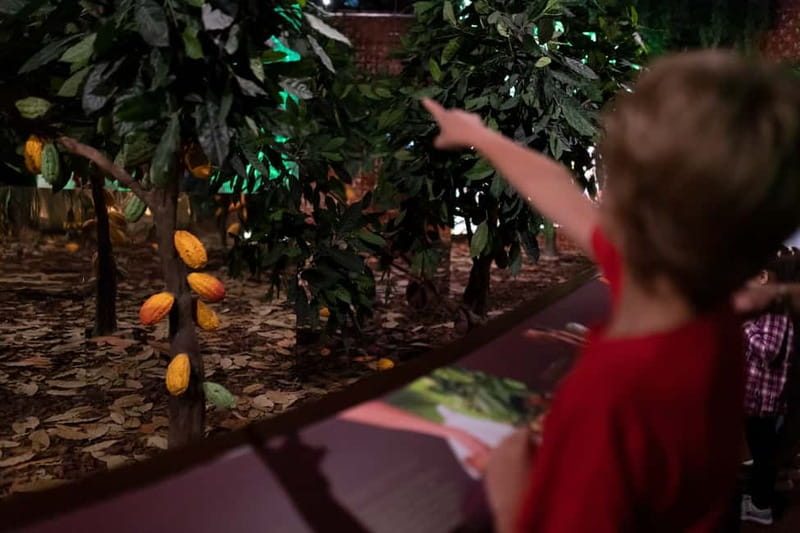
One of the most grounded parts of the experience is the section that focuses on the cacao plant and fruit, plus what sustainable cocoa farming methods look like in practice.
You get to explore cacao plantations themes, learn how cacao is grown, and get up close with the cacao plant and fruit. You also cover the idea of distinguishing between different cacao varieties. That is useful, because it gives you a framework for tasting later. If you do not know varieties exist, tasting can feel like guessing. With this context, you are more likely to pick up patterns in bitterness, aroma, and how the chocolate develops on your palate.
Even if farming details are not your main hobby, this section is a helpful correction to the idea that chocolate is just a product on a shelf. It brings you closer to where chocolate starts, and it makes the next steps feel earned rather than abstract.
The production journey: harvesting, fermentation, roasting, conching
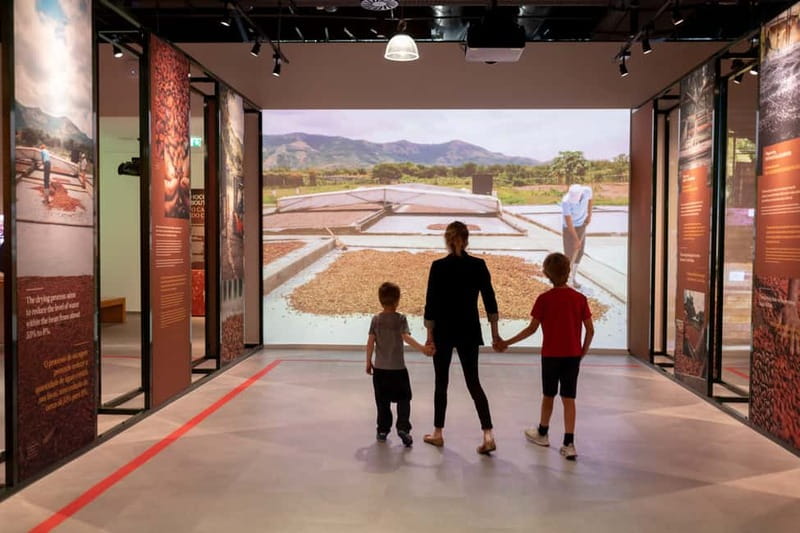
This is the part that food lovers usually care about most. You go through the full chocolate-making process, step by step, from harvesting to fermentation, drying, roasting, and conching.
The clever thing here is that you do not just see machinery. You are meant to understand what each stage does to the end result. Fermentation, for example, is not a random step. It affects how cacao develops its flavor base. Roasting and conching then shape aroma and texture in a way you can actually notice during tasting.
As you move through, you also sample cacao and chocolate in different stages of development. That turns what could be a lecture into a sequence you can experience. If you love learning by doing, this setup is a win.
If you do not, you can still benefit. The production walk-through gives you words to use when you taste chocolate later in Porto. Suddenly you can describe what you are noticing, instead of relying only on simple likes and dislikes.
More Porto river cruises, city walks, and northern Portugal day trips to compare



Tasting circuit: raw cacao, samples, and final bar
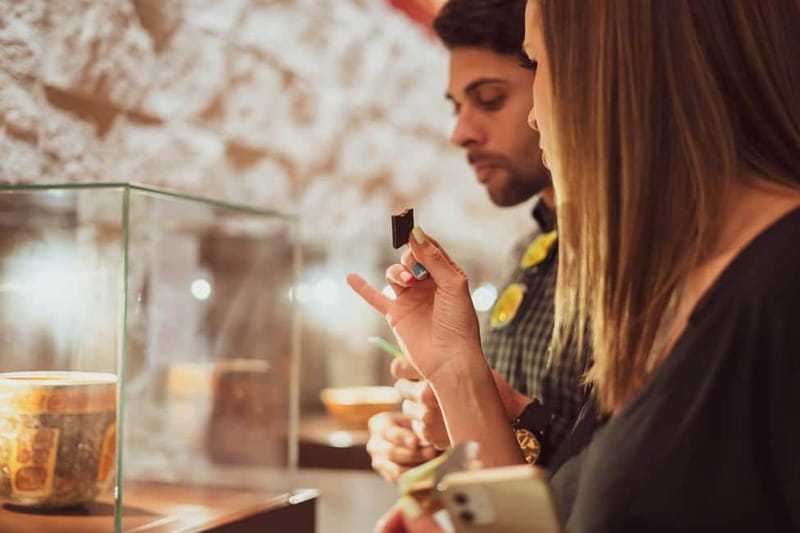
The tastings are a major reason to book this ticket instead of simply shopping for chocolate. You get to try raw cacao and artisan chocolate samples, plus the tasting stations you encounter as you go. You are also set up to taste the final product made by the working factory portion of the experience.
One small detail that people remember is the treat given at entry. You may receive a small chocolate bar on arrival, and it sets the tone right away. After that, tastings appear through the path rather than all at once. That makes it easier to compare and keep your attention on the learning goals.
A key consideration for taste: if you want to fully enjoy the tasting, avoid arriving starving or over-caffeinated. The experience includes multiple samples, so your palate needs to reset between stops. You do not need to calculate timing, just listen to your own taste fatigue.
Also, if you are the type who usually only eats milk chocolate, this is a great place to try 100 percent cacao style options. The visit is set up to help you understand what you are tasting, not just endure something bitter.
The live factory moment: when you can see chocolate made
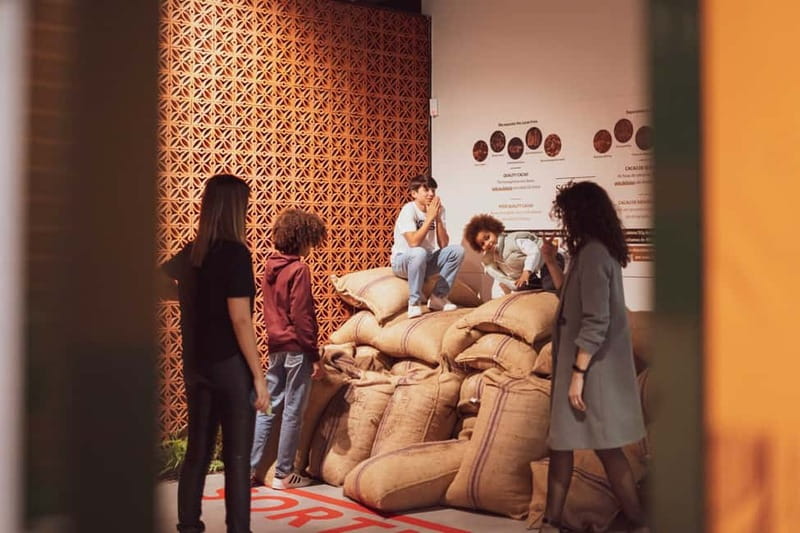
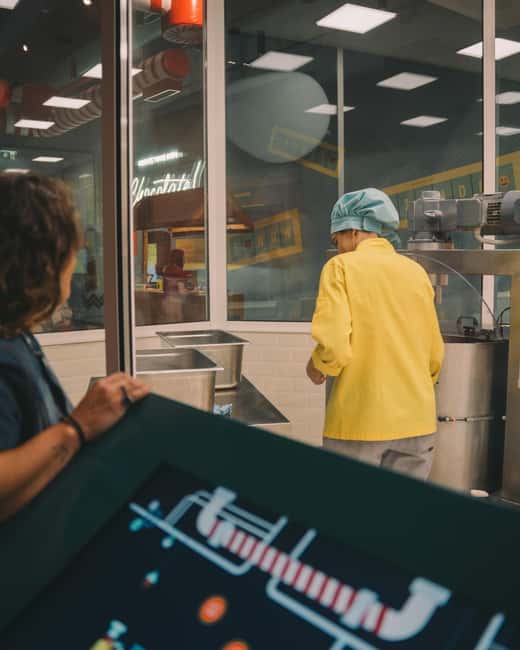
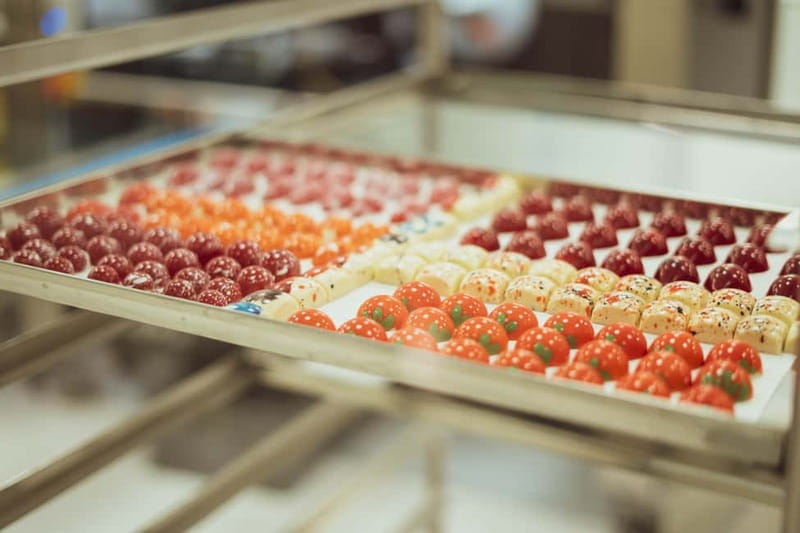
The last act of the experience is the operating chocolate factory section. This is where you witness the live transformation of cacao beans into award-winning chocolate. You do not just watch a video or a one-time demonstration. You are in a space where production is happening.
This is where timing can matter. If you are aiming to see the in-house chocolate factory at work, you should plan your visit with care. On some days, the live in-factory component may be less active than you want, so it is worth checking the day’s setup when you arrive.
That said, even if your timing is not perfect, the rest of the museum already gives you the full production story. The factory part simply adds real-world confirmation at the end. Think of it as the final “yes, that is what you learned” moment.
The shop and what to do with your last 10 minutes
At the end of your path, you are not forced to leave immediately. There is time to browse the chocolate-filled gift shop, which is one of the practical reasons this works well even for people who do not consider themselves chocolate experts.
This is also the moment to buy souvenirs you will actually use. If you tried different cacao profiles, you will know what kind of bar you prefer, instead of grabbing something random. You can also pick up gifts that feel connected to your visit, since you now understand what you are buying.
If you are the type who likes to compare before purchasing, linger a little. Otherwise you can feel like you are shopping on autopilot right after the tastings, when everything tastes good.
Is it worth the $20 ticket in Porto?
At around $20 per person, the value depends on what you want from Porto. If your trip includes mostly walking and outdoor sights, this is a great indoor change of pace. It is structured, it runs 1.5 hours, and it includes tastings plus a guided audioguide, so you get more than “just entry into a museum.”
It is also good value if you enjoy learning about food. The production steps, the cacao variety discussion, and the taste samples together make the ticket feel like a class, not a showroom.
If you hate reading and want action from minute one, this might feel slower at the start. If you only want a quick chocolate tasting, you may prefer something shorter. But if you want a mix of history, process, and sample-driven learning, it is easy to see why people keep coming back for the full sequence.
One more detail to keep you realistic: transportation is not included. You need your own way to get there, so factor that into your day plan.
Who should book WOW The Chocolate Experience?
This is a strong fit for:
- Foodies who like to understand how flavor is made
- People who want a structured indoor activity in Porto
- Anyone curious about cacao beyond just tasting candy
- Families going together with children who will not be unaccompanied
It is also wheelchair accessible, which makes it easier to include in a Porto itinerary when you need an indoor option.
One rule to note: unaccompanied minors are not allowed. So if you are traveling with kids, plan on going together with an adult.
If you are on a tight schedule, 1.5 hours keeps it manageable. If you are visiting in a group, it can still work well because the audioguide lets people move at their own speed.
Should you book this Chocolate Experience ticket?
Book it if you want a chocolate visit that teaches you something you can use. The best part is the connection between process and tasting, plus the cultural story that explains why chocolate became a global habit.
Consider skipping or adjusting your plan if you need instant hands-on activities right from the start, or if you are going on a Sunday and your top priority is seeing the in-house factory in full action. In that case, do a quick check on the day’s setup when you arrive.
Either way, this is one of those Porto experiences where you leave with more than sugar in your bag. You leave with a mental map of how chocolate becomes what you buy, and you taste the difference more clearly next time you encounter a bar.
FAQ
How long is WOW The Chocolate Experience in Porto?
It lasts about 1.5 hours.
What is included with the entry ticket?
Your ticket includes entry to The Chocolate Experience by 20|20 Museum, Vinte Vinte chocolate tasting, and an audioguide.
What languages are available for the audioguide?
The audioguide is available in Portuguese, English, Spanish, and French.
Where do I show my ticket?
Show your ticket directly at The Chocolate Story.
Is transportation included?
No. Transportation is not included.
Are unaccompanied minors allowed?
No, unaccompanied minors are not allowed.
What are the opening hours?
It is open daily from 10:00 AM until 07:00 PM, with last entrance at 07:00 PM. Bank holiday hours may vary, so check the official website.
Can I cancel for a refund or pay later?
Yes. You can cancel up to 24 hours in advance for a full refund. You can also reserve now and pay later.
More Dessert Tours in Porto
More Tickets in Porto


More Tour Reviews in Porto



Keep comparing: recently reviewed experiences around Porto








Dessert Tours, compared.
 ★ 4.6Cálem Cellar with Chocolate, Cheese, and Wine TastingFrom $53310 reviews
Chestnut Liquor and Sweets ProofFrom $620 reviews
★ 4.6Cálem Cellar with Chocolate, Cheese, and Wine TastingFrom $53310 reviews
Chestnut Liquor and Sweets ProofFrom $620 reviews
 ★ 4.0Chocolate Museum – Chocolate’s Delicious Journey + TastingFrom $2315 reviews
 ★ 4.5Porto Small-Group Local Food, Wine, and Sweets Tasting TourFrom $19210 reviews
 ★ 4.3Pastry and Dessert Tasting Tour with a Local GuideFrom $406 reviews
 ★ 5.0Port Wines & Chocolate PairingFrom $343 reviews
Browse the lists this tour appears in