
Reviewed · PORT WINE CELLARS & TASTINGS
Port Wine Lodges Tour Including 7 Port Wine Tastings (English)
Port wine has a way of turning a city walk into a lesson. This 3.5-hour Porto to Gaia tasting route mixes old cellars, interactive exhibits, and multiple tastings, all on foot and paced for groups. I like that it teaches you how Port is organized into families, not just what to drink. I also like that you get a guided mix of Reserve White, Reserve Tawny, and Ruby styles, so you can actually compare.
The best part is how the tour flows from classic producer cellars into interactive learning stops, ending with viewpoints back over Porto. You can expect to leave with a clearer sense of the Douro Valley connection and what changes from one Port type to the next. My only caution is simple: it is a walking tour with no lunch or snacks included, so plan energy and hydration accordingly.
Key highlights to look for (before you go)
- 7 Port tastings across 3 port houses plus structured guidance on what you are tasting
- A “big producer” stop in Vila Nova de Gaia with a museum and cellar visit
- An old cellar turned into an interactive visitor center, including how barrels and cork production fit in
- A Douro-focused interpretation center with a tasting workshop and food pairing tips
- End on a terrace view over Porto, which makes the whole afternoon feel complete
- Small group size, capped at 18, which helps the guide keep momentum and questions moving
Why this Gaia Port walk works so well for a first visit
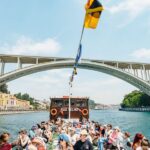
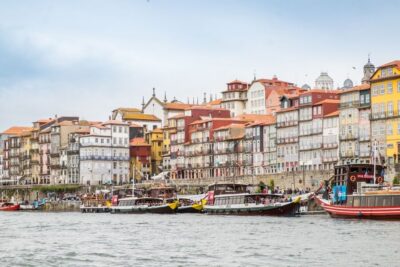
Porto is one of those places where the best experiences happen in layers. You get the waterfront-city vibe on one side, then the industry side in Gaia, where the trade and aging magic happens. This tour uses that geography on purpose. You start near the D. Luis Bridge, then walk into the cellars and lodges that made Port famous in the first place.
What makes this one stand out is the pacing. It is not just a quick tasting held in one room. You do multiple tasting formats, including Reserve styles and a young Ruby sample. Along the way, your guide ties the drinking to real production basics, so the tastings feel like they build on each other rather than repeating the same idea.
Price matters too. At $62.88 per person, the value comes from three things you generally cannot fake with a self-guided plan: a guided comparison between Port families, access to multiple lodge spaces, and 7 tastings packed into a half-day format. Add that it is a mobile ticket tour offered in English, and you have a low-stress way to try Port without spending hours figuring out which caves to book.
You can also read our reviews of more wine tours in Porto
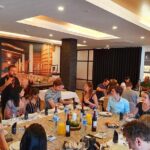
Meeting near D. Luis Bridge, then walking into the cellar world
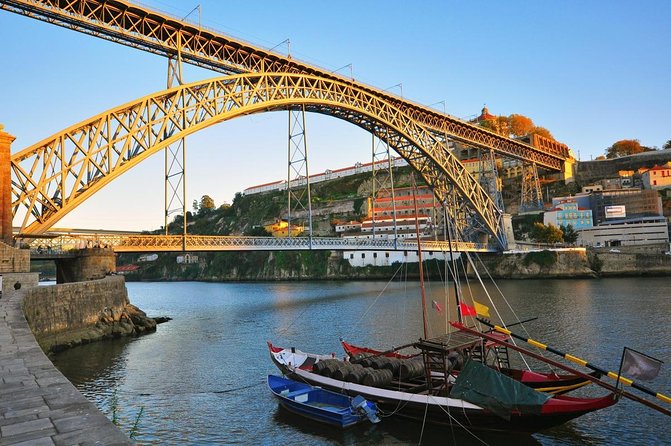
Your start point is specific, and it matters here. You meet at Pilares da Ponte Pênsil, on the Porto side near the lower level of the D. Luis Bridge, next to the bridge. Expect a red jacket that says porto walkers. The start time is 3:00 pm, which is smart timing, because the cellars keep conditions comfortable while the late light helps make the viewpoint at the end feel extra good.
From the meeting area, the tour heads east into Vila Nova de Gaia. This is where your orientation happens on foot. You get history and Port context while you walk, so you arrive at the first lodge already knowing what you are about to see and taste.
Also note the walking reality. The tour is listed as all walking, with the farthest walk around 800 m. That is not a hike, but the surfaces can be uneven, and you will be on your feet for about half a day. If you hate standing in lines, this is actually a good fit because the schedule moves you lodge to lodge.
Inside the major producer stop: museum, cellar, and the Reserve tastings
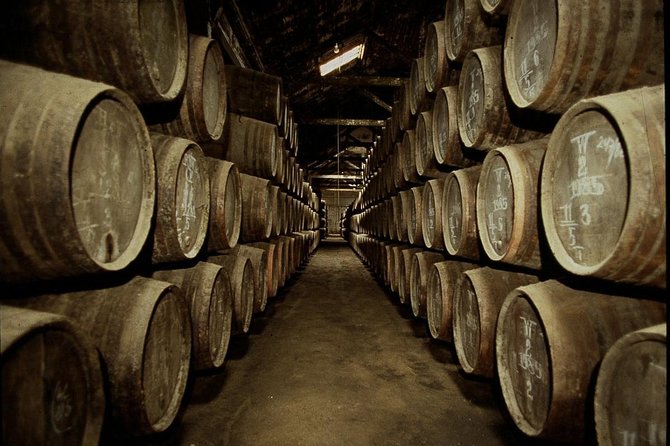
The first lodge experience is built like an anchor. You visit a prominent producer in Gaia, then take a guided look through a museum and the cellar. This part is valuable because it turns Port from a label into a process you can picture. You learn how the aging and storage side supports the style in the glass.
Then comes a guided tasting of Reserve White and Reserve Tawny. This is one of the smartest choices in the lineup because Reserve styles are not just “another pour.” You get a chance to compare how Port behaves when it is treated differently through aging and presentation.
A theme you will hear throughout is Port’s “families” concept. The guide helps you understand what makes Port distinct from other wines and how the categories relate to what you taste. Guides like Alex, Kevin, Cyril, and Lara show up repeatedly in feedback, and their common thread is how they turn the explanation into stories you remember instead of a list you forget.
If you only try one tasting category when you travel, that is risky. Here, you get structure. White and Tawny give you a way to start building a personal Port map right away.
Learning the Ruby style in an old cellar turned visitor center
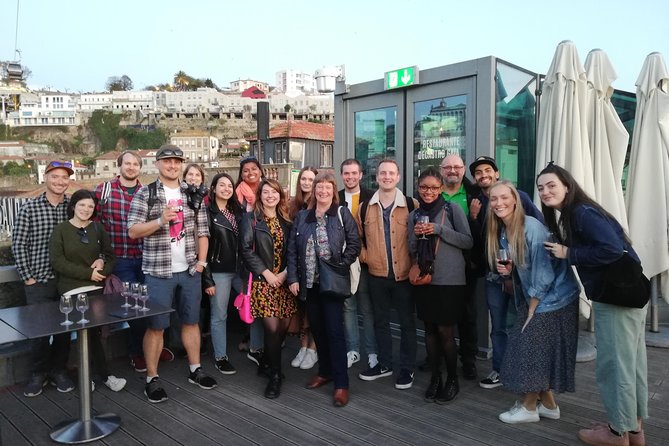
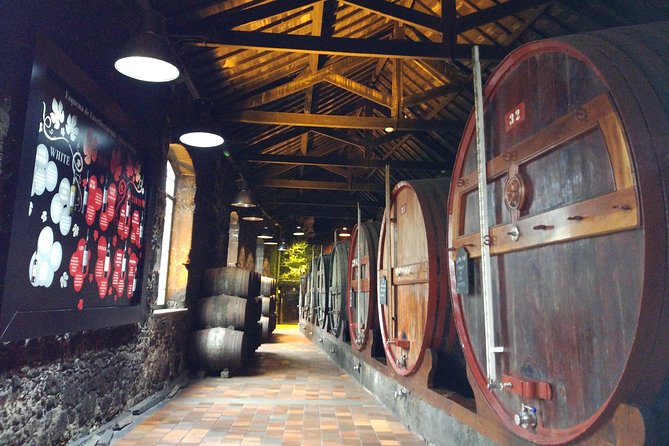
After the first taste-and-history stop, the tour takes you to a different kind of space: an old cellar transformed into an interactive visiting center. This is where the tour shifts from “what happened” to “how it works.”
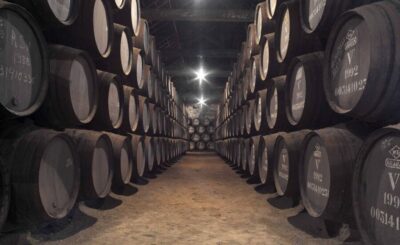
You learn about the barrels where Port wine is stored, and you also hear about how the cork is produced. Those details may sound small, but they connect the production chain to what you experience as a drink. With Port, a lot of the differences between styles show up because of handling and aging, so learning the storage piece helps your tasting make more sense.
Then you taste young Ruby Port. Ruby is often the entry point for first-time Port drinkers because it tends to feel fruit-forward. The best part of doing Ruby after Tawny and White is that you can notice contrast in texture and impression, not just “sweetness level.” The guide also helps you keep track of what each family is aiming for, so you are not guessing.
This stop is also where you may start feeling the “workshop energy” build. You are learning, tasting, comparing, and moving toward the Douro Valley interpretation center next.
The Douro Valley interpretation center and the food-pairing workshop
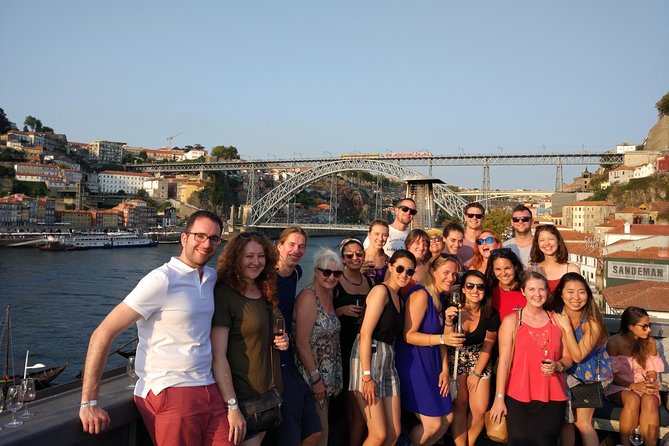
The tour finishes its learning arc at an interactive Port wine interpretation center focused on the Douro Valley. This matters because the Douro Valley is the origin story behind Port. Even if you already know that in theory, having it explained in an interactive setting tends to make it stick.
Then you get an exclusive wine tasting workshop. The format here is practical: you taste different wines and also get taught how to pair Port with food. That is a big deal if you plan to buy a bottle afterward. Port shopping can get chaotic fast. Pairing guidance gives you a framework for choosing a style you will actually serve and enjoy back home.
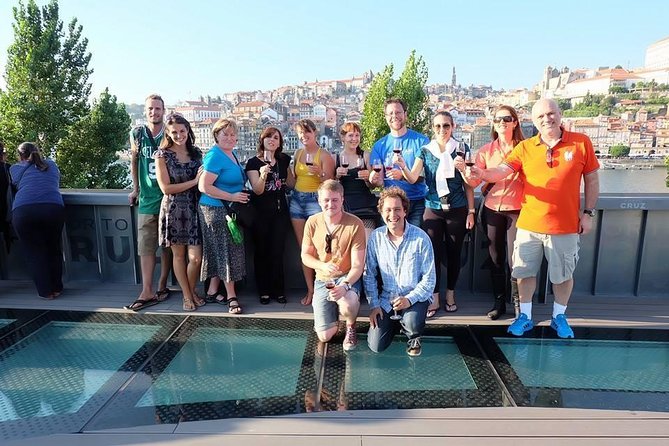
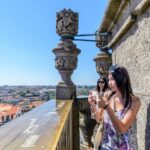
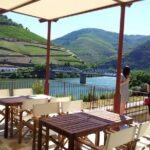
Finally, the tour ends with scenic views over Porto from the center’s terrace. That last piece is not just nice scenery. It makes the whole afternoon feel like a complete loop: city orientation, cellar learning, tasting workshop, and then a view that puts everything in context.


The 7 tastings: how you can use them to order better
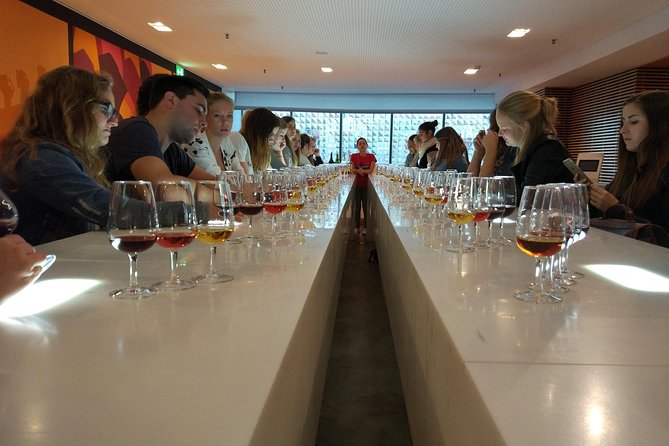
Seven tastings in 3.5 hours is a lot, so the real skill is comparison. The tour does not just pour and move on. It guides you toward understanding how Port families differ and why the bottles you see in shops exist.
Here is the useful way to think about your tasting lineup based on what you are given:
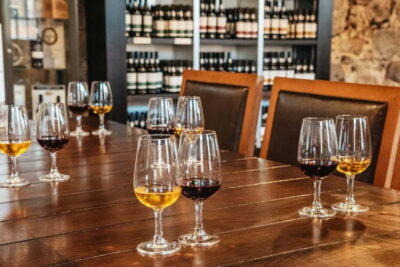
- Reserve White: a category that helps you notice Port that does not read like the “classic dark syrupy pour” stereotype.
- Reserve Tawny: another category designed for comparison, with a different aging identity than Ruby.
- Young Ruby Port: your taste check for contrast, especially after the Reserve styles.
Across the stops, you also learn the production story. You hear about cellars, barrel storage, and cork production. That turns your tasting notes into something you can use later when you try to remember what you liked.
And since the tour includes an interpretation center and a pairing workshop, you are not stuck with “sweetness equals good.” You learn how Port works with food, which is usually the missing link for people who like Port but never serve it confidently.
Price and value: $62.88 buys structure, access, and 7 chances
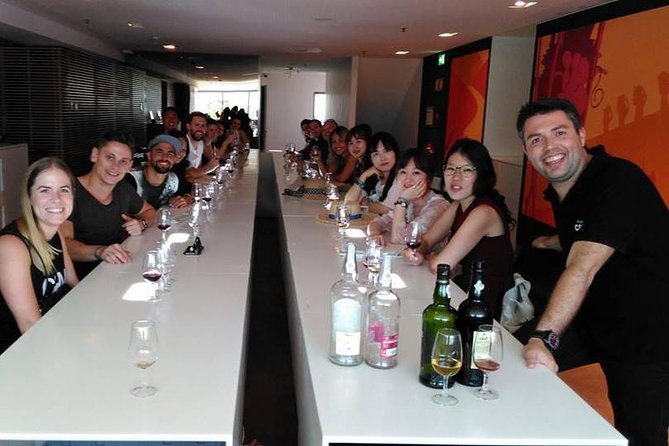
Let’s do the math in spirit, not just numbers. For $62.88, you get:
- 7 Port tastings
- guided visits to 3 port houses
- entry tickets and all fees included
- an English-speaking local guide
- a half-day, all-walking route designed to keep you moving and learning
What you are really paying for is structure and time. If you try to DIY this, you run into a common problem in Gaia: too many choices, limited tasting access at the exact times you want, and the effort of figuring out which lodge offers what. This tour compresses that decision-making into one guided experience.
You also get a group cap of 18 travelers, which helps the guide keep the pace and still handle questions. In the feedback, people repeatedly mention that guides like Alex and Kevin made the tour feel fun and welcoming, with history and production explained in a way that stayed memorable. That vibe is part of the value, because tastings without context can feel like random sips.
Who this tour is best for (and who should think twice)
This is a strong match if:
- you want to learn about Port in a short time
- you like comparisons between wine types more than one big tasting
- you want a guided walking route with entry into lodge spaces
- you enjoy history and production details without turning it into a lecture
It might be less ideal if:
- you dislike walking and standing for an extended block
- you expect a full meal during the tour
- you want lots of free time inside each lodge to wander and slow down
The tour does not include lunch, food, or snacks. That means you should plan snacks before or after. One more practical note: minimum drinking age is 18, so it is not a youth activity.
Practical tips so the afternoon feels easy
A few things will make your experience smoother.
First, wear shoes with grip. The route is “only” a few hundred meters at the farthest, but you still spend a long time on foot, and Gaia cellars and lodge entrances can mean changes in surface and slope.
Second, bring a little patience for tasting pacing. With 7 tastings, the guide has to keep the group moving. The experience is designed for learning in motion, not sitting still for long question sessions.
Third, plan for hunger. Since food and snacks are not included, you do not want to arrive empty. Even a light snack before the 3:00 pm start can change how much you enjoy later stops.
Finally, pay attention to the meeting point. It is by the pillars of the old Pênsil bridge, lower level by D. Luis Bridge, Porto side, with a red jacket. If you show up a bit early, you avoid the one thing that always kills tour energy, stress.
Should you book Porto Walkers for the Port wine lodges tour?
If you want a high-value, half-day Port education that ends with terrace views, I think this is a book-worthy choice. The big reasons are the combination of multiple lodge visits, 7 tastings, and the way you learn Port by family, not by guesswork. It is especially good for first-timers who want to leave able to describe what they like and why.
I would skip it only if you are very snack-sensitive or you cannot handle a walking-and-standing schedule. Also, if your ideal day is lots of free time inside one lodge, you may prefer a slower, single-producer tasting instead.
If you are traveling with Port as a priority, this is one of the cleanest ways to get a full picture of Gaia’s cellar scene in a single afternoon.
FAQ
How long is the Porto Wine Lodges Tour with 7 Port tastings?
The tour is about 3 hours 30 minutes.
Where do I meet the tour, and what time does it start?
You meet at Pilares da Ponte Pênsil near the D. Luis Bridge lower level on the Porto side. The start time is 3:00 pm.
What is included in the tour price?
The tour includes 7 port wine tastings, a local English-speaking guide, entry tickets for wine lodges, and visits to 3 port houses, with all fees and taxes included.
Do I get lunch or snacks during the tour?
No. Lunch, food, and snacks are not included.
How much walking is involved?
It is a walking tour and the farthest walk is listed as about 800 m. The tour is also described as all walking.
What Port styles do I taste?
You taste Reserve White, Reserve Tawny, and young Ruby Port as part of the guided tastings.
What is the minimum drinking age?
The minimum drinking age is 18 years.
What is the group size limit?
This tour has a maximum of 18 travelers.
More Wine Tours in Porto
More Tours in Porto
More Tour Reviews in Porto
Keep comparing: recently reviewed experiences around Porto







Port Wine Cellars & Tastings, compared.
 ★ 4.5Cálem Cellar Tour, Interactive Museum & Wine TastingFrom $234,113 reviews
 ★ 4.4Cálem Cellar Tour, Fado Show & Wine TastingFrom $333,530 reviews
 ★ 4.6Taylor’s Port Cellars & TastingFrom $293,374 reviews
 ★ 4.8Cockburn’s Port Lodge Tour and TastingFrom $353,360 reviews
 ★ 4.1Bridges Cruise with Wine Cellar Tour or Sunset OptionFrom $202,758 reviews
 ★ 3.9City Train Tour, River Cruise & Wine CellarFrom $432,601 reviews
 ★ 4.8Douro River Boat Cruise with Port Wine TastingFrom $471,627 reviews
 ★ 4.8Graham’s Port Lodge Tour with Premium Wine TastingsFrom $471,547 reviews
Browse the lists this tour appears in