Reviewed · PORTO
Museu das Marionetas do Porto
Puppets, lights, and even sound control await. Museu das Marionetas do Porto is an author museum in Porto that keeps the legacy of João Paulo Seara Cardoso moving forward, using exhibits tied to real stage work, plus interactive moments.
I love the hands-on experimentation room, where you can manipulate puppets and even operate lights and sound. I also love the museum’s accessibility features, including tactile puppets, podotactile flooring, and audio description in Portuguese, with video guides that go beyond the usual language options.
One possible drawback: this is a focused, creator-centered museum, so it may feel shorter than a huge, all-day gallery complex if you’re expecting hours of broad, sweeping collections.
Key Things You’ll Remember
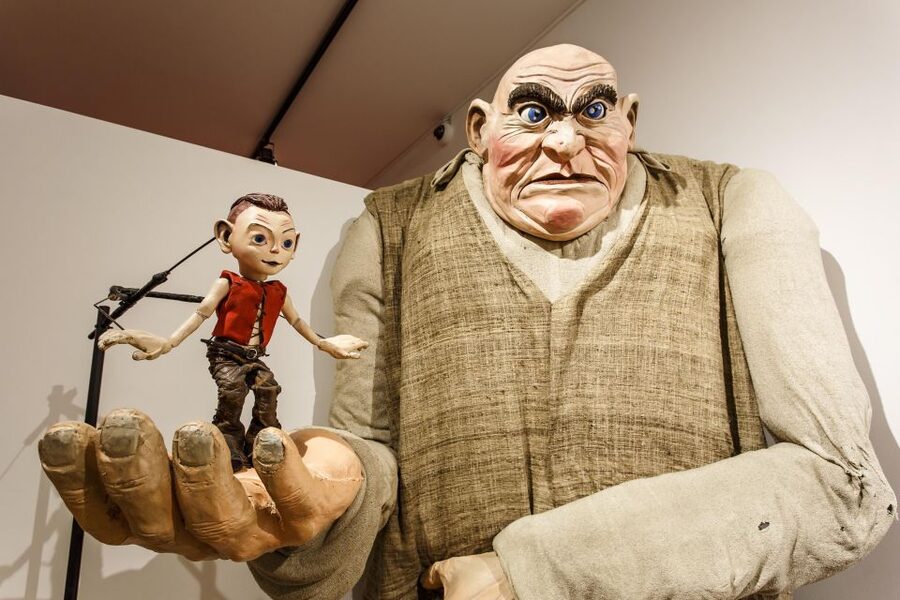
- Interactive stage-tech play lets you touch puppets and try controlling lights and sound in a dedicated space.
- Performance excerpts and objects tie the displays directly to the Teatro de Marionetas do Porto’s creative work.
- Multilingual video guides are available in Portuguese, English, French, and Spanish.
- Portuguese Sign Language support includes a video guide in Portuguese Sign Language.
- Accessibility built into the visit with tactile puppets, podotactile flooring, and audio description in Portuguese.
- A children’s area makes it easier for younger visitors to stay engaged.
Museu das Marionetas do Porto, an Author Museum With a Working Brain
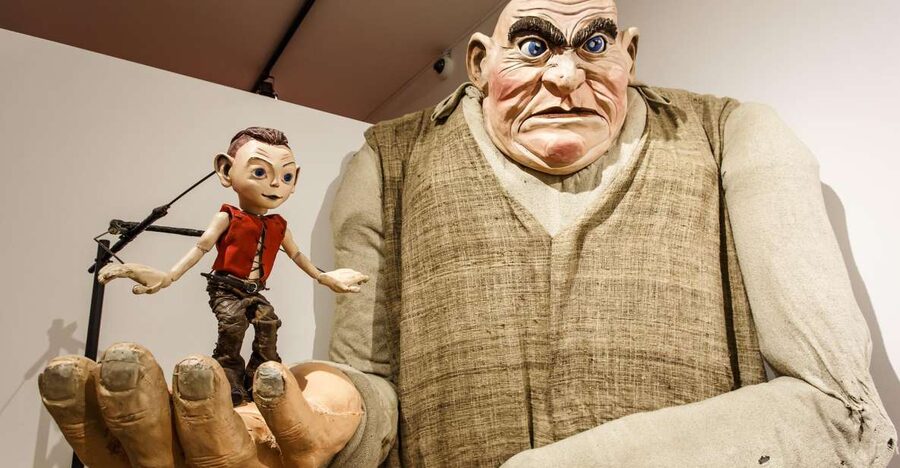
Museu das Marionetas do Porto is not a generic “look but don’t touch” museum. It’s designed around one creator, João Paulo Seara Cardoso (1956 to 2010), who directed and shaped the artistic direction of Teatro de Marionetas do Porto. That author focus is the secret sauce: you’re not just learning about puppetry in general, you’re seeing how one person’s vision became a whole creative world.
Even the museum’s physical story supports the idea of a living place. It officially opened in 2013 to mark the company’s 25th anniversary. For its first years, it operated at Rua das Flores no. 22, then moved on September 29, 2016 to the building next to the company’s headquarters, in Rua de Belomonte. Architect José Gigante is responsible for the architecture project, and the layout is clearly meant to connect you with the theater experience, not keep it behind glass.
If you like museums that treat people as active participants, this one is built for you. It aligns with the idea of New Museology, with a mission that includes caring for and preserving material evidence of performances, but also communicating it clearly and involving visitors. In plain terms, they’re not just saving objects. They’re building understanding and access.
Compare more reviewed experiences around Porto before fixing the rest of your day.



The Main Exhibit Flow: How the Museum Visit Feels
Since this is a museum visit included in a one-day ticket, you can plan it as a smooth indoor circuit rather than a timed tour sprint. Most people end up doing it in a single block, moving from background and context into the more interactive sections.
Here’s the practical rhythm you can expect.
1) Start with the creator and the theater world
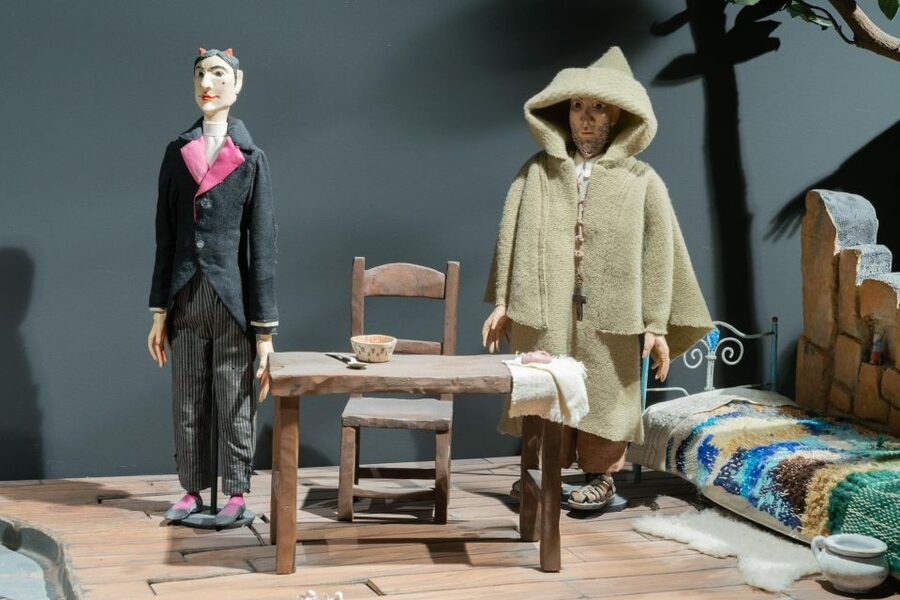
You’ll begin with the museum’s framing of João Paulo Seara Cardoso’s work and the company behind it. The museum is built to act as memory and a future-looking space, which means you should see both “where this came from” and “how it keeps evolving.” The exhibitions include puppets, stage props, and other symbolic objects used in the performances, plus stories connected to that creative process.
What I like about this kind of setup is that it prevents the museum from feeling like a pile of artifacts. You’re given context so the objects make sense. The drawback is also obvious: if you’re only interested in puppetry as a broad craft, you might wish for more variety of styles and time periods beyond this author’s footprint.
2) Then connect objects to actual performance moments
The museum includes excerpts from performances of the company. This matters because puppet theater is an art of action, timing, voice, and stage design. If you only see puppets as sculptures, you miss the point. Linking the displays to performance moments helps you understand why particular designs or props mattered in the shows.
If you’re going with kids, this section can be the most “wait, I get it now” part of the visit. Puppets become characters, not just figures.
3) Add the experimentation room, where the museum becomes playful
The highlight many people come for is the special room where you can manipulate puppets or operate lights and sound. This is the museum’s best “learning by doing” feature, because controlling sound and light is basically theater grammar. Even if you don’t do it for long, you start noticing cause and effect, how stage tech shapes mood, and how puppet movement reads differently when the lighting changes.
This is also where you can get the most out of the museum’s accessibility philosophy. The experience is designed so it’s not only visual.
Small consideration: interactive rooms can mean some sections feel busy if many visitors are present at once. The good news is that the museum’s focus on self-guided video guidance helps you keep pace without waiting for a full group.





4) Use the video guides to connect everything at your speed
Video guides are included with the ticket, and you can choose Portuguese, English, French, or Spanish. There’s also a video guide in Portuguese Sign Language. That’s a big deal, because it means you can access interpretation without relying on someone else’s pace.
Audio description in Portuguese is also available, along with tactile puppets and podotactile flooring. In practice, this gives you options for how you want to take in information. You can read the exhibit, use the video guide, or lean into tactile and audio description, depending on what works best for you.
5) Finish with the children’s area
There is a children’s area included in the ticket. It’s not just a corner with coloring sheets. Given the rest of the museum’s hands-on approach, the kids area fits the same theme: help young visitors turn curiosity into imagination without forcing them to sit through long explanations.
If you’re traveling with kids, this can be the difference between a calm cultural visit and a stressful one. When younger visitors get a place to engage, the whole museum feels easier.
Why the Accessibility Features Matter (Not Just as Checkboxes)
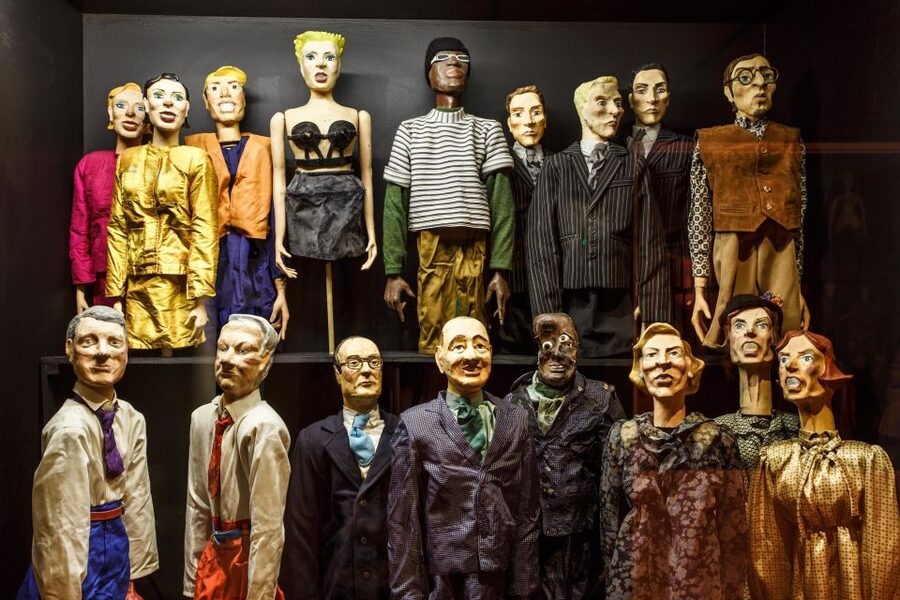
Museu das Marionetas do Porto has been inclusive since 2017, and the accessibility elements are integrated into the experience, not tacked on. You can see this in the specific tools they provide:
- Tactile puppets so you can explore texture and form with your hands.
- Podotactile flooring to support wayfinding for visitors who benefit from tactile cues.
- Audio description in Portuguese for added detail beyond standard exhibit text.
- Video-guide in Portuguese Sign Language for interpretation that doesn’t depend on reading.
And yes, the museum is wheelchair accessible.
Why this is valuable: puppet theater is an art of sensory storytelling. If you remove tactile and audio support, you cut off part of the language. With these features, the museum becomes more fair to how humans actually perceive things. You’re not relegated to “access as an afterthought.” You get real participation.
A practical note: if you rely on audio description or tactile exploration, allow extra time. You’ll likely want to slow down and repeat moments, especially around interactive spaces.
Video Guides in Multiple Languages, Plus Sign Language
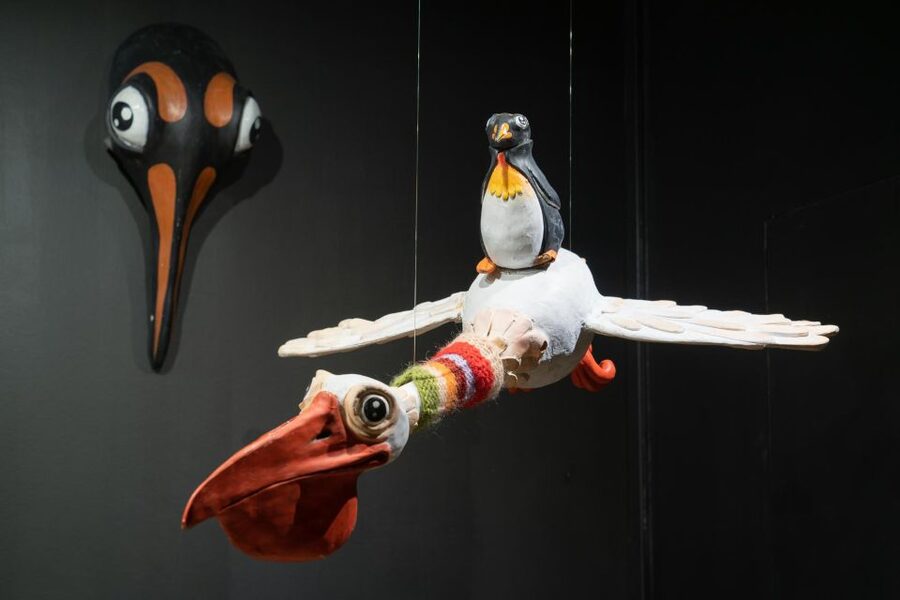
If you’re the kind of traveler who likes to know what you’re looking at, you’ll appreciate the video guides included in the ticket. The museum offers multiple languages: Portuguese, English, French, and Spanish. There’s also a Portuguese Sign Language video guide.
That means you can pick a narration language that fits your comfort level. It also reduces the need to hover around staff or struggle through unclear signage. You can simply move through the museum in a way that matches your attention span.
One drawback to consider: video guidance can work best if you can comfortably watch in the spaces provided. If a room is crowded or lighting is harsh, some people may find it less relaxing. Still, having multiple language options is the kind of detail that pays off.
The Museum’s Architecture and Layout: Designed for Connection
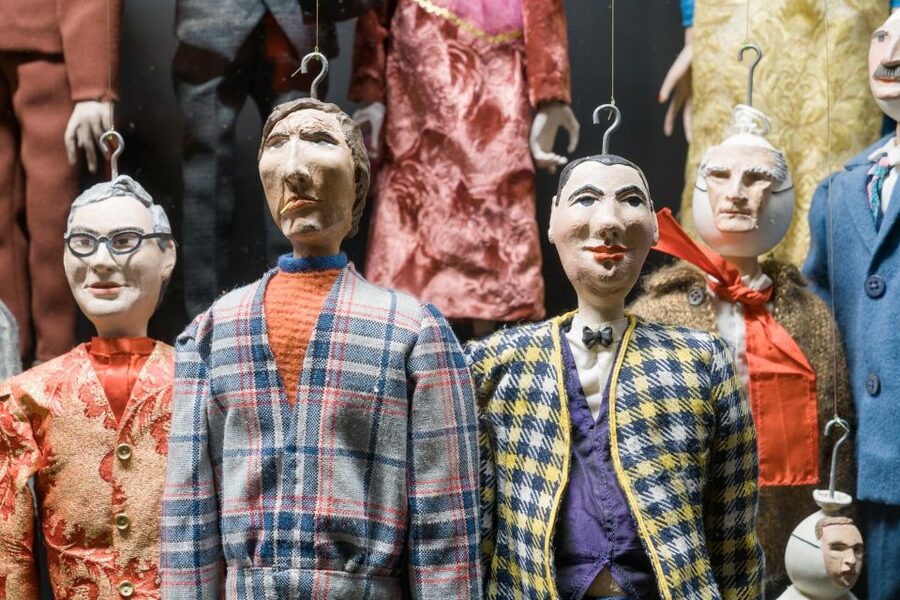
The museum’s architecture is credited to José Gigante, and the whole project is meant to create a special museum space through exhibition design and close relationship with the public. In other words, the building is trying to behave like a theater companion, not like a storage facility.
You’ll likely notice that the museum’s concept pushes you into a “flow” between context and participation. Even the fact that the museum moved next to the company’s headquarters suggests an intentional tie between the shows and the museum experience.
Here’s what that means for you: when the museum keeps the theater close, it can display props and objects with more meaning. You’re not looking at puppets that have no context. You’re seeing theater tools connected to the creative process.
Price and Value: What You Get for About $4
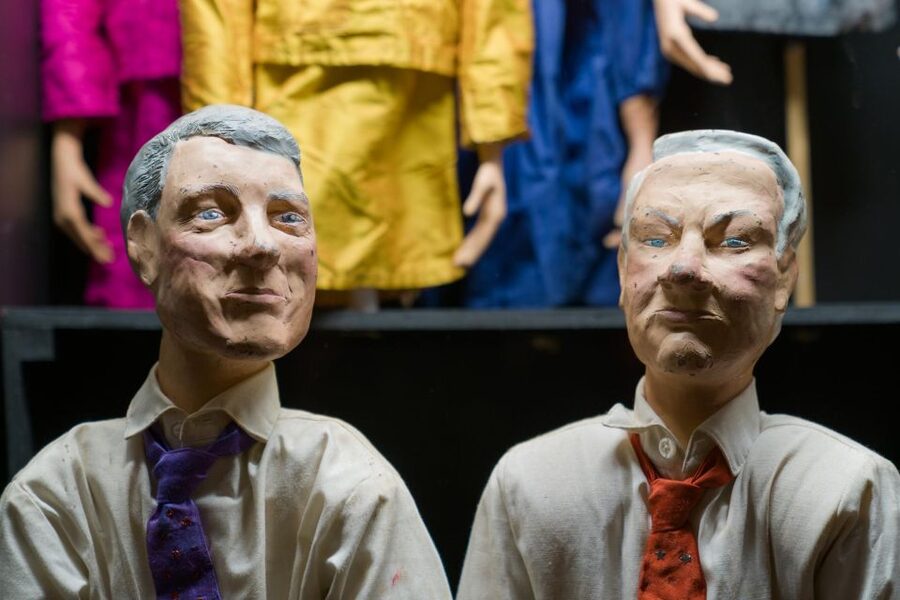
The ticket price listed is $4.13 per person. For that amount, you’re getting a lot more than “a quick look.”
You also get:
- access to the museum visit,
- video guides in multiple languages,
- the experimentation room with puppet and stage-tech interaction,
- and a children’s area (included).
Value is not just the low price. It’s the mix of education plus participation, plus accessibility support. Many low-cost museum tickets still leave you with passive viewing. Here, you get a chance to touch the concept of theater.
If you’re planning a Porto day and want a stop that feels culturally specific without being expensive, this one fits well. It’s also a good “in-between” activity when you want something indoor that doesn’t require a huge time commitment.
Who This Puppet Museum Is Best For
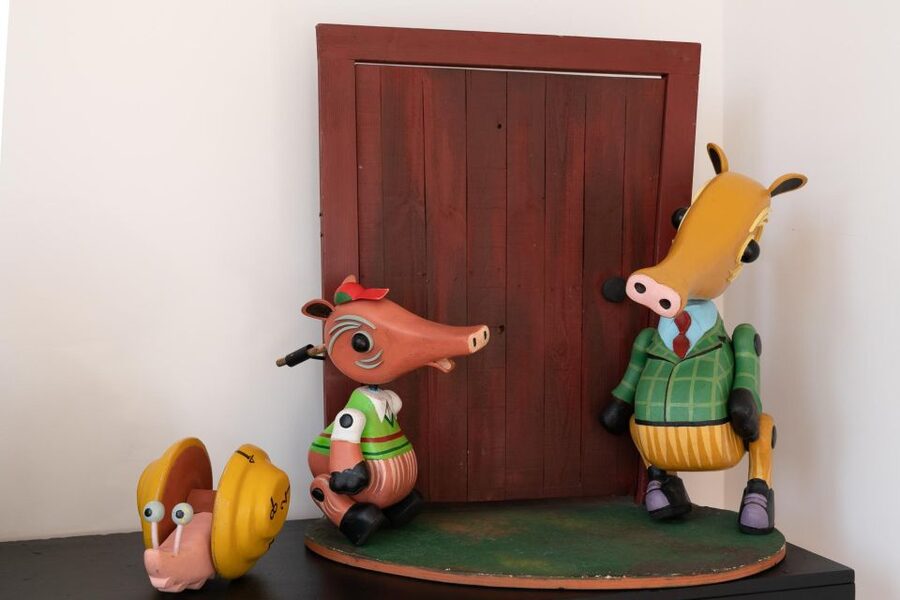
This museum is a strong match if you like theater, hands-on learning, or museums that think about accessibility seriously.
You’ll likely enjoy it if:
- you travel with kids and want them to have an active role,
- you care about inclusive design and sensory access,
- you like art that has a clear author behind it, rather than a general overview,
- you want a break from purely visual sightseeing.
You might be less happy if:
- you prefer big, wide-ranging art history coverage,
- you need long guided explanations in a traditional lecture format,
- you’re looking for an all-day attraction rather than a focused cultural stop.
Should You Book Museu das Marionetas do Porto?
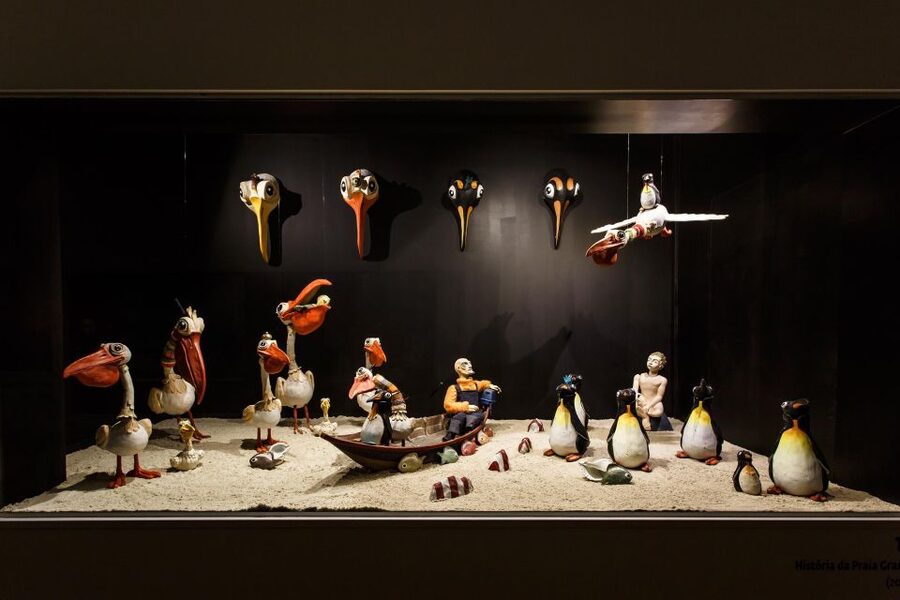
Yes, you should book if you want a Porto museum with real participation, strong accessibility features, and a clear creative focus. The combination of multilingual video guidance, Portuguese Sign Language support, tactile elements, and the chance to interact with puppets and stage-tech makes it feel like a thoughtful experience, not a basic entry-level visit.
If you’re deciding last minute, use this simple check: if you’d enjoy a calm, indoor activity where you can switch between watching, reading, and hands-on play, this is a smart use of your day. If you only want large collections or purely passive museum time, you may want to choose something broader instead.
FAQ
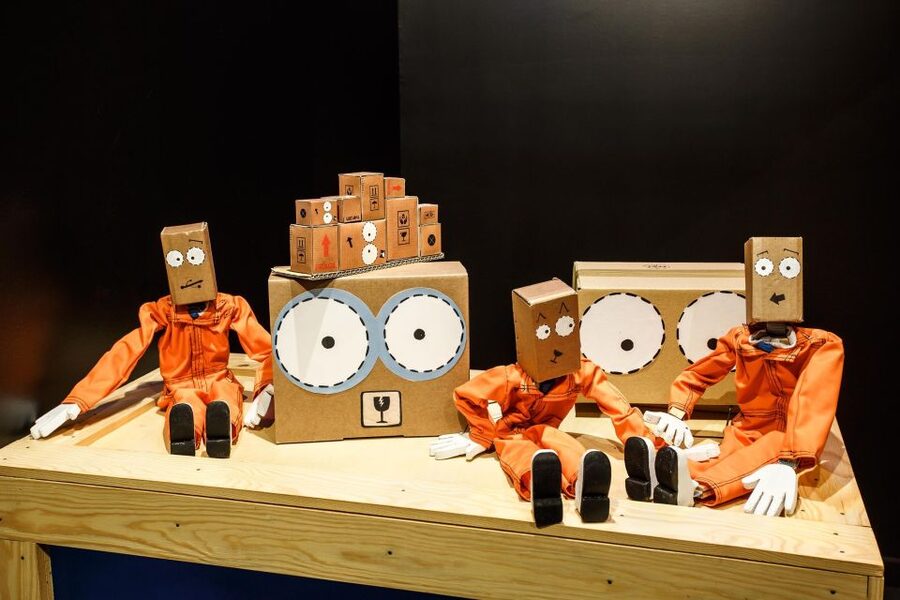
How much does the Museu das Marionetas do Porto cost?
The price is $4.13 per person.
How long is the visit?
The experience is listed as valid for 1 day.
What languages are available for the video guides?
Video guides are available in Portuguese, English, French, and Spanish.
Is there a Portuguese Sign Language option?
Yes, there is a video guide in Portuguese Sign Language.
What accessibility features are available?
The museum is wheelchair accessible, and it also offers tactile puppets, podotactile flooring, and audio description in Portuguese.
Is there anything included for children?
Yes, the ticket includes access to an experimentation space and a children’s area.