
Reviewed · HISTORICAL TOURS
Monumental and historical Oporto with the Stock Exchange Palace
Porto makes sense on foot. In just 4 hours, this guided walk ties together the medieval lanes of UNESCO-listed Old Town with the interior of Palacio da Bolsa. I like that the guide keeps the story grounded in what you actually see, and I like that you get a certified French-speaking guide who helps you read the city fast. One consideration: the Palacio da Bolsa entrance fee is not included, and the tour is not set up for wheelchair users.
You’ll start around São Bento Station and move through Porto’s historic core, including Sé and its Cathedral. After the riverfront and bridges, you continue into Vila Nova de Gaia, where you get views toward the wine area and the classic rabelos boats in the harbor zone. Comfortable shoes matter here, because this is a walking tour built for sightseeing, not slow pacing.
Meeting the guide is easy, too. You meet at Pier 1, the guide presents a Portuguese flag, and you finish back at the meeting point.
Key highlights you’ll feel right away
- No-stress Palacio da Bolsa access, with a guided visit and skip-the-ticket-line setup
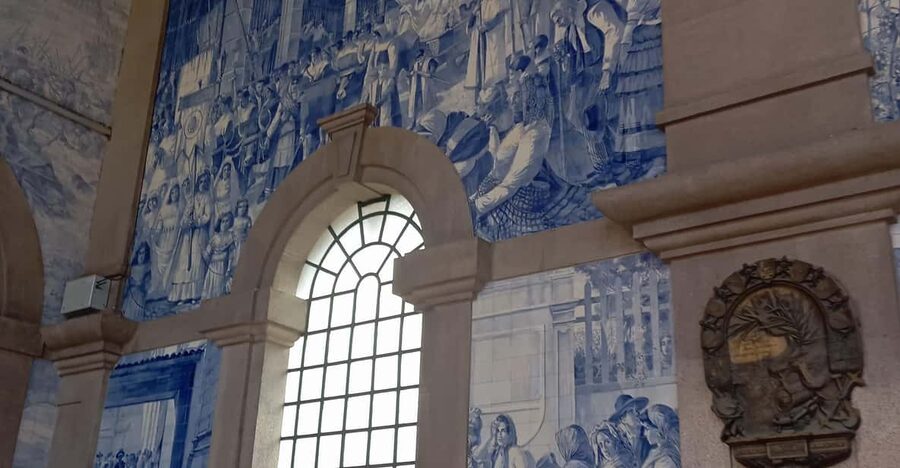
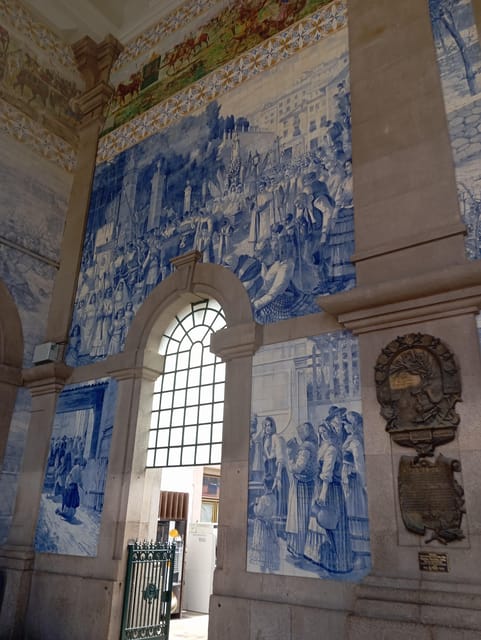
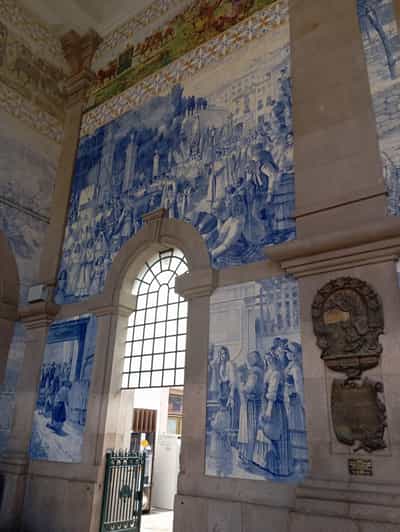
- São Bento Station tiles, a fast introduction to Porto’s visual culture
- Sé district with real street texture, not just monuments in isolation
- River views and bridge landmarks, including Luis I Bridge and Maria Pia Bridge
- Gaia dock area moments, with context about the wine trade and rabelos boats
Meet your guide at Pier 1, then get oriented fast
This tour is designed to help you understand Porto and Gaia as a connected city, not two random stops on a map. You meet at Pier 1, and the guide shows a Portuguese flag so you can spot the group quickly. It’s a smart touch, especially in a working harbor area where signage can feel spread out.
From there, you’ll shift into walking mode. You’re not just ticking off landmarks. The guide explains what you’re seeing as you move, which makes the medieval layout and later riverfront growth click into place.
Also, know the language upfront. The tour runs in French, and the official guide is part of why the visit feels smooth. If you speak basic French, you’ll follow even more easily. If not, you can still enjoy the sights, but you’ll miss some of the spoken context.
You can also read our reviews of more historical tours in Porto



São Bento Station tiles: the quickest Porto intro
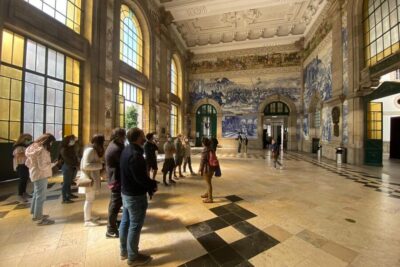
Starting with São Bento Station is a smart move. Those famous azulejo panels give you Porto’s mood in a single glance: history, identity, and everyday life all painted into one place. Even if you’ve seen photos before, seeing the tiles in person changes the scale. They feel more like a visual soundtrack than decoration.
You’ll spend about 15 minutes here, with a guided visit and walking time on the surrounding streets. This short stop works well because it doesn’t drag. Instead, it gives you a visual reference point before you move into the older city fabric.
Practical tip: wear shoes you trust. Station floors and the nearby streets can be slick, and the tour keeps you moving.
Sé district and the Cathedral: medieval streets with living character
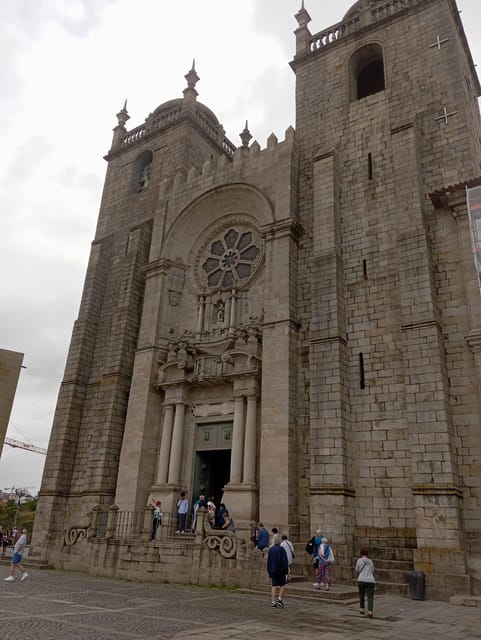
Next comes Sé, Porto’s historic heart. Expect a guided walk that includes the Cathedral area and the surrounding inhabited streets. This is one of my favorite parts of any old-town itinerary because it shows how history sits next to real daily life.
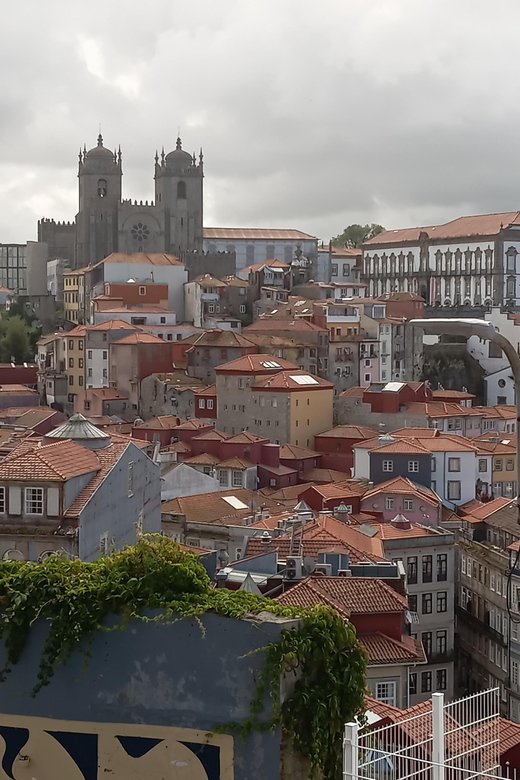
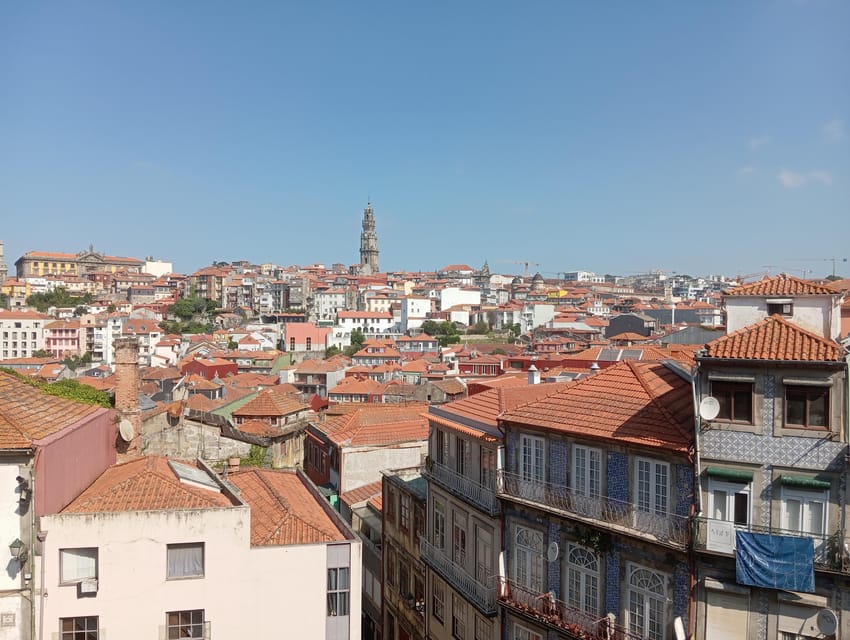
The guide also adds viewpoint moments on the way, including panoramic views connected to the classified area. You’ll also get a perspective toward the Clérigos Tower. That tower is a useful landmark for orientation because it gives you a visual point of reference as Porto rises and the streets bend.
One thing I appreciate here is the balance. You’re not only looking at big monuments. You’re also walking through streets that feel used. That’s where the old city becomes understandable.
What could slow you down here?
Sé-area sidewalks are uneven in places and streets can be tight. If you get uncomfortable on uneven ground, go slow and keep an eye on your footing. Also, this part is walk-heavy, so bring comfortable shoes even if the rest of your day is light.
Moving into Gaia: river views and a different city rhythm
After Porto’s old core, you shift across toward Vila Nova de Gaia. The tour includes about a short guided segment there, roughly 15 minutes, before the highlight building visit.
Gaia’s tone is different. You’re near the river and the working side of the wine world, so the setting feels practical and close to the water. The tour continues to show you the area around the docks of Vila Nova de Gaia, where the relationship between city life and the river trade becomes easier to understand.
This is also where you’ll connect the dots between what Porto built upward and what Gaia maintained at the river level.





Ribeira plus Luis I Bridge: classic views, real context
Ribeira is on the route for a reason. It’s the Porto riverside that instantly gives you the city’s postcard look, but it also helps you understand why the bridges matter. Expect to see the riverfront zone and take in the views as you move.
Luis I Bridge is one of those landmarks you think you know from pictures. In person, it has a physical presence. You feel the scale, and you get a better sense of how the crossing shaped movement between Porto and Gaia.
The tour keeps the flow, so you’re not just standing in one spot. You’ll transition to other river perspectives as the route continues.
Quick reality check
Photo stops are great here, but don’t expect a slow pace. The tour is built around a 4-hour window, so you’ll get viewpoints without long waits.
Maria Pia Bridge and the city wall: why this stretch mattered
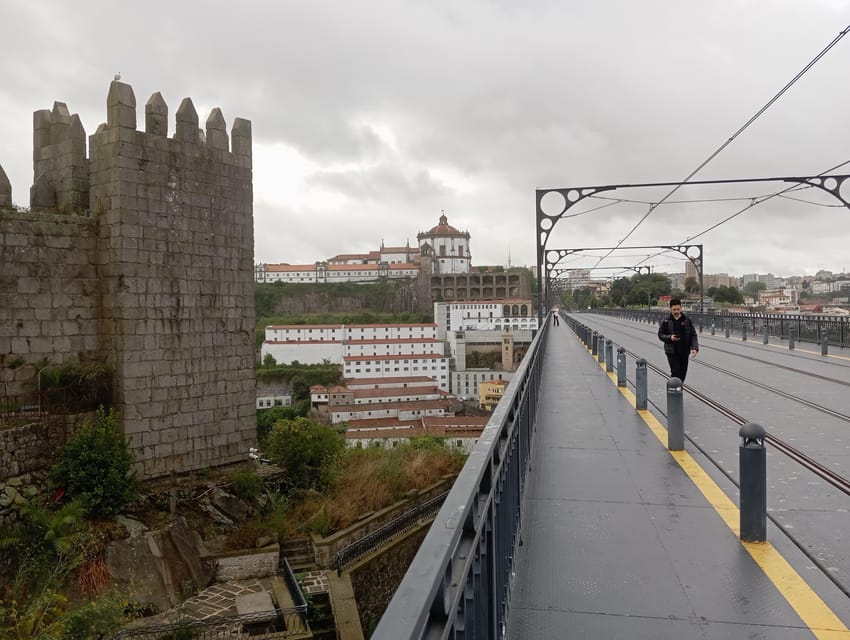
The route also includes Maria Pia Bridge. If Luis I Bridge gives you the famous silhouette, Maria Pia Bridge adds another layer by showing how Porto’s bridge engineering grew over time.
The city wall shows up in the mix, too. That section helps you understand how the older boundaries shaped movement and defense, and why the historic core looks the way it does. When you see the wall line in the context of bridges and river access, you start to see Porto as a city that kept adapting to the same geographic fact: the river.
This portion is especially good for travelers who enjoy visual cause-and-effect. You can look at a view and guess why that exact corridor existed.
The Wine area in Gaia: docks, cellars, and rabelos boats
You’ll get time connected to the wine cellars area and you’ll see rabelos boats in the harbor zone context. The tour doesn’t turn into a long wine program, but it gives you the setting. That matters, because Porto and Gaia wine culture makes more sense when you stand where the trade happens.
I like that the guide ties this to what you’re actually seeing: water access, dock life, and how the riverfront supports the wine story. You’re getting a practical geographic education, not just a generic wine pitch.
If you’re the type who likes to learn first and taste later, this works well. You’ll know what to look for when you decide what to do next in the wine cellars.
Palacio da Bolsa: a guided visit with skip-the-line convenience
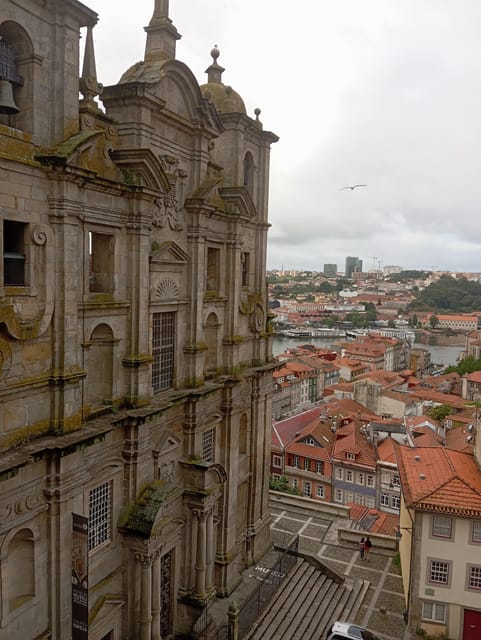
Now for the big interior payoff: Palacio da Bolsa, the Stock Exchange Palace. This is the main reason many people book the tour, and it’s easy to see why. A palace visit feels different when it’s guided and time-managed.
You’ll get a guided visit of about 30 minutes. The big practical win is that you get a skip-the-ticket-line setup, so you’re not spending your limited sightseeing time stuck waiting. That’s especially valuable in peak travel periods.
About the entrance fee
The palace ticket is not included in the base price, so you should plan on an extra cost of about +10€. Even with that add-on, I think it’s good value because you’re getting both the guided explanation and the time saved from line-ups.
What makes it worth it, beyond the building
A guided palace visit works when someone helps you read the details. In this tour, the official French-speaking guide gives context while you’re inside, so you’re not wandering through rooms like a lost tourist with a camera.
If you only have a short time in Porto, this is an efficient way to add a high-impact landmark without turning the day into chaos.
Price and value for a 4-hour Porto and Gaia loop
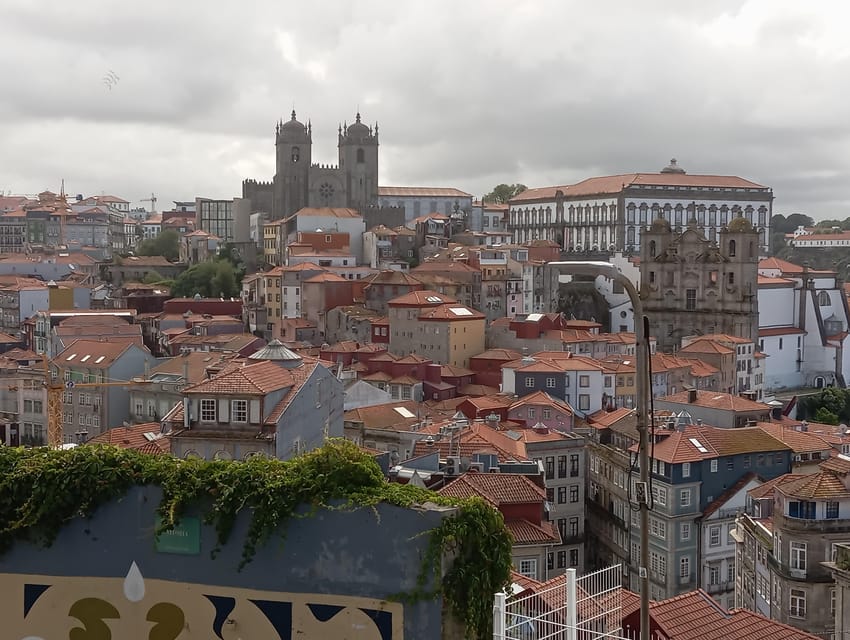
The listed price is about $45 per person, and the tour includes a certified French-speaking guide for a walking route that covers major Porto and Gaia highlights. Add the Palacio da Bolsa entrance fee of about +10€, and you’re paying for two things at once: guided city context and guided access to a top interior.
To judge value, look at what you avoid:
- You avoid wasting time trying to figure out how the old streets connect.
- You avoid lining up for the Stock Exchange Palace under the same guided timing.
- You get a structured route that includes São Bento, Sé Cathedral area, Ribeira, Luis I Bridge, Maria Pia Bridge, Gaia dock context, and wine zone sights.
If you try to assemble this alone, you’ll spend time routing and you’ll likely lose the advantage of an organized visit to the palace. For a 4-hour window, the structure feels fair.
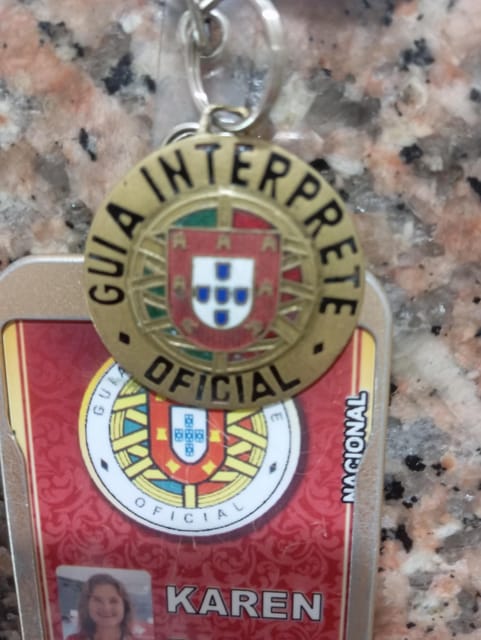
Also, the reviews-style vibe you’ll likely appreciate here is simple: Karen, the official guide mentioned with the tour provider, is described as fantastic and friendly. That kind of guide matters because it turns a checklist into a walk you actually remember.
Who should book this tour
I think this tour is best for you if:
- You want a focused 4-hour Porto and Gaia experience with a guided storyline
- You care about seeing UNESCO old-town streets, not just standing near monuments
- You want the Palacio da Bolsa visit without line stress
- You enjoy walking routes with photo viewpoints built in
It might not fit you if:
- You need wheelchair accessibility, since it’s listed as not suitable for wheelchair users
- You dislike walking and prefer slow, transport-heavy tours
- You don’t speak French, since the guide operates in French
The decision: should you book it?
Yes, I’d book it if you want an efficient, high-meaning route that mixes Porto’s old-town street feel with one major indoor highlight at the Stock Exchange Palace. The skip-the-line advantage and the guided structure are the big wins, especially when your time in Porto is limited.
If you do book, do two things to get the most out of it: wear comfortable shoes (not just good-looking ones), and budget the Palacio entrance fee up front so you don’t have to make a last-minute decision inside.
If you want a single organized way to connect Old Town Porto to the wine-and-river side of Gaia, this tour is a solid choice.
FAQ
How long is the Monumental and historical Oporto tour with the Stock Exchange Palace?
It lasts about 4 hours. Starting times depend on availability.
What language is the tour guide?
The tour is guided in French.
What is the price for the tour?
The price is listed as $45 per person.
Is the Palacio da Bolsa entrance fee included?
No. The palace entrance fee is not included and is listed as +10€.
Does the tour skip the ticket line at Palacio da Bolsa?
Yes. It includes skip-the-ticket-line convenience for the Stock Exchange Palace visit.
Where do I meet the guide?
Meet at Pier 1, where the guide presents a Portuguese flag.
Where does the tour end?
The activity ends back at the meeting point.
What should I bring?
Bring comfortable shoes.
Is this tour suitable for wheelchair users?
No, it is not suitable for wheelchair users.
What is the cancellation policy?
You can cancel up to 24 hours in advance for a full refund.
More Historical Tours in Porto



More Tour Reviews in Porto



Keep comparing: recently reviewed experiences around Porto









Historical Tours, compared.
 ★ 5.0Douro Valley: Historical Sites, Wine Experience, Lunch & CruiseFrom $1075,133 reviews
 ★ 4.7Historic City Center Walking TourFrom $331,172 reviews
 ★ 4.8An Intimate Fado Show in a Historical TavernFrom $211,093 reviews
 ★ 4.8Historical Center Walking TourFrom $41898 reviews
 ★ 4.5Historic Porto by Private Electric Tuk Tuk to Top LandmarksFrom $42735 reviews
 ★ 4.8Private Tour of the Historic City in a Classic Ford TFrom $40716 reviews
 ★ 4.6Douro Valley History & Wine Tour with Cruise & LunchFrom $104433 reviews
 ★ 4.5Porto Guided Tour to the Historical Center on a Tuk TukFrom $42418 reviews
Browse the lists this tour appears in