
Reviewed · PASTRY & COOKING WORKSHOPS
Learn How to Make Pastel de Nata!
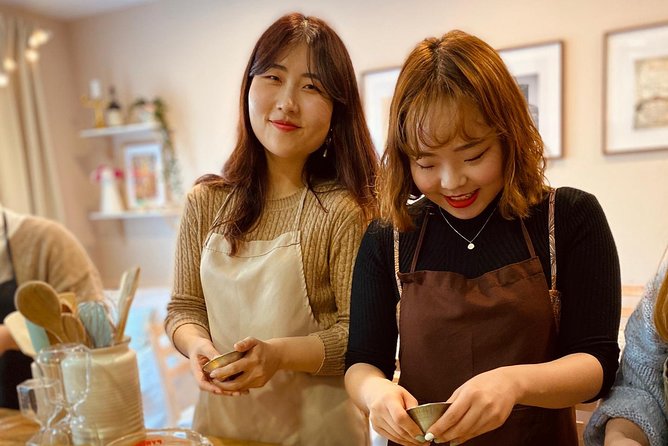
Pastel de nata, made at home. In Porto, this hands-on class is a smart break from sightseeing, because you bake the custard tarts yourself in a city-center studio. I especially liked the small group size for real attention and the chance to do everything from scratch, not just watch. One thing to consider: the instructor may focus on the process first, and you might not get full ingredient quantities right away.
You start with a friendly chat in the light-filled studio, and the lesson is tied to family and Portuguese customs, not just a baking worksheet. I liked how the host (Juliana) builds the story around her grandmother’s recipe and then gives plenty of practical guidance. A potential drawback is that if you come in expecting a printed recipe with measurements immediately, you may feel a little unprepared until you ask.
Key things to know before you bake
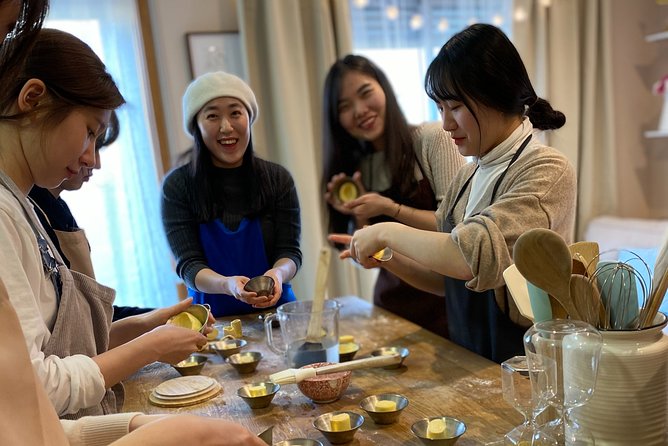
- Small group (max 10): more chances to ask questions while dough and custard are happening
- Hands-on from scratch: you participate in the baking steps, not just assembly-line tasting
- Family-recipe storytelling: Juliana connects the tart to Portuguese traditions she learned at home
- Works for all ages: kids and adults can follow along, with support when skills vary
- You eat what you make: the class ends with a sit-and-feast moment
Porto Cooking Classes and a 9:30 am studio start
This is a short morning experience, about 2 hours, starting at 9:30 am. The meeting point is Rua Dr. Américo Jazelino Dias Costa 104, 4510-643 Fânzeres, Portugal, and the class ends back where you meet.
You do not need to build the day around it either. The format is designed to fit into a tight Porto schedule, since you are in the city center area and the activity is direct: show up, bake, eat, done.
The group is capped at 10 travelers, which is a big deal for a baking class. In a larger group, instructions can turn into a lecture. Here, you can ask what went wrong, what to look for next, and how the custard should behave as it cooks.
You also get a mobile ticket, which is convenient if you are already using your phone for transit and maps. If you plan to travel light, this is a nice touch.
Finally, the studio setup matters. The host says the home studio has lots of natural light and the right setup for messy, fun baking, so you are not crammed into a dark corner with your apron half on.
Compare more reviewed experiences around Porto before fixing the rest of your day.

Meeting Juliana at the city-center home studio
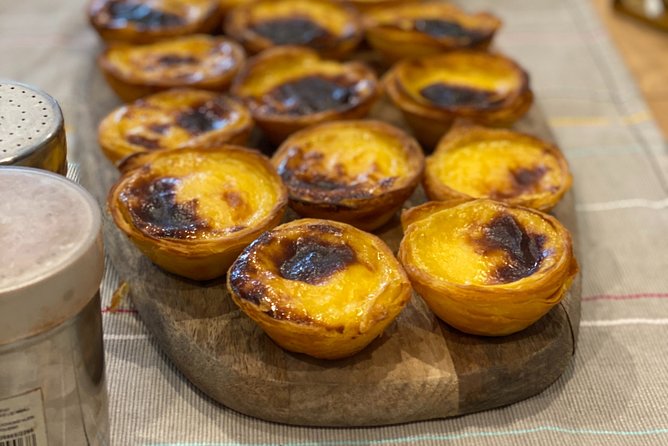
The class begins at Juliana’s home studio, in the Porto city-center area. You meet her there and settle in before you touch anything edible.
This is not a cold, commercial kitchen vibe. It feels personal because Juliana hosts with the mindset that guests are part of the day, not just a scheduled transaction. She also spends time talking about her family, since the recipe she shares comes from her grandmother.
That family angle is more than sentimental storytelling. It gives you context for why certain steps matter and why Portuguese custard tarts are treated like more than a dessert. When someone explains how their recipe traveled through generations, you pay more attention to technique, timing, and details.
Juliana also mentions that the recipe belongs to her grandmothers and they have been making it for years. That tells you the class is built around tradition, not shortcuts.
And since this is a small group, you get a chance to talk back. You can ask about what Porto life is like, what locals eat, and what traditions show up around desserts and celebrations.
If you like travel experiences where the person hosting is part of the value, this is your kind of class. You are not just buying ingredients and going through motions. You are learning from a cook with a story.
Hands-on baking from scratch, with real turn-taking
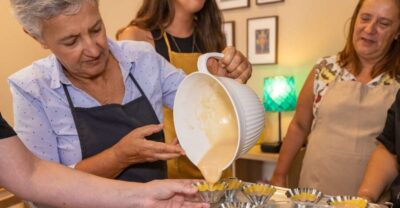
Here is the core promise: it is a hands-on class, meaning you bake from scratch together. You start at the beginning and work through the steps as a group, with Juliana guiding you.
The big practical win is that everyone helps. You take turns, and you do not get stuck on one task while other people do all the interesting parts. That matters if you are traveling with someone who likes to cook, and also if you are a first-timer who gets nervous at the idea of pastry.
The instructor says she will help throughout, and she also makes it clear that you do not need to be an expert baker to succeed. That matches how I think about cooking classes in general: success comes from clear cues and supportive guidance, not raw skill.
One nuance to plan for: the focus may be more on technique than on handing you a full ingredient-and-measurements recipe at the start. In at least one past session, the host chose to delay giving quantities because she wanted participants focused on doing it correctly first. So, if you care about rebuilding the exact recipe later, ask during the class, or at the end, about ingredient amounts and where you can get them.
You should also expect some mess. The studio is set up for messy baking time, and that is honestly the point. If you want a photo-op without fingerprints, this may not be the best match.
Instead, bring a practical attitude: you are there to learn the flow of making custard tart dough and filling, not to produce a perfect pastry on your first attempt. When you leave with warm tarts and at least some confidence, the class has done its job.
Fun facts, Portuguese customs, and what makes it more than dessert
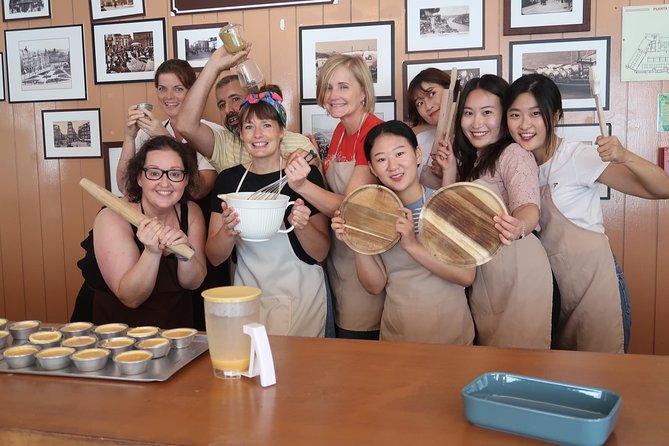
Yes, you are making pastel de nata, but the class also gives you the why. Juliana includes fun facts about custard tarts, plus information about their story and who created them.
The class also connects to Portuguese customs and traditions, which you often do not get in a standard cooking demo. Instead of only explaining how to bake, the instructor places the dessert in a cultural frame.
That approach makes the experience feel more grounded in Porto than a generic cooking activity. It is not just another place you stamp on your itinerary. You come away understanding how this dessert sits in everyday life and how locals talk about it.
This is also a class that supports kids and adults of all ages. If you bring children, the hands-on rhythm, the small group, and the turn-taking can keep energy up. Adults get something too: you learn technique and you get a sense of tradition, which is often missing in purely modern baking workshops.
Here is what I recommend to get the most out of the customs part: ask questions when they naturally come up. If Juliana mentions a detail about how Portuguese tarts are made or talked about, ask what that means in daily life. You will leave with more than just a sweet memory.
The tasting moment, and why eating matters
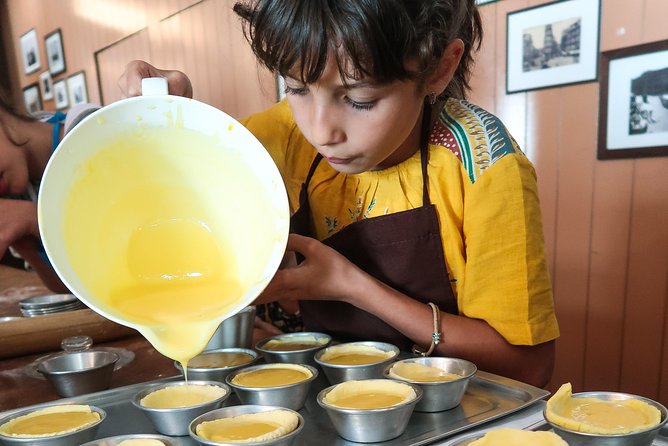
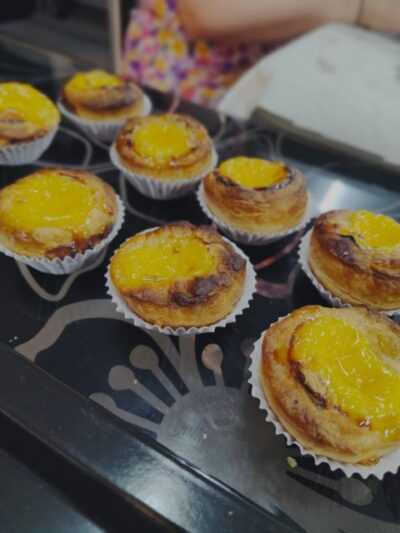
The best part of any cooking class is the ending, and this one follows the simple formula: you sit and feast on the natas at the end. You get to enjoy the fruit of your labor while the experience is still fresh.
Eating what you baked is not only satisfying, it is also useful. You learn texture, sweetness, and what the custard feels like when it is properly cooked. Then when you try to remake it later, you are not guessing what it should taste like.
The class is designed around group work, so you are likely to produce enough tarts that everyone gets to taste without rationing. The host also frames the class as a collaborative bake, with time for a relaxed sit-down after the kitchen work.
If you are traveling with food preferences, there is one practical reality to keep in mind. The provided info does not mention dietary accommodations or substitutions. If you have allergies or strict dietary needs, you should ask directly before booking.
Also, plan to treat the tasting as part of the meal. You are not walking away and immediately hunting for breakfast or lunch nearby, unless you genuinely want to snack again.



Price and value: $29 for two hours of real instruction
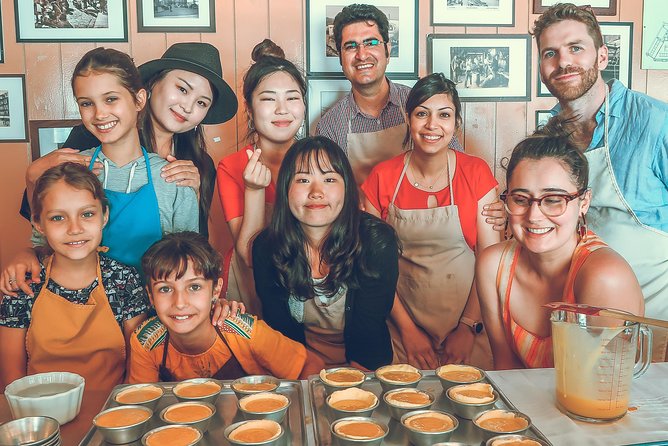
At $29 for about 2 hours, this class sits in a sweet spot for value. You are paying for more than ingredients, because you get:
- a small-group setting
- an instructor actively guiding the group
- a family-story context that makes the lesson feel personal
- the payoff of eating what you make
The biggest reason $29 feels fair is that the experience includes participation. You are not paying for a show. You are in the action, learning as you bake.
It is also a good use of time. Two hours is short enough to fit on a morning planning window, yet long enough to produce something tangible and feel accomplished when you leave the studio.
The lesson ending with food is another value point. Many classes teach you steps but send you away hungry, with the promise of later. Here, the class itself finishes with you enjoying the tarts.
If you want a souvenir you can eat, this does that better than most options. If you want a cultural interaction, the family-history framing helps you connect the dessert to Porto rather than treating it like a generic pastry.
Who should book this pastel de nata class in Porto
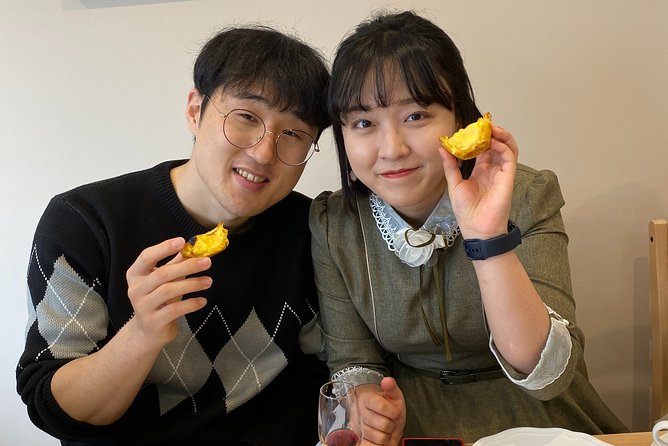
This is a solid choice for families. The experience is described as suitable for kids and adults of all ages, and the small group helps the instructor manage different comfort levels in the kitchen.
It is also good for couples or solo travelers who want something social but not chaotic. You get conversation and shared work, without the pressure of a huge group where your questions go unanswered.
If you are a first-timer in cooking classes, you will probably like the tone. The host reassures you that you do not need advanced baking skills. The turn-taking setup also lowers the fear factor, because you are not expected to run everything alone.
If you are an experienced baker, you might still enjoy the class for the cultural story and the tasting. But if you strictly want a precise, measured recipe with quantities delivered up front, plan to ask for that information during or after the session, since the instructor may prioritize technique-focused learning first.
Should you book Porto Cooking Classes for Pastel de Nata?
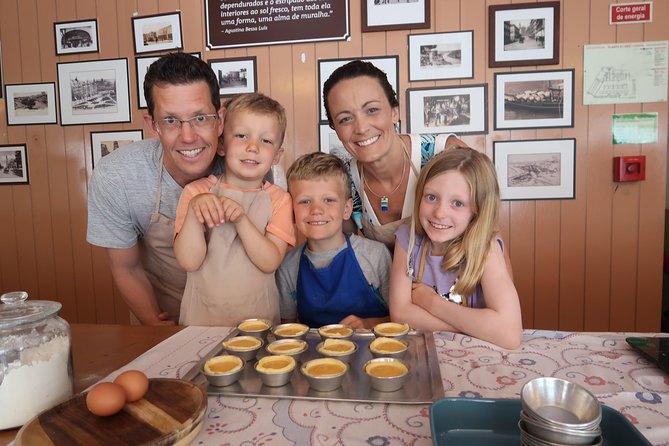
I think this is a book-worthy Porto experience if you want a hands-on morning and you like learning from a local host with a family recipe story. The small-group size, the from-scratch approach, and the sit-and-feast ending make it feel like a complete experience, not a quick stop.
Book it if:
- you want to bake, not just watch
- you value a personal, home-studio feel
- you are traveling with kids or with someone who enjoys interactive activities
Skip it or ask more questions before booking if:
- you need a full recipe with ingredient quantities immediately in advance of baking
- you have dietary restrictions and want to be sure accommodations are possible
- you prefer very hands-off experiences, since the class is intentionally messy and participatory
If your goal is to leave Porto with a warm dessert story and a real skill you can repeat, this class hits the mark.
FAQ
Where is the meeting point for the pastel de nata class?
The meeting point is Rua Dr. Américo Jazelino Dias Costa 104, 4510-643 Fânzeres, Portugal.
What time does the class start?
The class starts at 9:30 am.
How long is the experience?
It lasts about 2 hours.
How many people are in the group?
The class has a maximum of 10 travelers.
Is this class suitable for kids?
Yes, it is suitable for kids and adults of all ages.
Do I need to print a ticket?
No. The tour uses a mobile ticket.
Can I cancel for a full refund?
Yes. You can cancel up to 24 hours in advance for a full refund.
More Tour Reviews in Porto
Keep comparing: recently reviewed experiences around Porto







Pastry & Cooking Workshops, compared.
 ★ 5.0Pastel de Nata Cooking Class with Grandma’s RecipeFrom $331,565 reviews
 ★ 4.9Pastel de Nata Pastry-Making WorkshopFrom $411,542 reviews
 ★ 4.8Pastel de Nata Cooking Class with Port Wine – SéFrom $41888 reviews
 ★ 4.9Workshops Pasteis de Nata in Porto, PortugalFrom $40520 reviews
 ★ 4.9Pastel de Nata Cooking Class from ScratchFrom $50468 reviews
 ★ 5.0Pastel de Nata | Workshop from scratch | Porto’s city centerFrom $48449 reviews
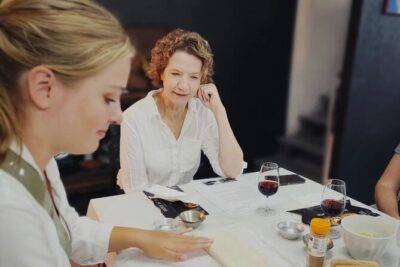 ★ 5.0Pastel de Nata Cooking Class with Porto Wine (Sé do Porto)From $42340 reviews
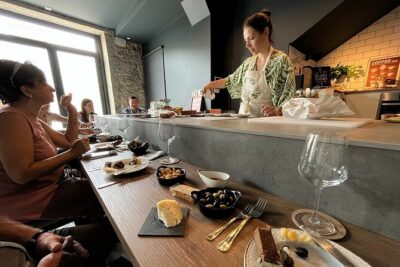 ★ 5.0Porto Local Market Visit & Cooking Class / Showcooking206 reviews
Browse the lists this tour appears in