
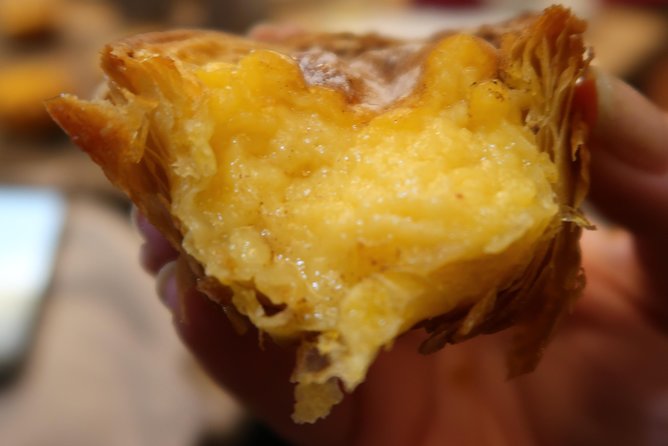
Reviewed · PASTRY & COOKING WORKSHOPS
Learn How to Make Pastel De Nata in a Beautiful Porto Home
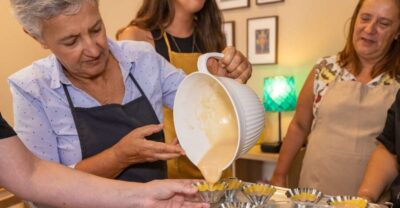
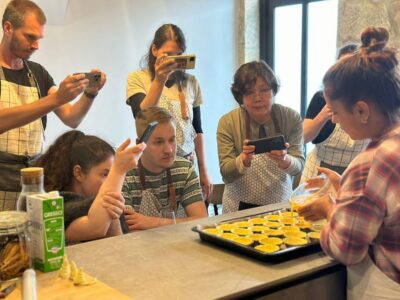
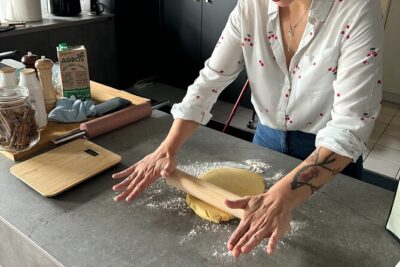
Pastry school in Porto, but make it personal. This 2 hour Pastel de Nata masterclass in Joana’s central, sunny apartment is built for real participation, not passive watching. I like that it stays hands-on with a small group size so you get guidance as you work. One consideration: this class is not suitable for toddlers and small children.
You’ll also leave with two practical wins for your trip and your kitchen. First, you get to enjoy your pastries with included coffee, tea, or orange juice. Second, you bring home a recipe booklet with traditional recipes plus insider recommendations for where to eat and drink in Porto.
Key Things That Make This Pastel de Nata Class Worth Your Time
- Joana’s small group sets you up for attention, not crowd control
- A hands-on approach means you’re doing the work, not just observing
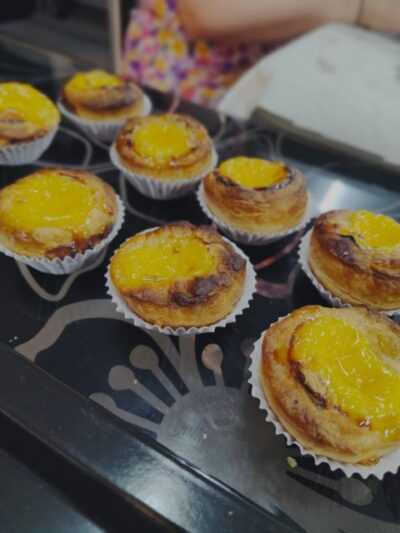
- Fresh pastries with coffee, tea, or orange juice so you taste your results while it’s still special
- A take-home booklet of traditional recipes to help you recreate the method later
- Local tips from a tourism graduate, shared alongside stories about life in Porto
A Morning in Porto With Pastel de Nata, the Portuguese Classic
Porto has a way of turning food into a conversation. This class leans into that. Pastel de Nata is treated like one of the best things you can eat in Portugal, and this experience is designed to go beyond the first bite.
Instead of treating the pastry like a souvenir, you’ll learn to make it at home-style, guided by Joana. The format is aimed at all skill levels, which matters because you do not need to be a baker to enjoy this. If you’re comfortable cooking at home, you’ll feel at ease. If you’re new to baking, you’ll still have a structure to follow.
The class also builds a simple feedback loop. You make, you learn, then you eat what you make. That is one of the easiest ways to understand what to aim for, and it turns the session into something you can remember clearly when you’re back in your own kitchen.
Compare more reviewed experiences around Porto before fixing the rest of your day.

Meet Joana, and Get Past the How-To
Joana is the host and instructor, and she brings two sides to the table. Yes, she teaches the steps to make Pastel de Nata. But she also shares stories about life in Porto, and that changes the tone of the morning.
You’ll get something that pure food tours often skip: a sense of place. When your teacher is talking about everyday life in Porto, you pick up context for why locals eat the things they eat and where they like to hang out for food and drinks. Joana is also described as a tourism graduate, which is a big reason the recommendations feel practical rather than generic.
I like that the class includes insider tips on where to eat and drink in Porto. You’re not just collecting names, you’re receiving guidance from someone who actually lives the city day to day.
Small Group Cooking: Why Up to 4 Travelers Matters
This experience caps at a maximum of 4 travelers. That detail sounds small, but it changes everything in a cooking class.
When the group is tiny, you tend to get:
- More direct guidance from Joana as you work
- Less time waiting for the next instruction
- Better chances to participate in each part of the process
One of the strongest praises tied to this class is the way Joana uses a hands-on approach and divides work so everyone can participate and learn. That is exactly what you want from a cooking workshop. You’re not paying to watch someone else make your pastry.
Also, the class is offered in English. That means you can focus on technique and questions without constantly translating.
What You’ll Do During the 2-Hour Masterclass
The experience runs about 2 hours, starting at 10:00 am. In that window, you can expect a clear flow: meet your host, learn the method, cook in a guided setup, and then eat what you made.
Even without a minute-by-minute schedule listed, the structure is straightforward:
- You meet Joana in her apartment setting and get oriented.
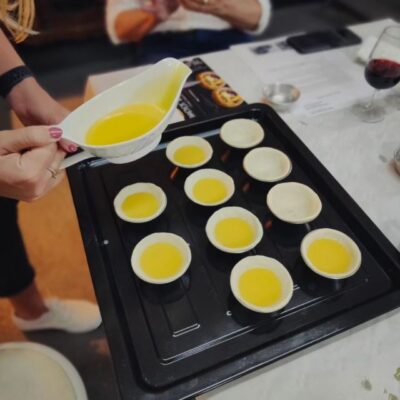
- You cook Pastel de Nata together using easy-to-follow instruction designed for all levels.
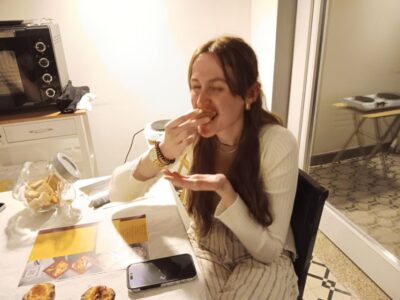
- You finish with tasting, with the pastries ready to enjoy.
- You leave with take-home support, including a traditional recipe booklet and Porto food and drink suggestions.
Because it’s taught as a masterclass rather than a casual tasting, the goal is skill building. You’re not only going for flavor, you’re learning a process you can repeat.
Tasting Your Pastel de Nata With Coffee, Tea, or Orange Juice
The payoff in this experience is not only that you make Pastel de Nata, it’s how you get to eat it.
Your pastries are paired with included beverages: coffee, tea, or orange juice. That matters because it turns the experience into a full little meal moment, not just a snack break between cooking steps.
There’s also a logic to it. If you’ve ever tried a food workshop where the tasting happens later, you end up remembering taste as a memory, not as an outcome. Here, you’re able to enjoy the results right after baking, which makes the learning feel more tangible.
If you’re the type who likes to compare what you made to what you’ve eaten in cafés, this is a great moment. You’ll taste your own batch and decide what you want to recreate back home.


The Recipe Booklet: Your Real Souvenir
A lot of travel food experiences give you a story and a photo. This one adds something more useful: you take home a booklet filled with traditional recipes.
That is a big value driver. After the class, you’re not stuck wondering what order things happened in, or which steps your brain glossed over while you were busy participating. The booklet gives you a home base to repeat the method.
And because it’s described as traditional, it is not only a one-off recipe. It’s meant to connect you to the classic Portuguese approach. You get a way to keep the class alive after Porto stops being the day-to-day setting.
Porto Insider Tips You Can Actually Use
One of the most practical parts of the experience is that you get recommendations from a real local, not a generic checklist.
Joana shares insider tips for places to eat and drink in Porto. That can help you in two ways:
- You can build better plans for the rest of your trip, especially if you want good food without spending time guessing.
- You can follow local logic, meaning you’re more likely to find spots that fit your taste and your schedule.
This is also why the class feels more than just baking. It’s a shortcut to local direction, delivered in a friendly teaching context.
Value Check: Is $55 Worth It?
At $55 per person for about 2 hours, this class isn’t the cheapest option in Porto. But you’re paying for more than ingredients.
You’re paying for:
- Instruction from Joana with hands-on participation
- A format that keeps groups tiny, up to 4 travelers
- Included beverages (coffee, tea, orange juice)
- A take-home recipe booklet
- Local recommendations for eating and drinking in Porto
Also, it’s highly rated, with a 4.9 out of 5 overall score and 100% of people recommending it. That kind of consistency is rare for food experiences, and it usually points to a strong host and a smooth setup.
If you enjoy cooking, or you like learning how locals approach iconic food, the value is easier to justify. If you only want a quick pastry sample with no interest in technique, you might find a simple tasting option better suited to your style. But if you want the “learn it and eat it” combo, this class is priced like a serious experience, and it generally delivers that.
Logistics, Timing, and What to Know Before You Go
The start time is 10:00 am, and the activity ends back at the meeting point.
You’ll receive confirmation at the time of booking. Your ticket is mobile, and the full address will be on your confirmation voucher under the Before You Go section. The meeting point is near public transportation, which is helpful if you’re staying without a car.
Two more practical notes:
- You should communicate any food restrictions ahead of time, including allergies or special diets.
- The class is not suitable for toddlers and small children. If you’re booking for a child, you’re asked to book the class for yourself as well.
Finally, a heads-up on planning: the class is often booked in advance, with an average booking window listed at 95 days. If you want a specific date, book early.
Who This Pastel de Nata Class Is Best For
This class is a smart fit if:
- You want a hands-on food experience with an instructor who gives you attention
- You like learning classic Portuguese food and then recreating it later
- You want a small-group setting where you can ask questions
- You want added value, like a take-home recipe booklet and Porto food and drink recommendations
It may be less ideal if:
- You’re traveling with toddlers or very young children (it’s not suitable for that)
- You want a purely observational experience with no cooking involvement
If you’re a solo traveler, the small group size can actually make the experience feel friendly rather than crowded. If you’re a couple, it can feel like a shared workshop with extra guidance.
Should You Book This Pastel de Nata Class?
If your idea of a great Porto morning includes learning a local favorite, eating your results right away, and leaving with a recipe booklet you’ll actually use later, this is an easy yes.
I’d especially recommend it if you care about technique and attention. The small group size and Joana’s hands-on teaching style are exactly what separate this from a simple pastry tasting.
Book it if you want:
- A guided Pastel de Nata masterclass with included coffee, tea, or orange juice
- Traditional recipes to take home
- Insider recommendations for where to eat and drink in Porto
- A class that works for all levels
Skip it if you’re only looking for a quick bite and you have zero interest in cooking.
FAQ
What is the location for the Pastel de Nata class in Porto?
The experience is in Porto, Portugal. The meeting point address is provided under the Before You Go section on your confirmation voucher, and the meeting point listed is Rua Doutor Américo Jazelino Dias Costa, 4510-551 Fânzeres, Portugal.
How long does the class last?
It lasts about 2 hours.
What time does the class start?
The start time is 10:00 am.
Is the class offered in English?
Yes, the experience is offered in English.
What is the price per person?
The price is $55.00 per person.
What is included in the experience?
You meet and cook with a local host, you get an easy-to-follow cooking class for all levels, you bring home traditional recipes and culinary skills, you get insider tips and recommendations, and coffee, tea, and orange juice are included.
What is the main food you make?
The main dish is Pastel de Nata.
Are there any age restrictions?
Yes. The cooking class and the venue are not suitable for toddlers and small children. If you want to book it for your kid, you are kindly asked to book it for yourself as well.
What is the maximum group size?
The class has a maximum of 4 travelers.
What should I do if I have food allergies or a special diet?
You should communicate any food restrictions, such as allergy or special diet, when booking.
Can I cancel and get a refund?
Yes. You can cancel for free up to 24 hours in advance of the start time for a full refund.
More Tour Reviews in Porto
Keep comparing: recently reviewed experiences around Porto







Pastry & Cooking Workshops, compared.
 ★ 5.0Pastel de Nata Cooking Class with Grandma’s RecipeFrom $331,565 reviews
 ★ 4.9Pastel de Nata Pastry-Making WorkshopFrom $411,542 reviews
 ★ 4.8Pastel de Nata Cooking Class with Port Wine – SéFrom $41888 reviews
 ★ 4.9Workshops Pasteis de Nata in Porto, PortugalFrom $40520 reviews
 ★ 4.9Pastel de Nata Cooking Class from ScratchFrom $50468 reviews
 ★ 5.0Pastel de Nata | Workshop from scratch | Porto’s city centerFrom $48449 reviews
 ★ 5.0Pastel de Nata Cooking Class with Porto Wine (Sé do Porto)From $42340 reviews
 ★ 5.0Porto Local Market Visit & Cooking Class / Showcooking206 reviews
Browse the lists this tour appears in