
Reviewed · AVEIRO & COSTA NOVA DAY TRIPS
From Aveiro: Costa Nova, Barra, Vista Alegre – Half-Day Trip
Salt flats, sea, and porcelain, all in one morning. This half-day trip from Aveiro strings together Aveiro Lagoon, Praia da Barra, Costa Nova’s striped houses, and the Museu Vista Alegre with a guide named Tony Walker who tells it like a friend who knows the area inside out. It is a smart way to see the coastline and the craft heritage of this region without spending your whole day on logistics.
I like that the itinerary is tight but not rushed. You get short, high-impact stops with time to look, ask questions, and soak up details like salt-field life, fishing-port history, why the Costa Nova houses are striped, and the azulejo and fresco work in the Vista Alegre chapel. The best part, for me, is that the explanation matches what you are seeing, not just a lecture.
One thing to consider: this is an active, moving tour. You will do some walking, and in Vista Alegre the chance to watch artists paint ceramics depends on the workshop schedule, since it is closed on the weekend.
Key highlights worth planning around
- Aveiro Lagoon salt fields plus flamingo spotting attempts at the Environmental Interpretation Centre
- Praia da Barra lighthouse and the early 1800s sea opening made with stone from Aveiro’s medieval city walls
- Costa Nova striped wooden houses plus a stop to taste Portuguese custard tarts (Pasteis de Nata)
- Vista Alegre museum time included, with the option to see ceramic painting when the workshop is open
- Capela da Nossa Senhora da Penha de França decorated with azulejos and frescoes
- Private group for up to 4, with pickup offered in Aveiro and return to the meeting point
A half-day that links lagoon birds to porcelain craft
This is the kind of tour you book when you want more than one “pretty place” in a short time. You start in Aveiro and head out through the lagoon world, then toward the Atlantic coast, then up to Vista Alegre for one of Portugal’s most famous ceramics stories. The rhythm works well if you only have a few hours and you want a day that feels thoughtfully planned.
I also like the theme of the route. It is not just scenery. It is how people shaped the land and sea over time, from salt production to fishing, and then from local craft skills to international-famous ceramics.
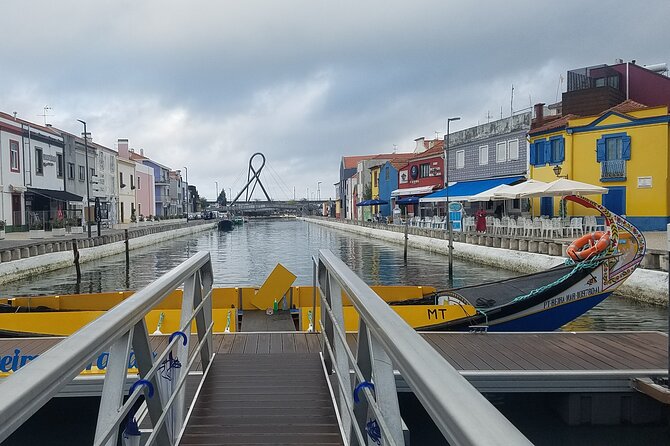
And yes, you will cover multiple settings: lagoon channels and salt fields, coastal views at Barra, a walk through Costa Nova’s waterfront neighborhood, and an indoor museum and chapel visit at Vista Alegre.
More Porto river cruises, city walks, and northern Portugal day trips to compare


Price and logistics: private for up to four, with pickup in Aveiro
The price is $132.45 per group (up to 4 people). That matters because you are not paying per person, and the “private” part is real, meaning only your group participates. With pickup offered and the tour starting and ending back at the meeting point in Aveiro, the logistics are refreshingly simple.
The tour runs about 3 hours. On a short outing like this, that timeframe is what keeps the experience focused. You are not spending half the day commuting or wandering alone with no context.
Language is English, and the tour uses a mobile ticket. If you book ahead, you will typically get confirmation at the time of booking. Also, this one is popular enough that it tends to be booked around a month in advance, so it is smart to lock in your slot rather than hoping for a late decision.
Stop 1: Aveiro Lagoon salt fields, quays, and flamingo chances
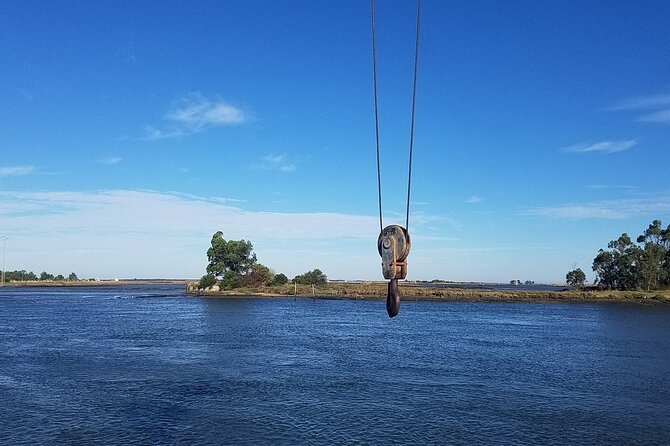
You start by leaving Aveiro and crossing the Central Canal. From there, you head into the salt-field area and the Environmental Interpretation Centre. This is your first chance to slow down and look closely at how the lagoon works, because salt fields are not just a backdrop. They are a working landscape tied to the local economy.
The tour includes time here to attempt flamingo spotting. You are not promised sightings, but the setting is right for bird-watching, and you do get guidance on what to look for. If you have ever wanted an easy entry into Portugal’s bird-and-lagoon world, this stop is a solid start.
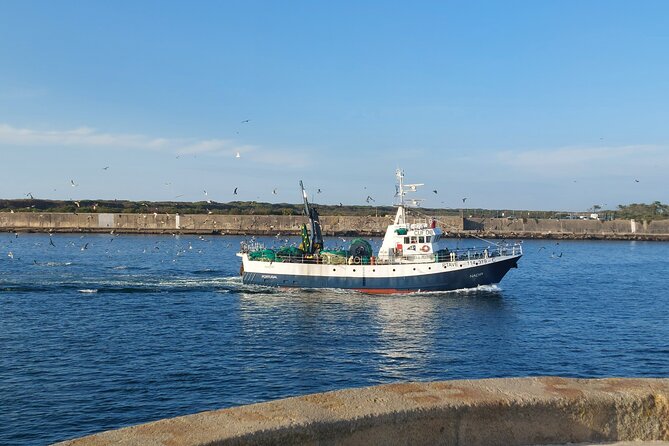
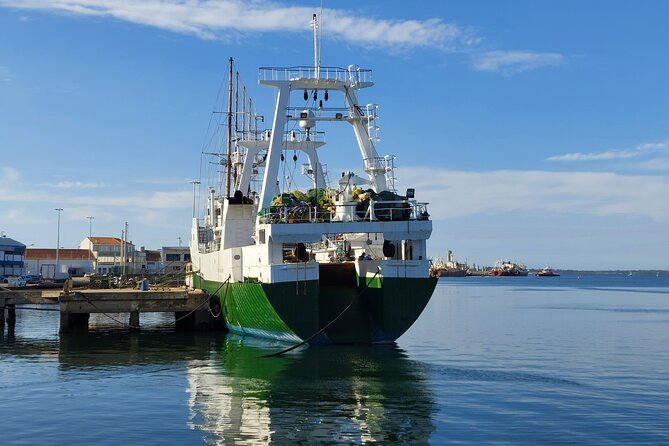
Next you visit Aveiro’s two quays, which helps the story click. The route includes time at the distant-water fishing quay and the commercial quay. You learn how the region evolved naturally, and also how its economy developed, with shipping and fishing playing starring roles.
Why this stop is worth your time: it gives you context for everything you will see later. Once you understand that Aveiro’s relationship with water is practical, not just scenic, Barra and Costa Nova stop being random coastal stops and start feeling connected.
What to watch for: if you are hoping for photos, arrive ready to look both for birds and for the geometry of salt and water. This is a “patterns” place, and it helps to have someone point out what matters.
Stop 2: Praia da Barra’s sea opening and the lighthouse views
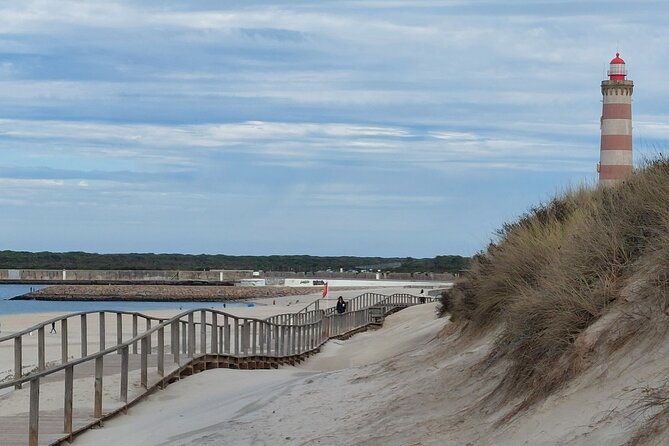
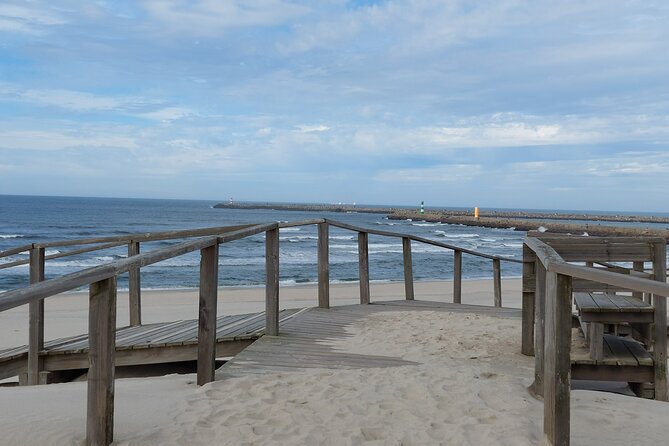
After the lagoon, you shift to the Atlantic at Praia da Barra. The key feature here is the man-made opening where the lagoon meets the sea. It was built in the early nineteenth century, using stone from Aveiro’s medieval city walls, and that detail gives the stop real historical weight.
You also get lighthouse views, which is exactly what you would hope for in this setting. The lighthouse gives you a clear focal point against the water, and the tour includes a short walk by the sea.
This is not a long hike. Think of it as a “stretch your legs and take in the coastline” pause. You can usually handle it easily even if you are not a marathon walker, but wear footwear you are comfortable with on uneven ground near the water.
Possible drawback: if you are expecting lots of time to wander beach roads or sit for a long stretch, this is not the stop for that. The tour moves on quickly, which is the tradeoff for packing multiple highlights into a short day.
Stop 3: Costa Nova striped houses plus Pasteis de Nata
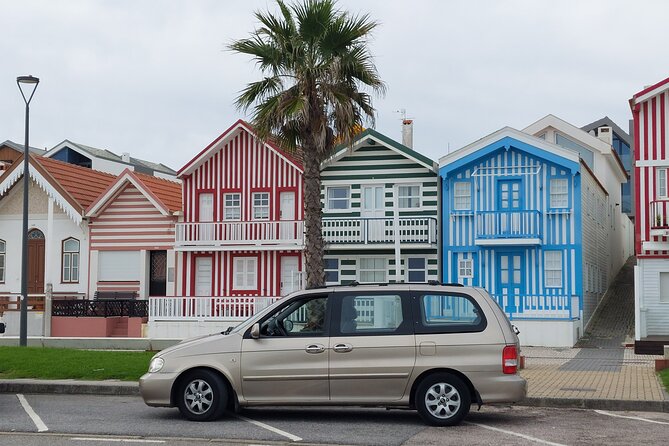
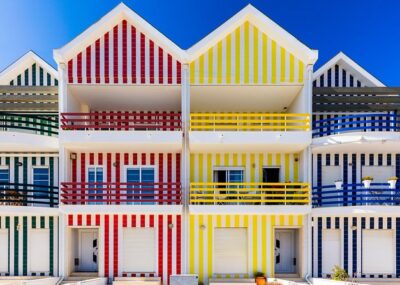
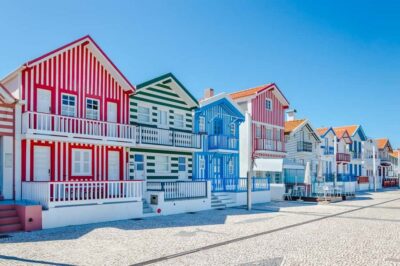
Costa Nova is where the trip gets charming. You walk through the area with the signature striped wooden houses. These were once fishermen’s abodes, and today they are part of a coast you can’t really fake in photos. The stripes are not just decoration, and the guide’s explanation helps you understand why they look the way they do and what the houses were designed to do.
You also get a chance to taste Pasteis de Nata in a local bakery. This is a nice break because the day is otherwise mostly outdoors, plus museum walking later. A custard tart here is a simple, high-reward snack that also helps you feel the everyday local rhythm rather than treating this as only a sightseeing checklist.
This stop is good for photos, but also for your senses. You will be near the water, you will see how the neighborhood sits along the coast, and you will get a sense for why Costa Nova became an iconic name for Portugal’s Atlantic shore.
How to plan your mindset: think of Costa Nova as a short stroll with context. If you treat it like a leisurely beach day, it can feel quick. If you treat it like a focused cultural walk, it hits the sweet spot.
More Porto river cruises, city walks, and northern Portugal day trips to compare





Stop 4: Museu Vista Alegre, the chapel, and the ceramic workshop option
Vista Alegre is the “craft heritage” segment of the tour, and it is a strong finale. You drive to Vista Alegre, a small settlement where the famous Vista Alegre Factory is located. The factory dates to 1824, and it is known internationally for ceramics and glassware production.
You visit the museum, and the admission is included. This is a place where you can slow down without feeling bored, because you are looking at objects tied to technique and design, not just exhibits behind glass. You may also have the possibility of watching artists paint ceramic pieces in the workshop, but there is an important catch: the workshop is closed during the weekend.
Even if you cannot see the workshop during your day, you still have plenty to look at. The tour also includes a look through the local chapel, Capela da Nossa Senhora da Penha de França, a seventeenth-century national site. It is decorated with Portuguese azulejos and frescoes, and it is the kind of stop that changes your understanding of what “ceramics” means in Portugal. Here, tiles and painted surfaces are part of architecture, not just tableware.
Before you return to Aveiro, you get a brief chance to visit the factory shop and outlet. This is not an all-day shopping spree, but it gives you a chance to bring home something that feels connected to what you just saw.
Value note: included museum admission plus a chapel stop plus the possibility of workshop painting is a good bundle for a half-day. You do not have to pay extra to get inside the main cultural anchor.
How the guide experience improves what you see
A big part of why this tour works is the way Tony Walker connects each stop to the next. The best tours do this quietly, but effectively, by explaining the “why” behind what you are noticing. Here, that means moving from salt production to fishing and commerce, then to coastal life, then to the craft tradition behind Vista Alegre.
You get explanations tied to real details. For example, you learn about salt fields and birds at the start, then the economic evolution through the quays, and later how the Costa Nova stripes relate to the homes of fishermen. When you reach Vista Alegre, the story extends into church decoration and ceramic artistry.
You also benefit from a guide who keeps the pace comfortable. Even though the day is compact, it does not feel like a sprint. There is time to look, time to ask questions, and time to understand rather than just snap photos and move on.
One practical tip from this style of guide: if you are curious, ask. The tour format is built for questions because the stops are grounded in observable things. That makes it easier to get real answers instead of vague ones.
Walking time, pace, and who this trip suits
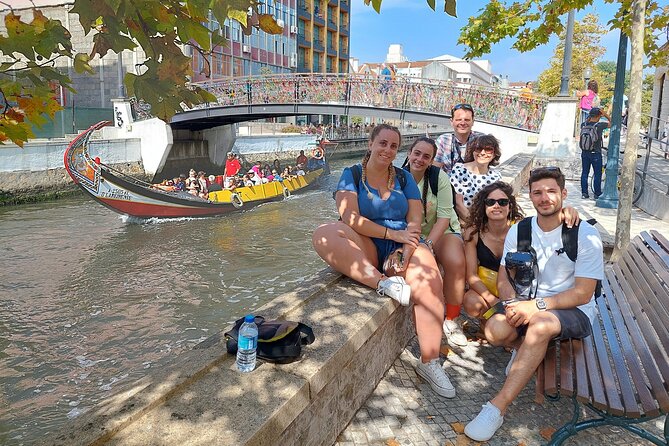
This is a short, half-day outing with multiple short walks. You have a short walk by the sea at Praia da Barra, plus a walk through Costa Nova’s streets for the striped-house views. The Vista Alegre portion is a museum and chapel visit, so expect indoor walking and some time standing to look.
Most travelers can participate, but I would still consider it best for people who are comfortable with a few changes of setting and some walking. If you have mobility challenges, the itinerary is still only about 3 hours, but you will need to think about footpaths near the coast and the indoor museum routes.
Who it suits best:
- First-time visitors to Aveiro who want more than just the city center
- People who like nature plus human history, without committing to a full-day tour
- Families up to 4 who want a private guide and a clear plan
- Anyone interested in Portugal’s craft traditions, especially ceramics and azulejos
When this tour might not be your perfect match
This trip is packed by design. If you want lots of free time to wander at your own pace, you may feel slightly constrained. The stops are timed, and the tour is built to keep moving.
Also, your ceramic-painting viewing option depends on the workshop hours. The workshop is closed on the weekend, so on those days you will focus more on the museum and chapel.
Should you book this Aveiro to Costa Nova and Vista Alegre half-day?
I would book it if you are the type of traveler who enjoys connections. You get the lagoon first, then the sea, then the craft center. You leave understanding how the water shaped livelihoods and how those traditions show up in buildings, tiles, and ceramics.
It is also a strong value if you have up to four people and want private attention. The “private for your group” setup means you are not squeezed into a large bus crowd, and the included Vista Alegre museum time helps justify the price.
If you are short on time but want a meaningful slice of Portugal, this is the kind of half-day that makes the rest of your trip easier. You will have context for what you see next, and you will have a memorable finale in Vista Alegre that feels like more than just a drive-by stop.
FAQ
FAQ
What stops are included on this Aveiro to Costa Nova and Vista Alegre trip?
The tour includes Aveiro Lagoon, Praia da Barra, Costa Nova, and Museu Vista Alegre (with time for the museum and the chapel).
How long is the tour?
The duration is about 3 hours.
Is this a private tour, and how many people are in a group?
Yes, it is private. Only your group participates, with a maximum group size of up to 4 people.
Is pickup included?
Pickup is offered, and the tour starts in Aveiro, returning to the meeting point at the end.
Is the Vista Alegre museum ticket included?
Yes. Admission to the Museu Vista Alegre portion is included.
Can I see artists painting ceramics in the workshop?
There is a possibility to watch artists paint ceramic pieces, but the workshop is closed during the weekend.
What is the cancellation policy?
You can cancel for free up to 24 hours in advance for a full refund. If the minimum number of travelers is not met, the tour may be canceled, and you will be offered a different date/experience or a full refund.
More 1-Day Tours in Porto

More Half-Day in Porto

More Tour Reviews in Porto





Keep comparing: recently reviewed experiences around Porto









Aveiro & Costa Nova Day Trips, compared.
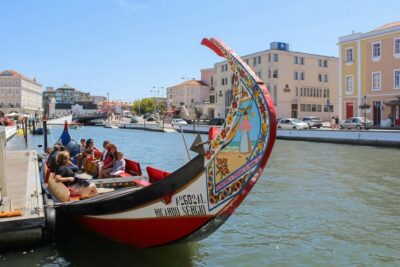 ★ 4.5Aveiro: Traditional Moliceiro Boat TourFrom $163,443 reviews
 ★ 4.5Aveiro and Costa Nova Half Day Tour from Porto with Boat RideFrom $551,522 reviews
 ★ 4.4Aveiro: Scenic Guided Boat TourFrom $171,047 reviews
 ★ 4.4Aveiro: Half-Day Tour from Porto with CruiseFrom $52963 reviews
 ★ 4.9From Porto: Aveiro, Paiva Walkways and Arouca 516 FootbridgeFrom $142957 reviews
 ★ 5.0Porto to Lisbon Up to 4 Stops: Aveiro, Nazare, Fatima & ObidosFrom $287810 reviews
 ★ 4.5Aveiro: Traditional Moliceiro Boat CruiseFrom $15797 reviews
 ★ 5.0From Porto: Aveiro, Paiva Walkways, Suspension Bridge and LunchFrom $130434 reviews
Browse the lists this tour appears in