
Reviewed · WINE TOURS
Dogma Wine Tasting – Serious Introduction
Portuguese wine makes more sense when someone good guides the first glass. This tasting at Dogma Wine Bar is built like a focused lesson, with 3 whites and 3 reds showing how native grapes behave in real styles. What I like most is the calm, no-drama teaching approach, plus the pairing table that actually helps you learn faster. One thing to consider, the session is designed for adults, so it is not for kids, and it is not for pregnant women.
You are paying $93 for a serious sommelier-led format, not a casual walk-and-guess tasting. The drawback is simple: you need to be ready to taste six pours and pay attention, not just sample and wander off.
Key points
- Senior sommelier guidance with English instruction throughout the tasting
- Six samples in 90 minutes, including 3 whites and 3 reds (about 70 ml each)
- Main native grapes of Portugal explained by style and where they come from
- Boutique, terroir-connected producers and wine selection built around grapes first
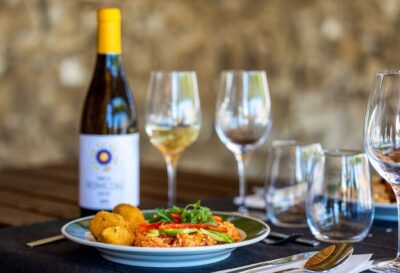
- Pairings that teach, with bread, DOP olive oil, cheeses, and dry cured Iberico ham
- A Port-focused mind behind the lesson, tied to Master of Port experience and training
Dogma Wine Bar in the Norte: what makes this tastings feel different

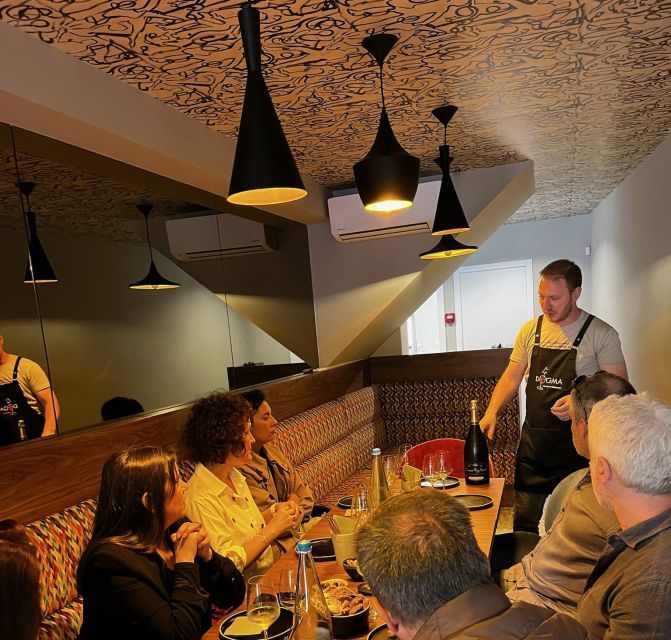
Dogma Wine Bar sets the tone for this one right away. This is not a loud party tasting where everyone clinks glasses and guesses the grape. Instead, the room feels made for listening, comparing, and moving from one sip to the next with a clear purpose.
I like that the experience is built around a teaching plan. You are not just handed a flight and told to enjoy yourself, you get guided structure. That matters because Portuguese wine can feel confusing at first, since indigenous grapes can behave very differently depending on the region and the winemaking choices.
The other thing I really appreciate is the food pairing. You get bread plus DOP olive oil, then cheeses and a sample of dry cured Iberico ham. This is not random snacking. It is there to give your palate a reset between wines and to help you notice how salt, fat, and texture change the taste of acidity, fruit, and tannin.
One practical consideration: if you want a huge variety of wine producers and a long, slow food crawl, this is a tighter format. It is 1.5 hours, and it moves.
You can also read our reviews of more food & drink experiences in Porto


The 90-minute flow: six pours, three whites, three reds
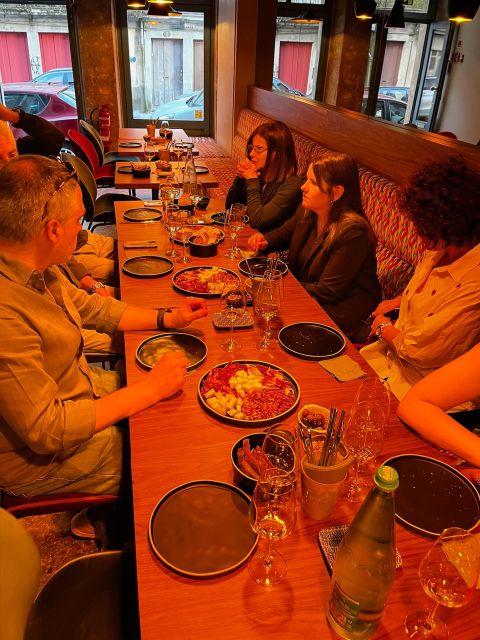
The tasting is 1.5 hours, and the pacing is the whole point. You taste 6 wine samples at roughly 70 ml each, which is enough to identify differences without turning it into a drinking contest. The lesson format keeps you from drifting, and it also keeps the quality level consistent.
You start with three different white wines, then move to three different red wines. That simple split is smart because Portuguese whites and reds often follow different patterns in your mouth, even when you do not know the grapes yet. Whites tend to train your nose and acidity awareness, while reds help you focus on texture, tannin grip, and how native grapes express fruit and spice under different styles.
Between pours, you are given bread and olive oil, plus cheeses and Iberico ham as part of the experience. That combination is useful for learning because cheese and cured ham add salt and umami. They can make fruit feel rounder and soften any harsh edges in a wine. You get a better chance to understand the wine, not just taste alcohol and acidity.
From the reviews, there is also a social element. People often end up chatting longer than the scheduled time. You can treat the lesson as the core, then let conversation extend it if the group energy is right.
Native grapes lesson: style and location, not just names
Portugal’s wine identity lives in its native grapes. Here, that is not an afterthought. The guide aims to present the main native grapes of Portugal and connect them to their styles and locations.
Why this matters for you: if you only taste without context, you might remember whether you liked a wine, but not why it tastes that way. This format pushes past the surface. You are trained to link what you smell and taste to where the grape tends to be grown and how winemakers choose to express it.
Native grapes can show surprising personality. In the provided feedback, people highlight pure fruit notes and wines with real character in each pour. That matches the idea of learning by comparison. When you taste multiple whites and then multiple reds, you start to notice what stays consistent in the grape expression and what changes with style.
Also, you are drinking boutique wines from small producers. That is important because big, mass-market bottles can be easier to describe but harder to learn from. Small producers are usually more tied to terroir choices and traditional varietal behavior, so you get clearer signals.
Bottle selection: boutique producers and terroir first
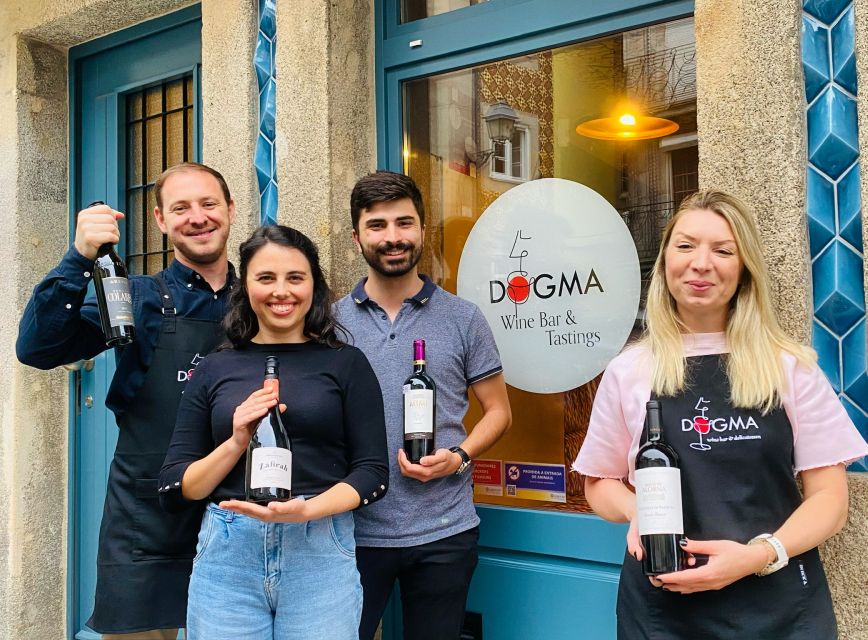
This experience is built around carefully selected wines and a focus on producers who are connected to terroir and native grapes. In plain terms, the tasting is trying to show you Portugal as it tastes when a grower and winemaker care about the place.
You can spot why the reviews sound impressed by the selection. One person called out the quality level and the way the guide’s passion clearly shows. Another noted that this feels more quality oriented than typical food tour wine stops, because everything happens in one place and the wine choices stay consistent.
There is also mention of limited editions. You might encounter wines that feel less like standard shelf bottles and more like targeted releases. Even when you do not plan to buy any bottles, limited releases make the lesson more memorable because they feel specific, not generic.
A heads-up for expectations: the tasting is not trying to give you a giant history lecture. It is more like an intelligent workshop, designed to help you taste smarter and remember more.
Pairings that teach: bread, DOP olive oil, cheese, Iberico ham
A good tasting teaches you how to reset your palate. This one does that with bread, DOP olive oil, cheeses, and dry cured Iberico ham.
Here is why the pairings are valuable. Bread and olive oil are mild, fatty, and forgiving, so they calm your palate between wines. When you move from a lighter white to a more structured red, you want that reset. Otherwise, your memory of the first wine bleeds into the second.
Cheese does its own job. Different cheeses can amplify salt and fat, which changes how acidity and tannin read in your mouth. You end up noticing whether a wine feels more about fresh fruit, spice, or texture.
The Iberico ham sample adds another layer. Cured ham brings savory depth, so you can test how well the wine handles umami. If a wine stays pleasant and expressive with that salty richness, it usually means it has enough fruit and balance to work at a table.
If you like pairing food with wine you drink at home, this format is a plus. It gives you practical reference points you can reuse later when you are choosing bottles in a shop.
You can also read our reviews of more wine tours in Porto

The guide: serious training and a Port-shaped perspective
The guide for this experience is a senior sommelier with standout credentials. The information shared includes that he is twice honored as Sommelier of Portugal (2022 and 2023) and placed 3rd best of Portugal in 2024. He is also noted as a semi-finalist for the Master of Port title in 2025.
That kind of training shows up in how the tasting is explained. In the feedback, people praised the clarity and the detail in how wines are presented, including where they come from. The tone also feels personal, with explanations that make you feel like the wines matter to him, not just to the program.
I also like that instruction is in English. You are not stuck with a translation problem while trying to understand grape styles. You can focus on the tasting itself.
One more note from the experience vibe: the room atmosphere is described as relaxed, with good background music. That matters more than people think. If you are comfortable, you listen better, and you remember more.
Price and value: what $93 buys you in real terms
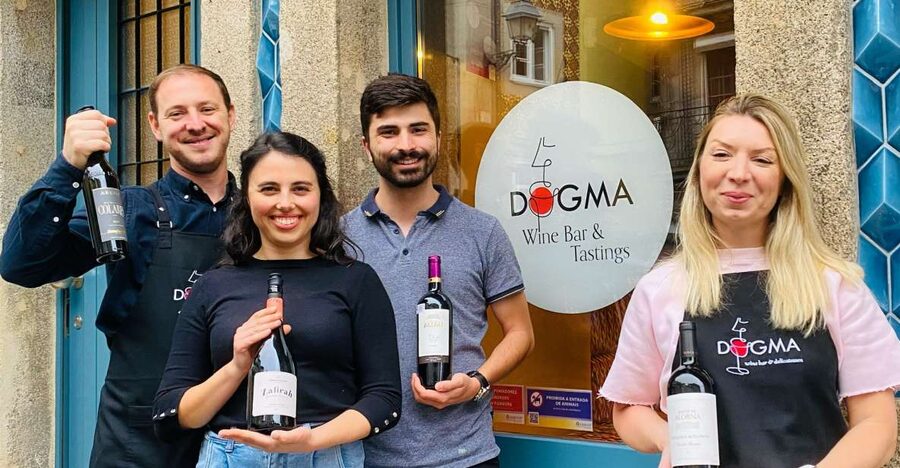
At $93 per person, this is not a bargain tasting. But you are paying for a specific kind of value: structured wine education plus a full pairing table, in one focused session.
Let’s break down what is included. You get water, bread and olive oil, six wine samples, cheeses, and a sample of dry cured Iberico ham. You also get a senior sommelier guiding you through the tasting and teaching you the native-grape DNA of Portugal.
So where does the money go?
- The wine selection is not just random labels. It is focused on native grapes, small producers, and different wine styles.
- The guidance is the real differentiator. Learning how to taste is faster when someone can correct your assumptions in the moment.
- The pairings help you actually use the wines, not just drink them.
If your goal is to collect a pile of tasting notes fast, you will likely feel the value. If your goal is purely to drink casually, you may find it more “lesson-like” than you want. This one fits best when you want to understand Portugal, not just sample it.
Who should book and who should skip
This experience is a good fit if:
- You want a serious introduction to Portuguese wines with native grapes and style context
- You like guided tastings where you learn what to look for
- You enjoy wine pairings that change how you taste
- You want English instruction without losing nuance
You might skip it if:
- You dislike tasting instruction and prefer self-guided sampling
- You are traveling with kids or need a family-friendly setup
- You are pregnant, since it is not suitable
Also, if you are a wine person, there is a decent chance you will respect the credentials and structure. If you are a first-timer, do not worry. The format is designed to teach the basics through comparisons, not through jargon.
Practical tips before you go
A few simple moves will make the session smoother and more fun.
First, plan to stay present. Six pours with an educational flow rewards attention. If you come half distracted, you miss the point.
Second, consider pace. This is a 1.5-hour lesson, and the pairing includes cured ham and cheese, so you will be eating something with your wine. It is still smart to pace your sipping and give yourself time between samples.
Third, go in curious. The instruction style is built for people who want to ask questions and notice differences. The best part of these tastings is not the list of wines, it is the new lens you leave with.
Finally, if you want bottles to take home, ask. Some reviews mention that the wines are reasonably priced for purchase after tasting. Even if you do not buy anything, it is helpful to know what styles you enjoyed most.
Should you book Dogma Wine Tasting Serious Introduction?
Book it if you want a structured, high-quality Portuguese wine intro with real pairing food and English guidance. For the price, the value comes from the combination of senior-led instruction, six native-focused samples, and a teaching format that helps you remember what you learned.
Skip it if you want a casual drop-in tasting with minimal attention to detail, or if you need a setup that works for children or pregnancy. This one is designed for adults who want to learn through taste, not just browse.
If you are unsure, this is the kind of activity that pays off later in shops and restaurants. After a lesson like this, you can recognize the style direction faster, and you can order with confidence instead of guessing.
FAQ
How long is Dogma Wine Tasting Serious Introduction?
The tasting lasts 1.5 hours.
Where is the meeting point?
The meeting point is Dogma Wine Bar.
What is included in the tasting?
It includes water, bread and olive oil, 6 wine samples (about 70 ml each), high quality cheeses, and a dry cured Iberico ham sample, plus senior sommelier guidance.
What language is the instruction in?
The tasting is instructed in English.
Is free cancellation available?
Yes. You can cancel up to 24 hours in advance for a full refund.
Is it suitable for everyone?
It is not suitable for pregnant women or children under 18 years.
More Wine Tours in Porto
More Food & Drink Experiences in Porto



More Tour Reviews in Porto


Keep comparing: recently reviewed experiences around Porto






Wine Tours, compared.
 ★ 4.7From Porto: Douro Valley w/ Boat Tour, Wine Tasting & LunchFrom $8219,061 reviews
 ★ 5.0Complete Douro Valley Wine Tour with Lunch, Wine Tastings and River CruiseFrom $10112,920 reviews
 ★ 4.8Live Fado Show with Glass of Port WineFrom $236,498 reviews
 ★ 4.6Douro Valley: Wine Tour with Lunch, Tastings & River CruiseFrom $1136,081 reviews
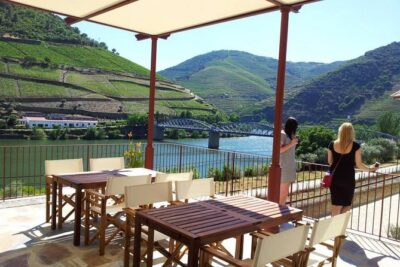 ★ 5.0Douro Valley: Historical Sites, Wine Experience, Lunch & CruiseFrom $1075,133 reviews
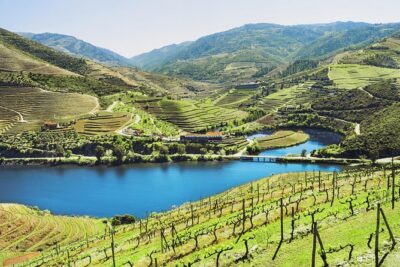 ★ 5.0Authentic Small Group Douro Wine Tour with Lunch & River CruiseFrom $1334,775 reviews
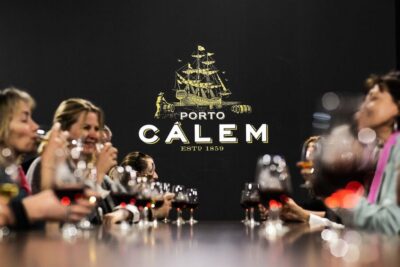 ★ 4.5Cálem Cellar Tour, Interactive Museum & Wine TastingFrom $234,113 reviews
 ★ 5.0Douro Valley Small-Group Tour with Wine Tasting, Lunch and BoatFrom $1693,642 reviews
Browse the lists this tour appears in