
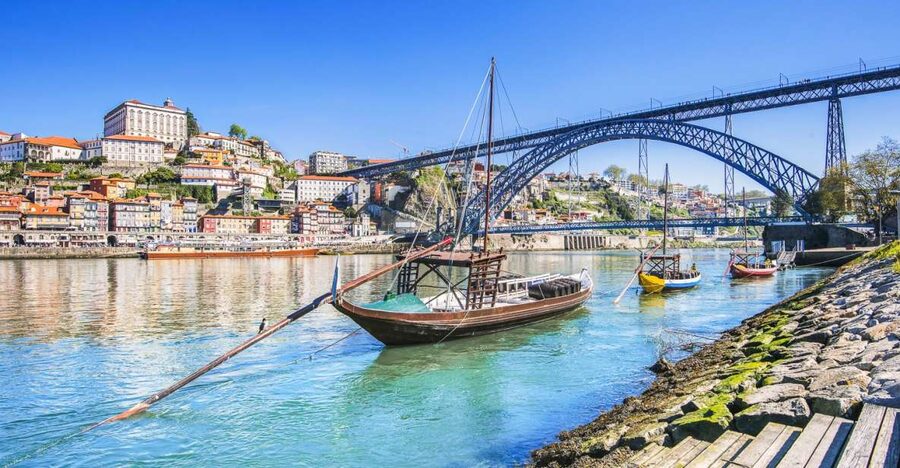
Find the Porto that fits your trip.
Compare the city from street, cellar and river level. We put real traveller feedback, current prices and practical details beside each other so you can choose the right Porto experience without losing an afternoon to tabs.
A stronger first cut of Porto.
Start with the experiences travellers consistently rate well, then compare the details that change the day: pace, group size, inclusions, pickup and time on the water.
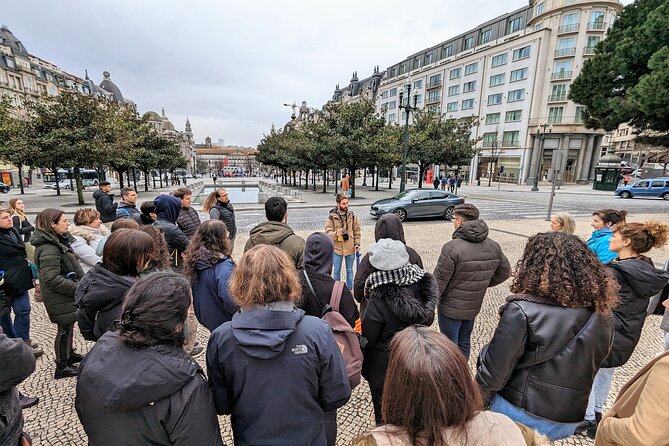
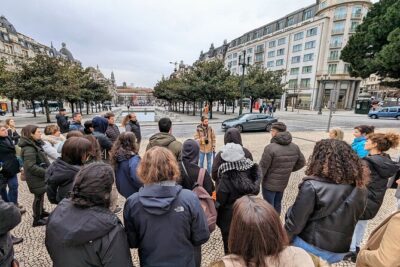
The Unvanquished Tour in Porto City Center
A 2.5-hour Pay What You Want Porto walk through Aliados, Sao Bento, Clerigos area viewpoints, and more, led in English.
From $3 per person
Read the review → ★ 4.2Safe betSix Bridges CruiseFrom $2111,680 reviews
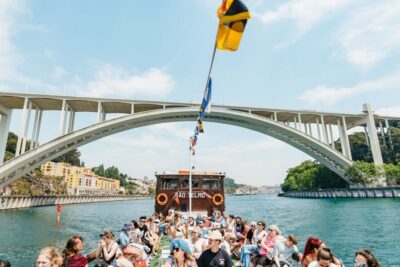 ★ 4.3Books out fast6 Bridges Douro River CruiseFrom $236,472 reviews
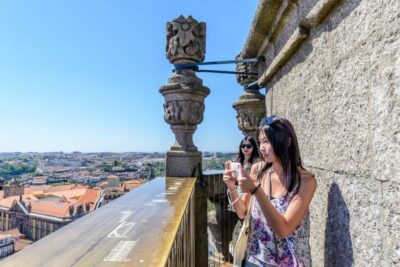 ★ 4.6Crowd favouriteTorre dos Clerigos Entrance TicketFrom $116,395 reviews
 ★ 4.6Worth the fareDouro Valley: Wine Tour with Lunch, Tastings & River CruiseFrom $1136,081 reviews
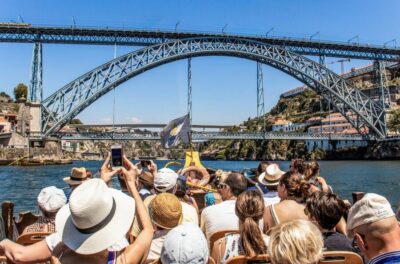 ★ 4.5Easy winGuided Tour by Tuk-Tuk & Optional Douro River CruiseFrom $205,980 reviews
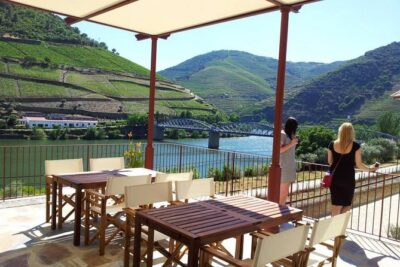 ★ 5.0Local favouriteDouro Valley: Historical Sites, Wine Experience, Lunch & CruiseFrom $1075,133 reviews
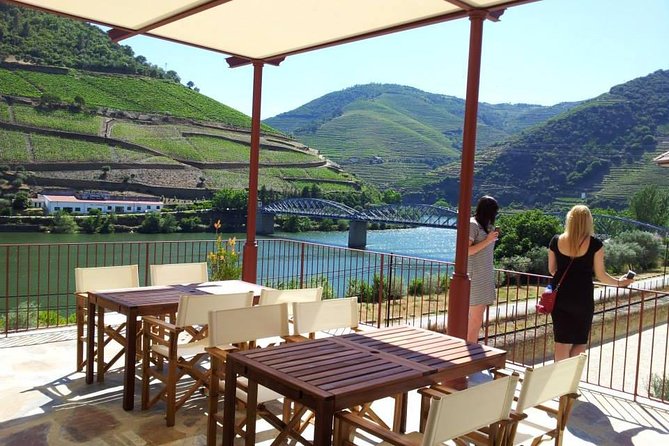
Choose the Douro day by what is included.
Valley itineraries can look alike until you compare the number of winery visits, lunch format, river time and pickup arrangements. Our ranked reviews make those differences visible before you commit a full day.
Cellar, soundtrack or sunset?
The setting changes the experience. Compare a guided lodge visit, an intimate fado performance and a glass on deck, with prices and traveller verdicts attached to each route.
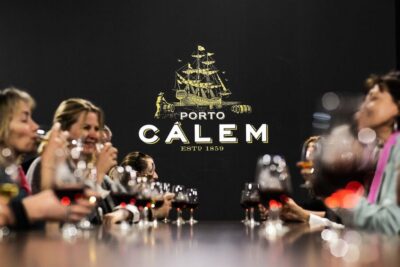 Across the river in Gaia
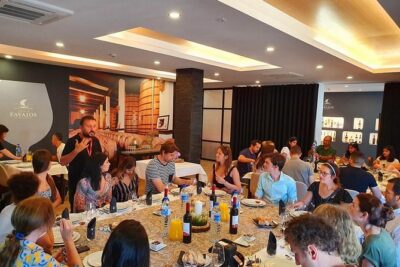
The lodge tour
1 hour · from $23 · 4,113 reviews
Cross the Dom Luís to Gaia for barrel rooms, a clear introduction to port styles and a guided tasting. This is the most direct option when you want context as well as a glass.
See the cellar tastings →
Across the river in Gaia
The lodge tour
1 hour · from $23 · 4,113 reviews
Cross the Dom Luís to Gaia for barrel rooms, a clear introduction to port styles and a guided tasting. This is the most direct option when you want context as well as a glass.
See the cellar tastings →
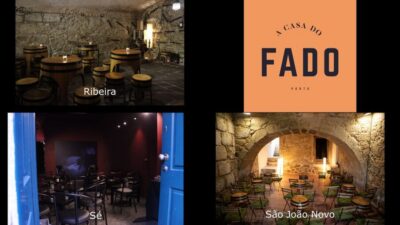 Port and a voice
The fado night
1 hour · from $23 · 6,498 reviews
Pair a small live performance with a glass of port in an intimate room. It works well for travellers who want an evening plan with atmosphere but without a late finish.
See the fado evenings →
Port and a voice
The fado night
1 hour · from $23 · 6,498 reviews
Pair a small live performance with a glass of port in an intimate room. It works well for travellers who want an evening plan with atmosphere but without a late finish.
See the fado evenings →
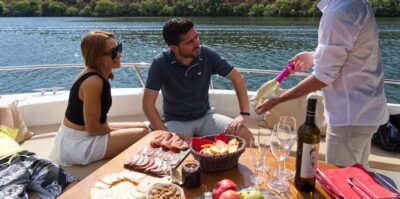
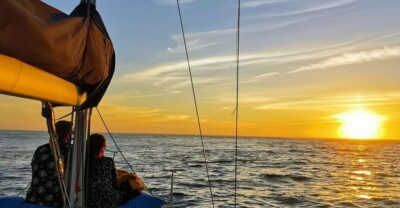
 A glass on deck
The sunset sailing
from $20 · 2,758 reviews
Take the tasting onto the Douro as the light changes over Ribeira and Gaia. Compare boat style, sailing time and included drinks before choosing the prettiest version of the evening.
See the sunset cruises →
A glass on deck
The sunset sailing
from $20 · 2,758 reviews
Take the tasting onto the Douro as the light changes over Ribeira and Gaia. Compare boat style, sailing time and included drinks before choosing the prettiest version of the evening.
See the sunset cruises →
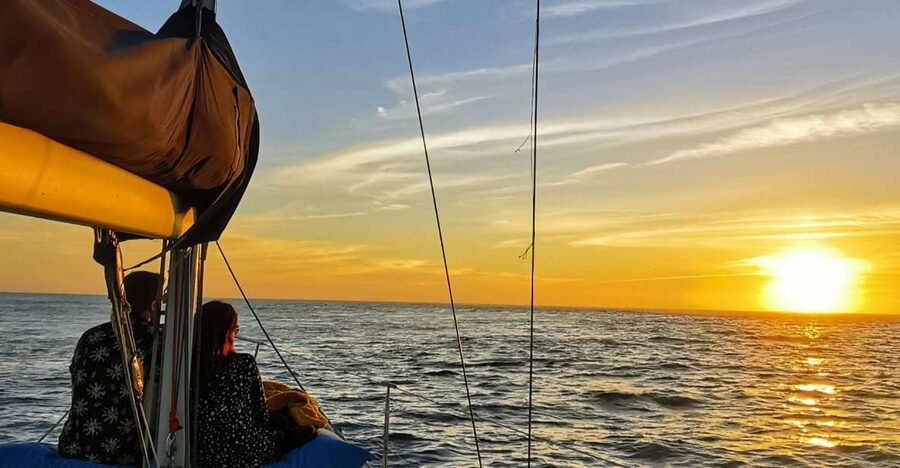
Porto changes pace after sunset.
Evening options range from quiet sailings and fado rooms to lively riverfront plans. Check start times, duration and inclusions here, then choose the night that matches your energy.
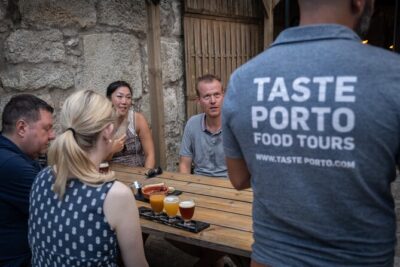
Come hungry and compare the stops.
A good food tour should reveal more than one famous sandwich. Look for a sensible walking route, enough tastings to replace a meal and a guide who connects Porto’s markets, taverns and pastry counters.
See both banks in one clean sweep.
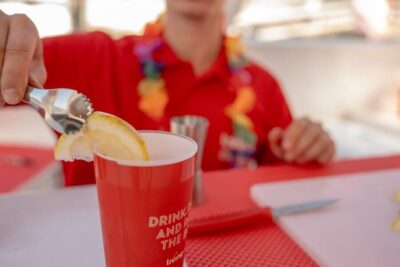
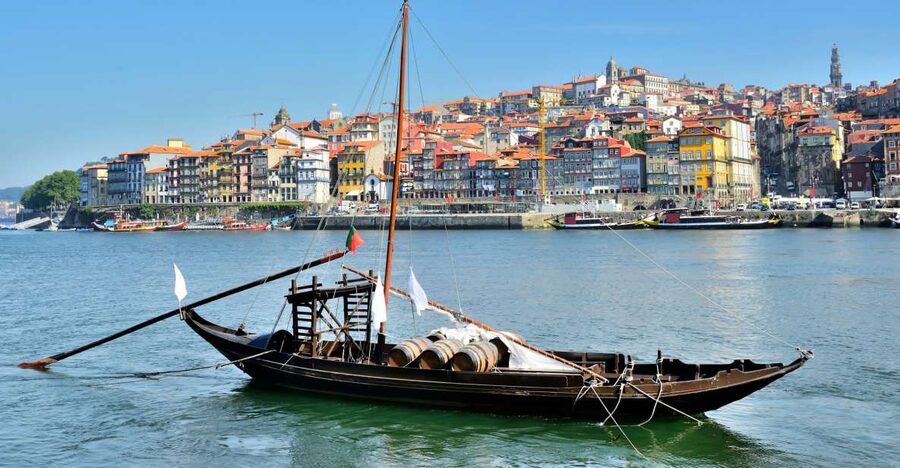
The Douro gives you Ribeira, Gaia and the bridges in a single view. Compare quick sightseeing loops with smaller sailboats and longer sunset departures before choosing your time on the water.
Read the old city beyond the postcard.
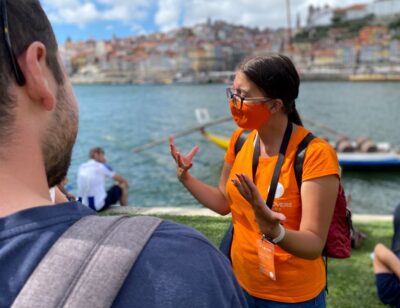
Ribeira, Sé, Clérigos and São Bento sit close together but reward context. A focused walk helps with the hills, the chronology and the small details that disappear when you rush between landmarks.
Browse by the part of Porto you want to understand.
Stay close to the riverfront, climb into the historic centre, cross to Gaia or follow the Douro upriver. These collections keep each part of the trip focused.
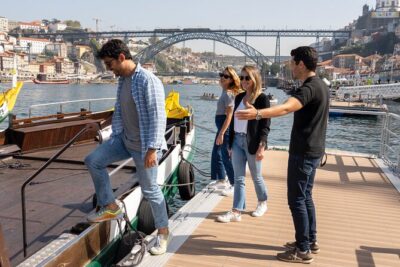
Choose by pace, transport and appetite.
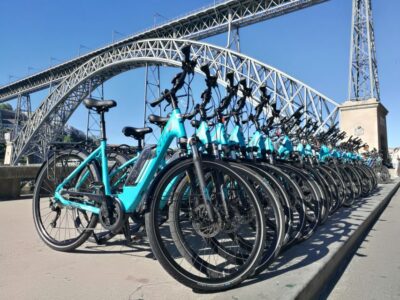
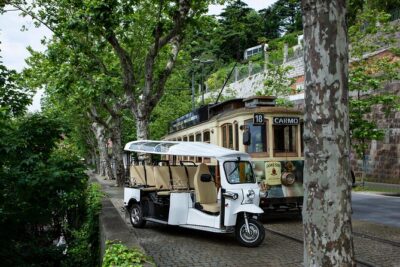
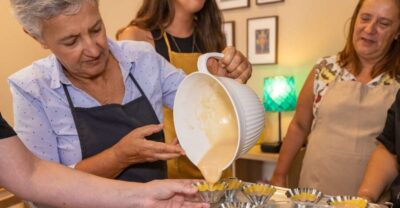
Walk, sail, cycle, taste or book a private guide. Each collection is organized around how the experience feels, with live category counts and ranked reviews behind it.

Use Porto as a base for northern Portugal.
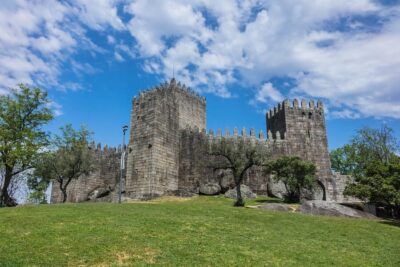
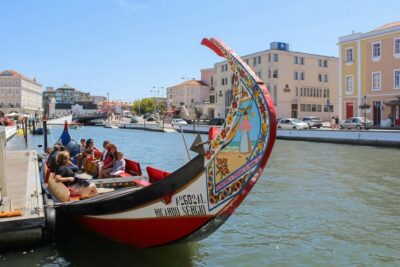
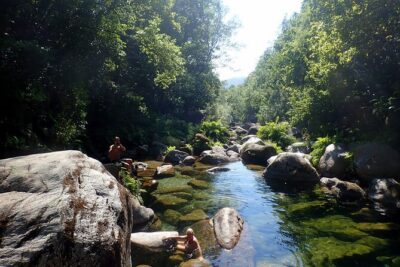
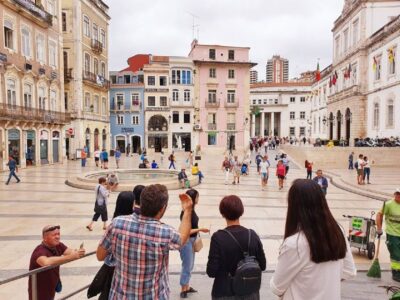
Braga and Guimarães bring history, Aveiro adds canals and colour, while Arouca and Gerês trade streets for open landscapes. Compare travel time and inclusions before giving up a city day.
A practical first three days.
Start with the historic centre, cross to Gaia when you know the layout, then reserve the final day for the Douro Valley. It is a simple sequence that avoids unnecessary backtracking.
 Day 1
Land on the river
Down into the Ribeira lanes, up to the Sé and the Clérigos tower, then a first cruise under the six bridges to shake off the trip. Easy pace, all the postcards.
Plan day one →
Day 2
Cross to the port
Over the Dom Luís to Gaia for two lodge tours and a tasting, back for a francesinha at lunch, then a fado tavern once the light goes.
Plan day two →
Day 1
Land on the river
Down into the Ribeira lanes, up to the Sé and the Clérigos tower, then a first cruise under the six bridges to shake off the trip. Easy pace, all the postcards.
Plan day one →
Day 2
Cross to the port
Over the Dom Luís to Gaia for two lodge tours and a tasting, back for a francesinha at lunch, then a fado tavern once the light goes.
Plan day two →
 Day 3
Up the Douro
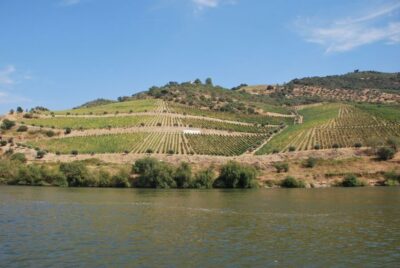
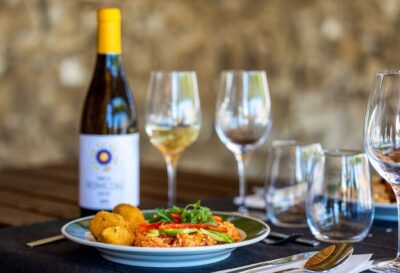
The early van into the valley, two quintas and a farmhouse lunch above the river, a short cruise between the vineyards, home along the water at dusk.
Plan the Douro day →
Day 3
Up the Douro
The early van into the valley, two quintas and a farmhouse lunch above the river, a short cruise between the vineyards, home along the water at dusk.
Plan the Douro day →
Freshly reviewed in Porto.
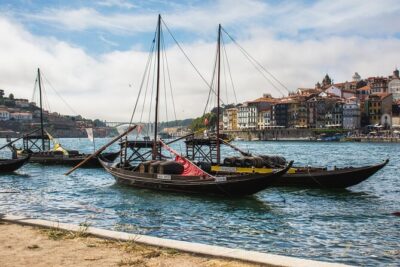 ★ 5.0Lunch and Wine Tasting in the Douro Valley RegionFrom $3493 reviews
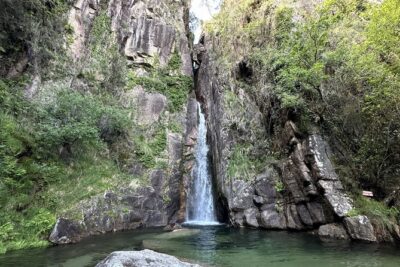 ★ 5.0Waterfall Route in Peneda Gêres National ParkFrom $923 reviews
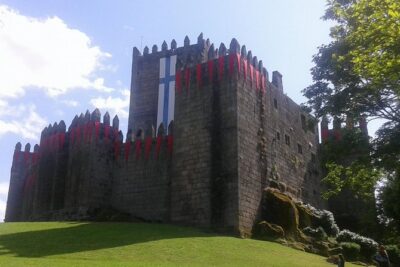 ★ 3.5Barcelos, Braga & Guimarães TourFrom $1153 reviews
 ★ 4.3Full-Day All-Inclusive Private City Sightseeing TourFrom $2533 reviews
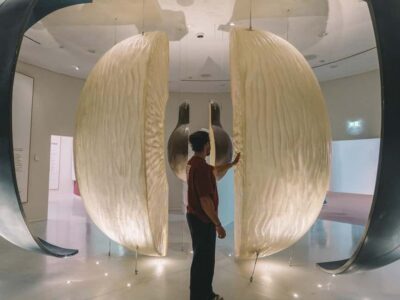 ★ 3.7Fonseca Cellar Tour & WOW Museum PackFrom $293 reviews
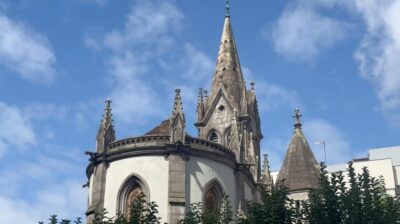 ★ 4.8Unveiled Secrets of Porto + Olive Oil TastingFrom $633 reviews
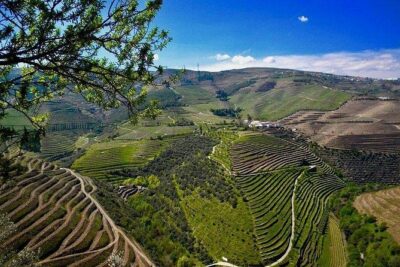 ★ 5.0Private Douro Valley – Senses ExperiencesFrom $3803 reviews
 ★ 4.4Porto and Gaia: Walking Tour of Douro’s Two RiversidesFrom $323 reviews