Porto:Private Tour of the Historic City in a Classic Ford T

Reviewed · PRIVATE PORTO TOURS

Porto:Private Tour of the Historic City in a Classic Ford T

5.0 · 307 reviews 1 hour (approx.) From $47 Operated by OldTour Porto · Bookable on Viator
Book on Viator →

Porto on wheels feels like a cheat code. This private Classic Ford T tour turns key sights and photo stops into a calm, guided ride, with pickup right in the historic center. I like the mix of big landmarks and lesser-seen viewpoints, plus the fact that your guide keeps the pace friendly for Porto’s constant hills.

Two things I really like: first, you get curated stops like São João Theatre, Clérigos Tower, and the cathedral area without spending your whole day hunting for the right streets. Second, you get built-in viewpoint time (two 10-minute miradouro stops), which is where Porto clicks into place.

One consideration: vehicle access can be affected by city center driving rules, so you may not always get the exact curbside access you expect. It’s still worth it, but plan on short walks at a few points and ask your guide how the route will work on the day.

Key things to know before you go

Porto:Private Tour of the Historic City in a Classic Ford T - Key things to know before you go

  • Classic Ford T style ride, designed to make Porto feel fun and story-filled, not rushed
  • Private group experience (up to 7 people), so you can ask questions and steer the route a bit
  • Viewpoint rhythm built into the tour, including two scheduled 10-minute breaks for photos and river views
  • Big Porto and Gaia pair-up, so you see the river, bridges, and hillside angles without doing everything on foot
  • Major architecture stops like São João Theatre, Clérigos Tower, and the cathedral complex
  • Tickets are not included for monuments or museums, so you’ll mostly enjoy exteriors and guide-led stories unless you add entry

Getting Around Porto by Classic Ford T (Without the Hill Burn)

Porto:Private Tour of the Historic City in a Classic Ford T - Getting Around Porto by Classic Ford T (Without the Hill Burn)
Porto is steep. That’s the whole vibe. The smartest part of this tour is that it lets you experience that “Oh wow, this view is amazing” feeling without paying for it in sweat. You ride in a vintage-style vehicle, and since it’s private, your guide can adjust timing when the street layout or foot traffic gets annoying.

Another practical win: the tour is structured for short attention spans. It’s about 1 hour, and it doesn’t try to turn you into a walking encyclopedia. Instead, it gets you to a series of famous and photogenic points, then pairs them with quick explanations of what you’re seeing. Guides can be genuinely entertaining too. In past groups, people have praised guides like Gama, Rafaela, Maria, and Gustavo for doing exactly this, mixing clear facts with a warm, personal style.

Your group size matters. Up to 7 people per vehicle keeps the experience feeling personal rather than chaotic. And because it’s private, you also avoid the awkward math of sharing a guide with strangers.

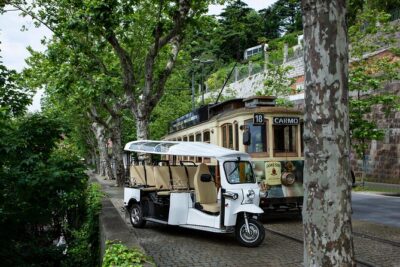
One detail you should keep in mind when you book: the tour’s included items list both a Classic Ford T experience and a 100% electric tuk tuk. That usually means the operator may use a specific vehicle type depending on access rules or availability. When you confirm, it’s smart to ask which vehicle you’ll ride on the day.

You can also read our reviews of more city tours in Porto

Price and Value: Is $47.18 Worth It?

At $47.18 per person for about an hour, this tour is priced like a “high-value orientation” experience. You’re paying for three things that cost time and energy if you try to DIY:

1) Pickup and private transport around the historic center

2) A guide who stitches together what you’re seeing, including the story behind lesser-known spots

3) Time savings that comes from not bouncing between bus stops, taxis, and steep backstreets

Where it becomes especially good value is when you’re traveling with others. Since the car holds up to 7, the per-person price can feel reasonable compared to paying for multiple individual taxis or spending a half-day trying to connect bridge viewpoints, tower views, and waterfront walls.

Also notice what’s included and what isn’t:

  • Included: guide/driver, private transportation, insurance, and the two 10-minute miradouro stops
  • Not included: tickets for extra monument or museum entries

That means you’ll get a lot from the ride and the viewpoints even if you don’t buy any additional entry tickets. If you want to go inside multiple sites, expect extra costs.

How the Route Works in Real Life (So You Don’t Waste Time)

Porto:Private Tour of the Historic City in a Classic Ford T - How the Route Works in Real Life (So You Don’t Waste Time)
The itinerary moves like this: you start in Porto’s historic cultural core, then work outward toward the medieval defenses, cross into Gaia for UNESCO views and bridge angles, and come back through Porto’s iconic tower and church sites, finishing at a river-and-bridge miradouro.

Because the tour is short, think of it as a “best-of with context” circuit, not a deep museum day. Your guide uses the ride to set the story, then uses viewpoints to let you actually see the geography of Porto and the Douro River.

The practical benefit: after this, you’ll know where the real photo spots are. People often do this early in their trip because it helps them plan the rest of the days around what they liked most.

São João Theatre: Neoclassicism, Frescoes, and Why It Matters

Porto:Private Tour of the Historic City in a Classic Ford T - São João Theatre: Neoclassicism, Frescoes, and Why It Matters
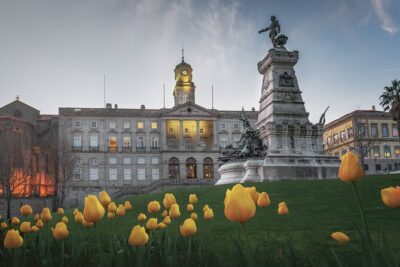
São João Theatre is one of Porto’s big cultural landmarks, and your stop here is about more than a pretty façade. Opened in 1898, the building is known for its neoclassical style and a richly decorated interior, including impressive fresco work. With space for around 1,200 spectators, it’s a major venue for plays, opera, and concerts, and it has hosted well-known national and international artists.

What to do with your time here: look at the outside first, then listen for how your guide connects the theatre to Porto’s cultural identity. If the tour timing allows and entry tickets are something you want to add, you’ll have the option to learn even more on the inside, but remember that monument and museum entries are not included.

Why I’d care as a visitor: Porto’s beauty isn’t only the river and tiles. It’s also the way the city built major public culture. This stop helps you see Porto as a full city, not just a postcard.

Praça da Batalha: Porto’s Square Where Stories and Streets Meet

Porto:Private Tour of the Historic City in a Classic Ford T - Praça da Batalha: Porto’s Square Where Stories and Streets Meet
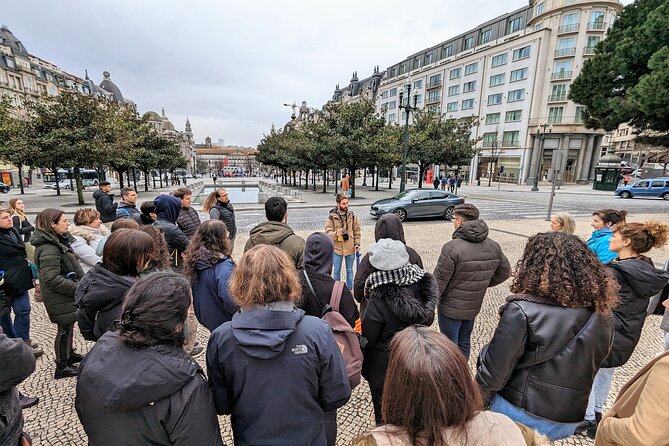
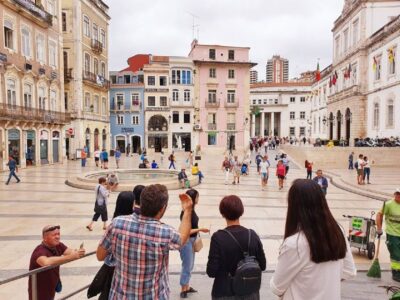
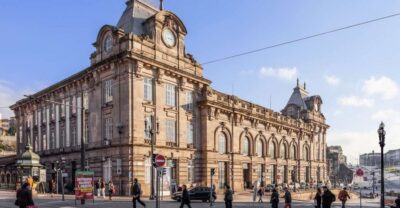
Praça da Batalha is the kind of place that makes Porto easy to navigate. It’s one of the historic center’s emblematic squares and it anchors multiple sights, including Teatro Nacional São João and the Igreja da Santíssima Trindade.

Your guide’s job here is to show you how squares like this function in real city life. It’s not just scenery. It’s a meeting point, lined with cafés and shops, and it naturally pulls you toward nearby streets like Rua de Santa Catarina and areas around São Bento Station.

What you should watch for:

  • The architectural details around the square
  • The way the surrounding streets “branch out” into different Porto neighborhoods

This stop is a good reset point in the tour. Even if it rains, a square is often the easiest place to pause, regroup, and keep going.

Fernandina Wall and Porta da Ribeira: Medieval Porto, Up Close

Porto:Private Tour of the Historic City in a Classic Ford T - Fernandina Wall and Porta da Ribeira: Medieval Porto, Up Close
Next comes Porto’s medieval defense line: the Fernandina Wall. Built between the 14th and 15th centuries during King Ferdinand’s reign, this fortification stretches about 3 kilometers and originally included towers, gates, and fortifications built to protect the city from invasions and foreign threats.

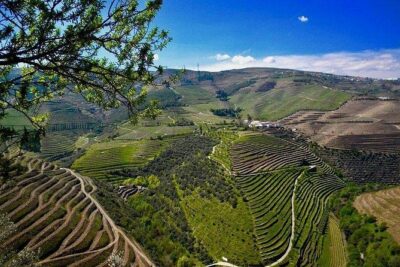
One of the most memorable parts is the Porta da Ribeira area, where you can appreciate the structure and understand how the city once guarded access along the river. On top of the history, this wall is also a practical vantage point. You get views over the Douro and back toward Porto, which makes the stop feel like both a lesson and a photo break.

Potential drawback: because this is an outdoor historic structure, weather matters. Bring a light layer and be ready for wind near the river.

Mosteiro da Serra do Pilar (UNESCO): The Circular Church View You’ll Remember

Porto:Private Tour of the Historic City in a Classic Ford T - Mosteiro da Serra do Pilar (UNESCO): The Circular Church View You’ll Remember
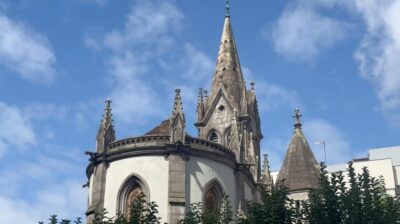
From Porto to Gaia, you’ll hit Mosteiro da Serra do Pilar, a UNESCO World Heritage site. The big headline here is the monastery’s circular-plan church, a striking Mannerist architecture example in Portugal. It’s perched at the top of Serra do Pilar, which is why the views are a major part of the visit.

Your stop also includes the cloister area, which tends to feel quieter than the streets below. In the itinerary timing, you’ll have about 15 minutes here and admission is noted as free, which makes it a strong “value per minute” stop.

This is one of the places where I’d say the tour earns its keep. You get the sweeping river panorama plus architectural explanation without spending a half-day.

If you love photography: this is the stop where you’ll want to pause for a few extra photos before you move on.

Luís I Bridge: Eiffel’s Metal Masterpiece and the River Angle

Porto:Private Tour of the Historic City in a Classic Ford T - Luís I Bridge: Eiffel’s Metal Masterpiece and the River Angle
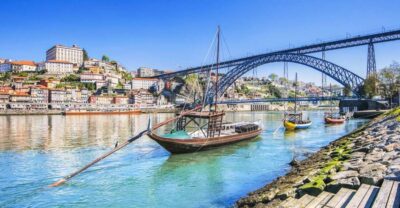
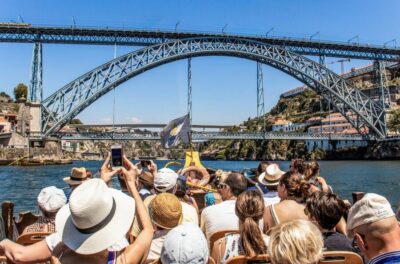
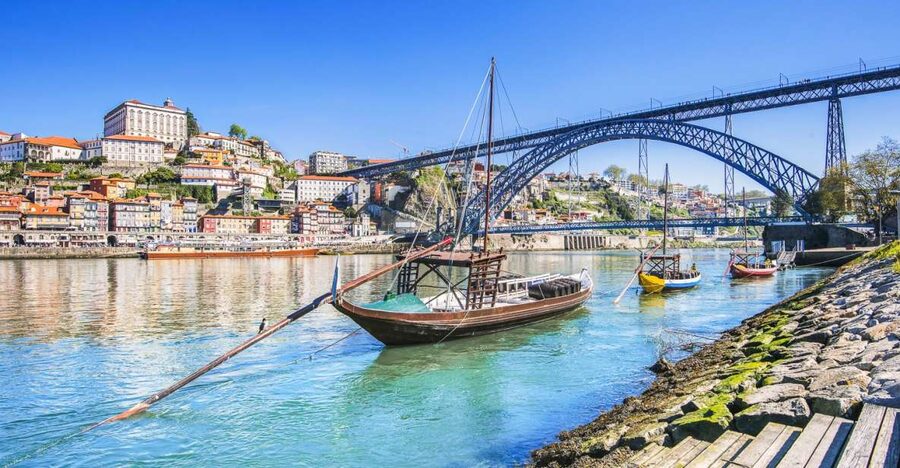
Then comes the Luís I Bridge, one of Porto’s most iconic landmarks, connecting Porto and Vila Nova de Gaia. Opened in 1886, it was designed by engineer Gustave Eiffel, and it’s famous for its bold metal structure.

The bridge has two levels, with vehicle and pedestrian traffic on the upper level. Your guide will typically help you understand what made this kind of bridge so important at the time, and why the structure looks so dramatic from different angles.

Why you’ll care even if you’ve seen photos: Porto’s river bends and viewpoints change what the bridge looks like. A guided route gets you to angles you’d have to work for on your own.

Jardim do Morro: A Shortcut to Relaxed River Views and Sunset Time

Jardim do Morro is where you go when you want Porto and Gaia to slow down. It works as a starting point for exploring nearby areas and it also lines up nicely with the Luís I Bridge views.

The tour framing makes this feel like a breath break, not a chore. In the day-to-day reality of sightseeing, gardens like this help reset your legs and your eyes before you head back to Porto’s tighter streets.

Even if you don’t catch sunset, you’re still in the zone for river panoramas.

Maria Pia Bridge: When Rail Engineering Becomes a Photo Magnet

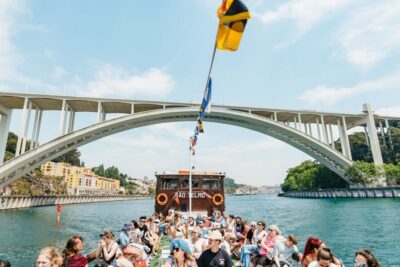
Maria Pia Bridge, inaugurated in 1877, is another Gustave Eiffel engineering story. This one is remembered for being one of the first metal plate bridges built, with a length around 350 meters and a height of about 60 meters.

The key point is that it no longer serves trains, but it still captivates visitors because it looks like industrial architecture turned into a landmark. It’s also useful for photos since it adds a different bridge shape and a different viewing line across the Douro River.

If you like “how cities grew” stories, this stop will click. Bridges explain how Porto and Gaia functioned as one system, long before today’s river-walk tourism.

Clérigos Tower and the Church Stops: Porto’s Vertical Drama and Tile Detail

Clérigos Tower is one of Porto’s most recognizable silhouettes. During this stop, your guide shares stories about the tower’s architecture and historical significance, which is the part that turns it from a quick photo into something you actually remember.

After that, the tour includes a church-focused moment described through a Baroque façade and a richly decorated interior with tiles. The way it’s presented matters. The stop is meant to show you how Portuguese religious art and interior decoration work together, not just to point at an ornate wall.

Finally, you’ll reach the Cathedral complex. Here, the focus is on its Gothic and Romanesque architecture. The cathedral area can also include cloister space if timing allows, but you should expect guided context and exterior-first views unless you choose to add entries with tickets.

Why this cluster of stops works: Porto has “vertical identity” and “detail identity.” Towers give you height and orientation. Churches give you texture, tile work, and the kind of artistry you can only appreciate when someone explains what you’re looking at.

Miradouro da Vitória: The End View That Makes the Whole Day Feel Worth It

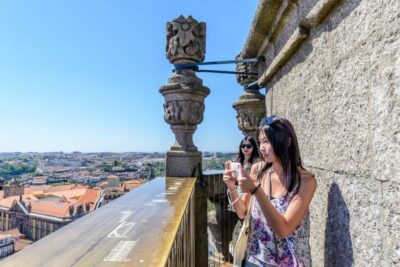
The last major viewpoint stop is Miradouro da Vitória. This is where you get strong views over the Douro River and across Porto, with a perspective that includes bridges and the colorful riverside buildings.

This is the payoff moment. After moving through theatres, squares, walls, monasteries, and bridges, the miradouro helps you connect it all into one mental map of Porto.

If it’s your first day in town, this viewpoint is also a great planning tool. You’ll spot where you want to go back and whether you’ll prefer riverside walks, more church time, or another bridge angle later.

Who Should Book This Tour, and Who Might Want Something Different

This is a great pick if:

  • You want a fast, guided overview to orient you to Porto’s layout
  • You care about architecture stories, not just photo stops
  • You prefer not to tackle steep hills for hours
  • You want to get to viewpoints in a structured way with minimal planning

You might want a different type of tour if:

  • You’re hoping for long, ticketed entries into multiple monuments, since tickets are not included
  • You want an extended museum day rather than a short route with viewpoints
  • City access restrictions could matter a lot to your expectations, because vehicle entry into central areas may be limited on some dates

Should You Book the Classic Ford T Tour?

Yes, with a simple strategy: treat it as your Porto “first connect” experience. The combination of a fun vintage-style ride, a tight one-hour route, and the built-in miradouro breaks makes it a strong way to understand Porto quickly. The value is especially good when you’re sharing the cost with companions, since the vehicle is private and capped at 7.

Before you go, I’d do two things:

  • Confirm which vehicle you’ll ride on the day, since the inclusions mention both a vintage Ford T style tour and an electric tuk tuk
  • Ask your guide whether you’ll be able to get as close as possible to the central stops based on driving access rules that day

If that all sounds good, this tour is a smooth, enjoyable way to get Porto’s highlights and the story behind them, without turning your vacation into a stair workout.

FAQ

How long is the Porto private tour?

The tour lasts about 1 hour.

How much does it cost per person?

The price is $47.18 per person.

Is pickup included?

Yes, pickup is offered, and the meeting point can be anywhere in the historic center or at one of the mentioned points.

Is this tour private?

Yes. It is a private tour/activity, and only your group participates.

What language is the tour offered in?

The tour is offered in English.

Are tickets for monuments and museums included?

No. Tickets for other activities and for museum and monument entries/visits are not included.

Is there a maximum group size?

Yes. The maximum is 7 people per car.

Does the tour include viewpoint time?

Yes. It includes 2 stops of 10 minutes at miradouros.

Is free cancellation available?

Yes, free cancellation is available up to 24 hours in advance for a full refund.