Reviewed · RIBEIRA & OLD TOWN
Porto: Private Tour to the Historic Center in a Classic Car
Porto moves differently when you ride it in style. This private classic car route strings together postcard views, maritime and commerce stops, and quick coastal breaks so you get a smart sense of the city fast, with time for photos at key points like Luís I Bridge.
I especially like the guide element. People I chatted with during the experience, including Mariana, João, and Ana, kept it friendly and practical, with clear explanations in English and little moments of local advice that make Porto feel more personal.
One thing to consider is that the ride can be a bit bumpy, and the timing is tight. Plan on city roads that aren’t smooth and a tour that gives you highlights rather than hours inside every building, even though you’ll have some great outdoor time.
Key highlights you will actually feel on the ground

- A true private tour in a classic car for your group only, with English guidance
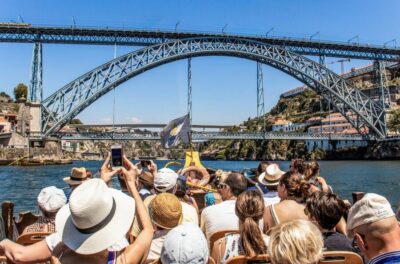
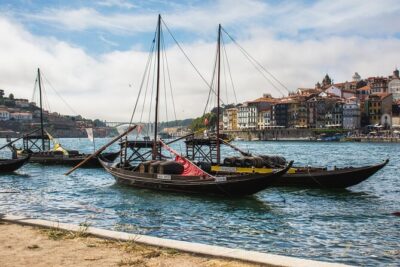
- Luís I Bridge photo moments with views over the Douro River and boats coming and going
- Palácio da Bolsa and the Arab Room stop that connects commerce and Portuguese ambition
- Porto Customs House and the riverfront museum setting with a pleasant outside break
- Timed Atlantic fort and coast stops like São João Fort and the Fort of São Francisco do Queijo
- Free garden time at Passeio Alegre and the Crystal Palace Gardens to slow your pace
Riding Porto in a classic car is a real time saver
If you only have a day (or less) and you want the big “I get it now” Porto moments, this is a smart choice. The classic car format means you skip the stress of piecing together rides across Porto’s hills and viewpoints. In about 90 minutes, you can cover a lot of ground that would take much longer by foot.
I also like that it is private. That changes the vibe. You can ask questions, ask for an extra photo stop, and go at a pace that fits your group rather than being rushed along with strangers.
And yes, the car experience is part of the fun. Several guides and drivers, such as João and Maria, kept the mood relaxed. One guide even shared tips for what to eat next, which is the kind of practical information you usually only get when someone knows the city.
Compare more private Porto tours with a guide in Porto
Getting started: meeting in the historic center and spotting the Oldtour team

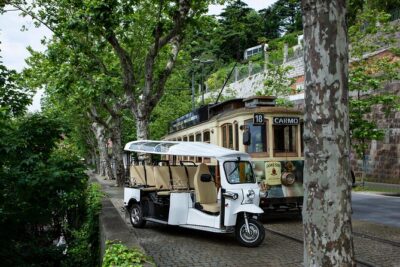
The meeting point is flexible inside the historic center area. Your guide will be identified with the name Oldtour, and the classic car is usually black or green, which makes it easier than you’d expect to find the right vehicle.
Here is the practical trick: if you are staying at a hotel outside the historic core, don’t assume the pickup will be at your exact door. In one experience, the company had trouble with hotel distance, and the driver worked with the guests to meet in the center instead. That is a good reminder to stay flexible and to confirm where to meet if your hotel is far from the core streets.
One more thing to plan for: Porto road conditions can mean a slightly bumpy ride. In a classic car, that is normal. Wear comfortable shoes, keep your phone secured, and treat it as part of the charm rather than a problem.
Luís I Bridge: the view that puts Porto on the map

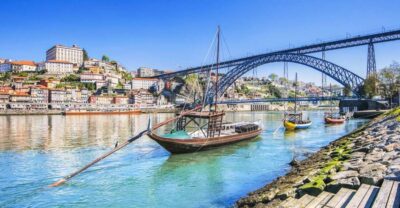
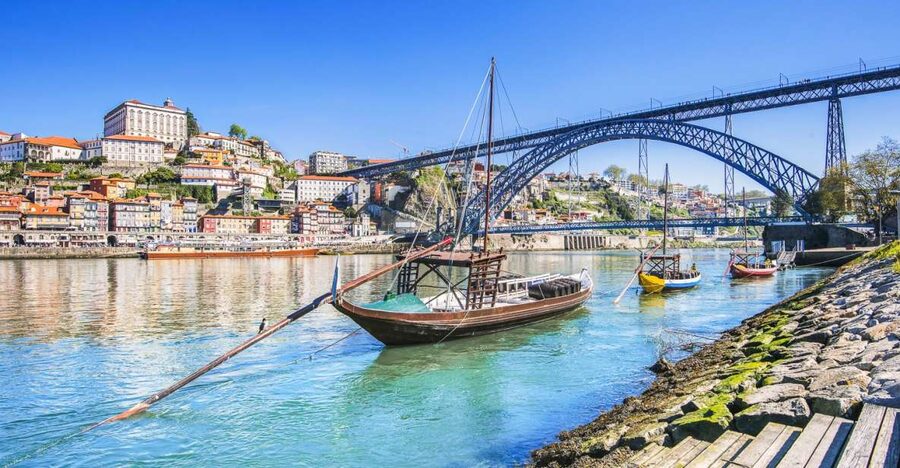
The best opening move in this tour is the Luís I Bridge crossing. It is one of Porto’s most iconic engineering feats, connecting Porto to Vila Nova de Gaia, and it is designed by a disciple of Gustave Eiffel. Even if you are not a bridge nerd, the experience lands because the structure is so photogenic and the setting is so alive.
While you cross, you get sweeping views of the Douro River and Porto’s urban texture along the banks. You can also listen to the water and watch boats pass, which makes the bridge feel less like a static monument and more like a moving stage.
Practical photo advice: if you can choose your day timing, aim for softer light. The colors reflected on the calm water look especially good around sunrise or sunset. If you travel midday, still go for photos. You’ll just get higher contrast instead of pastel reflections.
Infante D. Henrique Museum: maritime Portugal in a manageable stop

After the bridge, the tour shifts from engineering to Portugal’s sea story at the Infante D. Henrique Museum. This is the kind of museum stop that helps you understand why Porto and Portugal developed the way they did. You will see exhibitions tied to navigation, cartography, and the larger era of Portuguese exploration.
What makes this stop useful is the mix of visuals. There are models of historical ships, navigational instruments, and maps that connect the dots between ambition and technology. It is educational without feeling like a lecture, and it is a good match if you enjoy history but do not want to spend half a day inside.
One consideration: a 90-minute day does not allow for deep museum time. Expect an introduction, not a full deep-dive. If you love museums, you’ll likely want to come back later for a longer visit.
Palácio da Bolsa and the Arab Room: commerce meets style

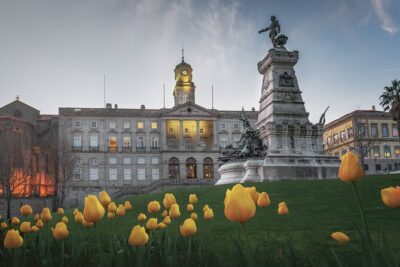
Next comes Palácio da Bolsa, a 19th-century neoclassical palace that used to be the headquarters of the Stock Exchange. This stop matters because it shows another side of Porto’s rise, the business side, not just the sea side.
You will focus on the Arab Room, decorated with Moorish influences and detailed craftsmanship that makes the space feel dramatic even before you learn the story behind it. The palace also works as a guided lesson on commerce in the city and Portugal’s economic transition.
What I like about this stop for a short itinerary is the contrast. You go from a bridge view, to a maritime museum, to a palace room built for financial power. That variety helps you build a mental map of what Porto values: trade, navigation, and the people who made those ideas real.
A practical thought: if you have any must-see buildings in Porto, this is a good one to prioritize. Even with limited time, the main rooms are worth it.
You can also read our reviews of more historical tours in Porto
Porto Customs House: the riverfront setting feels like part of the museum

Porto Customs House is another 19th-century neoclassical building on the Douro River. It served as the tax authority and helped manage taxes and control trade, which ties neatly back into the story you hear at Palácio da Bolsa.
Today, the Customs House houses the Porto Museum. You get a sense of cultural and social history in a building that already feels official and important. Even if you do not linger on every exhibit, the setting is memorable.
There is also a simple benefit that works well during a fast tour: the gardens near the riverfront are a good place to step out, relax, and take in bridge views and river air. When your legs are starting to feel the day, this break helps.
São João Fort and the Atlantic edge: defense strategy and big sky views

Then the tour leans outward toward the coast with Fortress São João Baptista. This 17th-century fort faces the Atlantic Ocean and was built to protect Porto from maritime invasions. From a traveler perspective, it is one of the stops that makes the sea story feel real in the architecture.
You can explore the walls and enjoy wide views over the Douro estuary. The air up there can feel salty and windy, so if your travel season is cooler, bring a light layer even if Porto feels warm in town.
Important practical note: the admission ticket for the fort is not included. That does not make the stop a bad deal, but it does mean you should plan on paying separately if you decide to go inside.
A short fort visit also teaches you something useful: Portuguese defense planning was not abstract. It was built into the coastline and the sea routes the city depended on.
Electric Tram Museum: how Porto moved people in the 1800s and beyond

Next is the Electric Tram Museum, set in a former electric tram factory. This stop is a welcome change of pace because it shifts from coast defenses and palace rooms to everyday city life.
You will see an extensive collection of trams that operated on Porto’s streets since the 19th century. You also get historical documents and photographs that explain how public transport shaped daily routines in Porto.
One extra perk: the museum offers rides on some restored trams. If that option is running during your visit, it can be a fun, low-effort add-on, especially if you are traveling with kids.
If you tend to skip museums because you worry they are too slow, this is a good one to consider because it has a practical theme. It helps you understand the city’s rhythm, not just its monuments.
Passeio Alegre Garden: quiet shade at the mouth of the Douro
Passeio Alegre Garden is small in time but big in feel. It sits near the mouth of the Douro River, where the city meets the sea breeze. The garden dates to the 19th century and is known for diverse plants like palms, flowering shrubs, and tall trees that offer shade.
For this tour, the practical value is simple: it gives you a break from buildings and straight-up sightseeing. Winding paths and benches make it easy to slow down for a few minutes and reset your eyes.
This one is also free, so you can treat it like a bonus stop. If you enjoy photographing gardens, you’ll find plenty of angles, and the sea air helps you feel like you have stepped out of the city hustle for a moment.
Castelo do Queijo, the Cheese Castle: a pirate-proof viewpoint
Fort of São Francisco do Queijo is often called the Cheese Castle because of its shape, which resembles a Serra cheese. It is a 16th-century fortification built to defend Porto from maritime invasions and pirate attacks.
This stop is mostly about the exterior and the view, with the fortification walls offering a sense of how serious the coast defenses were. It also works as a quick cultural pause because interior spaces are used for exhibitions and events at times.
The best practical reason to include it on a short tour is the viewpoint. You get sea and estuary views that feel different from the bridge. It is also free, so you get the fun of a distinctive landmark without adding another ticket cost.
One tip: if you are prone to motion sickness, take it slow on the approach. Coastal areas can feel more open and windy, which can make some people a little lightheaded. It should be fine, just keep an eye on it.
Crystal Palace Gardens: romantic design and an easy end-of-tour reset
The final major area is Jardins do Palácio de Cristal, or Crystal Palace Gardens. These date back to the 19th century and were created as a leisure space connected to the original Crystal Palace, inaugurated in 1865.
What makes the garden special is the design. It was created with Romantic style touches like lakes, hills, and small pavilions. An English landscape designer named Edmundo de Melo e Castro shaped the garden plan, which explains why it feels slightly different from the more formal squares you might see elsewhere in Portugal.
This stop is free and timed in a way that works: about 15 minutes. In that time, you can walk a bit, find a spot to look back toward the city, and let your feet recover from the earlier sightseeing.
If you want a good photo, this is a strong candidate. The light in the garden paths changes quickly under trees, which makes it easy to take a few good shots without chasing a specific viewpoint.
What 90 minutes really means, and who this tour is for
This tour is built for people who want a curated best-of Porto overview. It is not built for people who want to fully master museums and spend long stretches inside palaces.
If you are a first-timer, you will love how the stops connect: engineering at the bridge, sea exploration at the museum, commerce at the palace and customs house, then coastal defenses and garden downtime.
It also works well for families because the pace includes breaks and outdoors time. One family visit included an 11-year-old who enjoyed it, and that tells you something important: the car ride plus the quick stops can keep attention from drifting.
You might not love it if you prefer slow travel and long indoor visits. The palace and museum stops are still interesting, but you will likely leave wanting more time in at least one place. The good news is that a tour like this helps you choose your return spot once you see what you actually care about.
Price and value: what you’re paying for at $39.79 per person
At $39.79 per person for roughly 1.5 hours, the value is less about individual ticket inclusion and more about three things:
First, you are paying for transport and a guide who helps you connect the dots across Porto. A classic car saves time, and the route makes sense for getting an overview without feeling scattered.
Second, you are paying for convenience in a city where getting between viewpoints can be a hassle. Even when traffic or road closures cause detours, a guide-led car route still keeps the day moving.
Third, you are paying for photo time and short breaks built into the plan. That matters more than it sounds. A short visit with the right stop can be more useful than an hour wandering alone.
So if your goal is to get your bearings fast and decide what to revisit, this price feels reasonable. If your goal is to spend maximum time inside paid attractions, you may want to pair this with a longer day focused on fewer museums.
Should you book this private classic car tour?
Book it if:
- You want an efficient intro to Porto that mixes views, museums, and waterfront history.
- You like the idea of a private ride with a guide, not a crowded group shuffle.
- You want quick access to both iconic landmarks like Luís I Bridge and more unusual stops like Castelo do Queijo.
Skip it if:
- You need long, uninterrupted museum time.
- You get uncomfortable on bumpy roads or dislike quick outdoor walks.
- You plan to pay extra for multiple indoor admissions and would rather plan a cheaper, self-guided route.
My final advice: treat this tour like your Porto orientation. After it, you will have a short list of where to go again. And if your guide suggests a local food stop, like the classic Porto sandwich Francesinha that João recommended in one experience, take that tip seriously. It is the kind of bonus that makes the day feel complete.
FAQ
How long is the Porto private classic car tour?
It runs for about 1 hour 30 minutes.
Is this tour private or shared?
This is a private tour. Only your group participates.
Do I get pickup, and where do I meet if there is no hotel pickup?
Pickup is offered. The meeting point is in the historic center area, and the car is easy to spot (black or green). Your guide is identified as Oldtour. If hotel pickup is not possible, you may still meet the car within the historic center area.
What language is the tour offered in?
The tour is offered in English.
Do I need admission tickets for every stop?
Not all stops require tickets. The São João Baptista Fort admission ticket is not included. Jardim do Passeio Alegre, Castelo do Queijo, and Jardins do Palácio de Cristal are listed as free.
Is there a mobile ticket?
Yes, the tour includes a mobile ticket.
Are service animals allowed?
Yes, service animals are allowed.
What is the cancellation window?
You can cancel up to 24 hours in advance for a full refund. If you cancel less than 24 hours before the start time, the amount paid is not refunded.
More Private Porto Tours
More Tours in Porto
More Tour Reviews in Porto
Keep comparing: recently reviewed experiences around Porto
Ribeira & Old Town, compared.
★ 5.0The Unvanquished Tour in Porto City CenterFrom $326,497 reviews
★ 4.7Historic City Center Walking TourFrom $331,172 reviews
★ 4.8The highest-rated traditional fado concert (downtown)From $191,130 reviews
★ 4.8Historical Center Walking TourFrom $41898 reviews
★ 4.5Historic Porto by Private Electric Tuk Tuk to Top LandmarksFrom $42735 reviews
★ 4.9Tile Painting and Cocktails in Downtown PortoFrom $41484 reviews
★ 5.03-Hour Old Town & Riverside Bike Tour – Guided ExperienceFrom $47481 reviews
★ 5.0Pastel de Nata | Workshop from scratch | Porto’s city centerFrom $48449 reviews
Browse the lists this tour appears in