
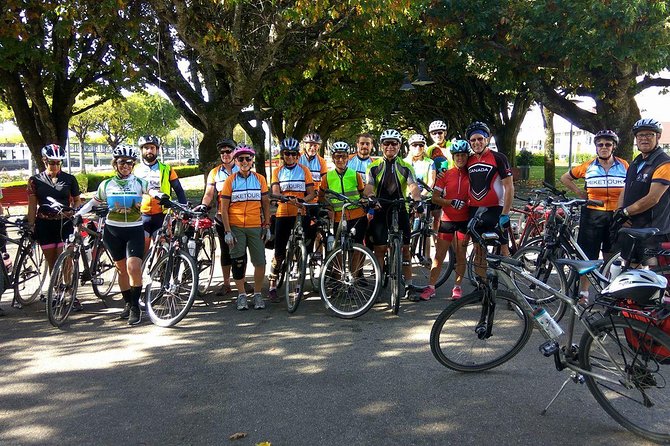
Reviewed · PORTO BIKE & E-BIKE TOURS
7-Day The Way of St James Bike Tour- The Coast Path – Camino to Santiago
Bike the coast for a front-row seat to Camino Spain. This 7-day Way of St James cycling tour strings together Portugal’s shoreline and Northern Spain’s coastal towns on a modern mountain bike, ending at Santiago de Compostela’s Baroque cathedral.
I really like the practical setup: bike rental with a helmet, plus a GPS route with a road book so you are not left guessing at every turn. One thing to consider: it is easy to moderate, but there are some hills, and summer heat can be real, so you’ll want to plan your pace and carry water.
Why this route feels worth your time
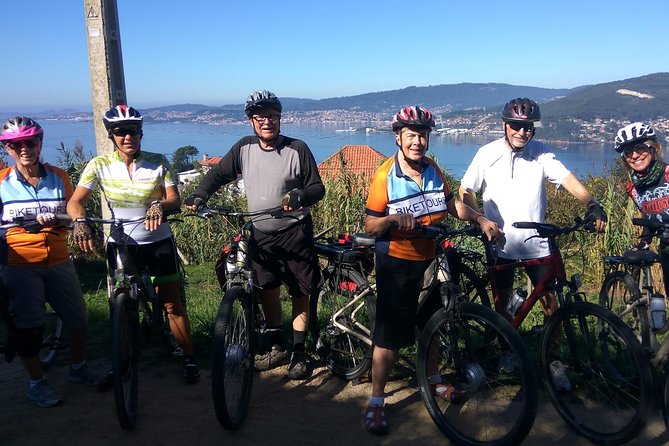
- Porto to Santiago, coast-first: You spend the week riding seaside views, then finish at the pilgrimage core.
- Modern Trek mountain bikes: Better confidence for mixed surfaces like tarmac, bike paths, and rural roads.
- Self-guided support tools: GPS plus a road book helps you ride your own rhythm without losing the main thread.
- Smart transfers and luggage help: You get luggage transfer and Porto airport transfers, so you ride more and manage less.
- Small group size: Maximum of 2 travelers, which usually means more personal attention if you have questions.
- Coastal culture stops you can feel: Places like Vila do Conde, Bayona, and especially Arcade, where oysters are part of the story.
A Way of St James Bike Tour that actually matches the coast
This is not the classic “hard-core inland Camino.” It’s the Coast Path style of the Way of St James, designed for cyclists who want the pilgrimage payoff without grinding through the toughest terrain every day. You get a long, satisfying ride from Porto toward Santiago de Compostela, with seaside towns built into the rhythm.
The big value for me is how the logistics let you focus on riding. You get 7 nights of accommodation, selected meals, and round-trip transfers tied to Porto airport arrival and departure. Add luggage transfer, plus the GPS with route and road book, and you have a clear system.
And yes, you are cycling. This is still a bike tour with real days on the saddle. The tour calls itself easy to moderate, but it also warns about hills and summer heat. If you can ride comfortably for long stretches and manage your water, this kind of route can feel like a great “in-between” pilgrimage, less punishing than the toughest routes.
You can also read our reviews of more cycling tours in Porto
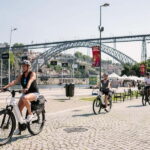
Day 1 in Porto: brief, organized, and ready to roll
Day 1 is built around a briefing at Rua João das Regras 62, Porto, with a start time of 8:00 am. That matters more than it sounds. You get your bearings early, your bike setup is handled, and you can get into a calm headspace before the first long push.
Since the tour begins in Porto, it also keeps the start day simple. You are near public transportation, which helps if you arrive a bit early or want to settle your travel details without stress.
What to expect: a day that feels like a clean launch. Not a full ride day described here, but a “get oriented and check everything” kind of start, which usually pays off later when the route gets more detailed.
Day 2 to Esposende and the coast cities of Portuguese discoveries
On Day 2 you head north from Porto toward Esposende, and you stay in a seaside mindset the whole way. The route includes coastal views and small “Portuguese rivieras” before reaching Esposende, a town with medieval roots.
Then the day’s story expands through cities like Póvoa de Varzim and Vila do Conde. These stops are more than scenic breaks. They connect to fishing traditions and to the coastal importance during the Portuguese Discoveries, where maritime wealth shaped what these towns became.
Practical angle for you: this is the kind of day where you can keep your effort steady. Coastal routes often mean fewer “stop-and-go” surprises, and that helps if you are trying to ride efficiently without burning out early.
Potential drawback: coastal cycling can also mean changing winds along the water. You’ll likely want to dress for that reality and keep hydration consistent.
Day 3 Viana do Castelo to Caminha by the Minho River
Day 3 brings Viana do Castelo, another port city tied to the Portuguese Discoveries, specifically ship development for journeys toward Brazil, India, Africa, and other colonies. That’s a lot of historical gravity for a bike day, but the point is simple: the coast here mattered.
From there you continue to Caminha, where the town meets the river Minho. It’s described as having a strong natural and green heritage, with viewpoints, waterfalls, beaches, and a camping park. Even if you don’t plan long sightseeing detours, just arriving in a riverside coastal town changes your mood after two days of riding.
Why I like this stop for cyclists: Caminha sounds like a place where you can switch from “ride mode” to “walk and breathe” mode. You’re not only chasing the next kilometer. You’re also getting scenery that feels different from pure open coastline.
Consideration: mornings can still feel like a test if you are not used to coastal climbs or longer distances. Pace yourself here so you arrive feeling good, not wrecked.
Day 4 crossing into Spain, landing in Bayona’s old-town sea air
Day 4 is where you cross into Spain, ending in Bayona. This is a big transition day. You still get sea breeze and old-town wandering, but the language and feel of the streets shift, and that is part of the charm of a coast-to-santiago finish.
Bayona’s background matters here. The city is described as having Roman origins and medieval growth toward the coast. There’s also a Catholic Church influence that shapes parts of the city, and it adds a different kind of “pilgrim-adjacent” texture even before Santiago.
You also get a fun historical footnote that can spark interest while you ride past key areas. In the 16th century, Bayona was raided by British ships led by Francis Drake, who saw a commercial opportunity.
What to do with this day: treat it as both a cycling day and a wandering day. If you can manage it, spend time in the old center to reset your body after riding.
Possible drawback: crossing days can sometimes mean route variation and more mental load in reading your plan. The GPS and road book help here, but keep your stop times realistic.
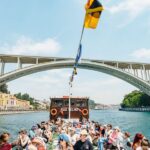
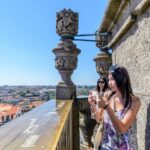

Day 5 follow the water to Arcade, oysters included
Day 5 is coast-focused and food-forward. You follow the coastline as you move through the Vigo area and finish near San Simón’s bay. You’ll then reach Arcade, the oyster region that’s practically the headline of the day.
Arcade is where the tour leans into the culture of the route. You ride past sights connected to Santiago’s culture, including the church of Santiago in Arcade (12th to 13th centuries). You also get roads and paths that lead toward the pilgrimage destination, which helps connect your cycling effort to the bigger “Way of St James” idea.
And then there are the oysters. It’s described as almost mandatory to taste Arcade’s famous oysters harvested in these waters. If you time your trip for it, there’s also the Fiesta de la Ostra, held during the first week of April.
Why this matters to you: this is one of those days where the coast is not just scenery. It’s local life. Even if you only have time for a meal or two, you are eating something tied directly to where you rode.
One practical consideration: oysters and seafood days can make it tempting to eat late. If you want to keep energy up for Day 6, balance it with rest and water.
Day 6 Caldas de Reis: hot springs, pilgrim energy, and lamprey empanadas
Day 6 heads toward Caldas de Reis, in the Pontevedra province. This stop brings you away from pure coastal rhythm and into a hot-springs story tied to older settlements.
The tour links Caldas de Reis to a pre-Roman community living from the hot springs. The place name is also connected to Afonso VII, and the route’s “pilgrimage path” connection is part of why people moved through here in the Middle Ages.
There’s also practical food detail. You can look for lamprey empanadas and traditional Spanish bread. And since hot springs are part of the modern tourism identity of the region, you may find yourself with the option to unwind differently than on earlier days.
What you should expect on a cyclist level: this is a strong “recover day,” even if you still ride. After earlier days by the sea, hot springs and a slower-feeling town can help your legs recover.
Possible drawback: hot-weather riding can still make you feel sluggish later in the day. If it’s warm when you arrive, hydrate and plan an early evening.
Day 7 Santiago de Compostela: the ride ends at Obradoiro Square
The final cycling day is all about reaching Santiago de Compostela, described as one of Western Europe’s ultimate pilgrimage cores. Like Rome and Jerusalem, the city is positioned as a religious beacon, and the tour frames your arrival as part of an inner shift, not just a finish line.
Your day ends at Plaza do Obradoiro, where you see the majestic Baroque cathedral and where the remains of the apostle are located. Even if you have visited grand churches before, landing at Obradoiro is the moment your week starts to feel like a complete story.
How to make this day work: keep your final miles controlled. You want energy for the cathedral area and for wandering afterward. If you finish too hard, you’ll miss the atmosphere.
One more note tied to the tour’s own guidance: during July, August, and September, start cycling early because of hot weather. That timing also helps you arrive with more daylight and less exhaustion.
Day 8 departure: easy send-off after a complete week
Day 8 is departure. The tour includes Santiago pick up back to Porto city in van (listed as ticket BUS), and it also includes Porto airport transfers. So the end of your trip is less chaotic than many “point to point” cycling tours.
For you, this matters because the last day can be where fatigue spikes. Having the route back organized means you can focus on getting to your next flight or onward travel without re-planning a transportation puzzle.
Bike and route setup: why the details matter
The tour gives you a lot of the gear and navigation basics, which is exactly what you want on a self-guided style route.
- You rent Trek mountain bicycles and you get a helmet.
- You get a GPS with route for self guided, plus a road book.
- Your luggage transfer is handled, so you are not dragging bags from town to town.
Two more practical items you should care about:
1) Route mix. It uses bike paths when available, but you can also be on tarmac and rural streets. That’s normal for Coast Path style routing, so you’ll want tires and riding habits that match mixed surfaces.
2) Water and heat. The tour explicitly asks you to carry enough water at all times, and it recommends starting early in summer.
One small real-world comfort point from the experience: the staff at The Fold n Visit are described as friendly and quick to handle a bike problem. That’s the kind of reassurance you want in the back of your mind, because any long bike trip has at least one “minor issue” chance.
Food and meals: what’s included and what you plan yourself
The tour lists selected meals and includes breakfast (8). It also clearly states that lunches and dinners are not included, and alcoholic beverages are not included.
So you should plan to budget for meals on your own during cycling days and evenings. The good news is the route passes through towns that sound like they have enough food options for normal traveler needs, and Day 5 in particular is built around oysters and local dining culture.
Practical tip: if lunches are on your own, use your GPS timing to stop early enough to eat before you get too hungry. A hungry cyclist makes worse decisions.
Difficulty, fitness, and who this tour fits best
The difficulty is listed as easy to moderate, and it says there are some hills. It also says you should have moderate physical fitness.
This tour fits best if:
- You can handle long cycling days and keep a steady pace.
- You want coastal views but still accept inland touches like Caldas de Reis.
- You prefer a self-guided plan supported by GPS instead of a fully escorted ride.
If you are brand-new to riding, consider whether your “moderate fitness” means you can comfortably ride similar daily distances, especially with heat in summer. If you love the idea of cycling but get worn down easily by hills, you may still enjoy it, but you’ll want a conservative approach.
The upside: the tour is also described as a good alternative to much more difficult Camino routes. That’s exactly the point if you want pilgrimage meaning without punishing elevation every day.
Price and value: what $2,990.44 includes, and why it adds up
At $2,990.44 per person, this is not a budget weekend. But it also includes more than “just a bike rental.”
Here’s what you are paying for in practical terms:
- 7 nights of accommodation
- Bike rental and helmet
- GPS and road book (route support)
- Luggage transfer
- Porto airport arrival and departure transfers
- Santiago pick up back to Porto city in van
- Breakfast for 8 days
- Access in English
So the value equation is not only the bike. It’s the whole chain that connects lodging, gear, route navigation, and transfers. If you were to plan this yourself, you would likely spend time coordinating bikes, where to stay each night, and how to handle luggage, plus transport from Santiago back to Porto.
Main price caution: lunches and dinners are not included, and travel insurance is also not included. You will need to budget extra, and you will want to arrange your own insurance coverage.
Should you book this Porto to Santiago Coast Path ride?
Book it if you want a Camino-style finish at Santiago de Compostela while spending your week riding the coast between Portugal and Northern Spain. The mix of coastal towns, oyster culture in Arcade, and the final landing at Plaza do Obradoiro makes it feel like a real journey, not just a sightseeing circuit.
Skip it or be extra careful if you cannot handle heat, you avoid hills altogether, or you dislike planning your own lunches and dinners. Also, because the tour is listed as non-refundable and not changeable for any reason, make sure your dates are truly locked.
If you want a modern mountain bike Camino experience with GPS support, luggage handled, and a small group cap, this one is a strong fit.
More Cycling Tours in Porto
More Tours in Porto


More Tour Reviews in Porto

Keep comparing: recently reviewed experiences around Porto








Porto Bike & E-Bike Tours, compared.
 ★ 4.8City Highlights 3-Hour Guided Electric Bike TourFrom $513,092 reviews
 ★ 5.03-Hour Old Town & Riverside Bike Tour – Guided ExperienceFrom $47481 reviews
 ★ 4.9Guided 3-Hour Best of Tour by SegwayFrom $78479 reviews
 ★ 5.02-Hour City Highlights Segway Tour – Guided ExperienceFrom $78331 reviews
 ★ 4.6Riverside Panoramic E-Bike TourFrom $51312 reviews
 ★ 4.9Highlights in 3 Hours E-Bike TourFrom $53290 reviews
 ★ 4.83-Hour Bike TourFrom $57260 reviews
 ★ 5.0Porto Highlights in 3 Hours E-Bike Tour – Historical, SightseeingFrom $59166 reviews
Browse the lists this tour appears in